![Iranian missile launched toward Tel Aviv, Israel [Photo = Yonhap News]](https://contents-cdn.viewus.co.kr/image/2026/03/CP-2024-0005/image-aaf0577b-109a-4f23-8d4c-d6f21f910183.jpeg)
By Yang Won-mo, The Public — As the conflict between the United States and Iran stretches into a prolonged phase, analysts say both sides have expended large numbers of missiles yet still retain sizable stockpiles. They contend that the size of remaining arsenals and the rate at which each side can employ them — not just strike intensity — will be the decisive variables going forward.
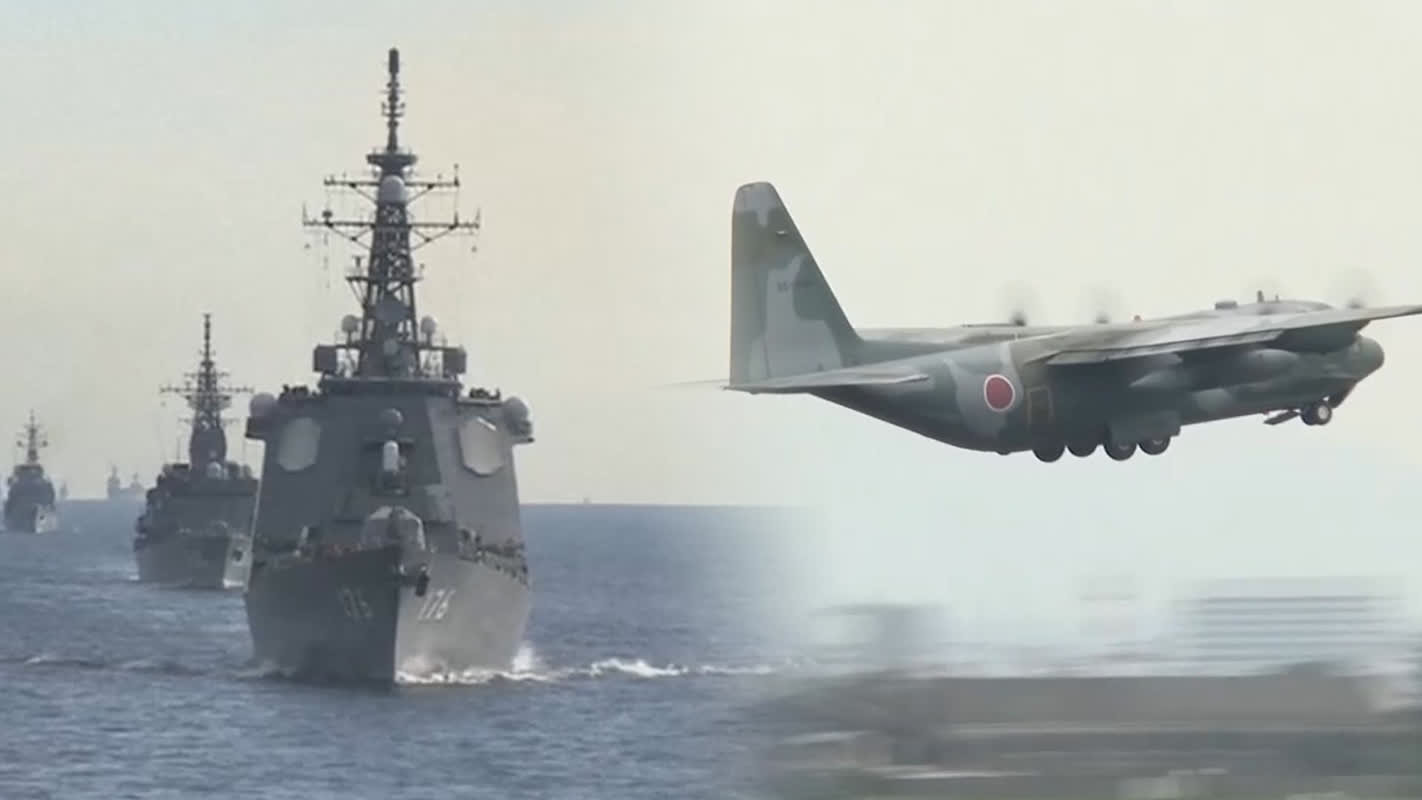
On March 27, The Washington Post, citing U.S. government officials, reported that U.S. forces have fired more than 850 Tomahawk cruise missiles in this campaign.
The Tomahawk is a long-range, ship- and submarine-launched cruise missile with a range of more than 1,600 km (about 994 miles). The U.S. military has not disclosed exact stockpiles, but analysts estimate it held at least 3,100 before the war and likely still has more than 2,000 missiles available.
But experts caution the U.S. cannot funnel all of those missiles to the Iran front. A Tomahawk can cost as much as $3.6 million apiece, and production lines take roughly two years to replenish stocks, limiting rapid large-scale replacement. U.S. planners must also account for the possibility of other regional contingencies.
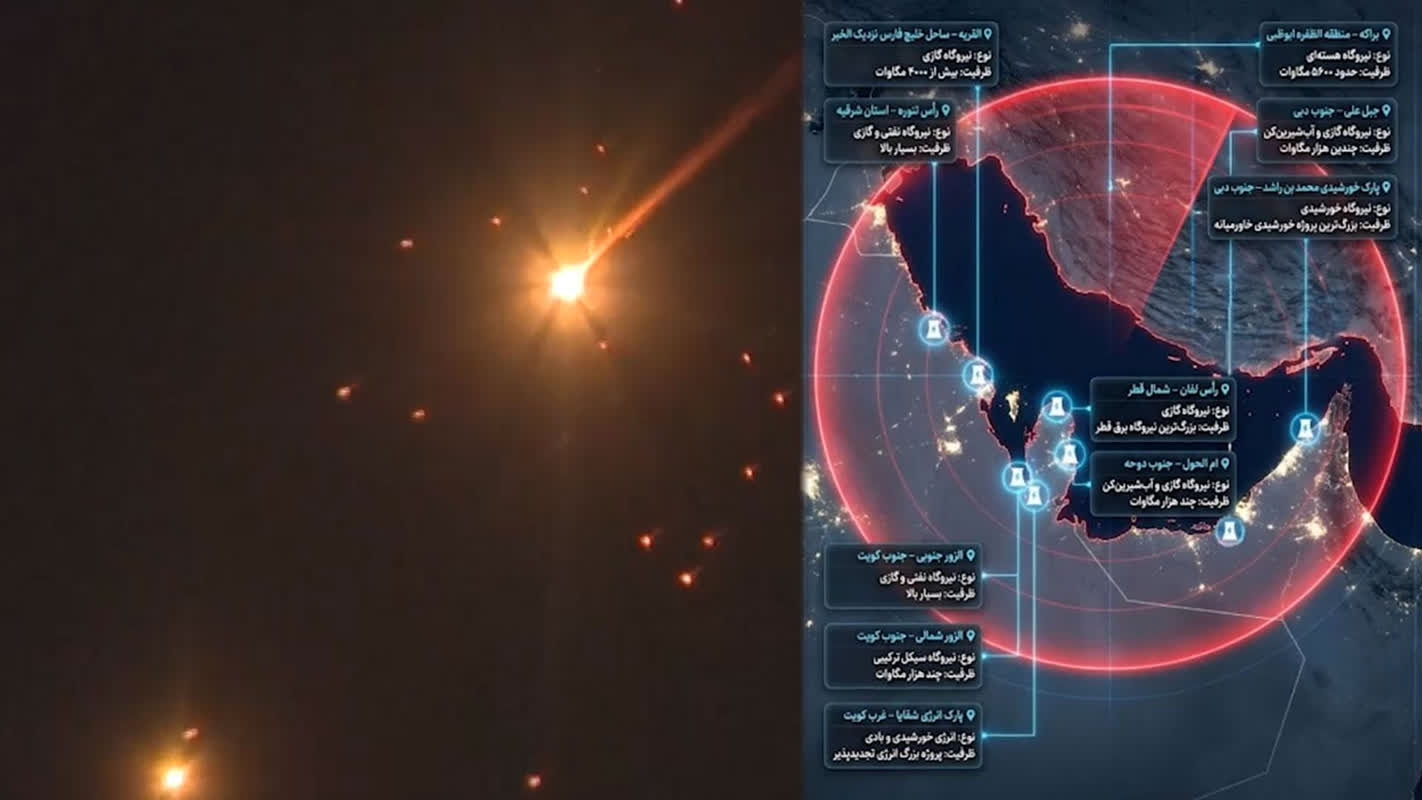
Iran likewise appears to retain considerable missile capability. Israel’s Institute for National Security Studies (INSS) says Tehran has launched about 1,641 missiles toward Israel and the wider Middle East since the conflict began — roughly half its estimated inventory — leaving what analysts believe is more than 1,000 missiles still available.
In addition to ballistic missiles, Iran fields cruise missiles, armed drones and mobile launchers. Military analysts estimate Tehran had up to 6,000 Shahed loitering munitions before the war and has expended roughly 4,300 to date, indicating a still-meaningful remaining drone force.
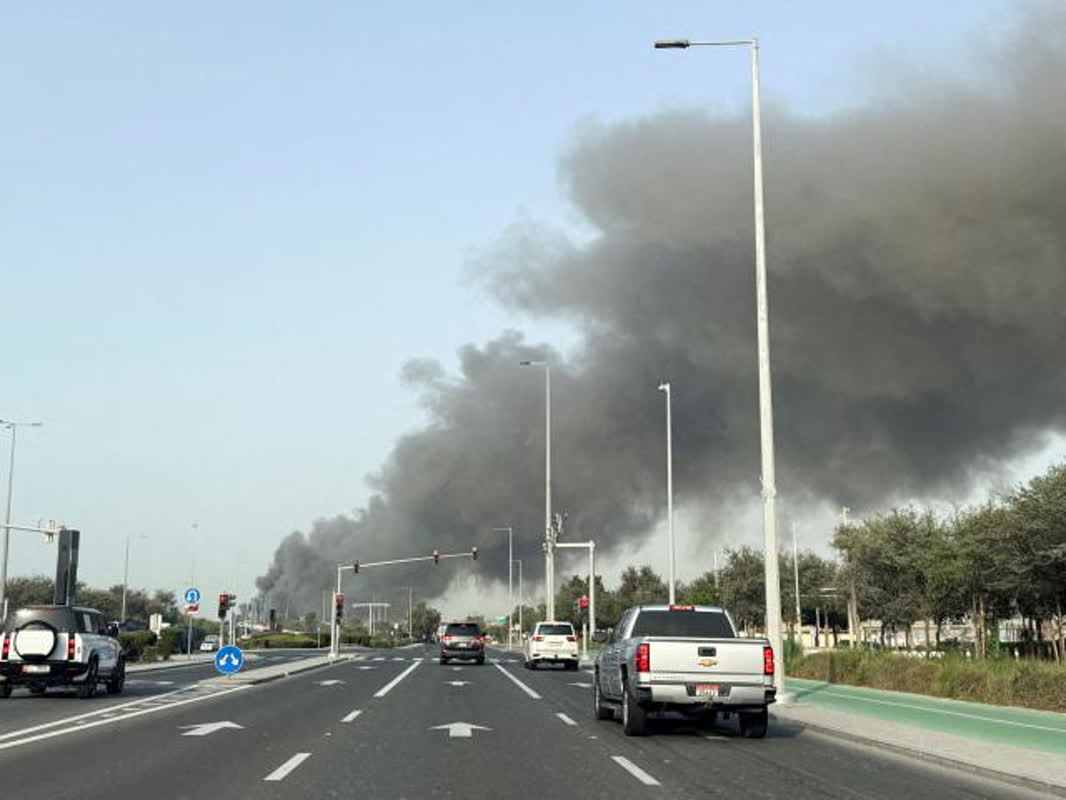
Analysts also note a change in employment. While launch rates have fallen, Iran has shifted toward more selective strikes on critical nodes, especially energy infrastructure. That recalibration has preserved or in some cases increased the operational effect despite fewer launches.
Experts say the pattern is consistent with a strategy for a protracted fight. With U.S. and Israeli strikes degrading some of Tehran’s production capacity, Iran appears to be economizing its remaining weapons and prioritizing high-value targets to stretch its capabilities over time.