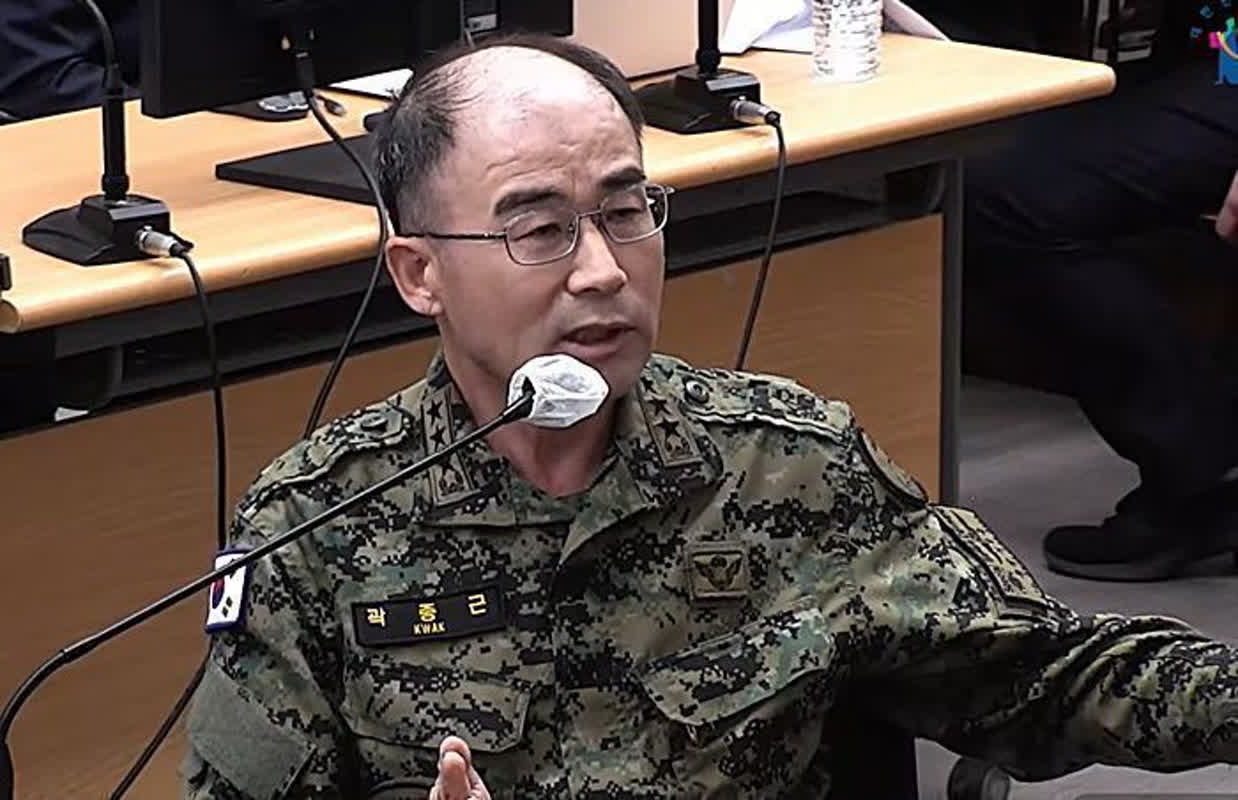
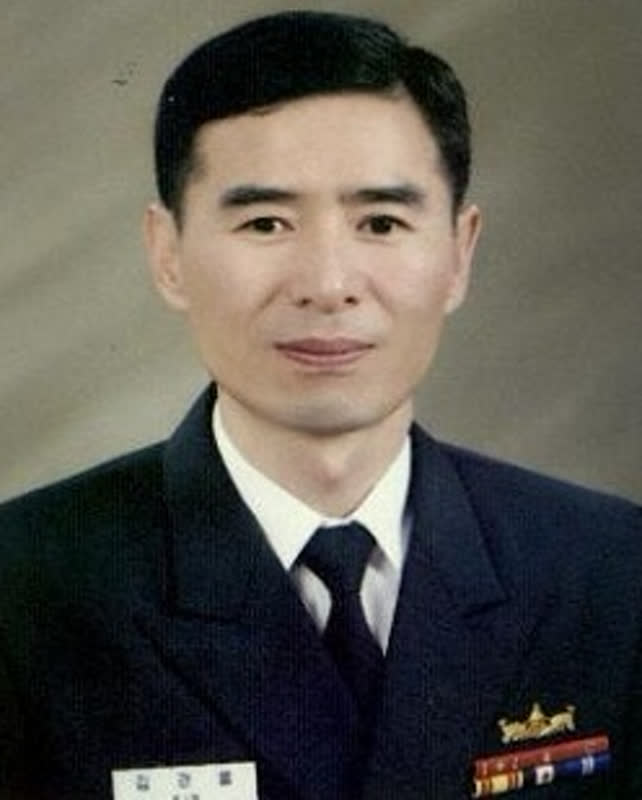
Featuring: Shin Jong-woo, Secretary General, Korea Defense and Security Forum; Yoo Dal-seung, Professor, Hankuk University of Foreign Studies
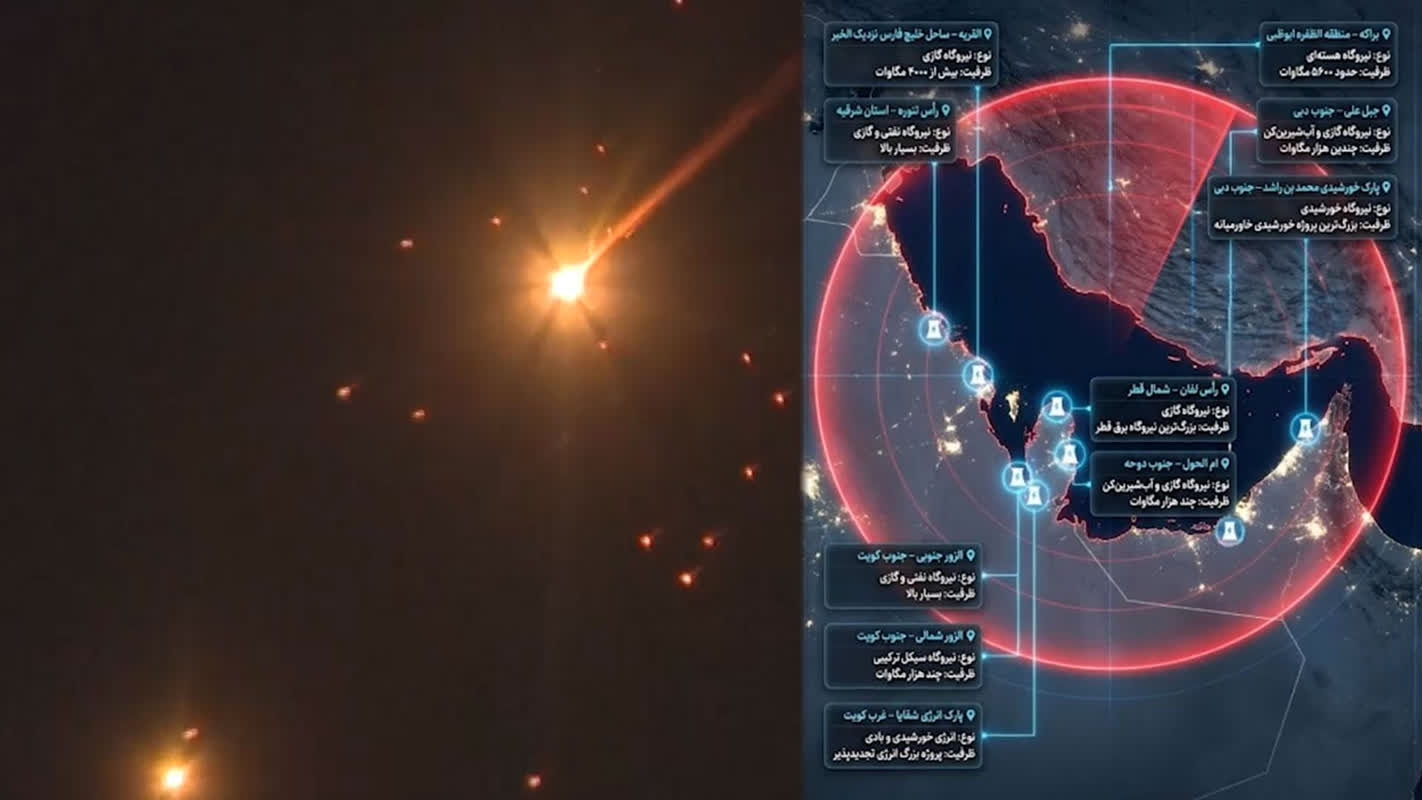
Analysts are divided over whether President Trump’s decision to repeatedly extend the deadline for strikes on Iranian energy infrastructure is a negotiating tactic or a deliberate smokescreen.
We spoke with Shin Jong-woo and Yoo Dal-seung to get their assessments.
Question 1: President Trump once again postponed military strikes on Iran’s energy facilities. Some argue he’s trying to pressure Tehran into a deal within the original four- to six-week window; others say he’s seeking to avoid a spike in global oil prices. What’s your read?
Question 2: Pakistan has officially confirmed it is serving as a mediator between the U.S. and Iran, shuttling messages between the two capitals. Tehran, however, remains skeptical of U.S. intentions. Do you see this leading to substantive talks?
Question 2-1: The Iranian daily Javan published a cartoon depicting President Trump as Pinocchio, his elongated nose stretching across the Strait of Hormuz. Does that image reflect Iran’s view of Trump?
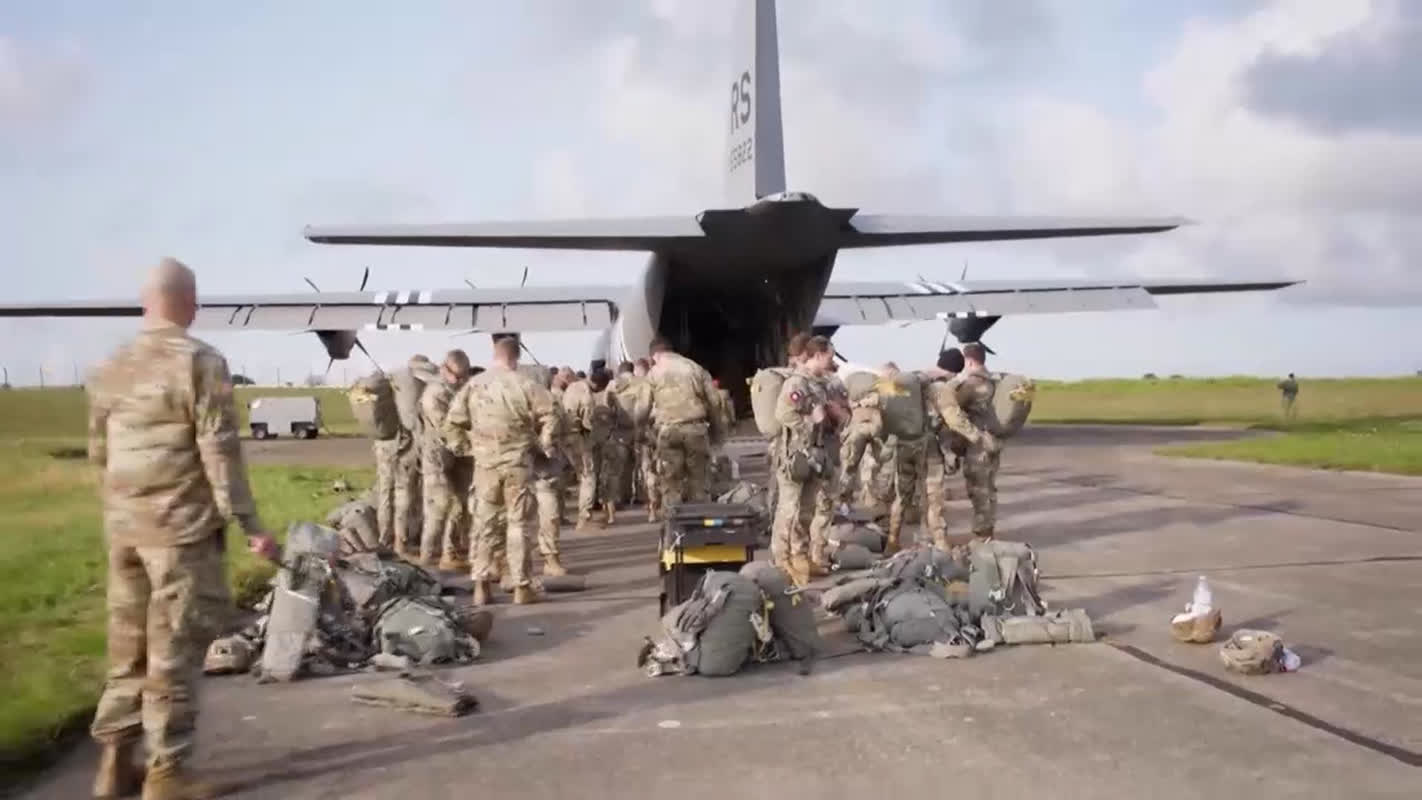
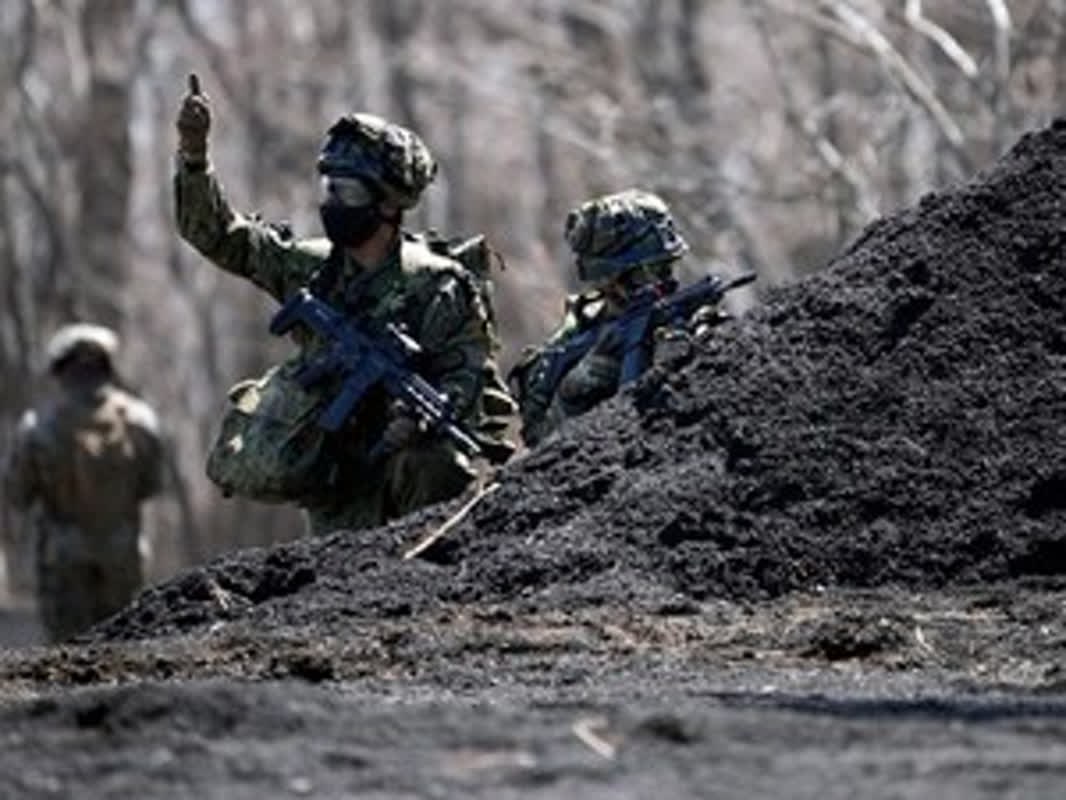
Question 3: Reports say the U.S. is developing “final strike” options that could include invading or blockading Harg Island. The U.S. has also moved additional forces into the region. How likely is a U.S. ground campaign?
Question 4: Iran insists it will answer force with force. Tehran claims it has up to one million ground troops available and says tens of thousands of young volunteers are lining up to fight. If a ground war breaks out, which side— the U.S. or Iran—would shoulder the heavier losses?
Question 5: Analysts warn that if the conflict continues another month, U.S. weapons stocks could be depleted, and rebuilding missile inventories might take years. Could that logistical reality affect President Trump’s decision on whether to commit ground forces?
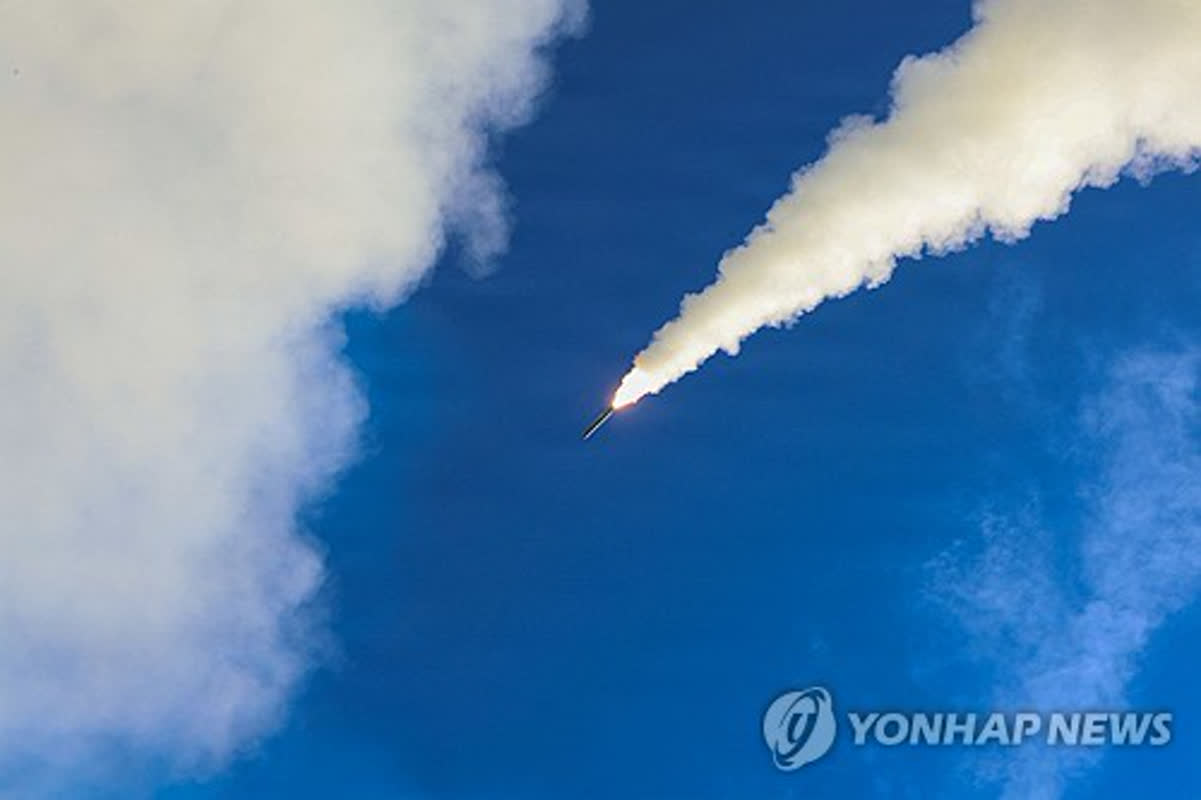
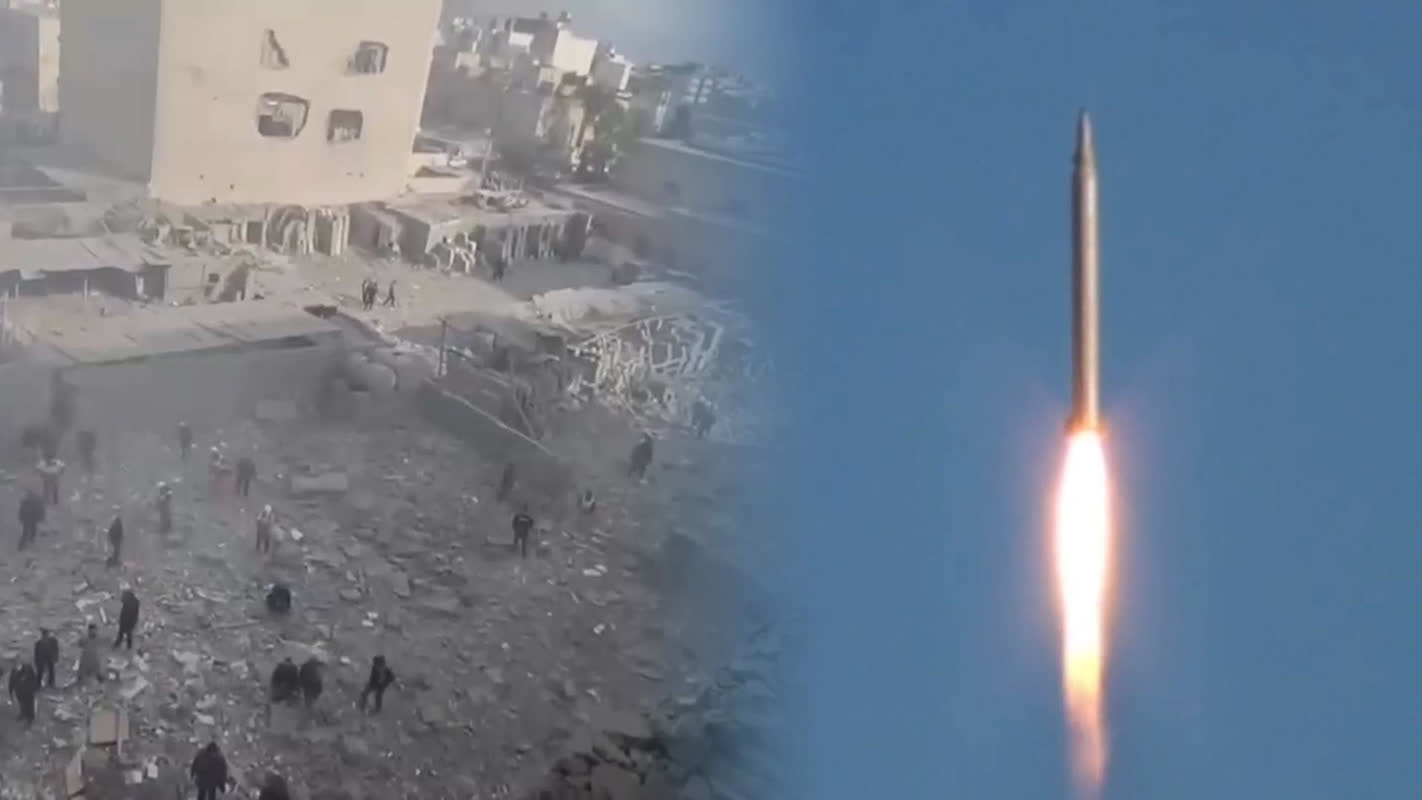
Question 6: Iran’s latest advanced missile unveiled last year, referred to in Persian as Kassem Basir, has not been seen during the first month of the conflict. That absence has sparked speculation: are they holding it in reserve for when enemy interceptors run out? Was it destroyed in air strikes, or was its debut exaggerated? What’s your assessment?
Question 7: Yemen’s Iran-aligned Houthi rebels have said they could enter the fight on Iran’s side depending on how the war evolves. How likely is their involvement, and what impact might it have regionally?
Question 8: Iran has announced it will ban sending national club teams to competitions held in “enemy” countries ahead of AFC club tournaments, citing player safety during wartime. Observers are watching whether this policy could affect Iran’s national team, which is scheduled to play all of its group-stage World Cup matches in the United States at the 2026 tournament.
Question 9: Israel has widened its front against Iran and Hezbollah, sending additional ground forces into southern Lebanon to neutralize Hezbollah’s threat. At the same time, reports indicate Israeli forces are stretched thin and domestic opposition to wartime losses is growing. How do you assess the overall situation?
For Yonhap News TV story inquiries and tips: KakaoTalk/LINE jebo23
Park Jin-hyung (jin@yna.co.kr)