Featuring: Seunghun Ahn, Senior Researcher, Israel Education Research Center, Seoul National University
As the conflict involving Iran enters its 12th day, analysts increasingly say control of the Strait of Hormuz could determine the outcome of the wider Middle East war.
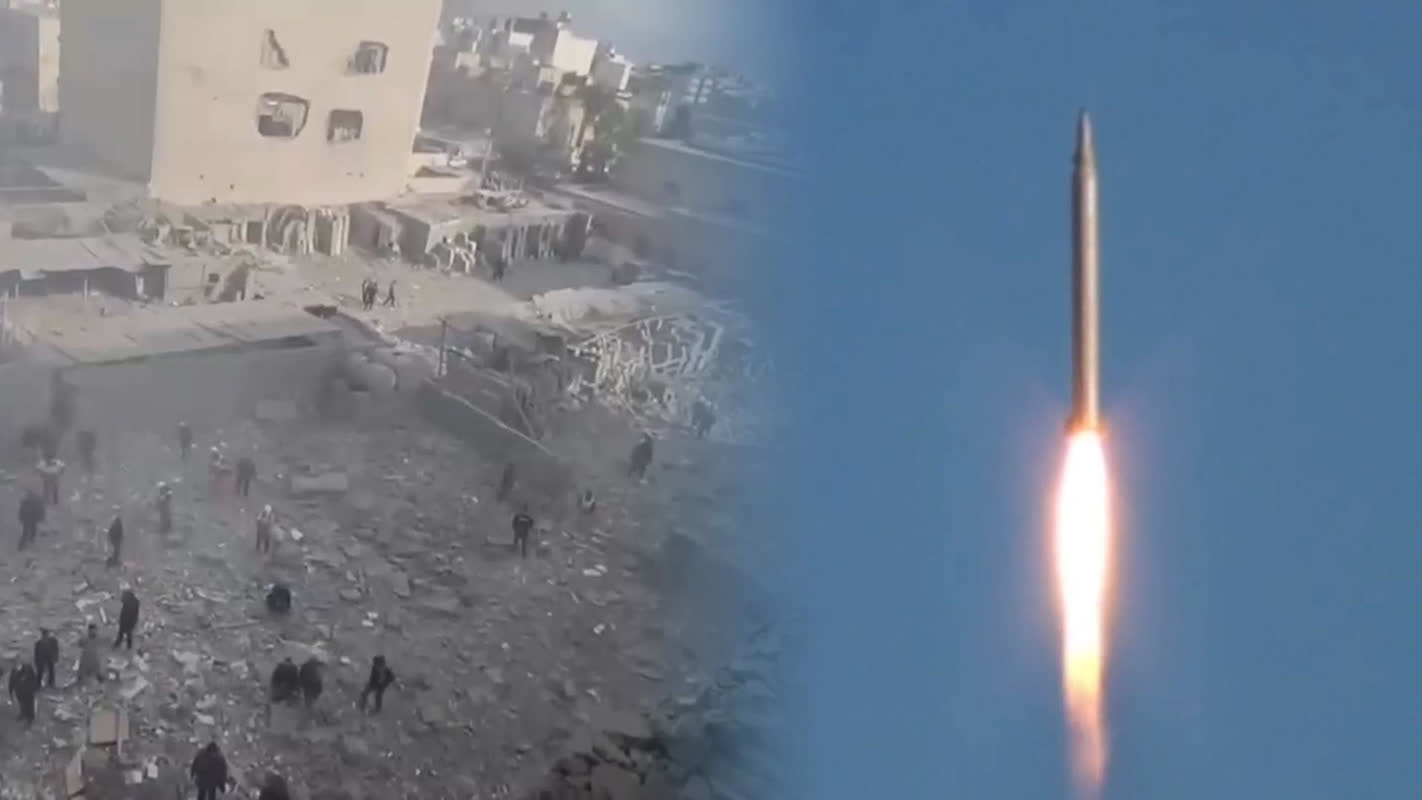
At the same time, attention is focused on Washington after the U.S. warned it was preparing for “the most intense airstrikes.”
We’re unpacking the situation with Seunghun Ahn of Seoul National University.
Welcome.
Question 1: After President Trump said “the war will end soon,” the Pentagon warned it would carry out “the most intense airstrikes.” The U.S. and Israel have since launched long-range strikes, and some residents of Tehran described the attacks as “hellish.” How do you assess the current situation?
Question 2: Tensions are especially high around the Strait of Hormuz. U.S. forces reportedly destroyed 16 Iranian mine-laying vessels. Is Washington’s push to control Hormuz driven by the waterway’s strategic importance to the war’s outcome?
Question 3: Reports indicate Iran’s Islamic Revolutionary Guard Corps (IRGC) and the Iranian navy now jointly control the strait. The IRGC recently pledged full loyalty to the new supreme leader, Moztaba, and their force is estimated at about 190,000. How would you assess their troop strength and combat readiness today?
Question 4: One puzzling aspect is that Moztaba, Iran’s supreme leader, has not made a visible public appearance despite Iran’s continued resistance. Israeli outlets have circulated reports he was injured, and some foreign media have echoed those claims. Where is Moztaba now, and what is he doing?
Question 5: The U.S. defense secretary declined to comment on Moztaba’s condition but urged Iran’s new leader to publicly renounce any pursuit of nuclear weapons. Do you assess that the U.S. knows Moztaba’s location, condition and activities?
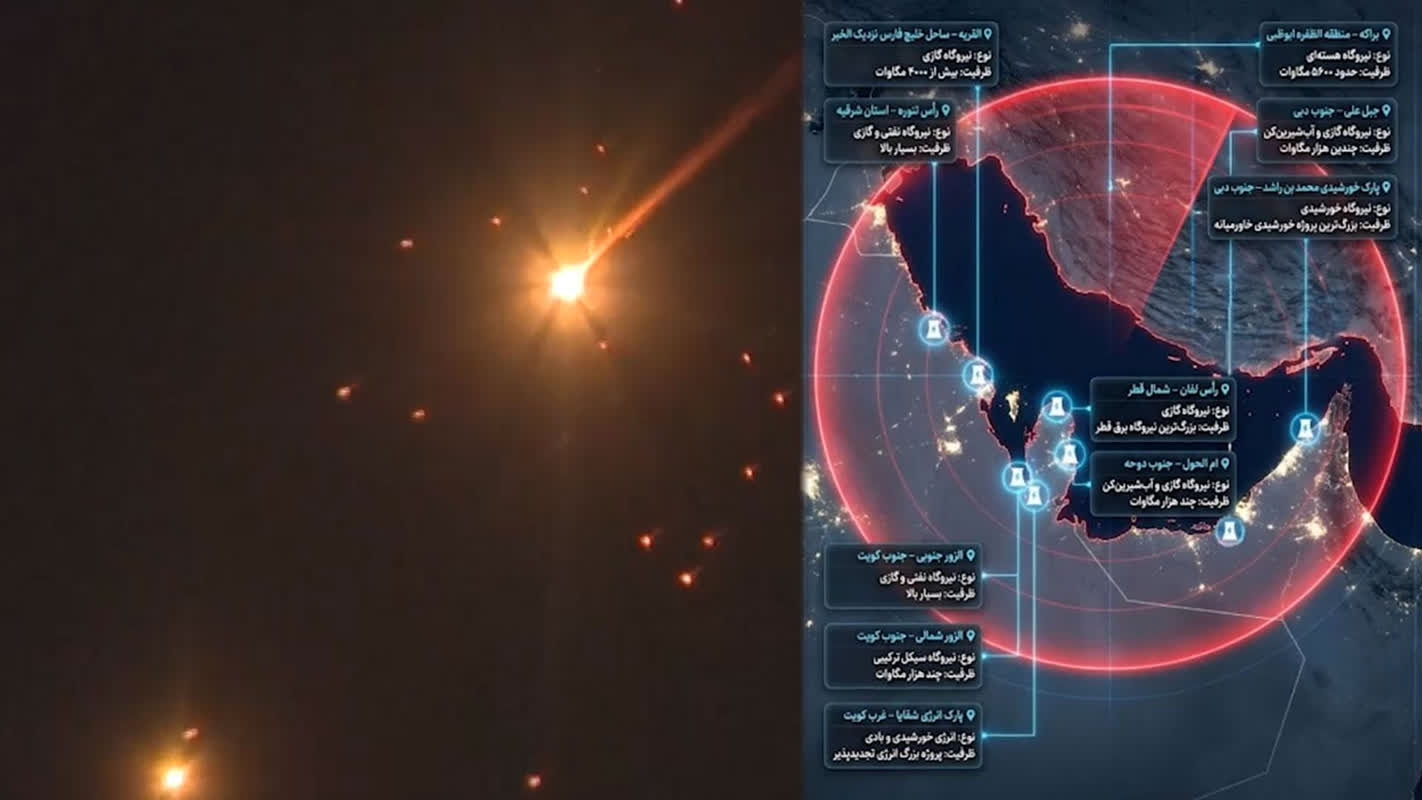
Question 6: Reports say the Trump administration asked Israel to refrain from striking Iran’s energy infrastructure, suggesting a tactical split between the two allies. Why do you think the U.S. requested restraint on attacks against energy facilities?
Question 7: For the first time since the conflict began, the Pentagon disclosed U.S. casualty figures, saying 140 service members were wounded. Why release that number now after keeping it undisclosed until recently?
For Yonhap News TV story inquiries and tips: KakaoTalk/Line jebo23
Kyungjae Park (parkpd@yna.co.kr)