![Illustration of Iran and the Strait of Hormuz [Photo=Yonhap News]](https://contents-cdn.viewus.co.kr/image/2026/03/CP-2024-0005/image-4c0ac9e2-e378-4fd3-a680-292f4c3b1ec3.jpeg)
[The Public—Reporter Lee Yoojung] The U.S. and Israel’s large-scale strikes on Iran, including strikes in Tehran, have pushed the Middle East conflict into a new phase.
On March 11, industry sources said the war is now unfolding on two simultaneous fronts: a military confrontation stretching from Iran’s mainland to Lebanon, and a strategic standoff centered on the Strait of Hormuz and ceasefire negotiations. U.S. forces reported removing 16 Iranian mine-laying vessels near the strait, while Tehran has repeatedly warned it could block oil exports.
Analysts warn the standoff over energy arteries poses a greater danger than clashes along conventional front lines. The conflict’s center of gravity appears to be shifting from airstrikes to control of the Hormuz Strait. If that chokepoint for crude shipments is disrupted, military clashes could quickly trigger a global economic shock.
World leaders have moved into diplomatic mode to head off oil-price spikes and supply-chain disruption, but near-term de-escalation looks unlikely. The White House has set high thresholds for ending operations, signaling it does not expect a quick lull. Iran, for its part, has rejected external timetables for a ceasefire and continues its hard-line posture.
U.S.-Israel–Iran clashes deepen prospects of a protracted war
![Smoke rising over Iran’s capital Tehran [Photo=Yonhap News]](https://contents-cdn.viewus.co.kr/image/2026/03/CP-2024-0005/image-1358dfba-6788-4cd4-985b-0c07e0c5f5fd.jpeg)
According to Reuters and the Associated Press, U.S. and Israeli strikes continue across Iran. On March 10, both countries again struck Tehran and multiple other targets. U.S. Defense Secretary Pete Hegseth warned the day’s attacks could be “the most intense.” The fighting increasingly resembles a grinding campaign of rising intensity rather than isolated clashes.
The Israeli military said it targeted weapons research-and-development facilities at an IRGC military academy in Tehran.
Residents told Reuters the strikes were the heaviest bombing since the conflict began.
Reuters reported massive plumes of black smoke after strikes hit refineries and storage facilities near Tehran, underscoring how attacks on the capital area are generating civilian alarm and environmental concerns beyond strictly military damage.
Fighting has spread to Tehran, southern Lebanon and the Gulf. Southern Lebanon contains Hezbollah strongholds; Reuters, citing U.N. figures, reported that hundreds of thousands have fled Lebanon in the past week and fatalities have surged.
Israel has continued strikes on Hezbollah positions, and border clashes are solidifying into an outer front of the Iran–Israel confrontation.
Iran, meanwhile, has not reduced the tempo of its reprisals. The semi-official Tasnim news agency reported the IRGC launched new missile strikes targeting the U.S. Fifth Fleet base in Bahrain and U.S. bases in Iraq.
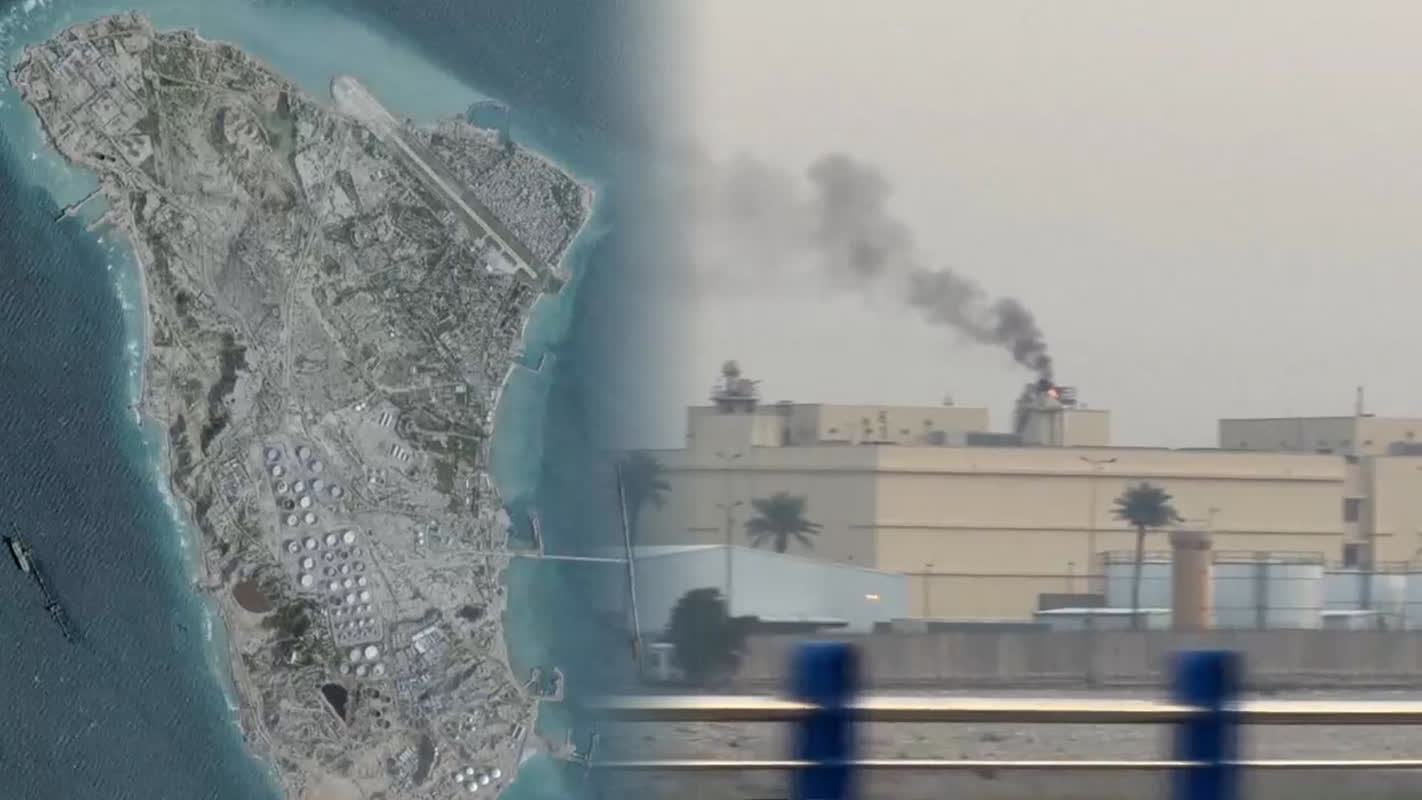
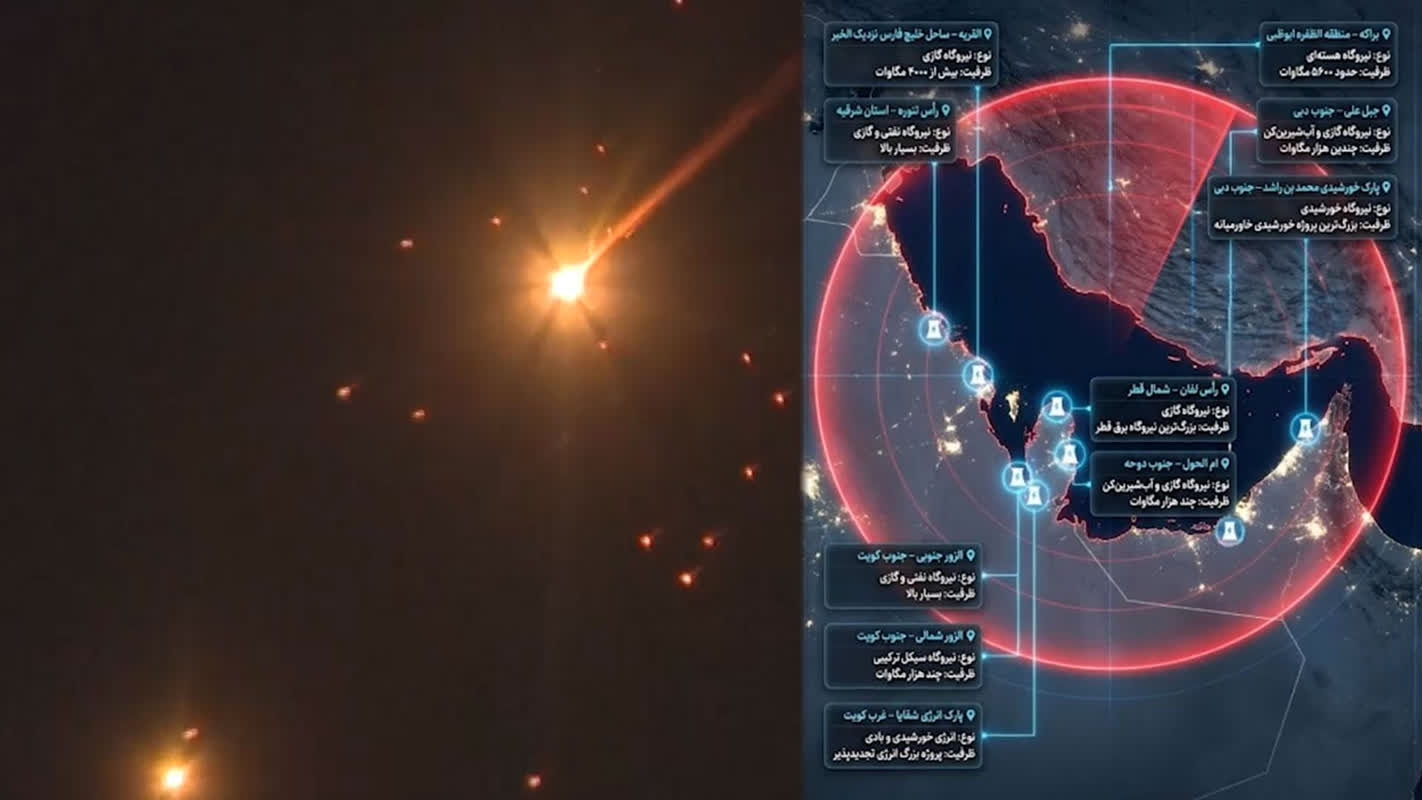
Reuters said Iran is threatening to disrupt energy flows near the Strait of Hormuz while escalating threats against Gulf and U.S.-related sites.
As both sides widen the scope of attacks, what began as local clashes now risks spreading into multiple fronts across the region.
![Iranian rescuers at work in a ruined Tehran building [Photo=Yonhap News]](https://contents-cdn.viewus.co.kr/image/2026/03/CP-2024-0005/image-217c1eda-6bfe-4940-bf02-88112ca89ed4.jpeg)
Casualties are mounting rapidly. Reuters reported Iran claims more than 1,300 civilians have been killed and roughly 10,000 civilian facilities destroyed by U.S. and Israeli strikes.
For the first time since the conflict began, the U.S. Department of Defense released casualty figures: 140 U.S. service members wounded, eight seriously injured, and seven killed.
Even allowing for divergent claims on both sides, the fighting has clearly reached a human-cost level that will be difficult to reverse.
G7 opens talks on energy shock as Hormuz standoff rattles global markets
![Screenshot from U.S. Central Command video showing removal of Iranian vessels [Photo=Yonhap News]](https://contents-cdn.viewus.co.kr/image/2026/03/CP-2024-0005/image-ee51f98a-6be4-49bb-8f3c-d61fb73c26ae.jpeg)
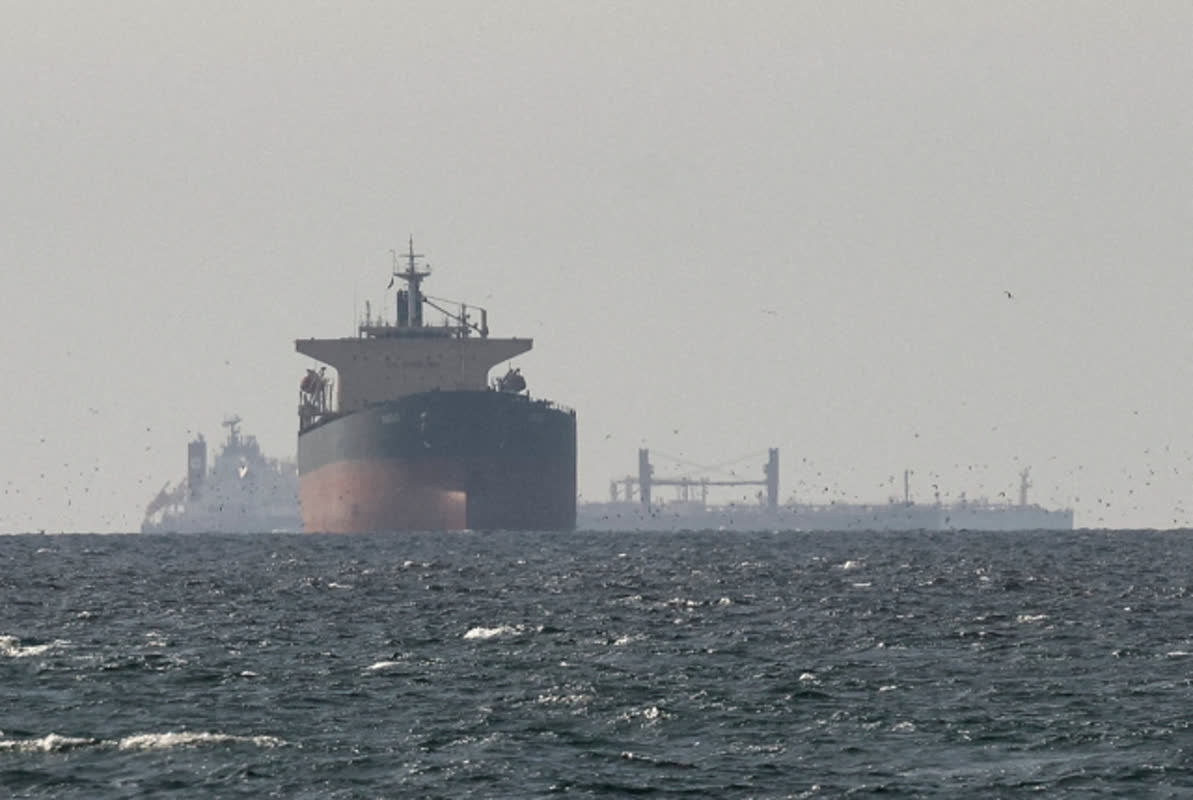
The most dangerous flashpoint remains the Strait of Hormuz. Iran has repeatedly warned it will block oil exports through the waterway if strikes continue. In response, U.S. Central Command said on March 10 that it removed 16 Iranian mine-laying vessels near the strait. U.S. intelligence also reported indicators of mine emplacement.
The conflict is shifting from land to sea lanes. Control over the Hormuz Strait — a critical artery for global oil shipments — has emerged as a central variable that could determine the war’s trajectory.
President Donald Trump issued a blunt warning on Truth Social, saying that if mines had been laid and were not removed immediately, the military consequences for Iran would be on a scale “we’ve never seen before.”
On the same day, Energy Secretary Chris Wright posted — and then deleted — a message on social media about Navy escorts for tankers. The White House said such escorts remain an option, though none have been executed, a comment that added to tensions.
![Russian President Vladimir Putin seated in his Kremlin office on March 7 (local time) [Photo=Yonhap News]](https://contents-cdn.viewus.co.kr/image/2026/03/CP-2024-0005/image-08ce9450-5200-45e6-8bc8-b87e46ab2790.jpeg)
Signs that the war could drag on prompted international moves to blunt an energy shock. The G7, chaired by France, plans a video meeting to assess the conflict’s likely impact on the global economy and oil markets.
Global oil prices have already jumped. G7 ministers discussed releasing strategic reserves but stopped short of an immediate decision. The conflict has thus migrated from a military problem to a market risk.
Russia has offered to mediate. President Vladimir Putin spoke with Iran’s President Masoud Pezeshkian — after consulting with President Trump, according to Russian accounts — to discuss ways to end the fighting. Putin reiterated his opposition to military attacks on Iran and said he stood ready to provide necessary support for de-escalation.
U.S.: “We’ll end when military objectives are met” vs Iran: “Ceasefire is our decision”
![President Trump holds a press conference on military operations against Iran [Photo=Yonhap News]](https://contents-cdn.viewus.co.kr/image/2026/03/CP-2024-0005/image-557c9760-61a6-44eb-801e-bec493f6a6ae.jpeg)
The White House has laid out strict conditions for ending military operations. White House spokeswoman Caroline Levitt said the U.S. would end operations only when the Commander-in-Chief (President Trump) determines U.S. military objectives have been fully achieved and when Iran is in a state of complete and unconditional surrender, regardless of Iran’s own declarations.
Observers read that stance as signaling Washington intends to declare victory and conclude operations only after securing specific military gains.
Iran pushed back, saying the key to a ceasefire lies in Tehran’s hands, not Washington’s. Ali Larijani, secretary of Iran’s Supreme National Security Council, wrote on X (formerly Twitter), “Even those stronger than you could not eliminate Iran. Be careful you don’t get eliminated yourself.”
Analysts interpreted the post as a hard-line message that Iran will not allow the U.S. to unilaterally determine when the fighting stops.