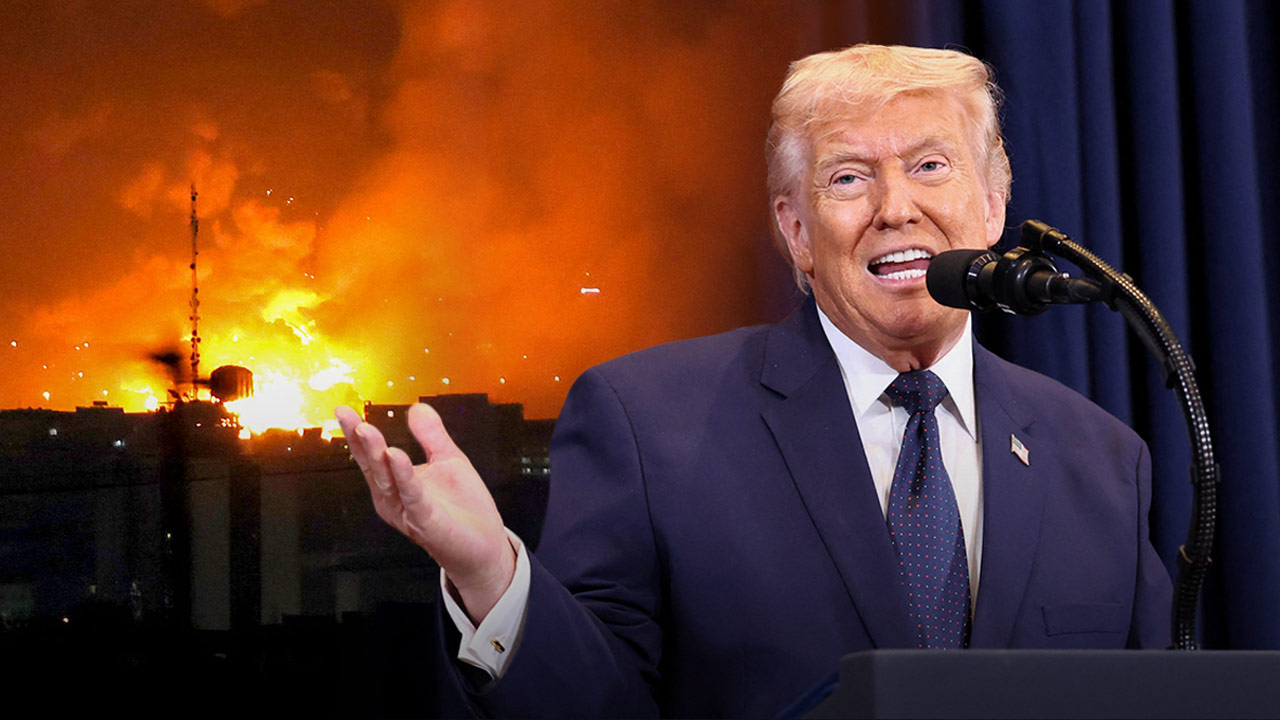
Iran’s Suicide Assaults Send War Zone into Chaos
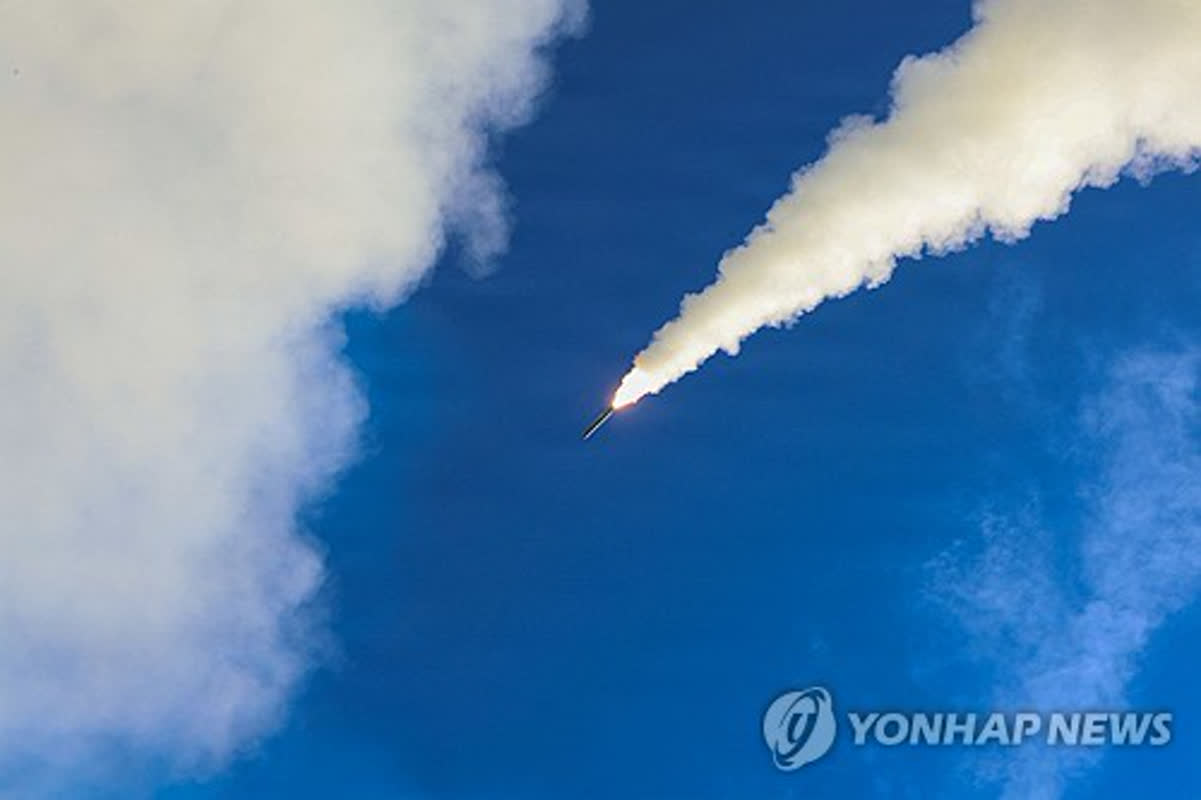
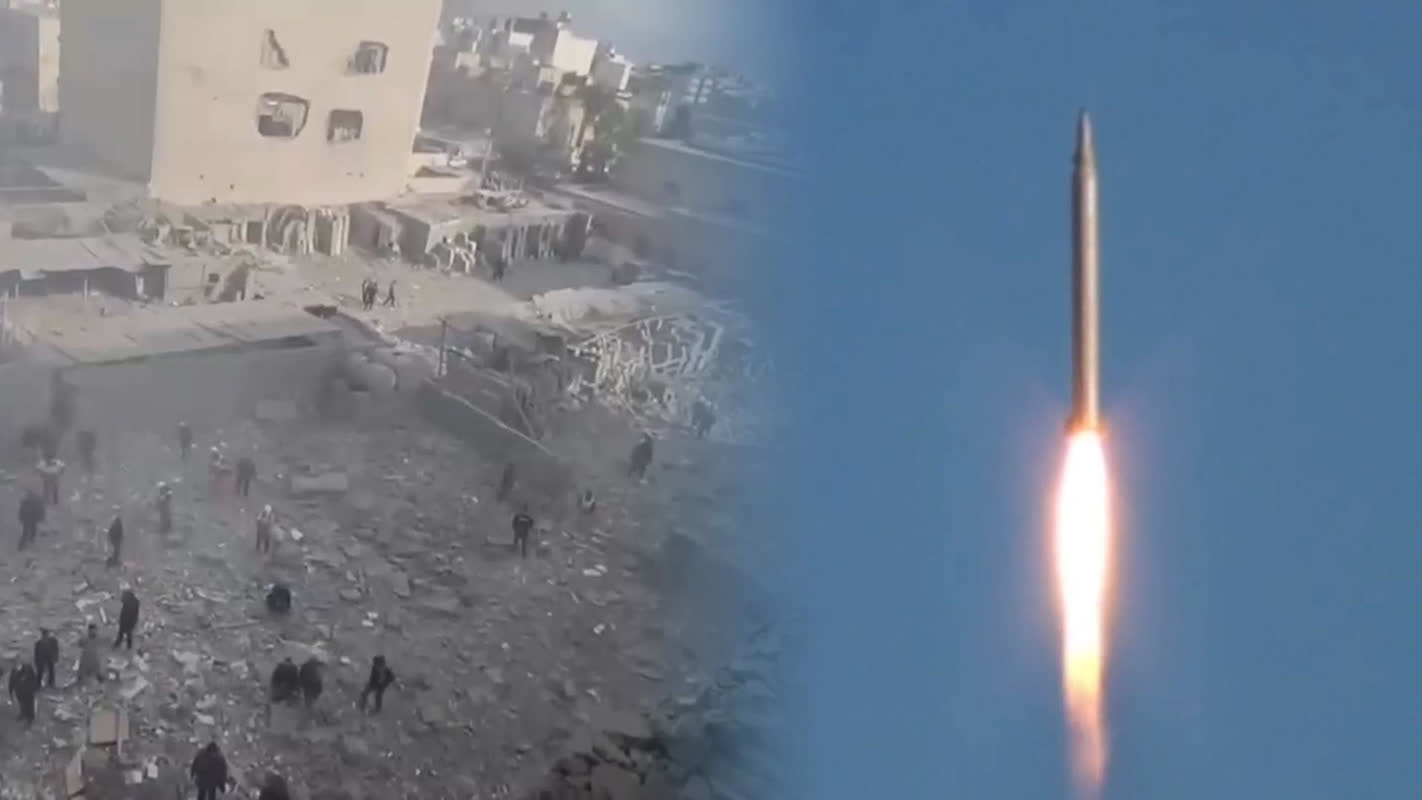
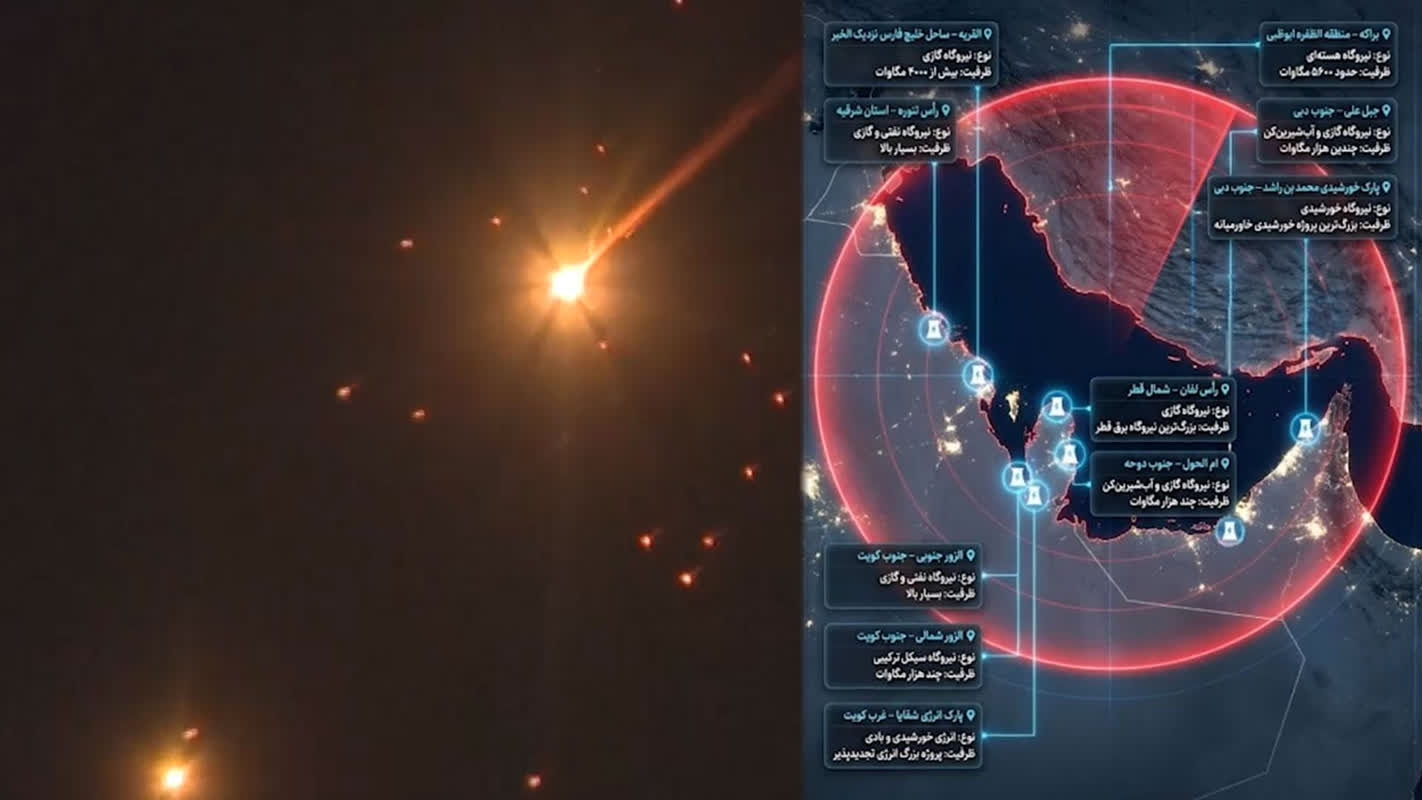
The Islamic Revolutionary Guard Corps launched what it called a “final suicidal assault,” plunging the Middle East front into chaos. From an underground Tehran bunker, Iran attempted to launch hundreds of biochemical munitions and solid‑fuel missiles simultaneously to strike Tel Aviv and the U.S. Al Udeid air base. U.S. Patriot batteries and Israel’s Iron Dome intercepted roughly 92 percent of the incoming threats, neutralizing most of the salvo.
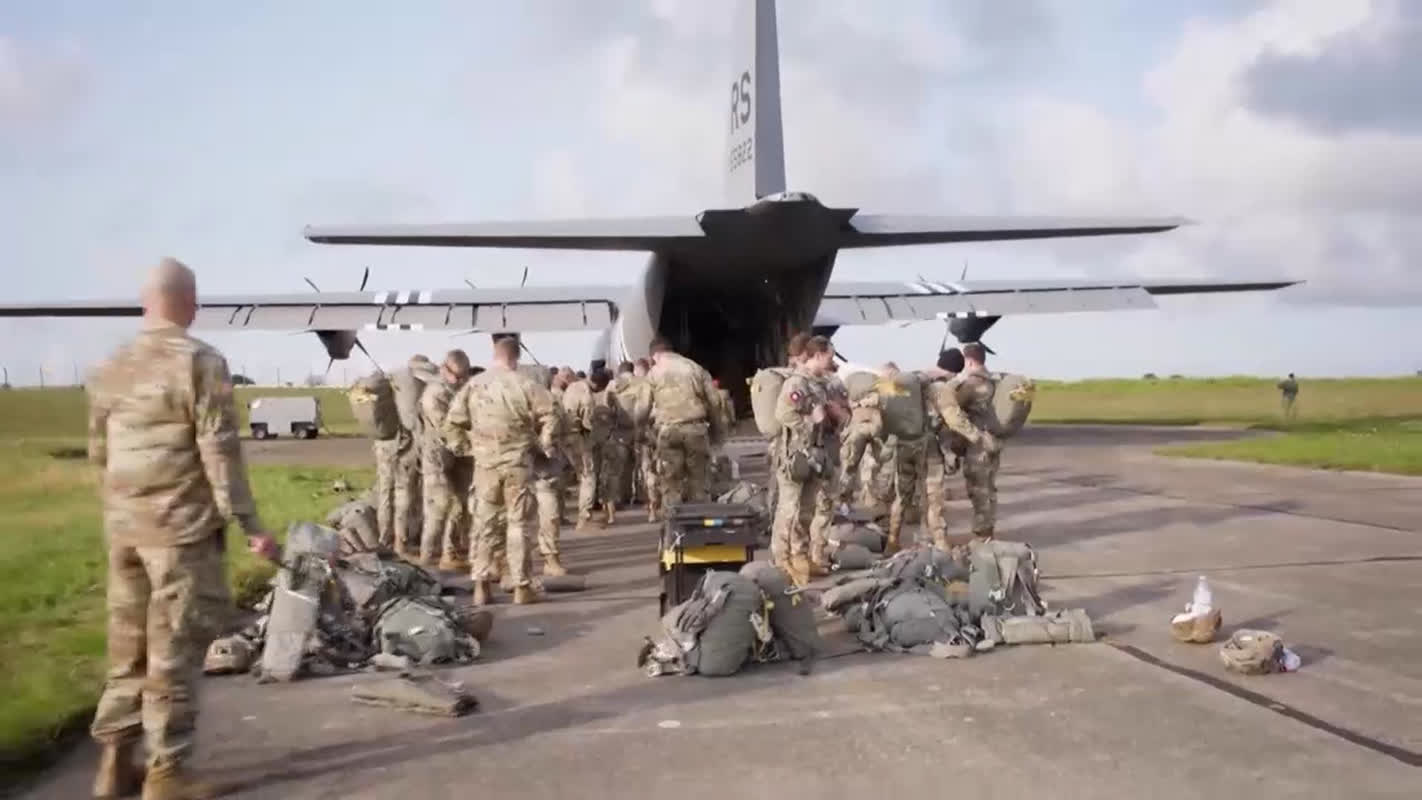
Iran also seeded the Strait of Hormuz with about 5,000 mines and reportedly sank some 30 oil tankers, sending global crude toward $160 a barrel. Fast attack craft and a swarm of midget submarines tried to engage U.S. carrier groups but ran into carrier‑group laser defenses and the K integrated air‑defense network, leaving Iran’s naval forces on the brink of annihilation. Former President Trump called the attacks “a last, predictable lashing out” and ordered additional B‑52 deployments to the region.
After Supreme Leader Khamenei’s death, an interim leadership declared a “final holy war,” but internal coup plotting and mass protests have eroded Tehran’s control. An Israeli F‑35I precision strike on a Tehran command center has pushed Iran’s command‑and‑control structure close to collapse.
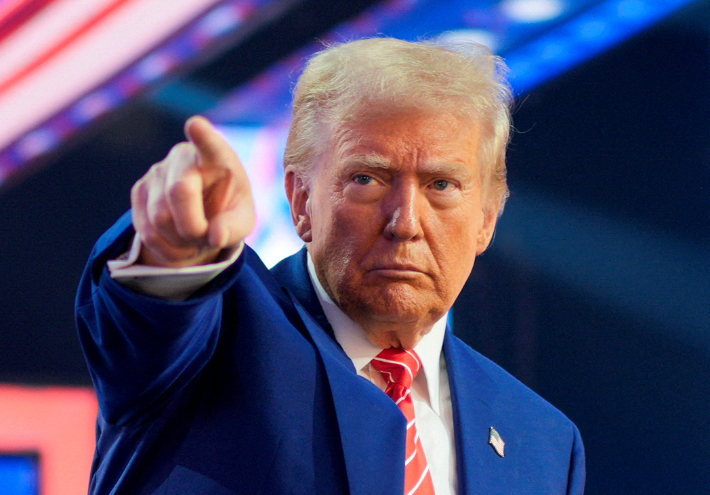
Trump’s Four-Stage Plan and Steering Iran into a Suicide Cycle
The Trump administration’s Iran campaign was designed as a four‑stage roadmap. Stage one: airstrikes on nuclear facilities to halt Tehran’s nuclear timeline. Stage two: strikes to degrade missile and naval forces and strip Iran’s ability to retaliate. Stage three: a decapitation operation aimed at removing Khamenei. Stage four: oversee regime collapse and help install pro‑U.S. authorities.
According to the account, U.S. planners deliberately nudged Tehran toward desperate strikes. B‑2 bunker‑busters were used selectively, leaving some underground facilities intact to bait Iranian counterattacks. U.S. forces reportedly relaxed certain defensive layers to force Iran to deplete its inventories, operating on the calculus that “if they destroy themselves, it ends sooner.”
Secretary of State Marco Rubio called Iran’s suicide strikes “self‑damaging” and signaled an immediate declaration of hostilities’ end once operational goals are met. Trump has publicly urged Iranians to overthrow their government, amplifying internal pressure on the regime.
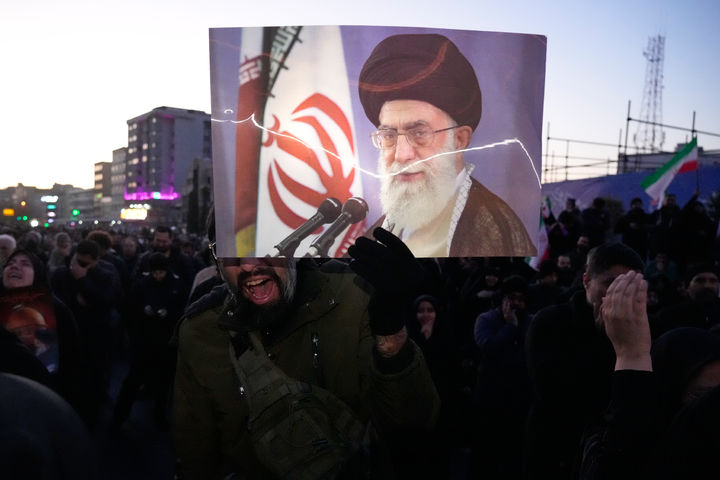
Regime Change in Iran and a Remade Middle East
Trump’s stated ultimate objective is regime change in Tehran. Striking nuclear sites provides the public rationale, but the broader goal is dismantling the Islamic Republic after decades of antagonism. The plan envisions removing Khamenei and paving the way for pro‑U.S. military leadership and democratic figures, followed by an “Abraham Accords 2.0” with Saudi Arabia, the UAE and Israel.
U.S. control of the Persian Gulf would give Washington influence over roughly 30 percent of Middle Eastern oil flows and a strategic platform to check Russia and China. Planners foresee rebuilding Iran—leveraging its roughly 85 million people and vast natural‑gas reserves—into a new energy hub. Trump has pledged $5 trillion in reconstruction funds and is courting European and South Korean firms to participate.
The campaign also targets Iran’s proxies in Syria and Yemen for simultaneous neutralization, aiming to break the region’s anti‑U.S. axis. With Israel’s security assured, the administration envisions a Gulf security framework modeled on NATO that binds GCC states under a U.S.‑led umbrella.
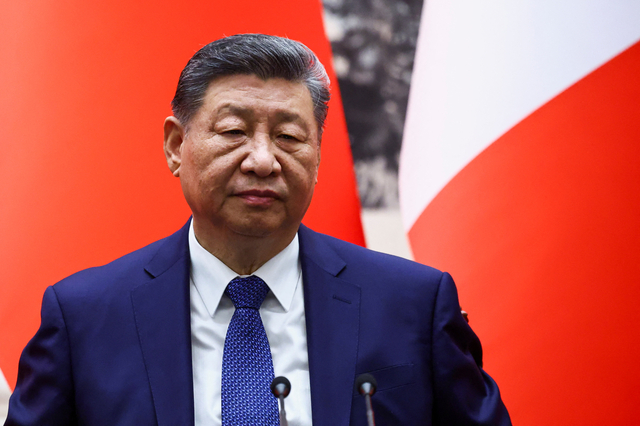
Cutting Off China’s Belt and Road
An Iranian defeat could severely damage China’s Belt and Road Initiative. U.S. control of the Strait of Hormuz could choke off roughly half of China’s oil imports and reduce Pakistan’s Gwadar port to marginal status. Key Central Asian pipelines and rail corridors would fall under U.S. military influence.
China’s Commerce Ministry reportedly estimates up to $2 trillion in trade routes could be disrupted, undermining Xi Jinping’s state‑led growth strategy. Coupled with Russian setbacks in Ukraine, Beijing risks diplomatic isolation. The Trump administration frames the Iran campaign as a pillar of a broader Indo‑Pacific strategy.
Washington would push any coercive scenario across the Taiwan Strait beyond 2035 while tightening a ring of integrated air defenses with South Korea, Japan and Australia. A decisive international ruling against China’s nine‑dash line in the South China Sea would further weaken Beijing’s regional ambitions.
Reshaping Global Energy Dominance
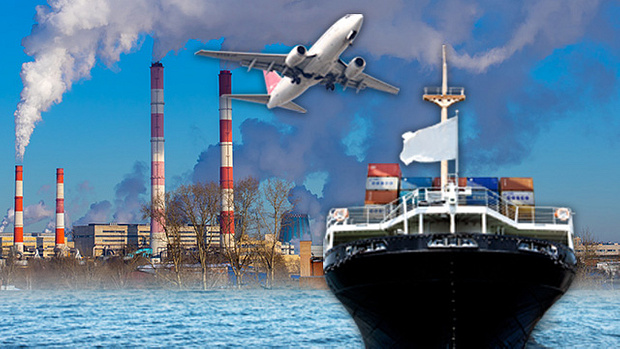
With oil spiking to about $160 a barrel after Iran’s strikes, Trump’s team has pitched a “new energy order.” The approach calls for boosting U.S. shale output and encouraging higher Saudi and UAE production to push prices back toward the $70 range, while accelerating Europe’s shift from Russian pipeline gas to LNG.
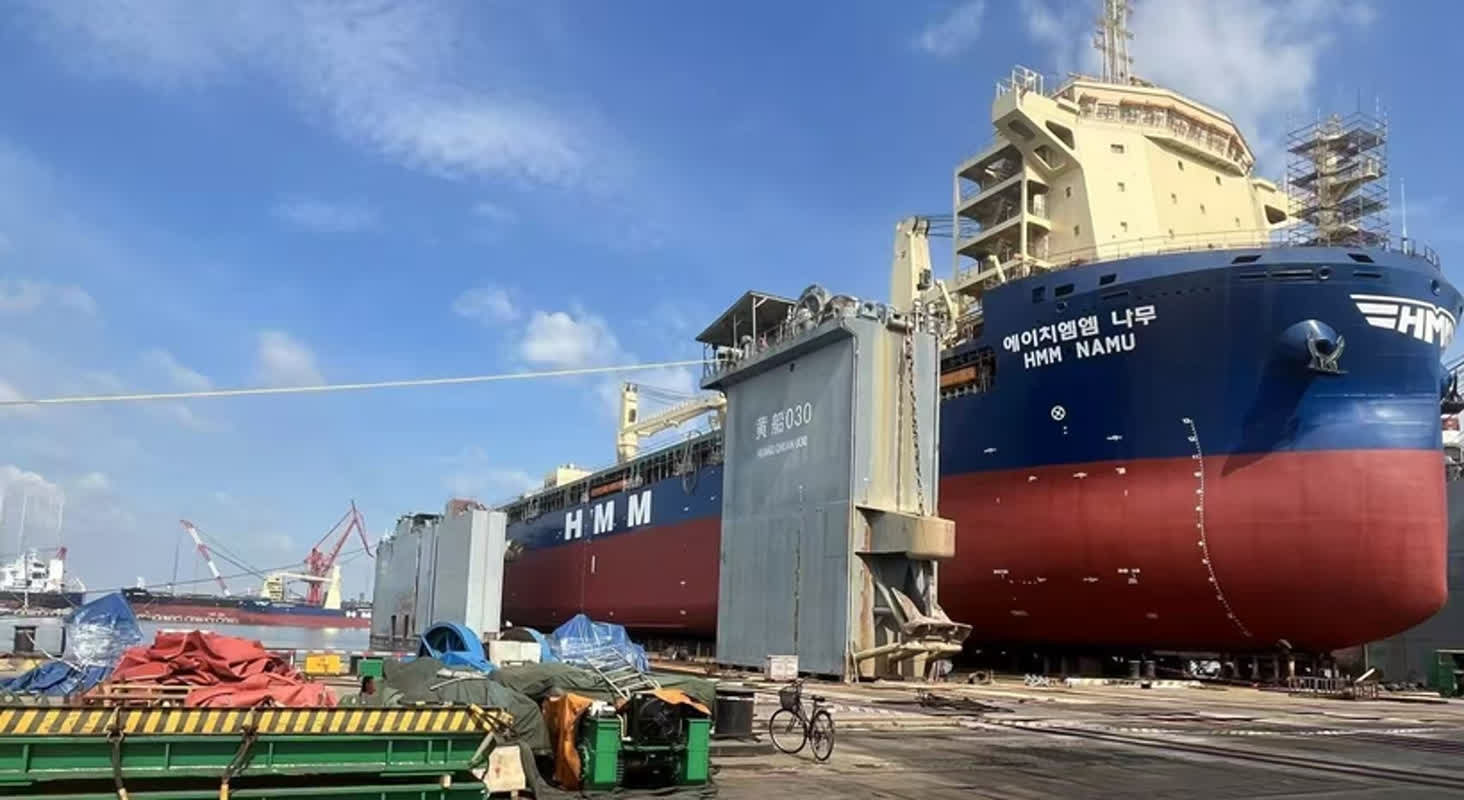
U.S. companies would get priority access to Iran’s reconstruction contracts. South Korea’s Cheongung‑II air‑defense system and K2 Black Panther tanks—tested in Middle Eastern conditions—would play roles protecting energy infrastructure. Iraq’s roughly 9 trillion KRW weapons deal (about $6.75 billion) exemplifies South Korea’s gains, which analysts estimate at roughly 60 percent of the regional defense market.
China’s reported $1 trillion in Belt and Road capital could evaporate, reinforcing the dollar’s dominance in oil markets well into the 21st century. In this narrative, the Iran conflict becomes a case study in how energy can be weaponized to secure long‑term geopolitical advantage.
Domestic Politics and a 2028 Re‑Election Strategy
The strikes also have significant domestic political implications for Trump’s camp. Supporters argue that overseas deployments could lower unemployment to around 2.5 percent and lift defense stocks by roughly 40 percent, shoring up support in the Rust Belt and building momentum for a 2028 reelection bid under an “America First” banner.
By framing the conflict as forced by Iran’s actions, the administration could blunt antiwar sentiment and smooth congressional approval for war funding. Trump aims to brand an Iranian defeat as his signature “Trump Deal” and a defining historical achievement.
Resolving Europe’s energy shortfall would let Washington steer NATO’s reorientation while boosting allied economies through arms sales to partners such as South Korea, Poland and Australia. In this framing, the Iran campaign is not merely a military operation but a comprehensive strategy to restore U.S. global influence.
A Golden Era for South Korea’s Defense Industry
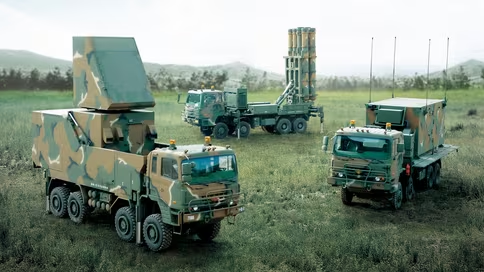
The conflict represents a potential turning point for South Korea’s defense sector. Reported battlefield results—Cheongung‑II’s claimed 96 percent interception rate, the K30 Biho system’s success against drone swarms, and the K2 Black Panther’s desert mobility—have helped push South Korean defense exports past 50 trillion KRW (about $37.5 billion).
Iraq’s roughly 9 trillion KRW contract, along with deals in the UAE and Saudi Arabia, have positioned South Korea to capture an estimated 70 percent of the region’s air‑defense and armored‑vehicle markets. Additional agreements with Poland, Australia and Norway are reportedly in the pipeline. The administration has elevated South Korea to a priority Indo‑Pacific partner and a core element of a Quad‑Plus security architecture.
For proponents, the Iran conflict symbolizes a geopolitical reset that advances U.S. strategic aims and accelerates South Korea’s rise as a major defense exporter. A war that began with suicide strikes is, in this narrative, rewriting the rules of the international order.