Even as U.S. and Iranian delegations negotiate a cease-fire, fighting between Israel and Hezbollah shows no sign of stopping. Analysts describe a growing two-front dynamic, with diplomacy and combat unfolding simultaneously.
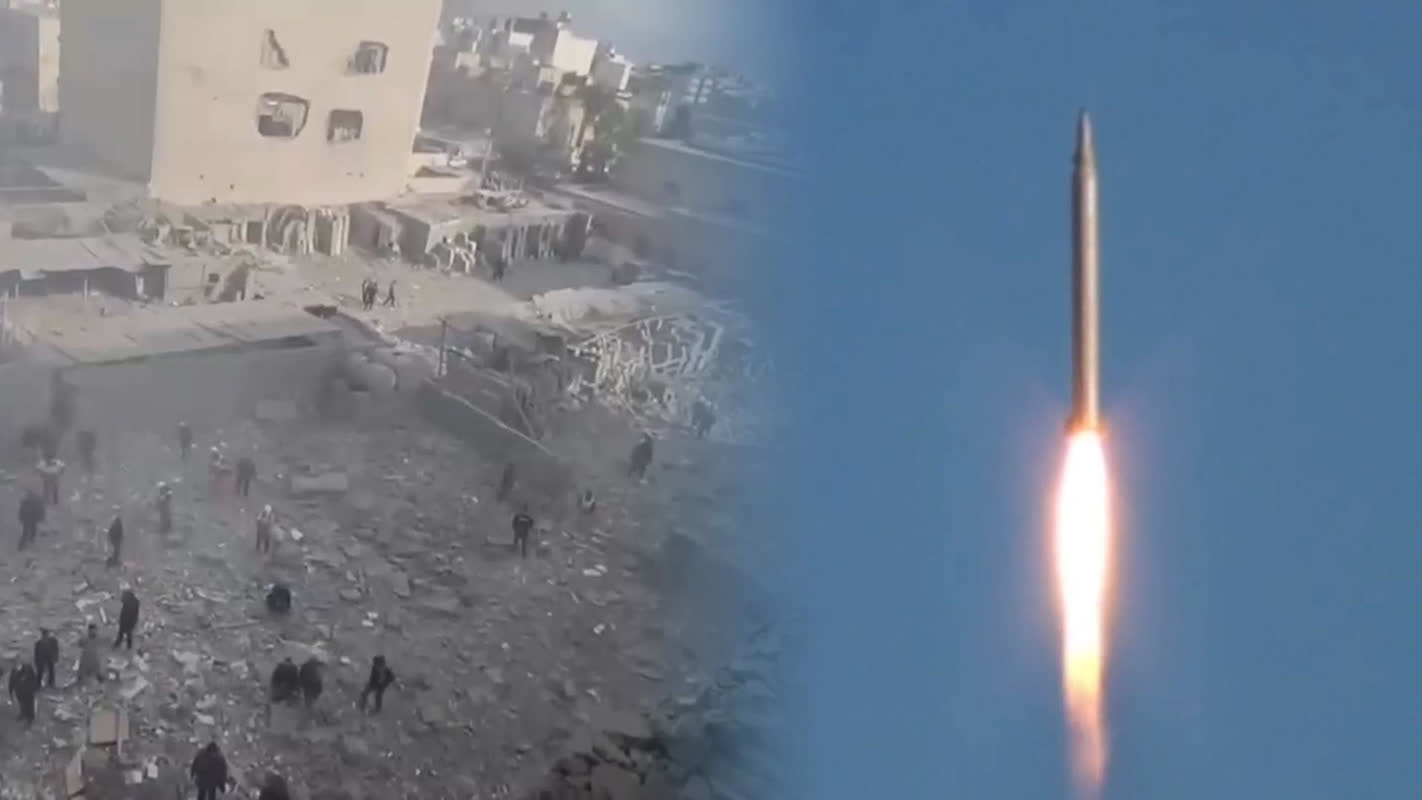
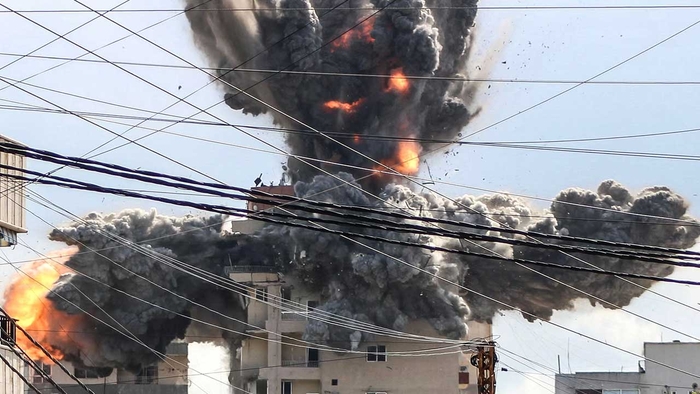
On April 11 local time, while U.S. and Iranian representatives met in Pakistan to discuss a cease-fire plan, the Israeli military pressed airstrikes in southern Lebanon. AFP quoted Lebanon’s Health Ministry as saying the strikes killed at least 10 people that day.
State-run NNA reported four deaths in the Nabatieh village of Kfar Sir and three deaths each in the nearby villages of Jefta and Toul. The Israeli military said the strikes targeted Hezbollah rocket-launch sites and other facilities to continue countering threats to Israel.
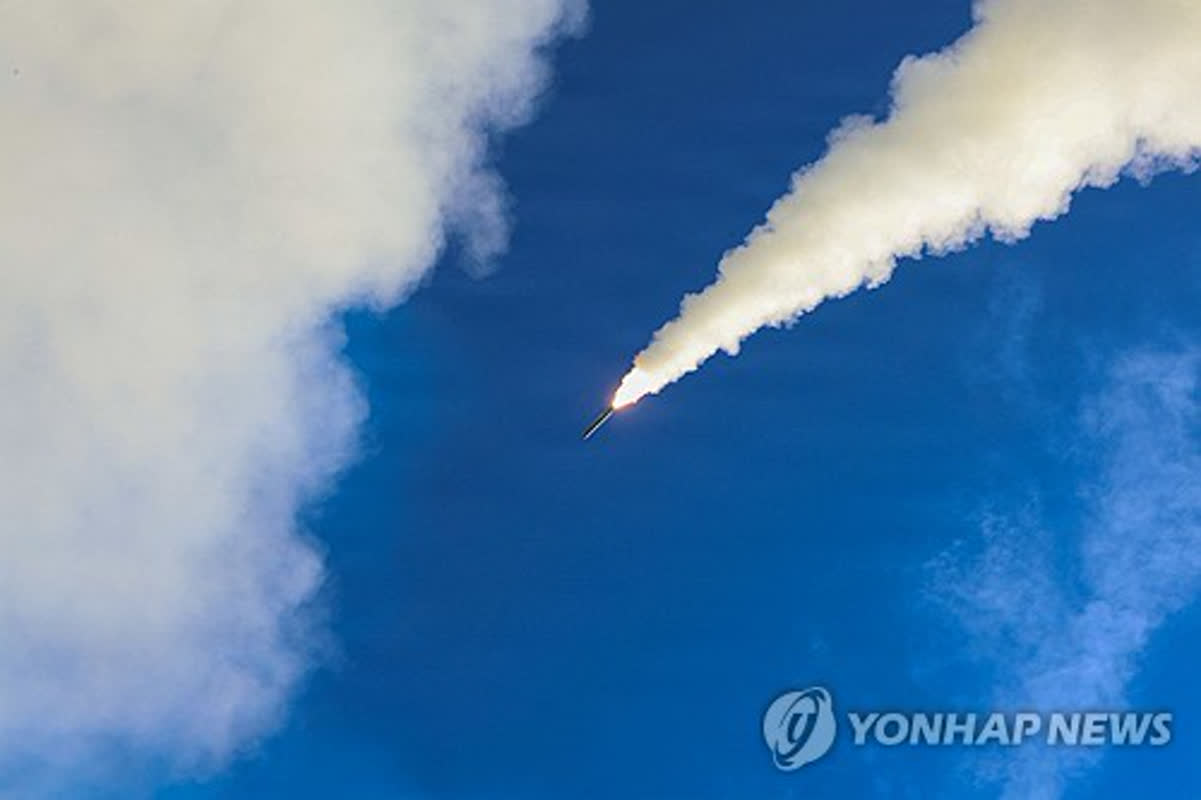
Hezbollah said it struck back immediately. The group claimed to have used drones and missiles against Israeli military facilities in the Admite settlement and the Metula area, and said it hit a tank stationed at Odaise along the northern border.
On April 8, the U.S. and Iran announced a two-week cease-fire, but that arrangement only limits direct clashes between the two countries and does not apply to the Israel-Lebanon front. Tensions in fact spiked that same day after Israeli airstrikes on Beirut reportedly killed 357 people in a single day.
Iran has made a cease-fire in Lebanon a precondition for further talks, and observers say any progress will depend on whether escalation along the Israel–Hezbollah front can be contained.
By Sang-mok Lee