「Featuring: Jo Han-beom, Distinguished Research Fellow at the Institute for Unification · Kim Young-mok, former ambassador to Iran」
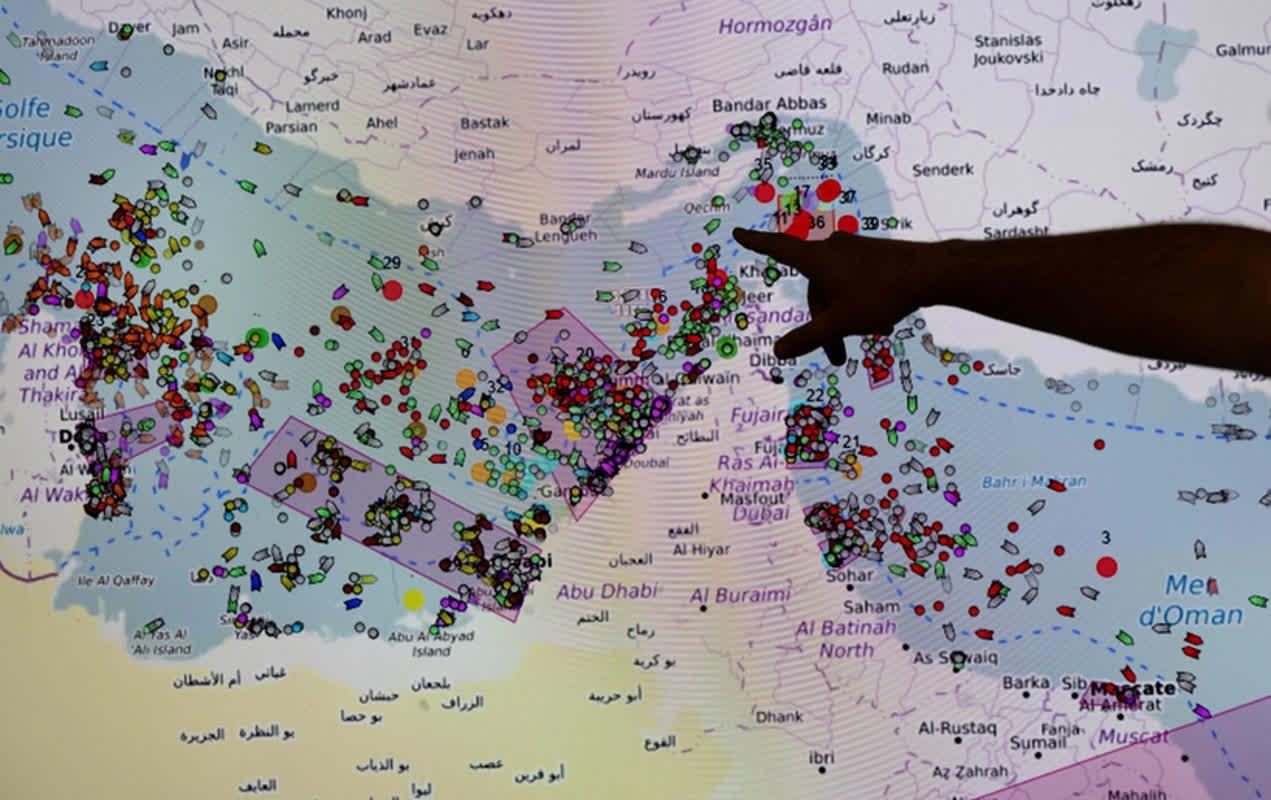
All eyes are on Kharg Island, Iran’s key oil-export hub, after U.S. forces struck what they say were exclusively military facilities there.
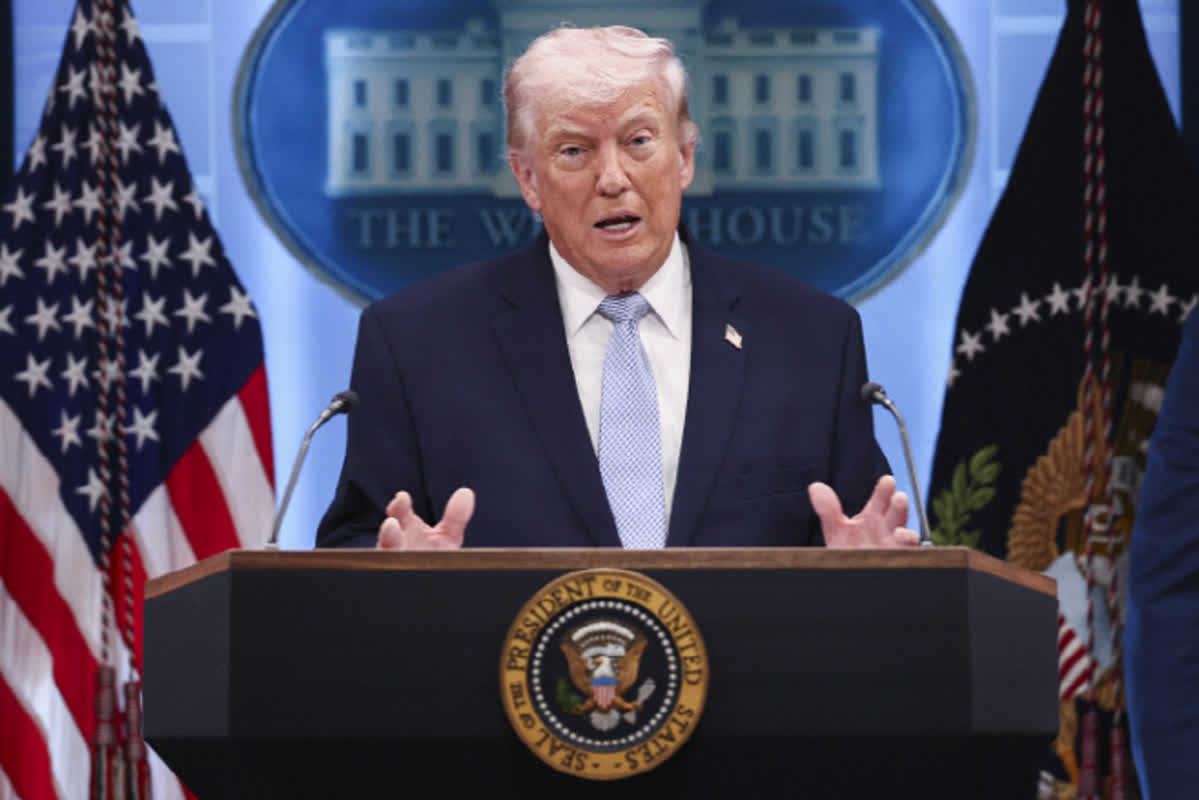
Meanwhile, President Trump has signaled a willingness to engage with Kim Jong Un, and North Korea launched multiple ballistic missiles today — a move that raises questions about the timing and intent.
We discuss these developments with our two guests.
Welcome, Jo Han-beom, Distinguished Research Fellow at the Institute for Unification, and Kim Young-mok, former ambassador to Iran.
「Question 1」 After the strikes on Kharg Island, President Trump declared that “Iran is completely defeated” and said Tehran may seek a deal but not one the U.S. would accept. Many see this as part of a public messaging campaign. Given Iran’s rhetoric about fighting to the end, do you see any signs of back-channel negotiations happening behind the scenes?
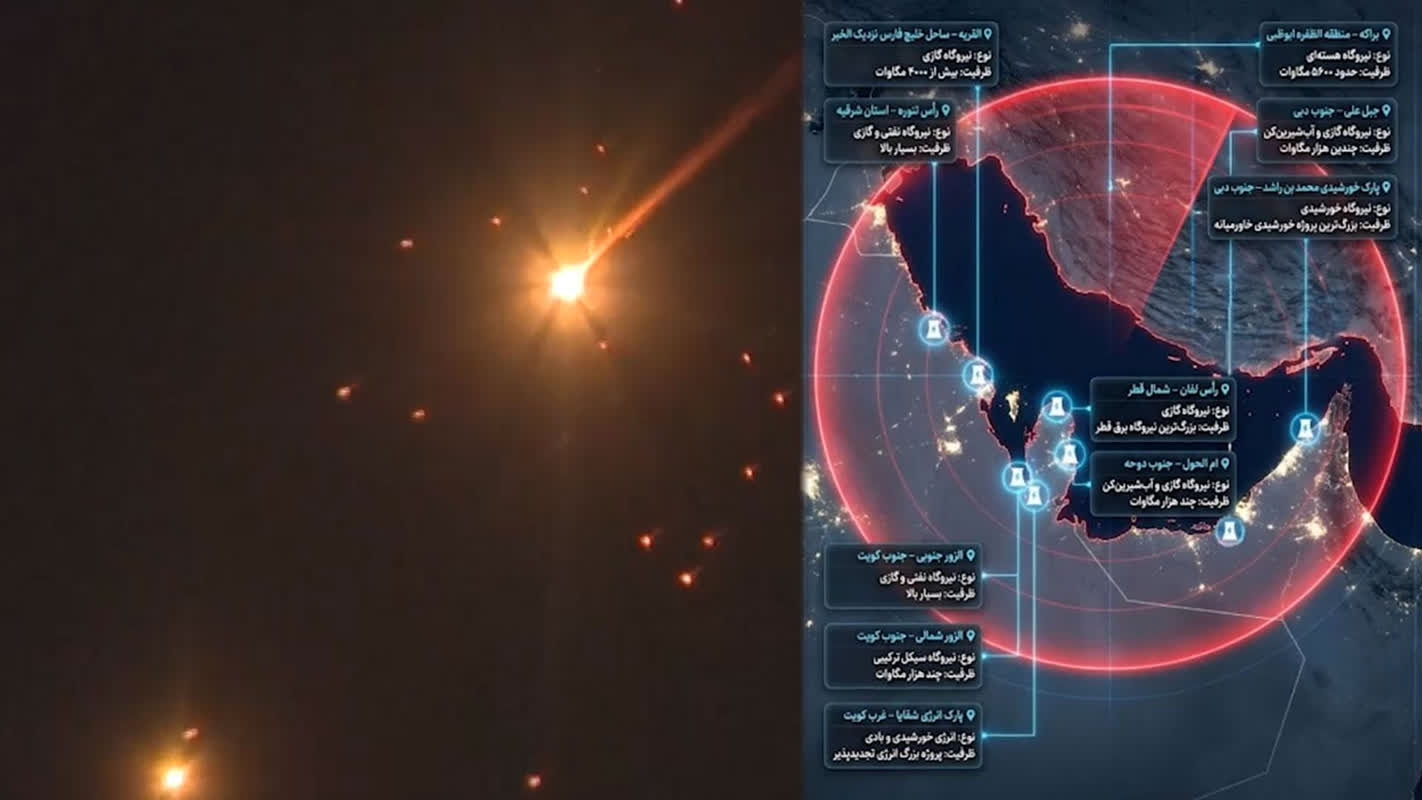
「Question 2」 Threats that Iran would retaliate against U.S.-related facilities across the Middle East were not just rhetoric. A missile struck and exploded on a helipad inside the U.S. embassy compound in Baghdad — legally considered U.S. territory. Depending on who carried out the strike, the risk of wider escalation grows. Could such attacks be used to increase Iran’s diplomatic leverage?
「Question 3」 Iran’s new supreme leader, Moztaba Hameinei, has vowed a hard-line response against the United States and Israel. Tehran has continued attacks on tankers near the Strait of Hormuz, and oil markets reacted immediately. Is a closure of the strait Tehran’s last card to shake the global economy?
「Question 3-1」 The U.S. defense secretary publicly questioned the new leader’s condition, saying Moztaba appears physically compromised. Based on what’s known, can he effectively command military operations now?
「Question 3-2」 The U.S. State Department announced rewards for information on senior Iranian figures, including Moztaba — up to $10 million (roughly 13.33 billion KRW). What is the strategic purpose of that move?
「Question 4」 With the strait effectively disrupted for nearly two weeks, reports say Iran is considering allowing tankers that pay in yuan to pass. Analysts view that as an effort to deepen economic ties with China and strike directly at the U.S.-led dollar order. How realistic is this option, and what would be its likely impact?
「Question 5」 Iran’s strikes have even reached Dubai, denting its reputation as a global financial and tourism hub. Investor and expatriate anxiety is rising, with some seeking to move assets and others pausing property transactions. Could the United Arab Emirates play an active mediating role to broker a cease-fire?
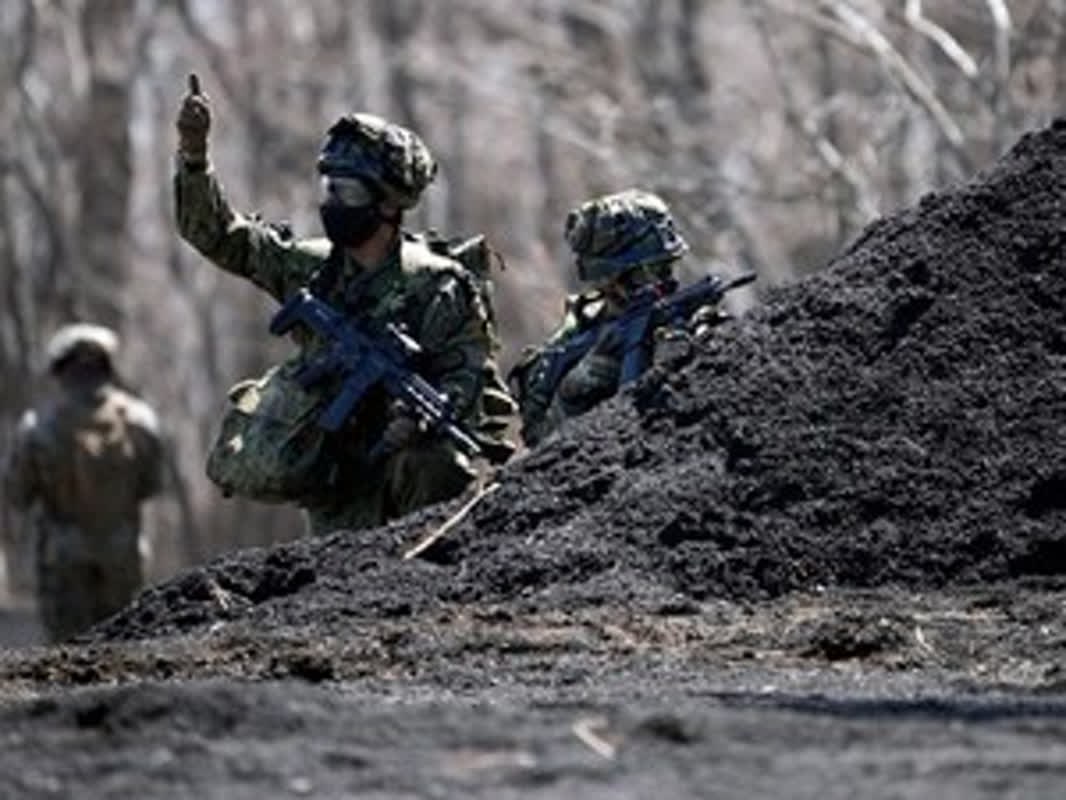
「Question 6」 Some analysts warn the Iran war could weaken U.S. influence in the Indo-Pacific. Patriot and THAAD interceptors from U.S. Forces Korea have been redeployed to the Middle East, carrier strike groups and Australian forces once operating in the South China Sea are now supporting Middle East missions, and U.S. forces based in Japan could also be sent. Do these movements create meaningful capability gaps in the Indo-Pacific theater?
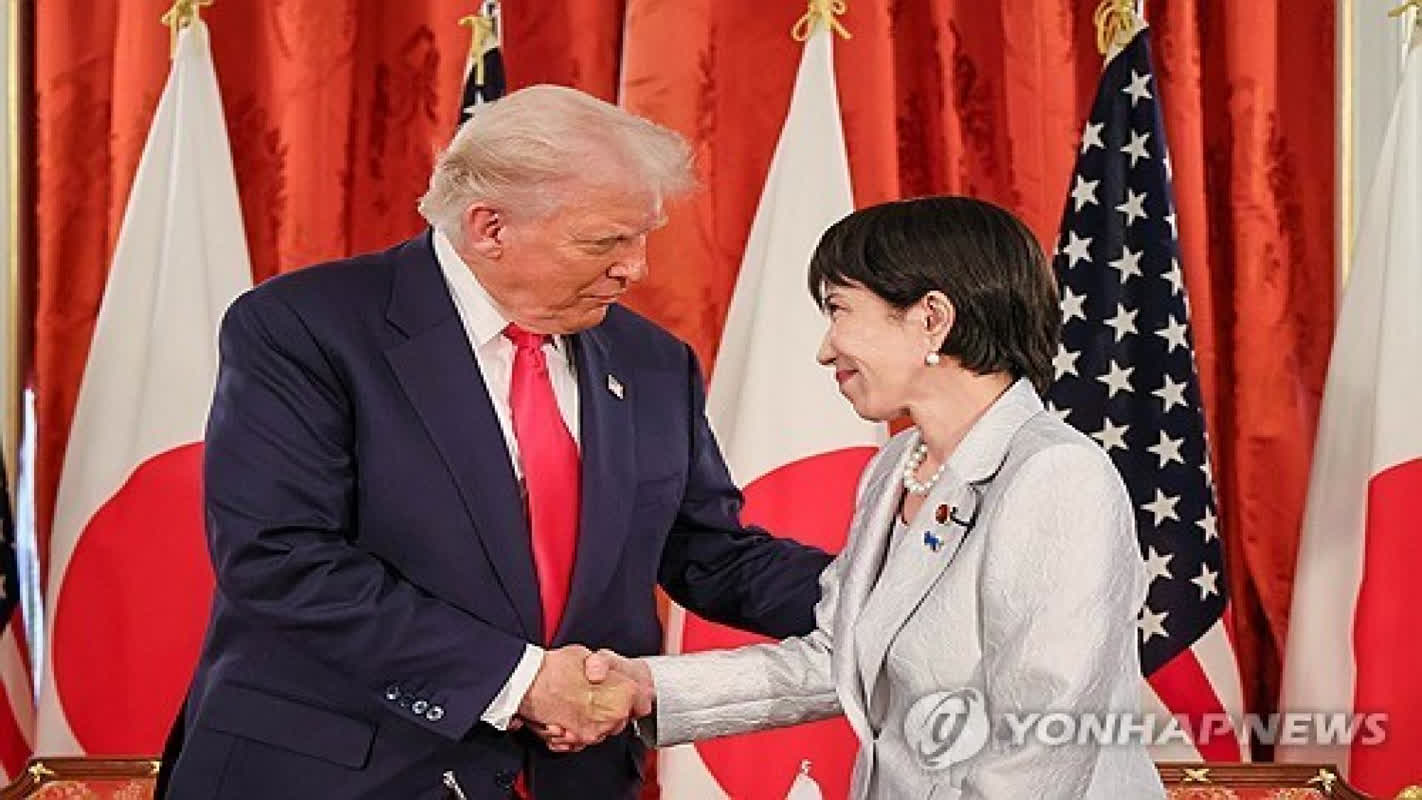
「Question 7」 North Korea’s activity is also notable. Today Pyongyang fired about 10 projectiles, likely ballistic missiles, into the East Sea. While such launches often respond to U.S.-South Korea exercises, the timing — coming after President Trump, via South Korea’s prime minister, signaled willingness to resume talks — draws extra scrutiny. How do you interpret these launches?
「Question 8」 With President Trump’s China visit just two weeks away, speculation is mounting that an unexpected Trump–Kim meeting could be arranged. But the international and domestic landscapes are very different from 2017, when exchanges of threats were routine. How plausible is a summit at this point?
「Question 9」 Iran, which has not abandoned its nuclear ambitions, is recalibrating its strategy as it faces direct U.S. strikes. The U.S. publicly maintains its policy toward North Korea will not change, yet Pyongyang — already believed to possess nuclear weapons — is surely watching closely. How might North Korea be interpreting these developments?
For Yonhap News TV story inquiries and tips: KakaoTalk/Line jebo23
Yeonhee Yoo (rjs1027@yna.co.kr)