[Anchor]
U.S. and allied analysts say Iran has accumulated a sizable missile inventory and could sustain attacks for several more weeks.
The involvement of Yemen’s Houthi movement has raised concerns about wider escalation across the region.
Chaerin Ahn reports.
[Reporter]
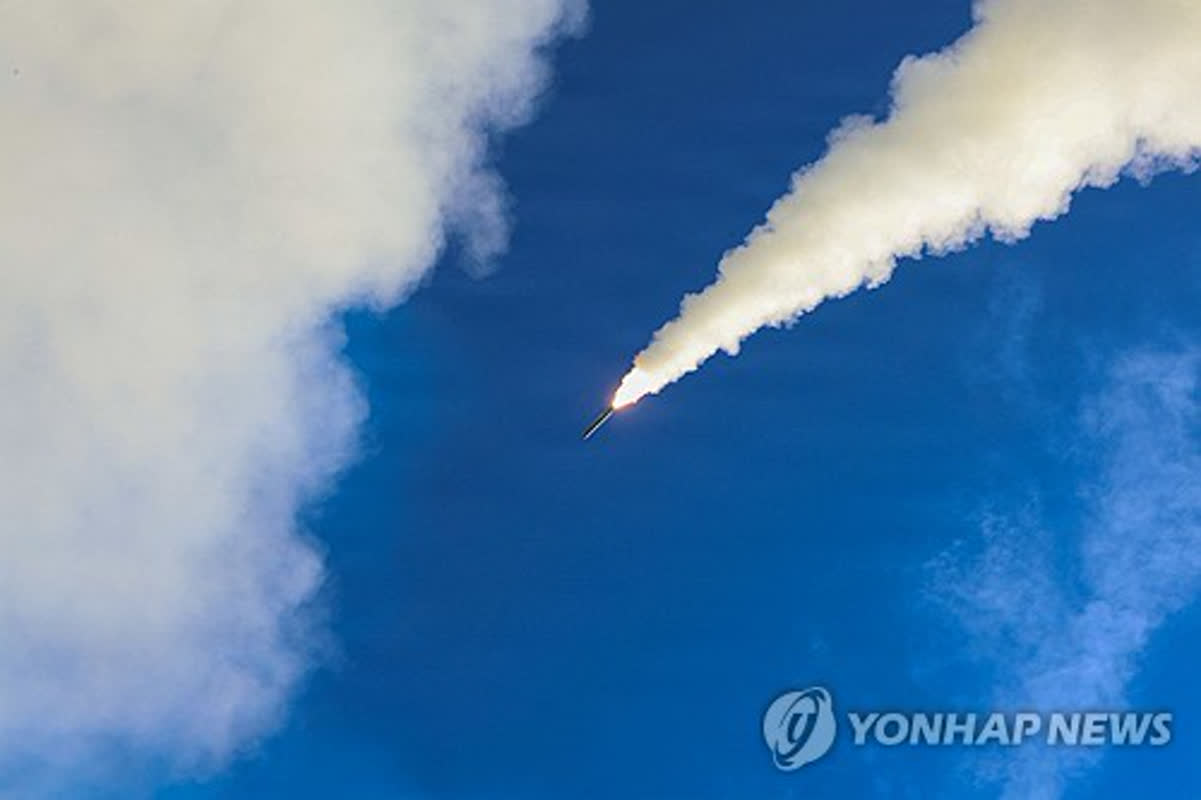
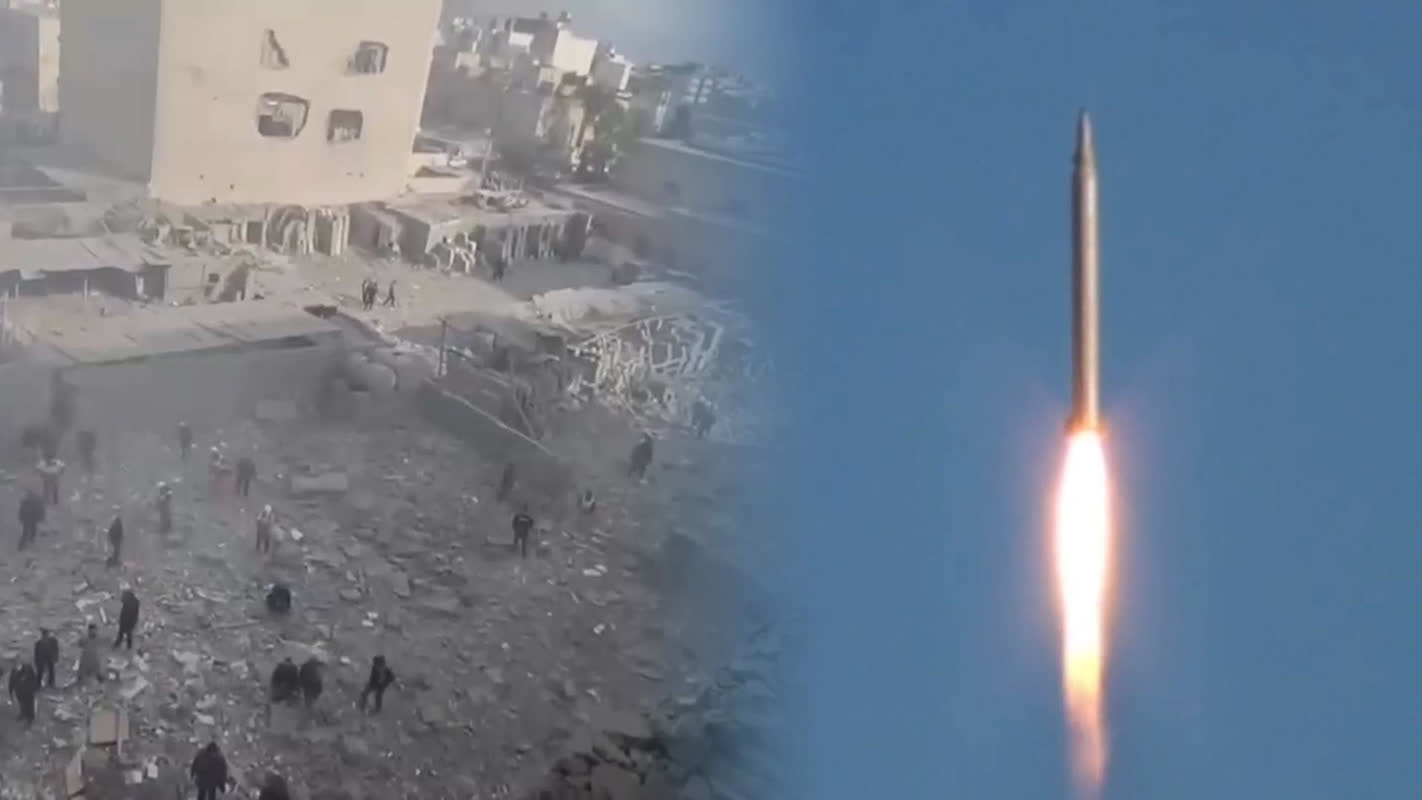
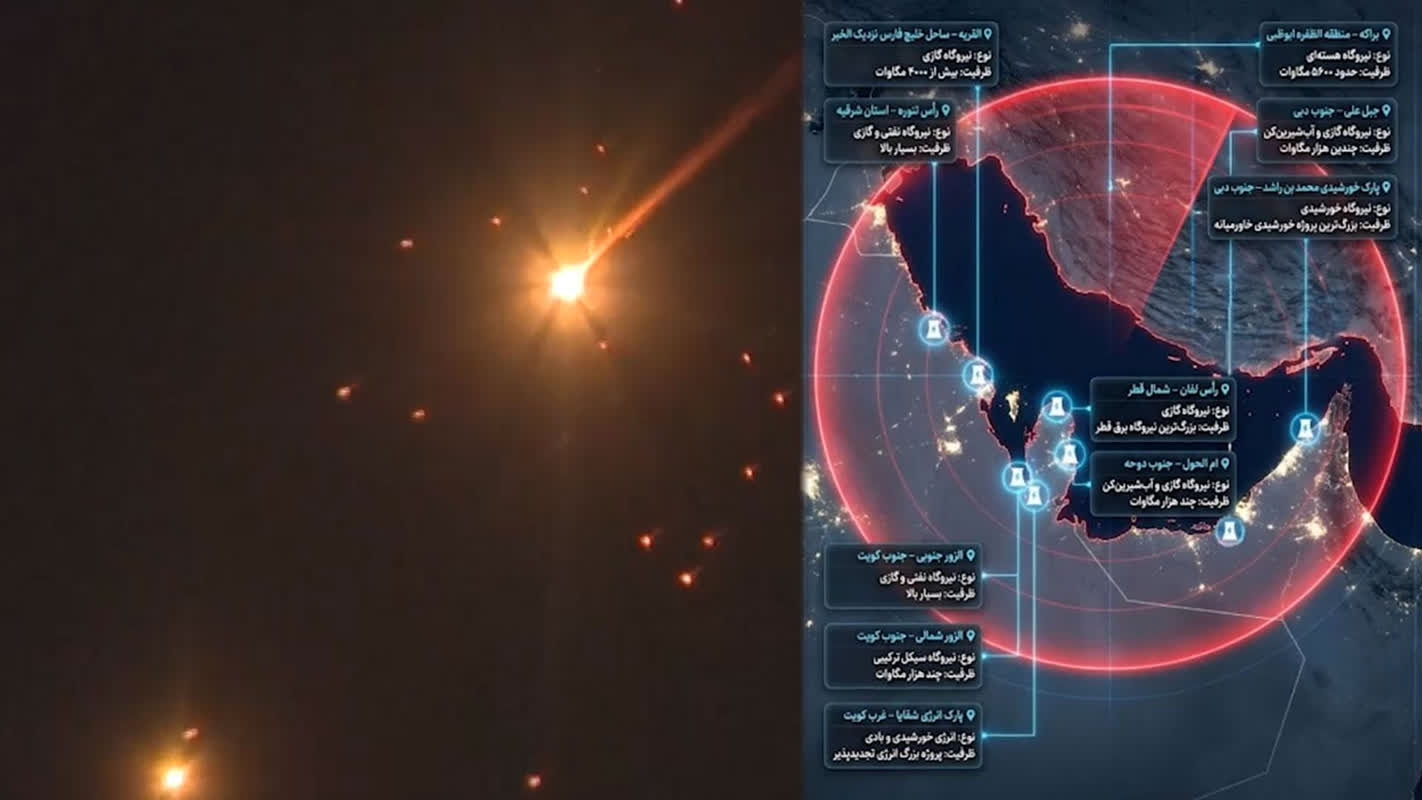
After more than a month of conflict, Iran appears to have scaled back the large, sustained missile barrages it launched earlier.
U.S. and Israeli strikes have degraded parts of Iran’s military infrastructure, and military analysts say the pace of missile launches has dropped noticeably.
Other analysts, however, argue Tehran is deliberately conserving stockpiles to prepare for a protracted campaign.
Rather than mounting mass strikes, Iran seems to be shifting to a strategy of endurance — preserving munitions to maintain pressure on the United States over the long term.
An analyst at Israel’s Institute for National Security Studies (INSS) warned that, at the current rate, Iran could continue limited attacks for several weeks.
Some assessments indicate that if Iran keeps up its present launch tempo, it has enough missiles to sustain attacks for one to two weeks.
Reuters, noting a contrast with former President Trump’s claim that Iran’s missile stocks were nearly exhausted, reported that U.S. strikes have destroyed roughly one-third of Iran’s missile forces.
Still, observers caution Iran’s weapons-production capacity is stretched, which would limit any rapid replenishment of stocks.
The entry of Iran’s proxy “Axis of Resistance” groups into the fight increases the risk of a longer, more complex conflict.
Within a day of joining the campaign, Yemen’s Houthi rebels launched a second combined missile-and-drone attack aimed at Israel.
Yahya Sarea, a Houthi spokesman, said, “We will continue military operations until the criminal enemies stop their attacks and aggression.”
The Houthis previously struck tankers in the Bab el-Mandeb Strait at the southern entrance to the Red Sea — a chokepoint that handles about 10% of global oil shipments — during the Gaza war.
If shipping through the Red Sea were to be disrupted after the Strait of Hormuz, the shock to global energy markets would be severe. Such a development could also draw Gulf states, including Saudi Arabia, deeper into the fighting and drive the crisis toward uncontrollable escalation.
Chaerin Ahn, Yonhap News TV.
[Video Edited by Park Chang-geun]
[Graphics: Kim Hyung-seo]
[News Review]
Yonhap News TV inquiries and tips: KakaoTalk/LINE jebo23
Chaerin Ahn (chaerin163@yna.co.kr)