[The Public=Reporter Yang Won-mo] Military tensions around the Strait of Hormuz, a vital Middle Eastern shipping lane, are escalating rapidly. Iran has effectively sealed the waterway, Thai and Japanese vessels have been attacked in quick succession, and the U.S. says it sank ships in response to Iranian mine-laying activity.
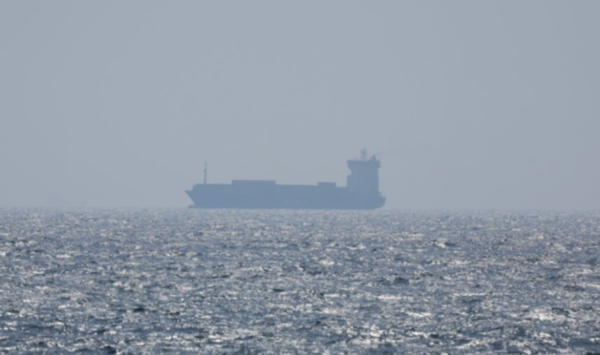
On the 11th (local time), the U.K. Maritime Trade Operations (UKMTO) reported that three merchant vessels near the Strait of Hormuz and off the coast of the United Arab Emirates were struck by unidentified projectiles. UKMTO has not confirmed whether these incidents were the same attacks reported on the Thai and Japanese ships.
The Islamic Revolutionary Guard Corps (IRGC) claimed responsibility for an attack on the Thailand-flagged freighter Mayuri Nari and announced an official blockade of the strait. The Mayuri Nari departed a UAE port and was attacked while transiting the channel; rescuers recovered 20 of the ship’s 23 crew, while three crew members remained aboard awaiting rescue.
That same day, Mitsui O.S.K. Lines’ cargo ship One Majesty suffered a roughly 10-centimeter hull breach. Crew aboard reported a loud explosion and later found damage to the stern; all personnel were reported safe. In nearby UAE waters, the Marshall Islands-flagged Star Guinness also sustained hull damage in an attack, but authorities said there were no injuries.
Reports also indicated Iran was preparing to sow mines in the Strait of Hormuz. U.S. media outlets reported Tehran is using small craft to deploy mines and may possess as many as 6,000 mines.
Former President Donald Trump warned that any mines Iran laid must be removed immediately and threatened severe military consequences if they were not. U.S. Central Command (CENTCOM) said it struck Iranian vessels near the strait, sinking multiple ships, including 16 mine-laying vessels.
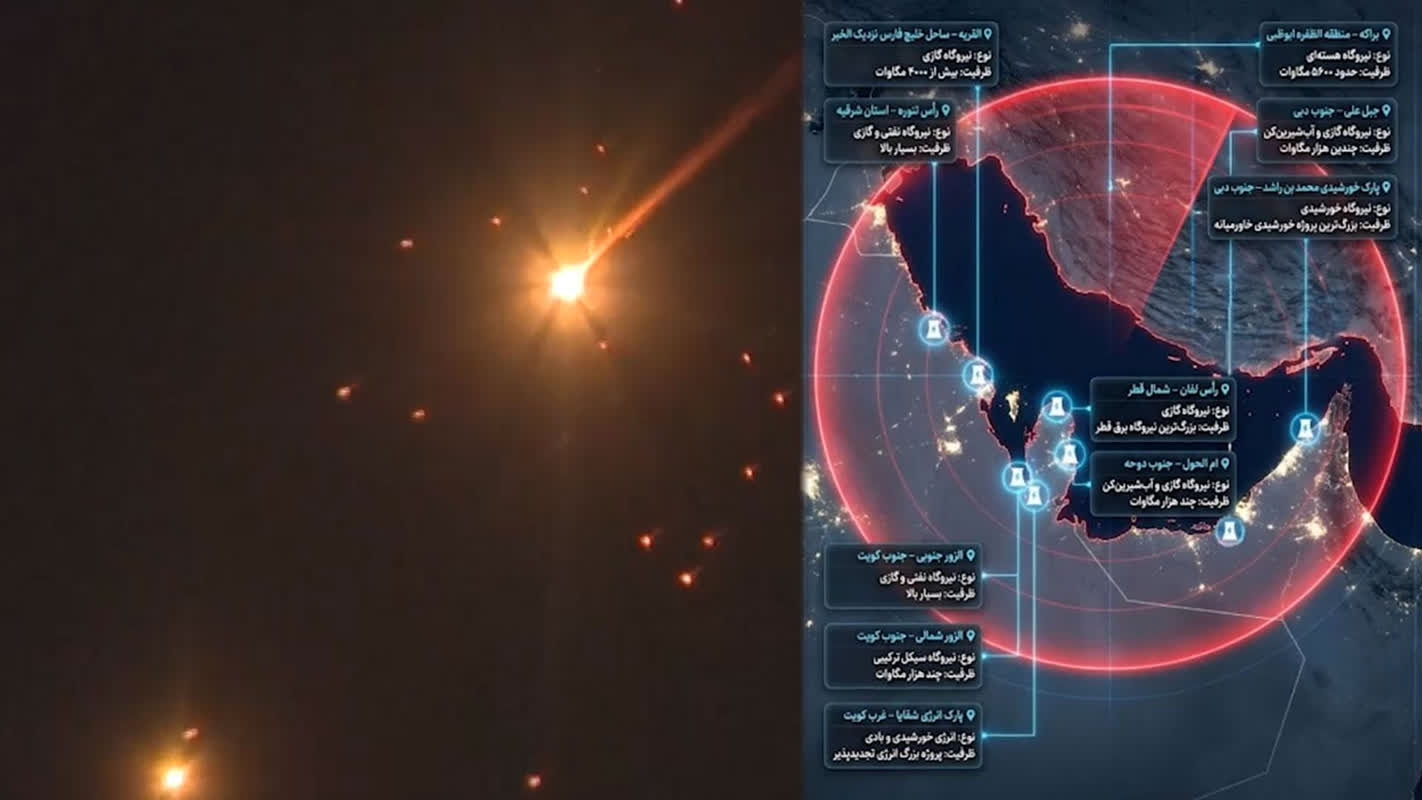
Iran has effectively sealed the Strait of Hormuz since U.S.-Israeli airstrikes at the end of last month. The IRGC warned that continued attacks could halt oil exports from the region entirely, saying not a single liter of oil would leave the Middle East.