The U.S., Israel and Iran entered the 31st day of hostilities. Despite reports of ceasefire negotiations, both sides continued to strike high-value targets.
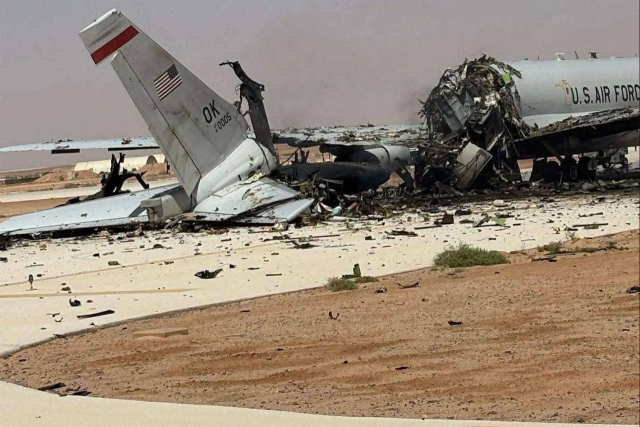
A key U.S. airborne early-warning platform — an Airborne Warning and Control System (AWACS) aircraft — was destroyed on the ground in an Iranian strike. Houthi rebels, whose actions risk disrupting passage through the Gulf of Yemen, carried out a second attack on Israeli targets.
On the 27th, foreign outlets reported that an Iranian strike heavily damaged the rear fuselage of a U.S. Air Force E-3 based at Prince Sultan Air Base in Saudi Arabia. At least 12 U.S. service members at the base were wounded. The AWACS is a critical capability — the Air Force fields only 16 — able to track roughly 600 targets and detect low-altitude objects up to about 320 km away.
Ukrainian President Volodymyr Zelenskyy told NBC News that Russian satellites likely recently photographed the Prince Sultan base and passed the imagery to Iran. U.S. officials say several bases have been struck, and critics contend that commanders did not install sufficient protective infrastructure, such as hardened shelters and reinforced hangars.
Israel and Iran continued to target one another’s strategic assets. Pro-Iran Houthi forces launched two drones toward Eilat, the Israeli city on the Red Sea coast.
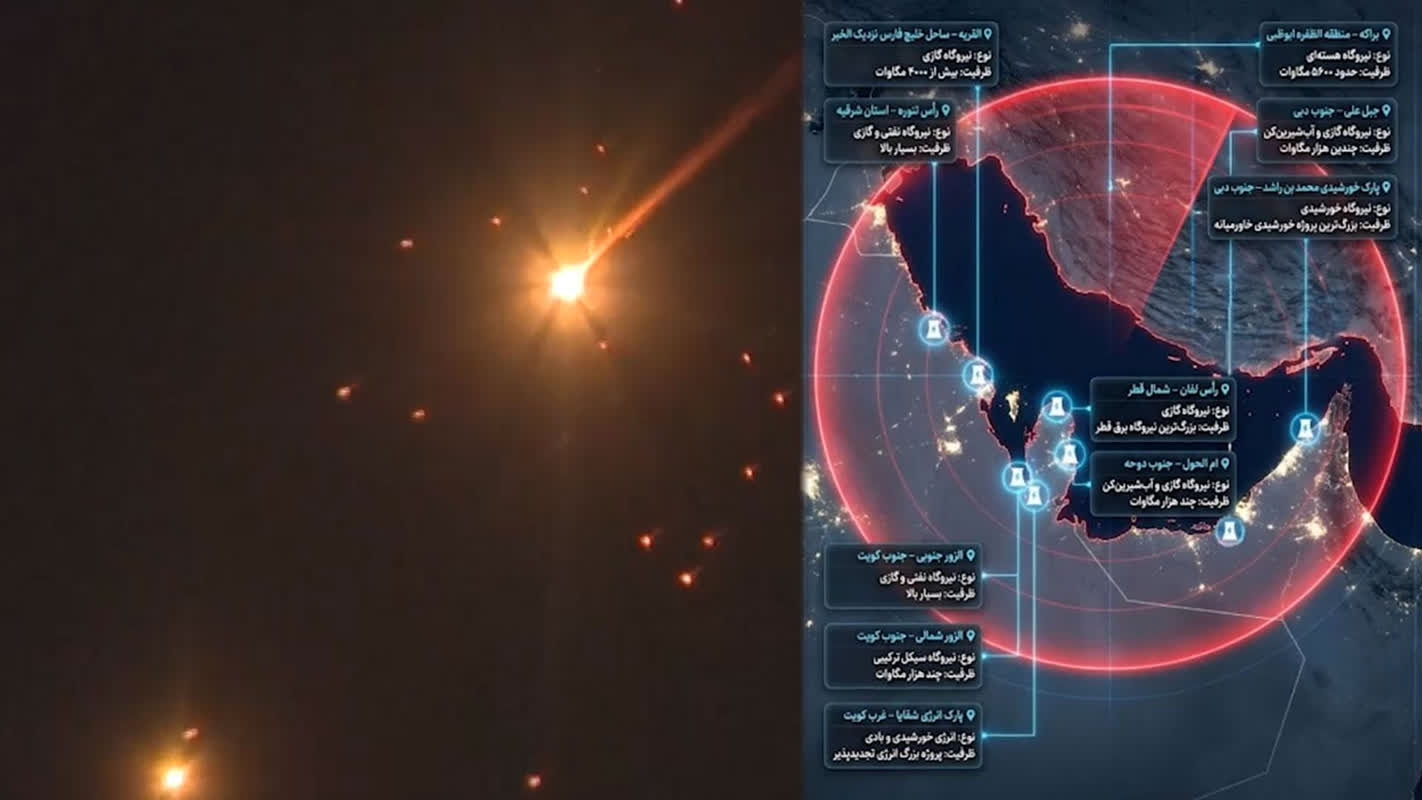
The Kuwaiti government reported that strikes on Iranian power and seawater desalination facilities killed one Indian worker.
An attack on the Neot Hovav industrial zone near Beersheba in southern Israel ignited a large fire at a chemical storage facility.
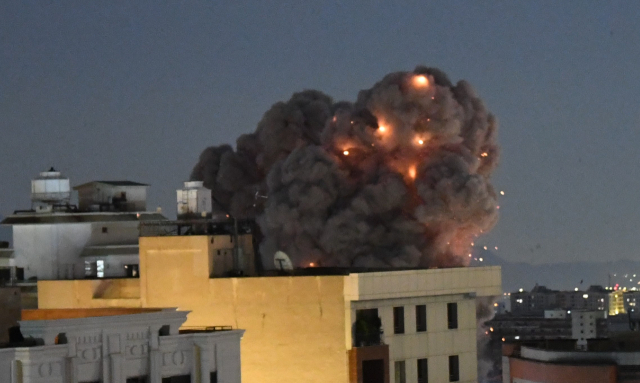
Israel said it carried out more than 140 airstrikes on Tehran and sites in central and southern Iran Sunday evening, striking ballistic missile launchers and storage depots. The Iranian government reported attacks on Tehran’s Mehrabad Airport and a petrochemical plant in the northern city of Tabriz.