Iran Publicly Reveals a Hardened Underground Weapons Tunnel
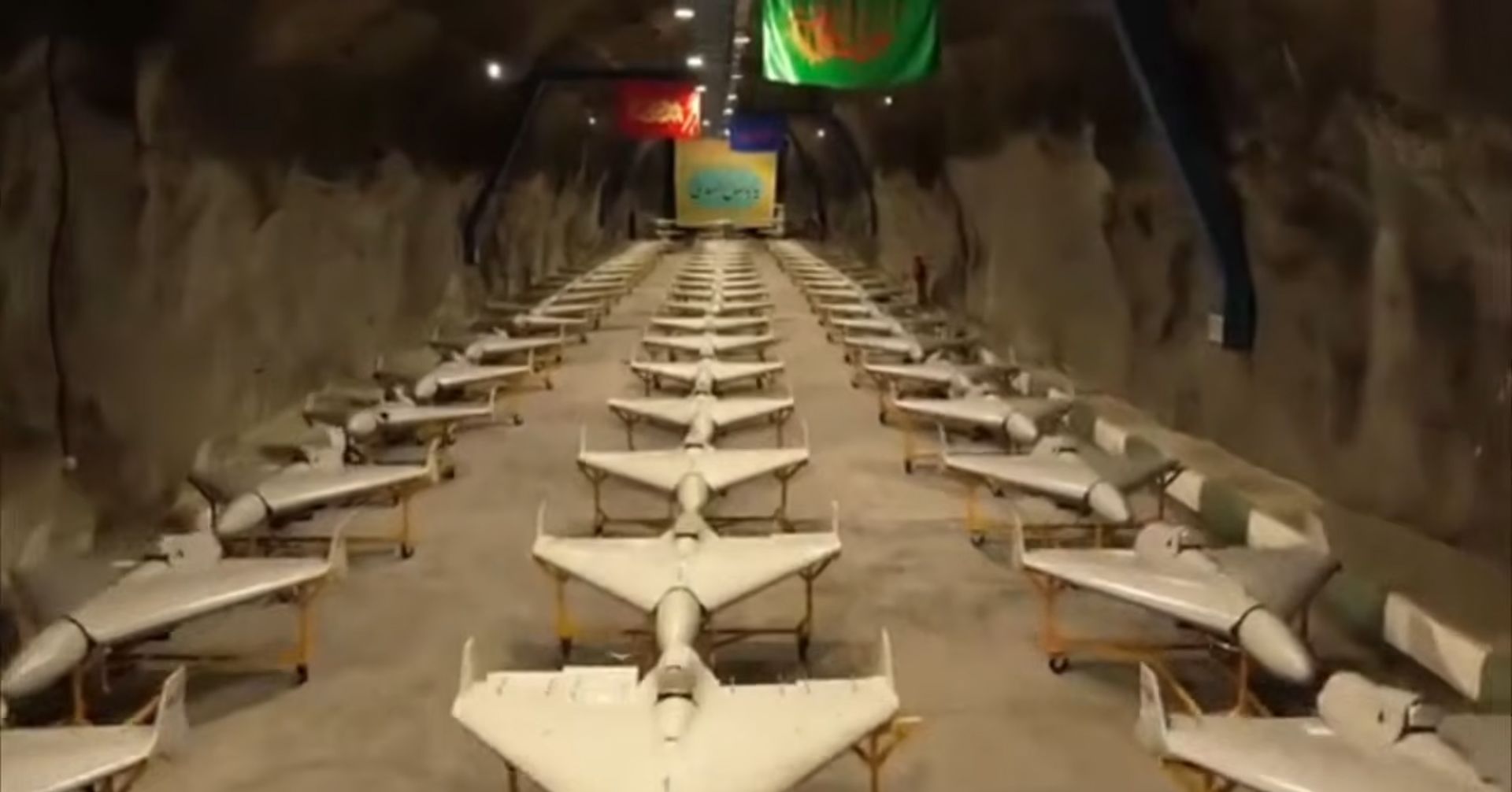
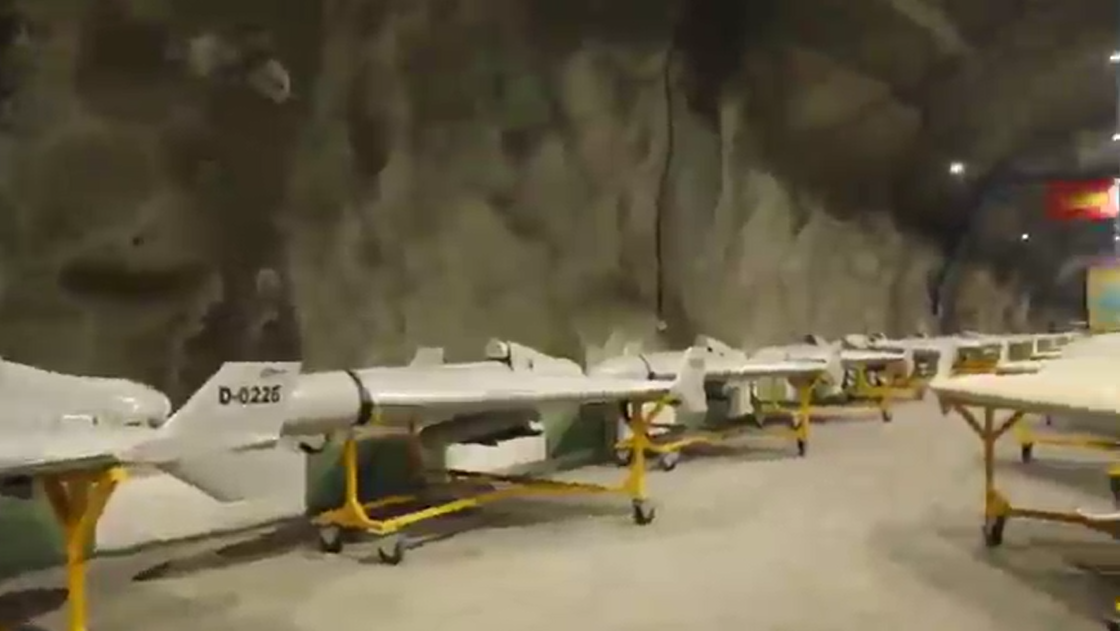
The Islamic Revolutionary Guard Corps aired footage of an underground tunnel on state television. Inside the seemingly endless passage, rows of hundreds of kamikaze drones and missiles stood packed shoulder to shoulder. The site lies deep in mountainous terrain, which limits the effectiveness of conventional air campaigns. By releasing the footage publicly, Tehran sought to demonstrate its battlefield endurance to the United States and Israel.
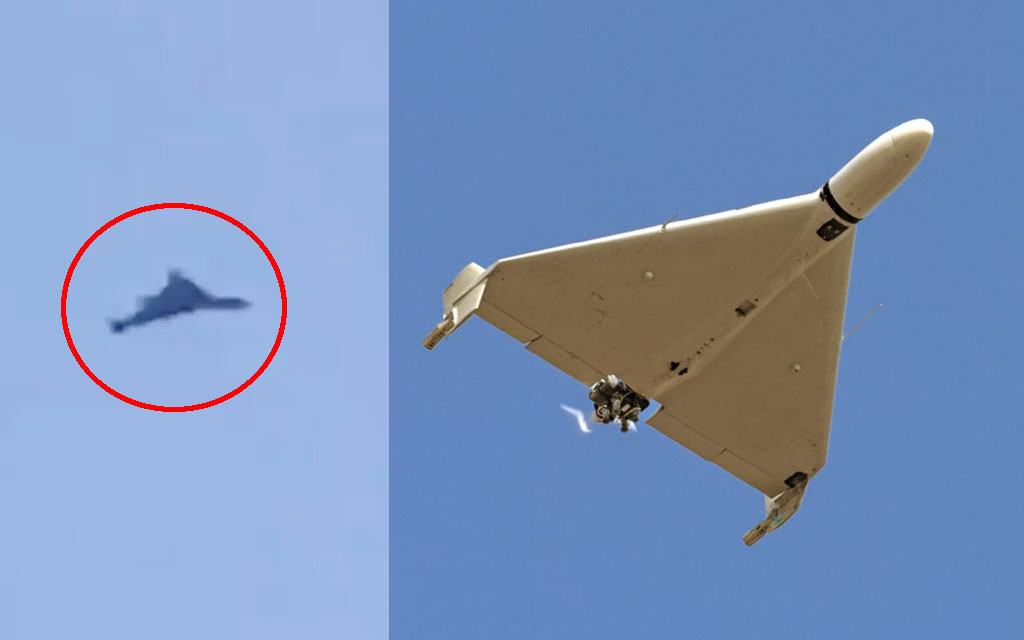
Iran draped national flags and a portrait of Supreme Leader Ali Khamenei along the tunnel walls, arranging the drones in launch-ready rows. Most are believed to be Shahid-136–type loitering munitions, cheap and easy to mass-produce. Tehran has already used similar drones to strike high-rise targets and military facilities in Gulf states. This disclosure functions not only as propaganda but as a tangible indicator of operational capacity.
Military analysts say the tunnel is part of a clandestine “drone city” Tehran developed over years as a hardened hub for mass launches. Iran’s decision to release the footage despite prior U.S. strikes signals confidence in its reserves. That raises the stakes for U.S. bases and allied forces in the region now within Tehran’s effective range.
U.S.-Israeli Strikes Sparked the Exchange; Iran Struck Back
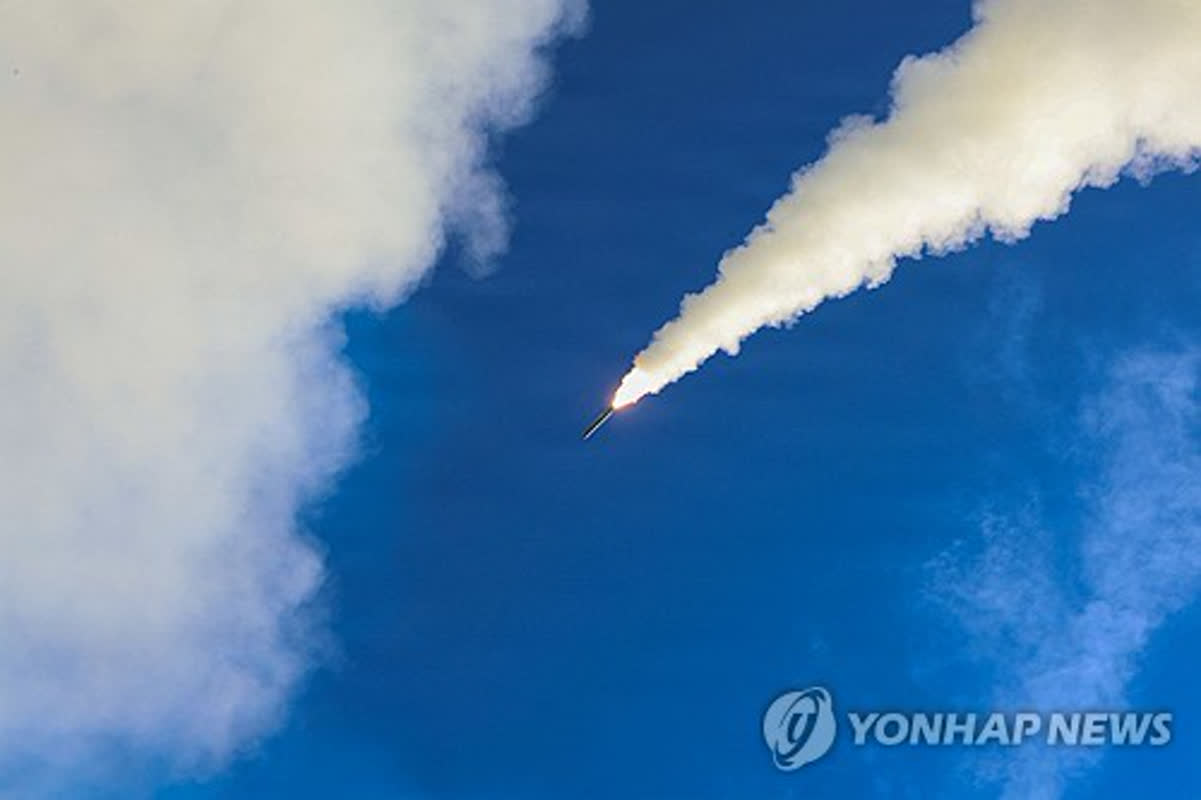
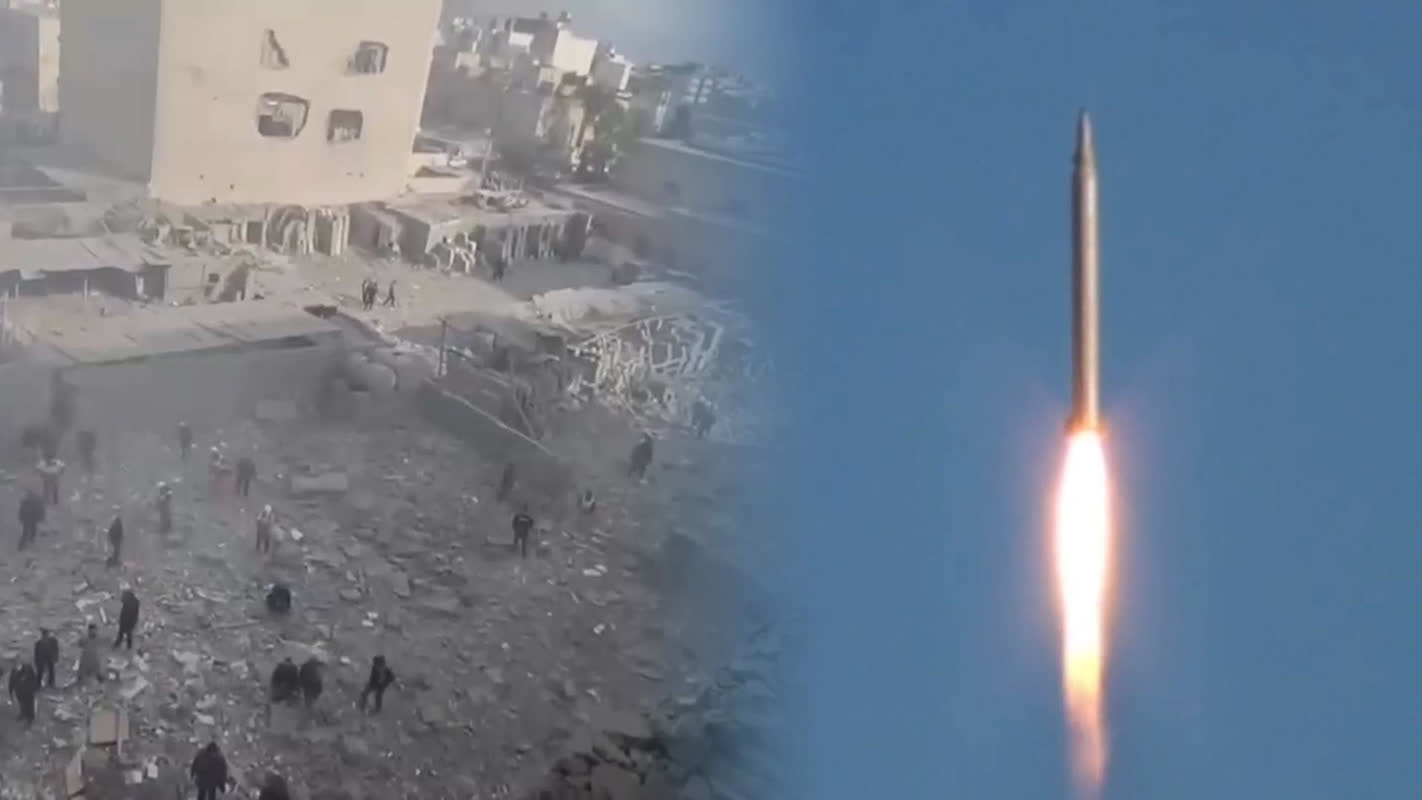
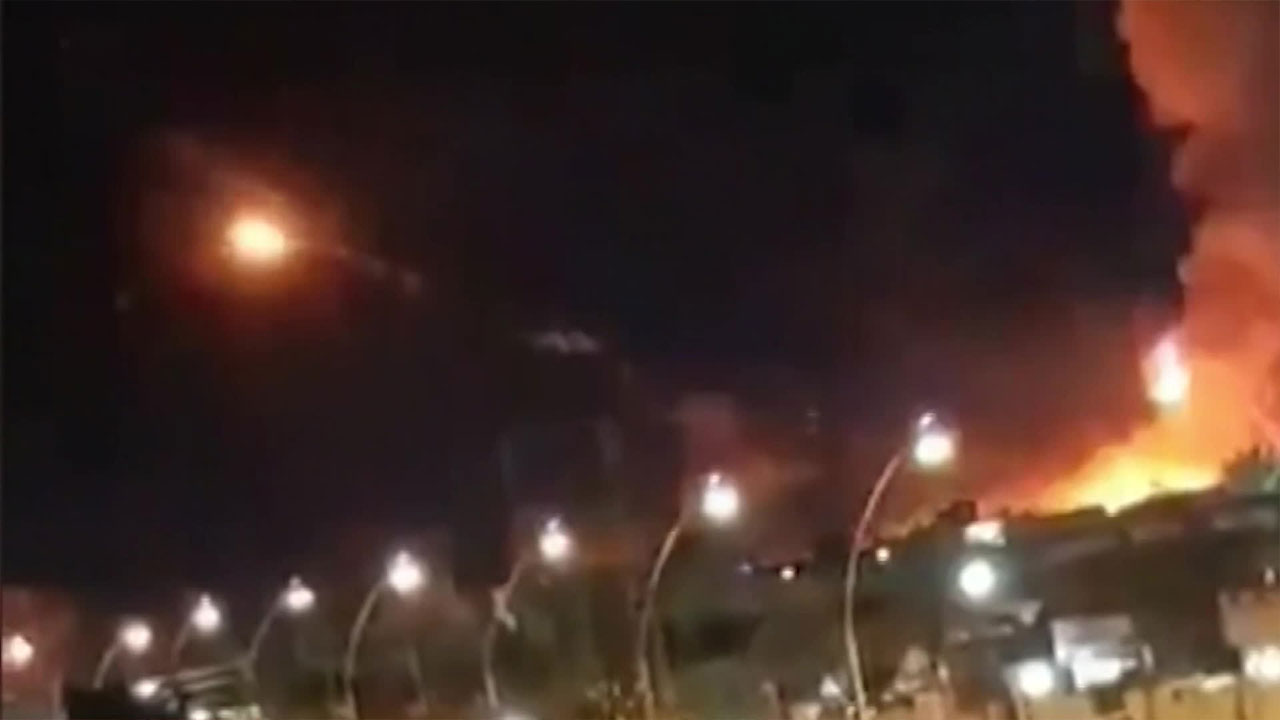
The fighting escalated in late February after a coordinated U.S.-Israeli strike. U.S. forces carried out precision attacks against Iranian nuclear-related and missile sites to blunt Tehran’s capabilities. Israel conducted parallel special operations targeting Iranian command nodes. Iran responded with waves of drones and missiles, turning the theater into a munitions-draining war of attrition.
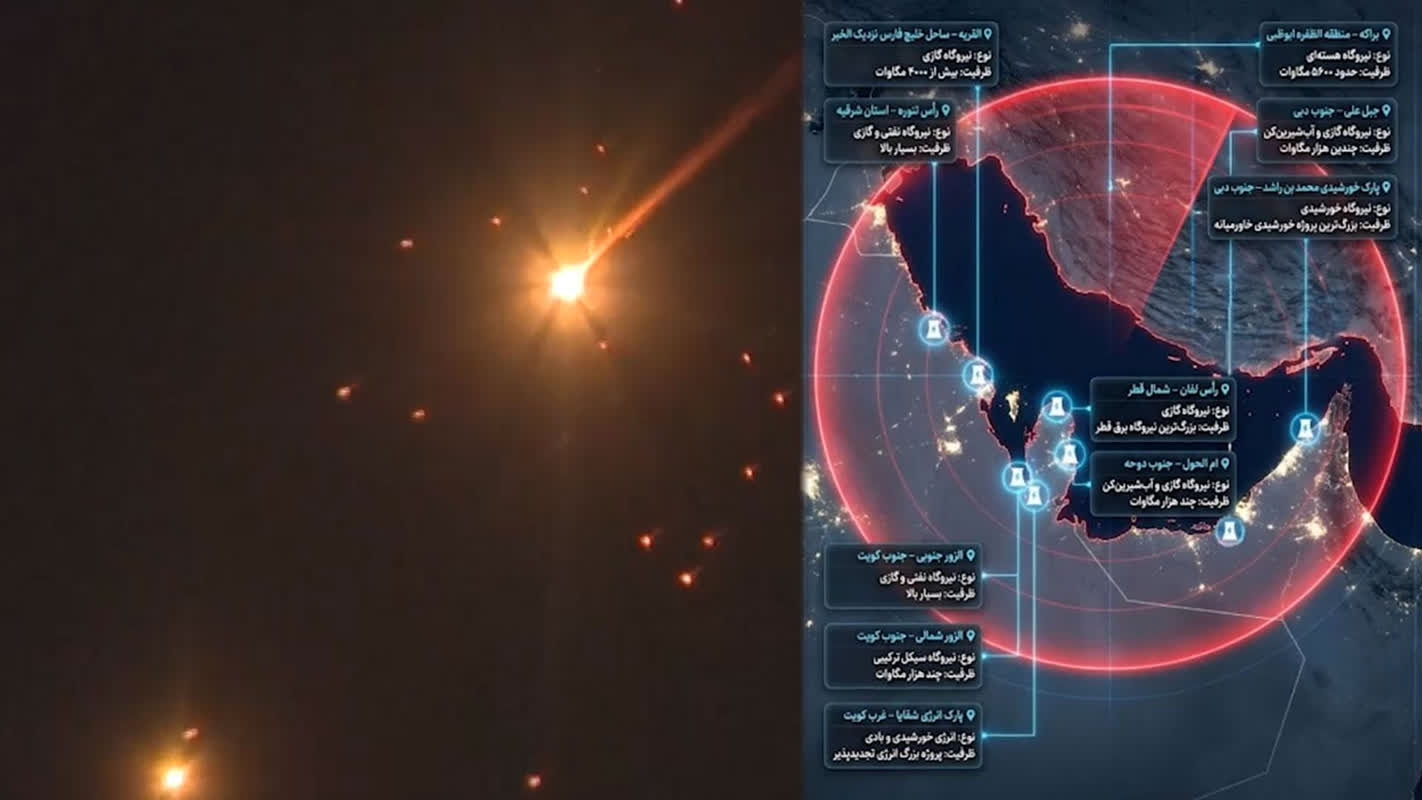
Following the strikes, Tehran concentrated Shahid drones against targets in Saudi Arabia, Qatar and the UAE. Many were intercepted by Patriot batteries, but each intercept carries a heavy price—roughly 5 billion KRW (about $3.75 million) per shot—depleting stocks. An Iranian loitering munition costs around 30 million KRW (about $22,500), creating a stark cost asymmetry. Tehran also distributed footage of damaged buildings and bases on social media to conduct psychological operations.
Iran framed its counterattacks as offensive, stressing that roughly 40,000 U.S. personnel are within range. U.S. strikes on launchers and production sites have reduced sortie rates, but the tunnel footage renewed Tehran’s deterrent message. Analysts characterize the campaign as a duel between high-end precision systems and low-cost mass-strike tactics.
Staggering Stockpiles and Tunnel Design
The footage shows a cavernous underground complex extending hundreds of meters, with drones lined up in long ranks. Missile-launch vehicles were parked nearby, each fitted with four tubes, and the stock included systems ranging from Sahab-1 to longer-range Soumar missiles. The facility’s deep, mountainous location makes reconnaissance and strike operations difficult.
The drones appear to be Shahid-series types with triangular wings, assembled from commercial components such as motorcycle engines to keep costs low. Iran decorates the tunnel interior with flags and morale posters. From this network, Tehran can mass-launch into areas with weak air defenses rather than directly against hardened U.S. bases.
Intelligence reports suggest North Korean assistance in building the tunnel network and that multiple, camouflaged entrances complicate destruction. The released clips show only part of the complex; actual stockpiles may number in the thousands. Those hidden reserves help explain Iran’s resilience to aerial strikes.

U.S. Hardline Response and References to Korean Munitions
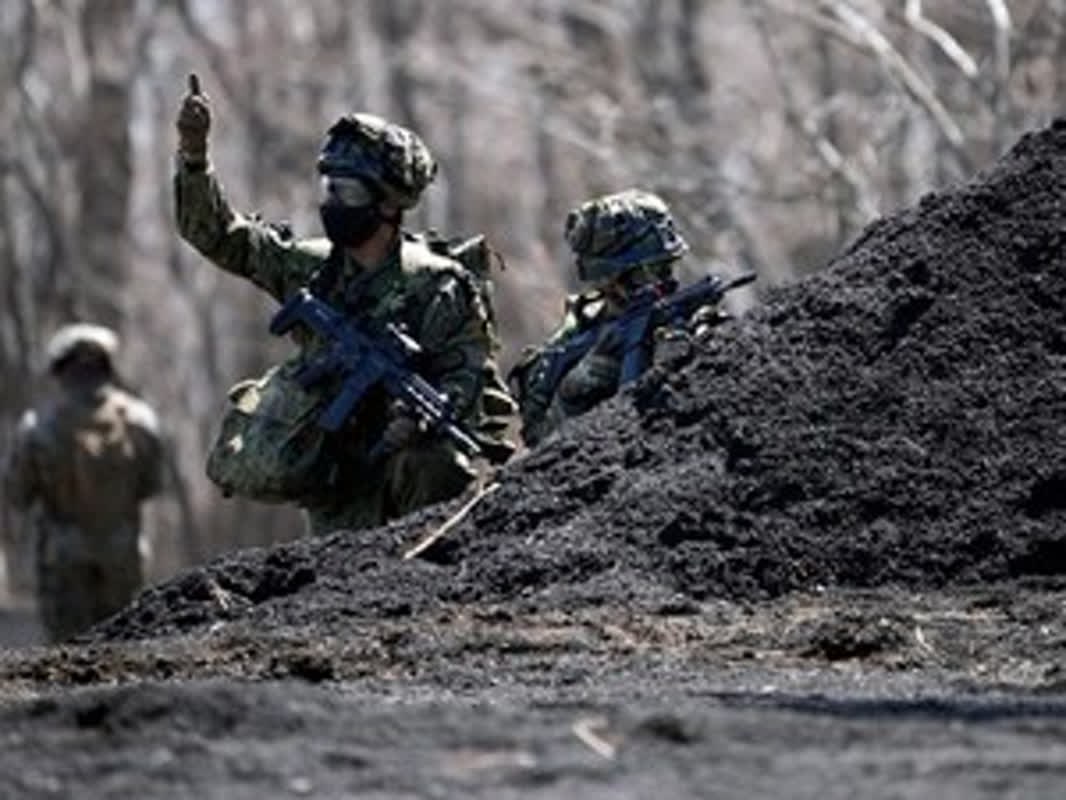
Shortly after Tehran released the footage, the U.S. Department of Defense said it would consider deploying the same kinds of munitions South Korea has used against subterranean targets. Officials were referring to thermobaric weapons, which consume oxygen explosively and create near-vacuum conditions inside enclosed spaces. South Korean forces have trained to use these weapons against hardened underground bunkers.
The U.S. has increased satellite and drone reconnaissance to locate tunnel entrances. Thermobaric munitions, unlike conventional bombs, produce intense high-temperature and high-pressure blast waves inside confined spaces that can wipe out personnel and equipment. Analysts argue that systems proven in U.S.-South Korean exercises could offer an effective option to collapse Iran’s so-called “drone city.”
U.S. planners envision delivering thermobaric ordnance with precision platforms such as B-2 stealth bombers and Tomahawk cruise missiles. Iran’s Revolutionary Guard called the tunnels “unyielding,” but sealing entrances and then detonating inside—an approach used in other theaters—could neutralize the complex. The discussion indicates South Korean defense technology may play a role in U.S. operational planning.
Thermobaric Weapons: How They Work and How They Defeat Tunnels
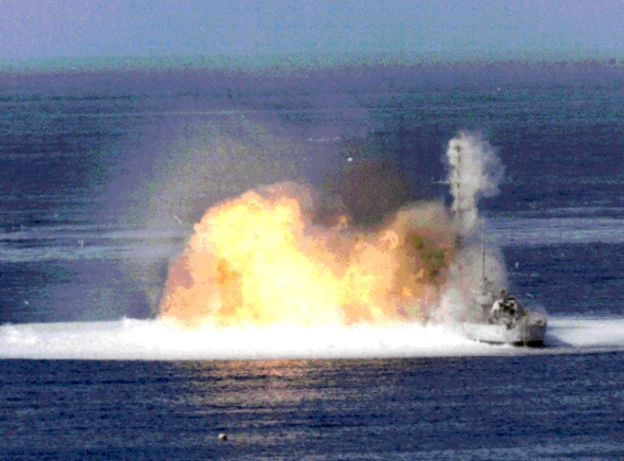
Thermobaric munitions disperse a fuel-air mixture and then ignite it to generate an ultra-high-pressure blast, delivering destructive effects several times greater than typical conventional bombs. In confined environments, they rapidly consume oxygen and create a vacuum effect that can asphyxiate survivors or inflict lethal organ damage. South Korea has refined this concept in weapons like the K-AB bunker-buster for targeting underground facilities.
Analysts say a likely tactic against Iran’s tunnels would be to seal entrances with conventional strikes, then follow with thermobaric strikes to eradicate stored drones and missiles. The resulting shock waves can breach concrete and reach deep into subterranean spaces, degrading or destroying stockpiled systems. The U.S. has prior experience using comparable weapons to clear cave networks in Afghanistan and Iraq.
South Korea’s edge lies in combining precision guidance with cost-effective production for these munitions. If integrated into U.S. operations, they could blunt Iran’s mass-quantity approach. Tehran claims to possess advanced systems, including hypersonic weapons, but losing tunnel infrastructure would significantly undermine launch capabilities. Such capabilities could reshape subterranean warfare doctrine in future conflicts.
Cost Asymmetry and the Reality of a War of Attrition
Tehran’s approach exploits cost asymmetry: cheap drones force the defender to expend expensive interceptors. A Patriot interceptor costs roughly 6 billion KRW (about $4.5 million), while a Shahid-type drone runs about 30 million KRW (about $22,500). That economics allows Iran to sustain pressure even as U.S. precision strikes disrupt production.
The U.S. faces limited annual missile production—only a few hundred units—which creates stockpile pressure. The adoption of thermobaric and other efficient munitions could improve force effectiveness. Iran relies on underground stockpiles to weather strikes, but that advantage would diminish if tunnel-specific munitions are used. At the same time, air-defense gaps in Gulf states open export opportunities for Korean systems like the Cheongung-II.
This attrition contest will likely hinge on which side exhausts its stocks first. America’s technological edge is increasingly decisive, while Iran seeks regional partners to offset isolation. A prolonged conflict would damage both economies and increase international pressure to end the fighting.
Outlook: Security Realignment in the Middle East
If the U.S. fields thermobaric weapons at scale, Iran’s tunnel network could be methodically degraded. With a succession decision looming for Iran’s supreme leader, internal strains could increase and signal potential instability. U.S. planners are reportedly preparing contingency ground options that could employ proxy forces, including Kurdish groups.
South Korean defense firms have gained global attention, and exports of systems such as Cheongung-II and thermobaric munitions may accelerate. Gulf states appear increasingly likely to diversify away from sole reliance on Patriot systems toward Korean air-defense solutions. Iran may still attempt to deploy concealed advanced weapons, but losing its tunnel infrastructure would blunt launch options.
Analysts say the conflict will probably end under overwhelming U.S. firepower, which would be cast as a diplomatic and strategic win for the current U.S. administration. As regional security shifts, South Korea’s reputation in tunnel warfare and bunker-busting technology will strengthen. The crisis underscores the limits of low-cost swarm tactics and reaffirms the value of precision, high-end strike capabilities.