Iran’s Direct Strike on Dubai and the Airport Shutdown
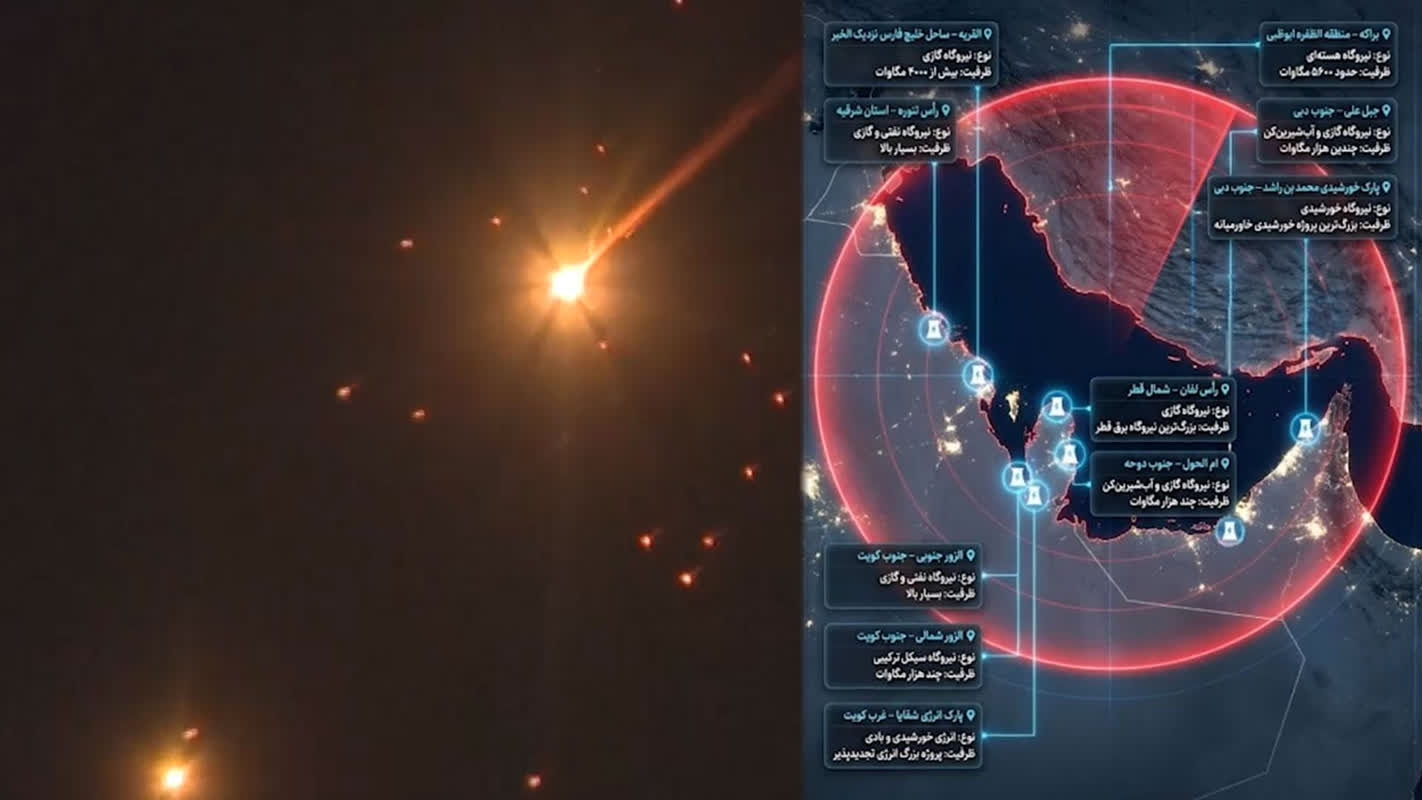
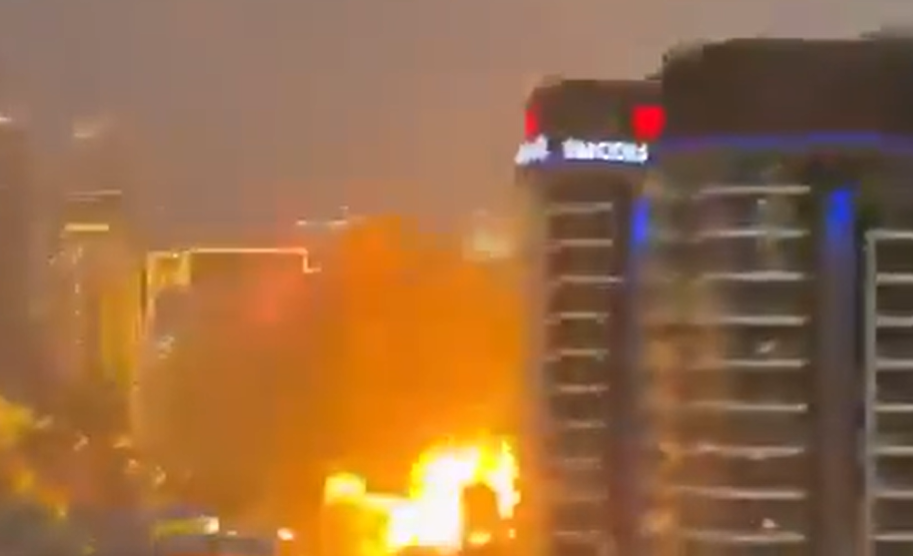
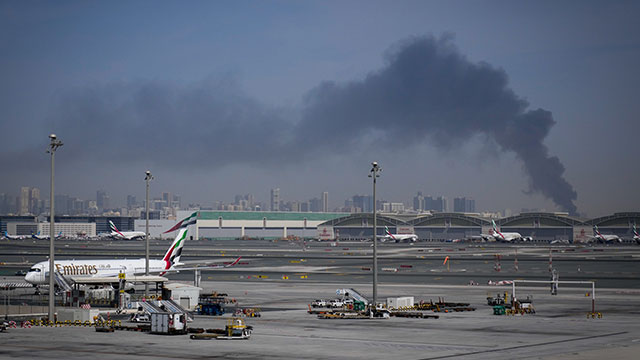
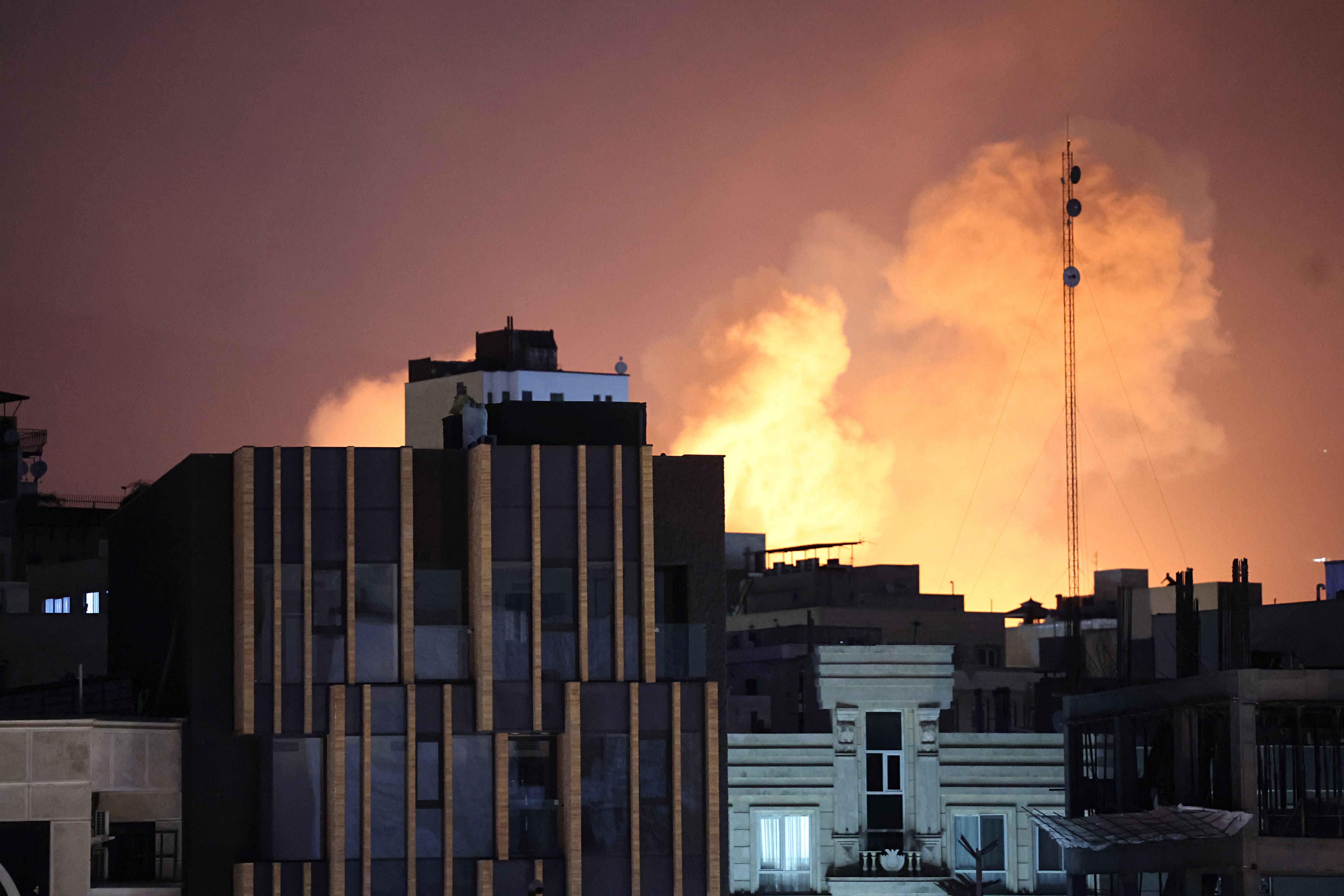
The Islamic Revolutionary Guard Corps launched a saturation attack on Dubai International Airport using hundreds of suicide drones. Smoke blackened runways at the world’s busiest aviation hub, and airport authorities suspended all flights indefinitely. Local video shows drone fragments raining down, fires erupting and passengers evacuating in panic. The strikes appear aimed not only at civilians but at crippling the economic arteries that sustain the Saudi–U.S. partnership.
Abu Dhabi’s airport also sustained direct hits, leaving one airport employee dead and dozens wounded. Iran reportedly launched more than 500 Shahed-series drones in a coordinated wave to probe and overwhelm air-defense gaps. The closures forced the cancellation of about 3,000 daily flights, snarling passenger and cargo traffic across global air networks. Iconic Dubai sites — including the Burj Al Arab and Palm Jumeirah — closed after sustaining damage from falling drone debris, inflicting sudden, severe losses on the UAE economy.
Tehran called the operation a “bloody warning,” demanding U.S. and Saudi forces withdraw from the region. Dubai’s Amazon data center was also hit, disrupting cloud services and prompting outages at several global financial institutions. Saudi jets intercepted additional drones, but the economic and operational impacts are already extensive.
Ras Tanura Refinery, Saudi Arabia’s Economic Lifeline, Hit Hard
Ras Tanura, in eastern Saudi Arabia, was forced to cease operations after a concentrated drone strike. The refinery — processing roughly 550,000 barrels per day and accounting for about 5% of Saudi crude output — is a critical artery for global oil flows. Massive fires erupted after the attack, with smoke spreading toward the Strait of Hormuz. State oil company Aramco declared emergency response operations, but officials warned repairs could take weeks.
Iran also struck U.S. facilities in Riyadh, including the U.S. embassy compound and an attached CIA office, broadening the offensive. The Ras Tanura strike appeared to target export infrastructure in a precision attack that reportedly set tankers ablaze and damaged terminal facilities. International crude futures surged above $150 per barrel, delivering a swift shock to Saudi finances. Riyadh convened emergency economic meetings but has hesitated on major countermeasures amid threats of further attacks.
The facility is central to Saudi exports through the Strait of Hormuz. Iran’s drone waves stressed radar and interceptor systems, pushing reported interception failure rates to roughly 40% in some engagements. Saudi defenses depend heavily on U.S.-supplied Patriot batteries, which faced inventory strains. The disruption has pushed Europe and Asian importers to consider releasing emergency reserves as a global energy crisis looms.
The Reality Behind Iran’s “Drizzle” Operation That Breached U.S. Defenses
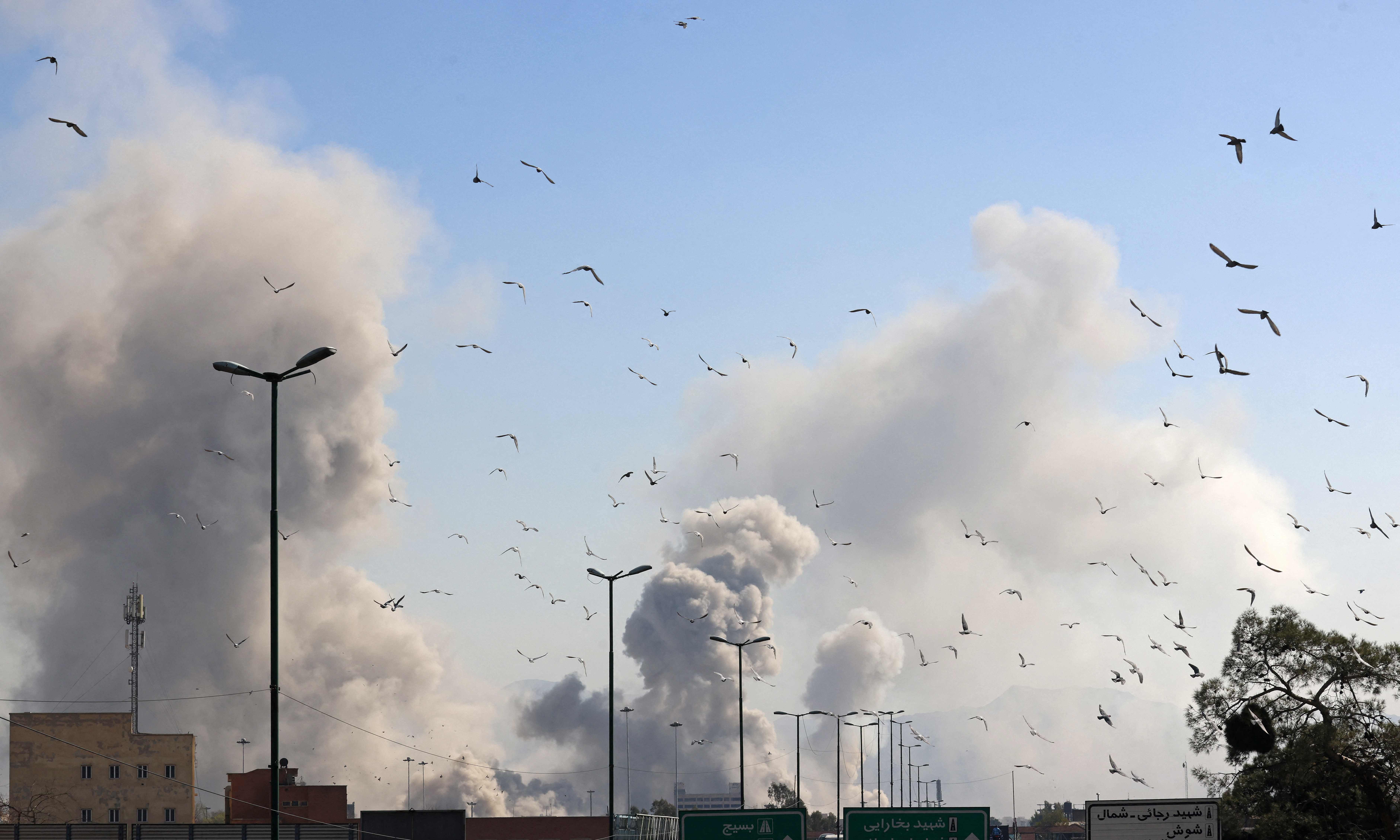
Iran’s so-called “drizzle” tactic floods an area with large numbers of low-cost drones to saturate air defenses. A U.S. Patriot interceptor costs 6 billion KRW (about 4.5 million USD), while a Shahed-class loitering munition can be produced for only 30 million KRW (about 22,500 USD), creating a stark cost asymmetry. During the recent attacks on Dubai and Saudi targets, U.S.-made systems reportedly intercepted only about 60% of some waves of roughly 230 incoming drones, allowing many to penetrate. Tehran used decoy drones to draw radar attention before striking with suicide platforms.
In Riyadh, two drones reportedly breached the roof of a building housing a CIA office at the U.S. embassy complex. Commanders’ attempts to conserve expensive interceptors appear to have allowed some lethal strikes to succeed. The IRGC is reported to have launched 541 drones and 165 missiles at 19 U.S. bases across the region, testing American defensive networks. Qatar’s Al Udeid base issued emergency precautions after nearby strikes.
Iran has blended technologies sourced from North Korea and Russia with indigenous upgrades, pairing satellite guidance and AI-enabled swarm control. The U.S. has accelerated development of directed-energy systems for counter-drone missions, but wide deployment is still years away. Saudi Arabia and the UAE are evaluating additional systems, including South Korea’s Cheongung-II, to rebuild layered defenses. The campaign exposed critical vulnerabilities in advanced air-defense architectures.

Economic Collapse Risk for Saudi Arabia and Global Supply-Chain Shock
Saudi Arabia faces daily losses likely over $10 billion after the Ras Tanura shutdown. Oil exports have fallen sharply, forcing a serious hit to government revenues and widening fiscal deficits. Airport and hotel closures in Dubai cut tourism receipts, and damage to cloud infrastructure disrupted commerce and finance. The Saudi crown prince warned the kingdom risked bankruptcy under Iran’s sustained swarm campaign and urgently sought full U.S. support.
Global supply chains have been disrupted: freight flows between Asia and Europe through Dubai dropped by roughly half after the airport suspension. European carriers have canceled Middle East routes and are contending with surging fuel costs. Multiple cloud data centers in the region went offline, crippling payment systems and enterprise services. Delays to oil deliveries to major importers aggravated inflationary pressures worldwide.
Iran appears to have targeted the Gulf states’ economic dependencies precisely. Saudi Arabia’s Vision 2030 projects face severe setbacks as foreign investors reassess exposure. The UAE closed its embassy in Tehran, opened its airspace to U.S. military movements and hardened its stance. A prolonged regional blackout could shave roughly 2% off global GDP if disruptions persist.
Technical Strengths and Limits of Iran’s Drone Swarm
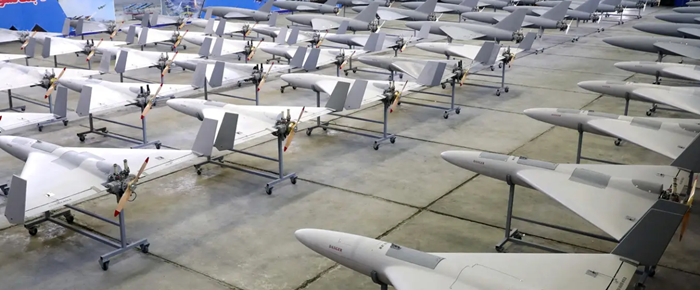
The Shahed-136 series can reach ranges of roughly 2,000 km and carry warloads near 40 kg, making it an inexpensive, mass-producible weapon. Built with low-cost components, it allows Tehran to field large numbers affordably. Air-defense architectures optimized for high-speed ballistic threats have struggled against slow, low-signature drones. Iran has improved accuracy through satellite navigation and rudimentary AI swarm-control techniques, reportedly raising hit rates in some scenarios.
But Tehran’s drones remain vulnerable to electronic attack and are limited by slow speeds and modest endurance. Gulf states that have integrated additional short-range interceptors reported intercept success rates climbing toward 90% in some cases after fielding new systems. The U.S. is also moving to field advanced directed-energy and counter-drone capabilities. U.S. strikes have reportedly damaged a significant portion of Iran’s production infrastructure, which could constrain Tehran’s ability to sustain massed attacks over the long term.
Russia’s drone designs and North Korea’s clandestine production networks have helped Tehran scale its program. If regional partners shift to diversified suppliers and layered defenses, Iran’s cost advantage could erode. Tehran may look to asymmetric high-end options, like hypersonics, but limited delivery capacity and operational constraints reduce their near-term viability. The swarm tactic delivers rapid shocks, but it faces limits in a protracted campaign.
Gulf States’ Response and the Formation of a Retaliatory Coalition
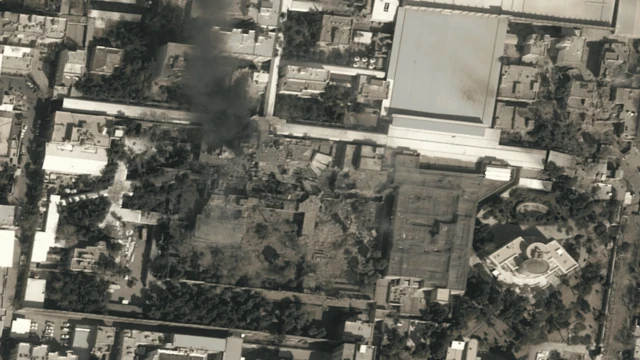
Gulf Cooperation Council members — including Saudi Arabia, the UAE and Qatar — reacted with strong condemnation to Tehran’s strikes. The UAE, which had acted as a mediator with Iran, opened its airspace to U.S. forces and signaled a shift toward coordinated retaliation. Riyadh vowed robust response measures and mobilized emergency funding at Aramco. Qatar began closer military coordination with U.S. forces to harden defenses around Al Udeid airbase.
The UAE ordered the withdrawal of embassy staff from Tehran and froze Iranian assets. Saudi Arabia agreed to share intelligence with Israeli partners to protect critical maritime routes. Gulf states are fast-tracking procurement of additional air-defense systems, including South Korea’s Cheongung-II, to rebuild deterrence. The moves deepen Tehran’s isolation and provide a platform for renewed U.S. engagement in regional security.
Iran’s strikes on civilian infrastructure produced an unintended effect: the Gulf states have moved beyond purely economic responses to form a security coalition, raising the prospect of a larger regional conflict. The U.S. signaled major assistance to rebuild Gulf air defenses. The crisis may accelerate regional consolidation and further strain the Iranian system.
Outlook and Paths to Stabilize the Global Energy Market
Iran’s swarm campaign achieved sharp, short-term effects, but destruction of key production and storage sites could deplete Tehran’s stockpiles within months. If strikes target underground manufacturing and supply nodes, the offensive’s tempo may slow. Saudi authorities aim to restore a majority of exports by bringing additional refineries and terminals back online within weeks. Dubai International Airport is working toward a phased reopening in the near term.
To stabilize markets, the U.S. has approved a significant release from the Strategic Petroleum Reserve. South Korean defense firms are poised to win major contracts for air-defense and artillery platforms as Gulf states diversify suppliers. With limited external support for Iran, U.S. and allied firepower is likely to blunt Tehran’s capacity to wage sustained massed-drone campaigns. Senior U.S. leaders have publicly framed regional security around deterrence and the restoration of stability.
Over the longer term, expanded procurement of allied defense systems could reshape regional air defenses and boost the geopolitical standing of suppliers in East Asia. Internal unrest in Iran has increased pressure on the leadership. The crisis underscores a transition away from the era of low-cost massed drones toward a future where AI-enabled precision effects and directed-energy defenses play a larger role in regional security and energy-market stabilization.