The U.S. Treasury sanctioned Bitcoin (BTC) wallets tied to Iran and froze $344,000,000 in cryptocurrency (approximately KRW 458.7 billion). As pressure on Iran intensifies, crypto sanctions are emerging as a central tool.
U.S. Treasury official Scott Bessent called the action one of the largest single sanctions targeting Iran’s on-chain financial infrastructure. With nuclear talks ongoing, the move signals that authorities no longer regard cryptocurrency as a peripheral issue. Iran’s crypto market topped $7.78 billion last year (approximately KRW 10.37 trillion), and analysts estimate roughly half of that activity is linked to the Islamic Revolutionary Guard Corps (IRGC).
Building sanctions-evasion structures with USDT and Bitcoin
Iran’s central bank purchased more than $500 million in Tether (USDT) last year (approximately KRW 666.7 billion). Officials used dollar-pegged stablecoins to bypass the SWIFT international payment system and to secure dollar liquidity.
USDT provides access to dollar value without a U.S. bank account, moves quickly on-chain, and faces no border restrictions. Analysts say those structural features make it a favored tool for sanction evasion.
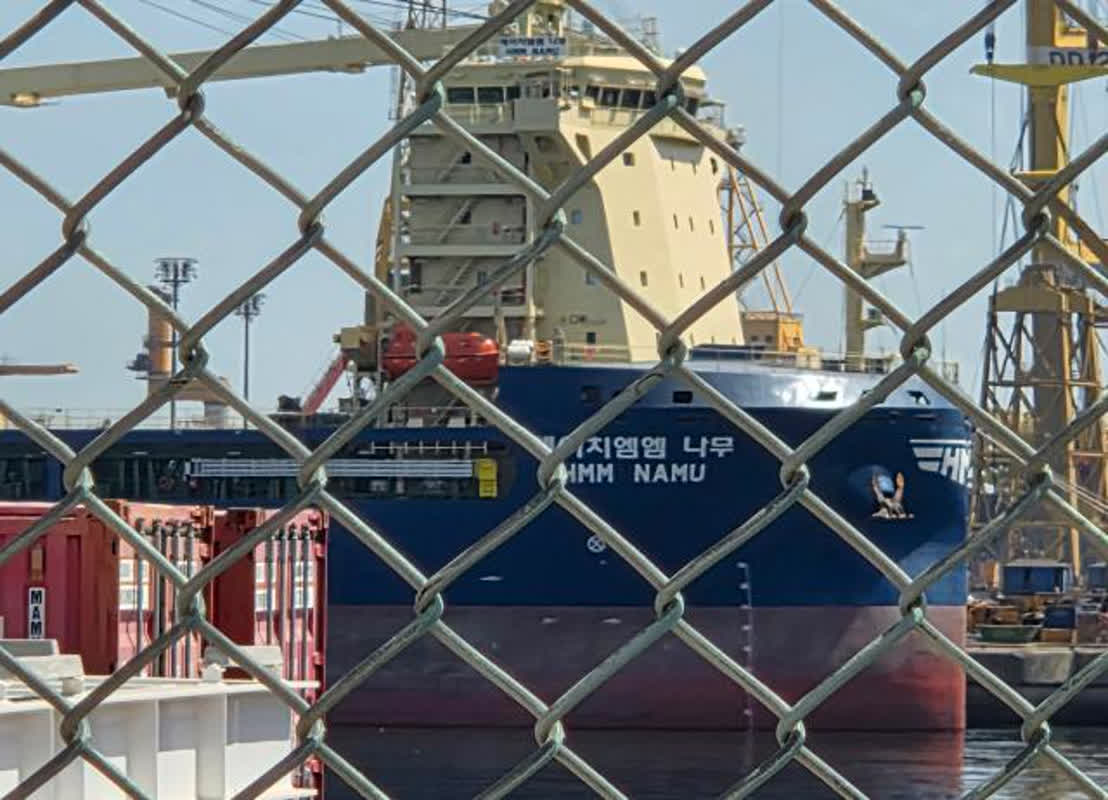
Iran has also expanded state-level Bitcoin (BTC) use. In early April, Tehran ordered tankers transiting the Strait of Hormuz to pay transit fees in Bitcoin, a move to incorporate cryptocurrency into national trade infrastructure.
Meanwhile, the IRGC has begun mining Bitcoin using subsidized power. Newly mined BTC carries no prior transaction history and is treated as a “clean” asset that is difficult to trace, helping to circumvent sanctions. In practice, the process converts subsidized energy into a cash-like asset that is hard for sanctions to reach.
Remaining tracking gaps despite on-chain sanctions
OFAC (the Treasury’s Office of Foreign Assets Control) said the frozen assets were USDT wallets linked to disguised payments for Iran’s oil trades. Tether added the implicated addresses to its blacklist.
Bessent said, “We will follow the funds Iran attempts to move overseas to the end and cut off every financial lifeline.”
But on-chain data still reveals gaps. Between late February and early March — immediately after U.S.-Israeli military actions — roughly $10.3 million moved out of Iran-linked Bitcoin wallets (approximately KRW 13.73 billion). Some of those wallets showed transaction histories connected to IRGC-related addresses, suggesting state-level fund movements occurred in real time.
Before the June 2025 clash with Israel, outflows at Iran’s Nobitex exchange surged 150%, and spiked to 700% immediately after the attack. Even after hacks that cost about $90 million (approximately KRW 120 billion), user trading continued and the ecosystem absorbed the shock.
Ultimately, cryptocurrency in Iran has evolved beyond a simple workaround into strategic financial infrastructure. Regulators are likely to expand sanctions to include virtual-asset service providers and stablecoin issuers. Given on-chain structural features, however, fully cutting off these flows will be difficult, and the contest between sanctions and evasion is likely to continue.