On March 29 (local time), Dr. Ebrahim Karhanei, a former member of Iran’s Majlis, wrote in the daily Kayhan that any settlement ending the war must rest on comprehensive, deterrent preconditions—unlike the earlier “12-day war.”
Karhanei said his top demand is the complete withdrawal of U.S. forces from the region and the dismantling of U.S. military bases across West Asia (the Middle East).
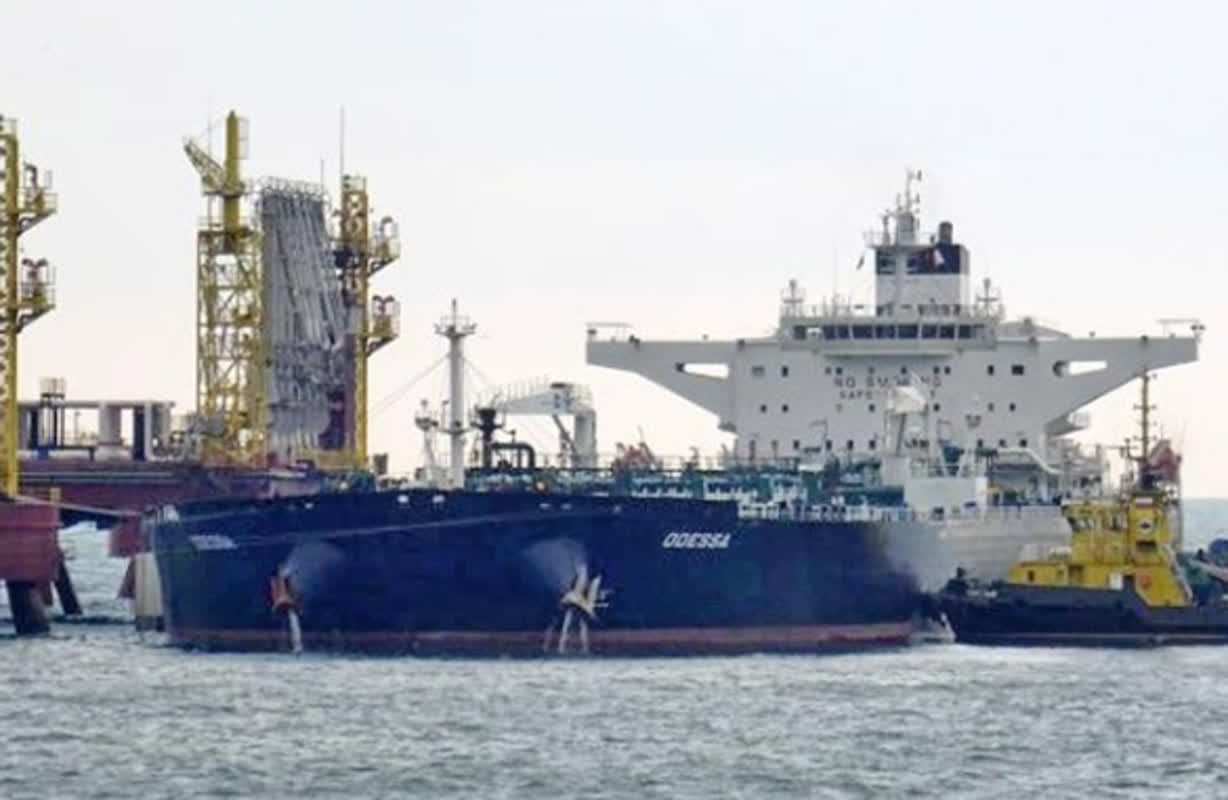
He also called for Iran to implement an official, lawful economic regime, under Iranian sovereignty, for vessels transiting the Strait of Hormuz.
That position appears to extend Tehran’s notion of reopening the international oil route through the Strait while collecting “tolls” without the threat of U.S. military intervention.
Iran’s parliament has reportedly begun debating a bill that would allow authorities to charge fees to ships passing the Strait in return for security services.
Karhanei’s other conditions included ▷ a nonaggression guarantee toward Iraq, Lebanon and the “Axis of Resistance”; ▷ an official UN and U.S. declaration lifting sanctions on Iran; ▷ the unfreezing and return of Iranian assets held abroad; ▷ formal U.S. and Israeli acknowledgment of their “invasions” and payment of reparations; ▷ a statement ending the United Arab Emirates’ territorial claims to three islands (including Abu Musa); and ▷ commitments from the “aggressor” states to permanently cease acts of war and terrorism.
Those demands have drawn attention as Tehran is expected to issue a counterproposal to a 15-point ceasefire plan reportedly offered by the U.S.
Israel’s daily Yedioth Ahronoth ran Kayhan’s nine conditions and noted that the paper maintains close ties to Iran’s leadership.
The U.S. ceasefire proposal is reported to call for dismantling certain nuclear facilities and banning uranium enrichment, transferring enriched uranium to the International Atomic Energy Agency (IAEA), banning support for regional proxy forces, and guaranteeing safe transit through the Strait of Hormuz.