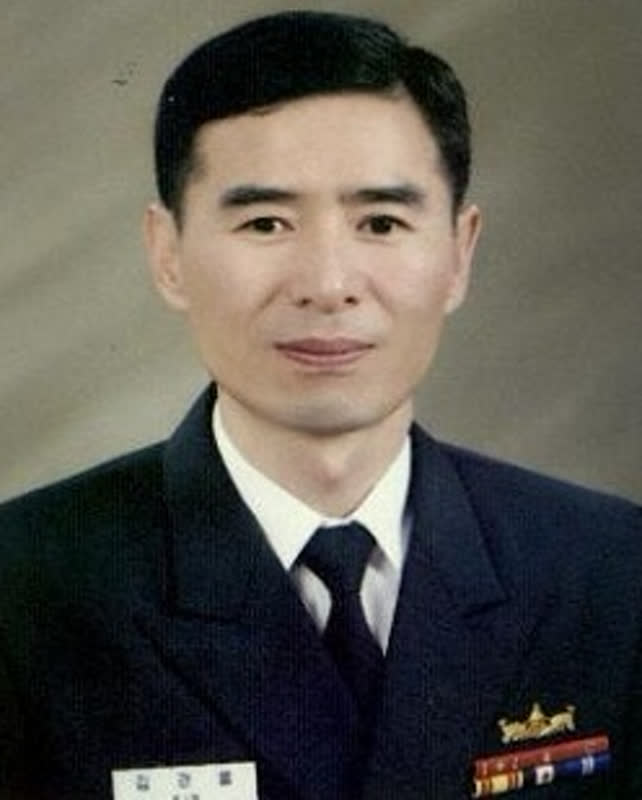
Professor Park Jeong-eon and his team in the Department of Creative Convergence at Hanbat National University have developed a satellite payload that the Nuri rocket program selected as Payload 3 on the space‑verification platform for Nuri’s sixth launch.
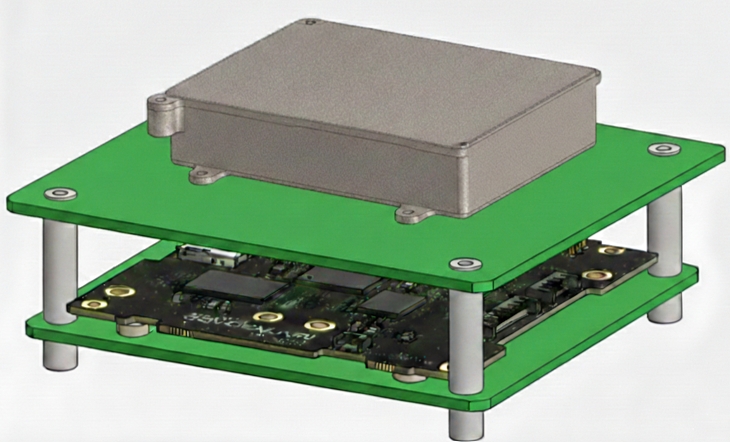
On the 11th, Hanbat University said the team named the payload Domestic Components and Up‑screened COTS Power Semiconductor–Equipped Metal 3D‑Printed Radiation‑Shielded DC/DC Converter. Installed on the Nuri rocket’s sixth space‑verification satellite, scheduled for 2027, the device will reliably convert battery power to the low‑voltage levels required by the payload’s control electronics and supply them throughout the mission.
The selection recognizes the practical flight readiness of Korean-made space components and parts.
The team’s selection came from a field of 24 applicants that included major Korean firms — SK Hynix, Samsung Electronics, LG Electronics — the Electronics and Telecommunications Research Institute (ETRI), leading universities and space startups. Observers say that highlights the technical strength and competitiveness of the team’s solution.
Before joining Hanbat University, Park spent ten years at the Korea Aerospace Research Institute (KARI). There he led domestic development of avionics and subsystems across a range of platforms, including low‑Earth orbit and geostationary satellites, medium‑class satellites, lunar probes and small satellites. He drew on that experience to lead development of this payload.
Professor Park said, \"The significance of this selection is not the selection itself but in reliably executing and completing the proposed mission profile once the satellite reaches its designated orbit after the Nuri rocket's sixth launch in 2027.\"
He added, \"This is not a basic check that judges success solely by whether a post‑launch communications link is established. It is far more important to comprehensively demonstrate that the planned functions operate normally in the actual space environment throughout the mission and that required performance levels are maintained — building space heritage in the process.\"