[TheGuru=Reporter Hong Seong-hwan] The International Monetary Fund warned that surging defense spending could sharply widen fiscal deficits worldwide and pose significant risks to national economies.
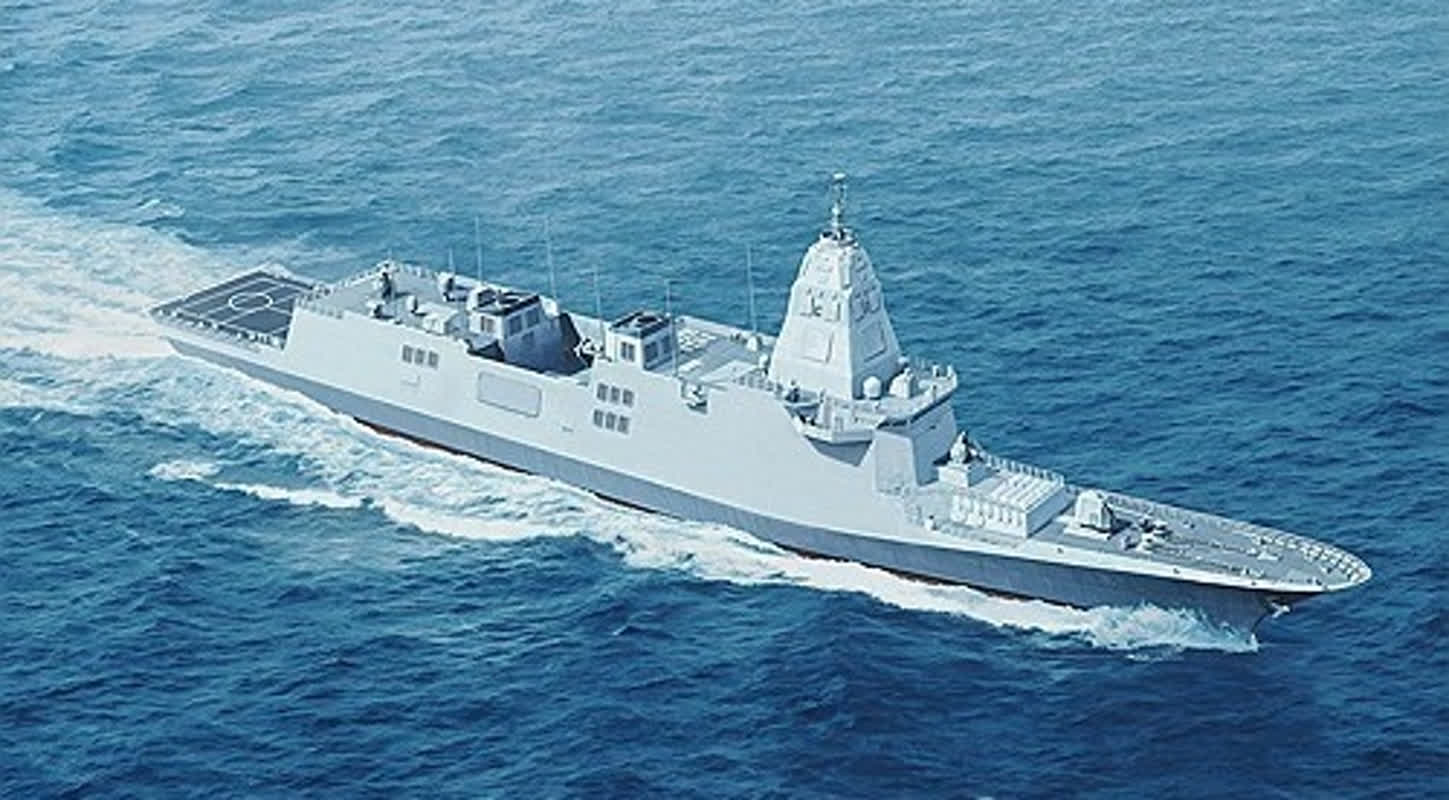
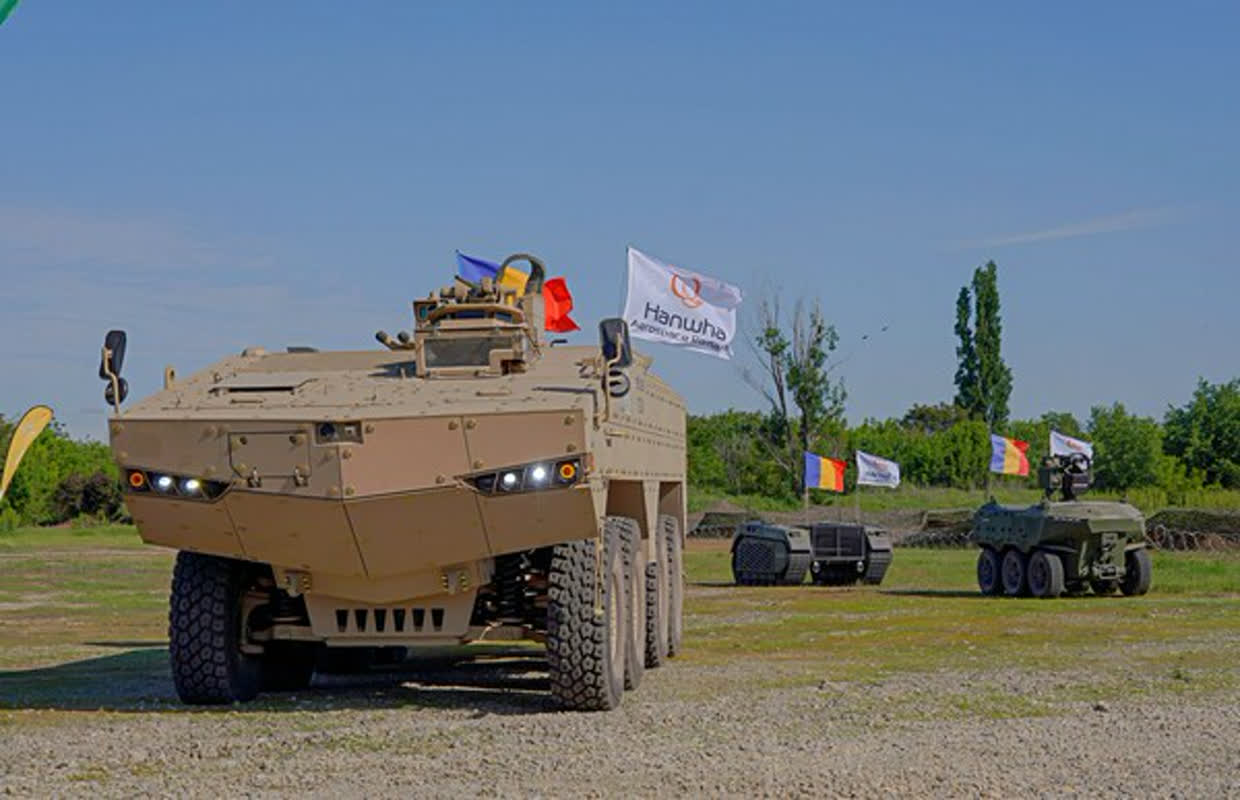
On April 12, Bloomberg reported that the IMF said in a recent paper a surge in defense spending—largely financed by expanding fiscal deficits—could create medium- to long-term economic risks. The fund noted that boosting military capacity typically spurs consumption and investment and can lift activity in the short term, but it tends to increase public debt over time.
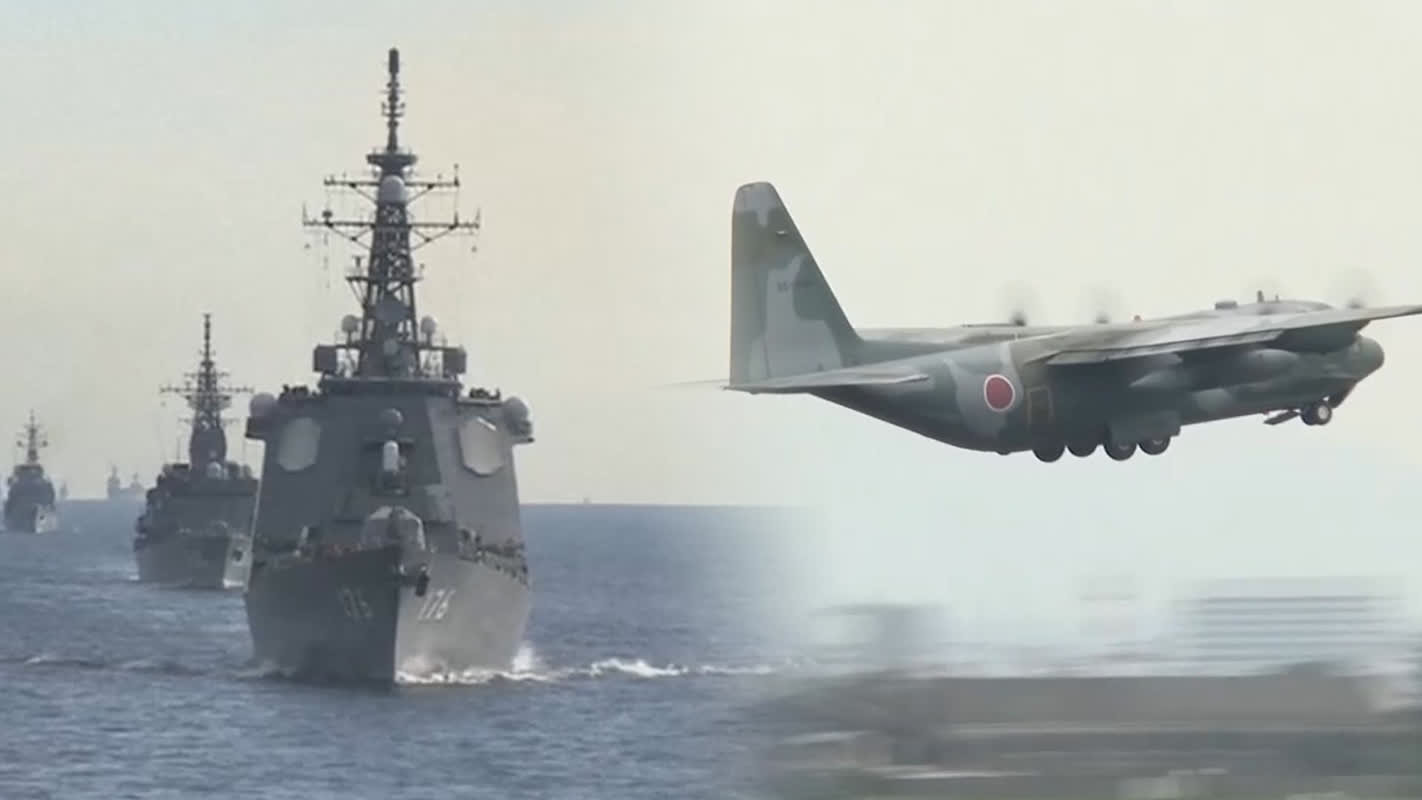
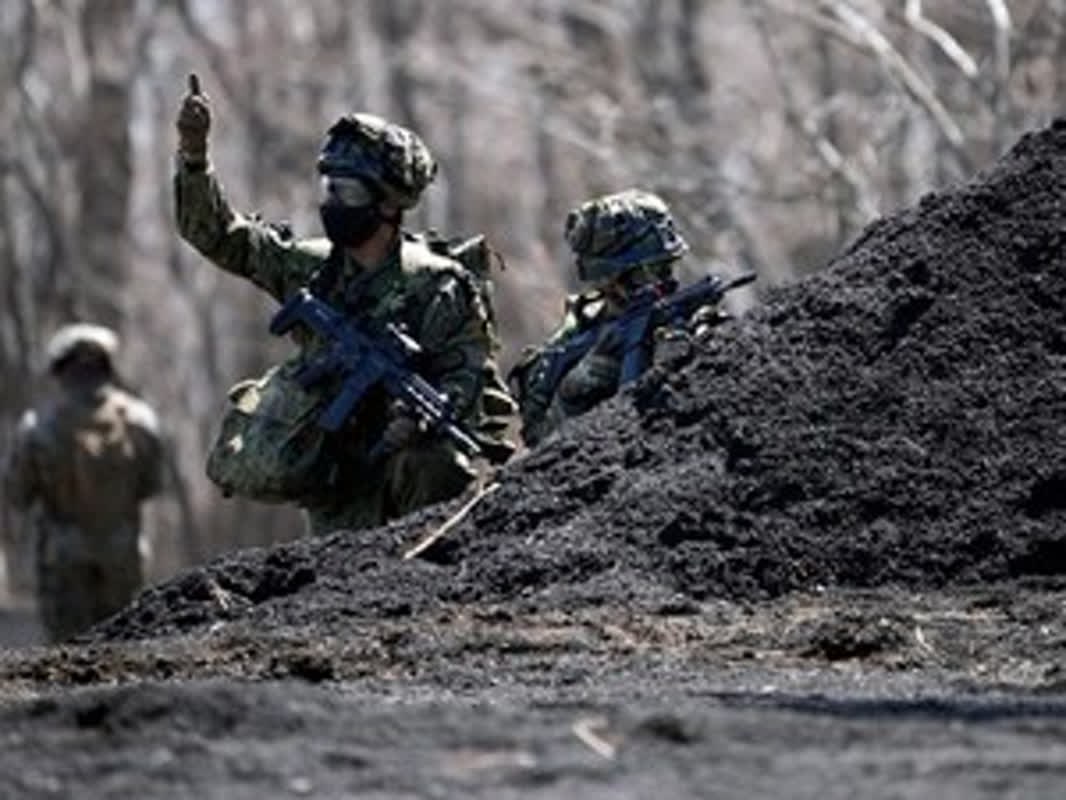
The IMF added that rising international conflict and growing geopolitical tensions have prompted many countries to reassess security priorities and consider bigger defense budgets, a shift that raises important questions for policymakers.
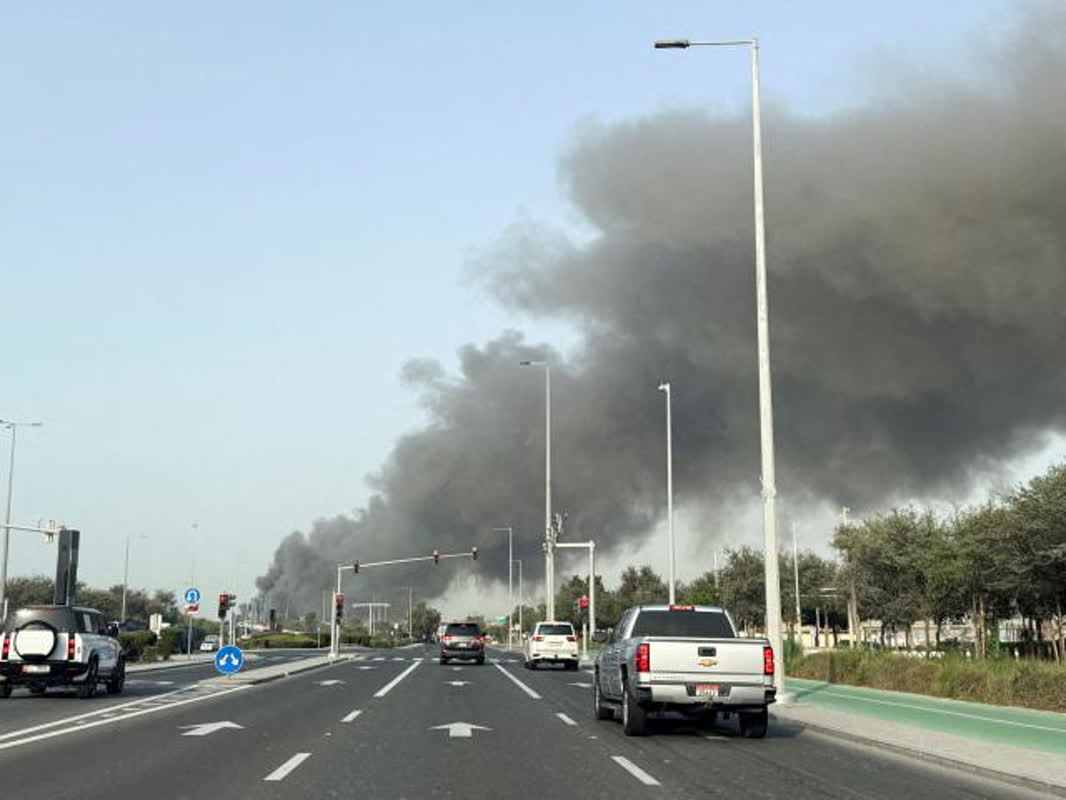
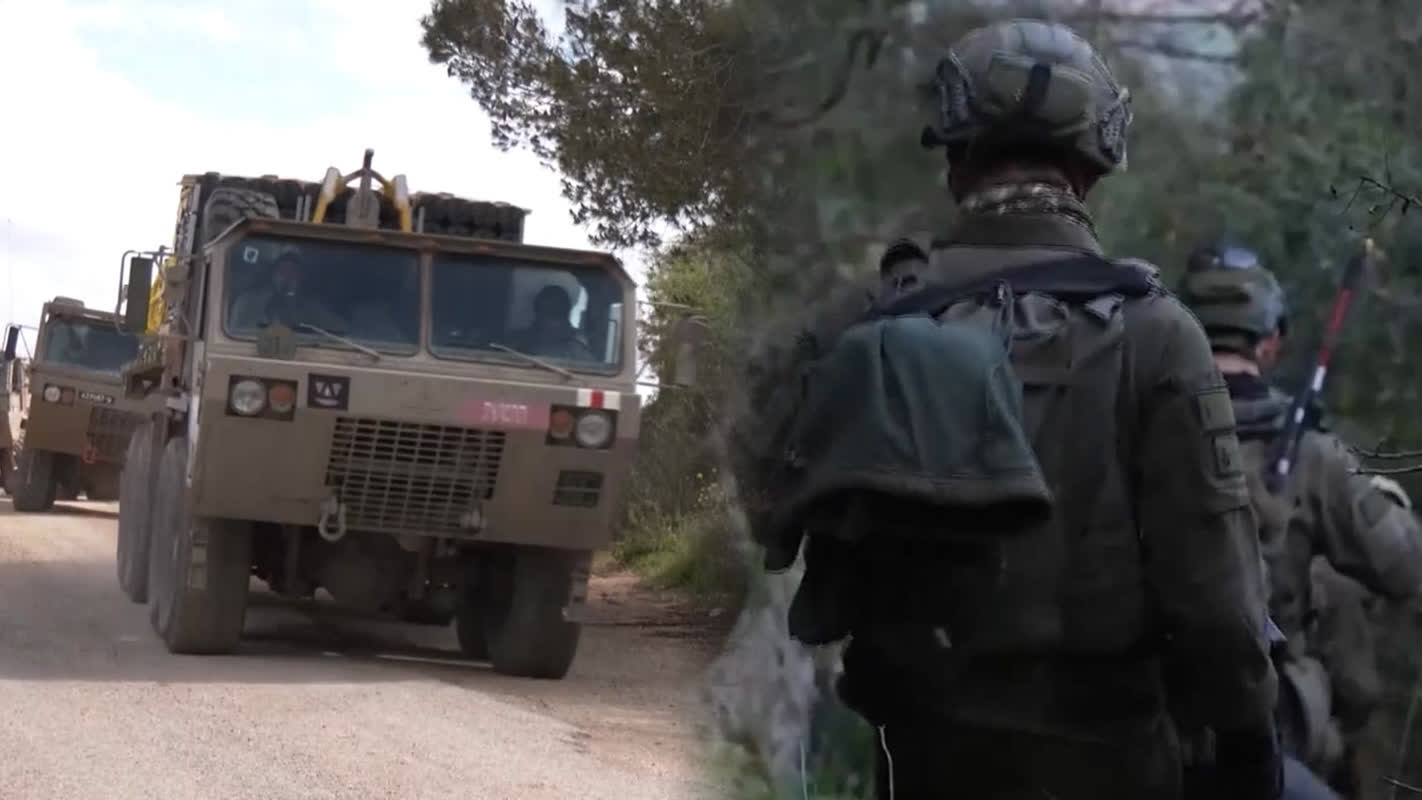
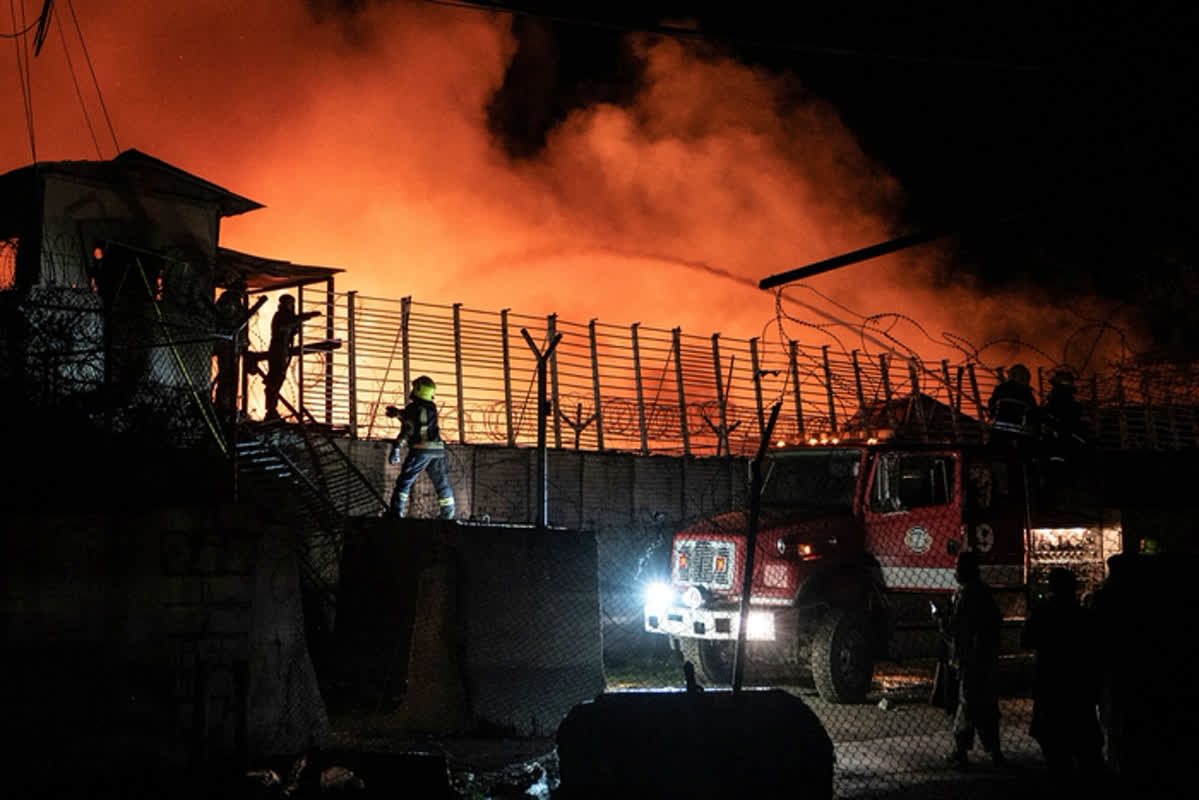
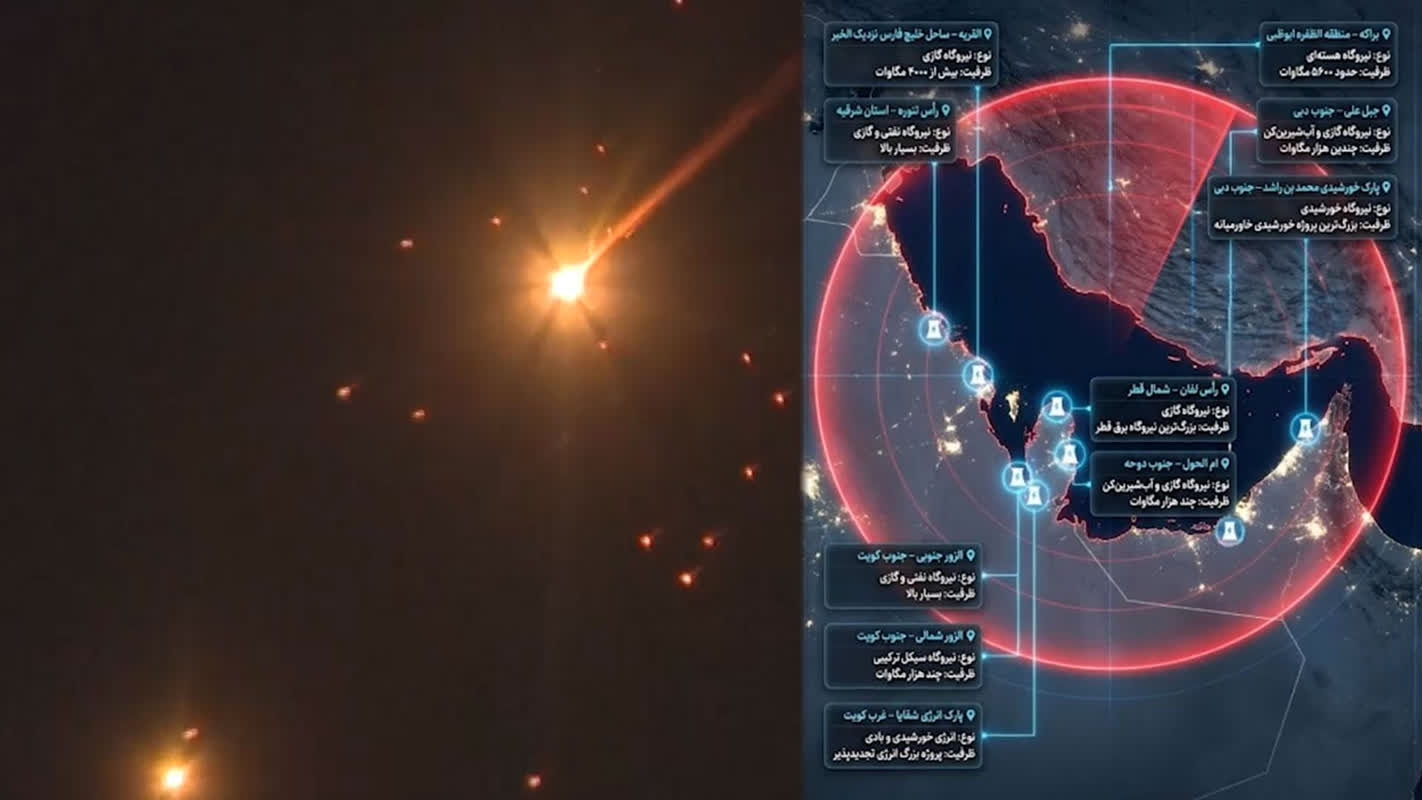
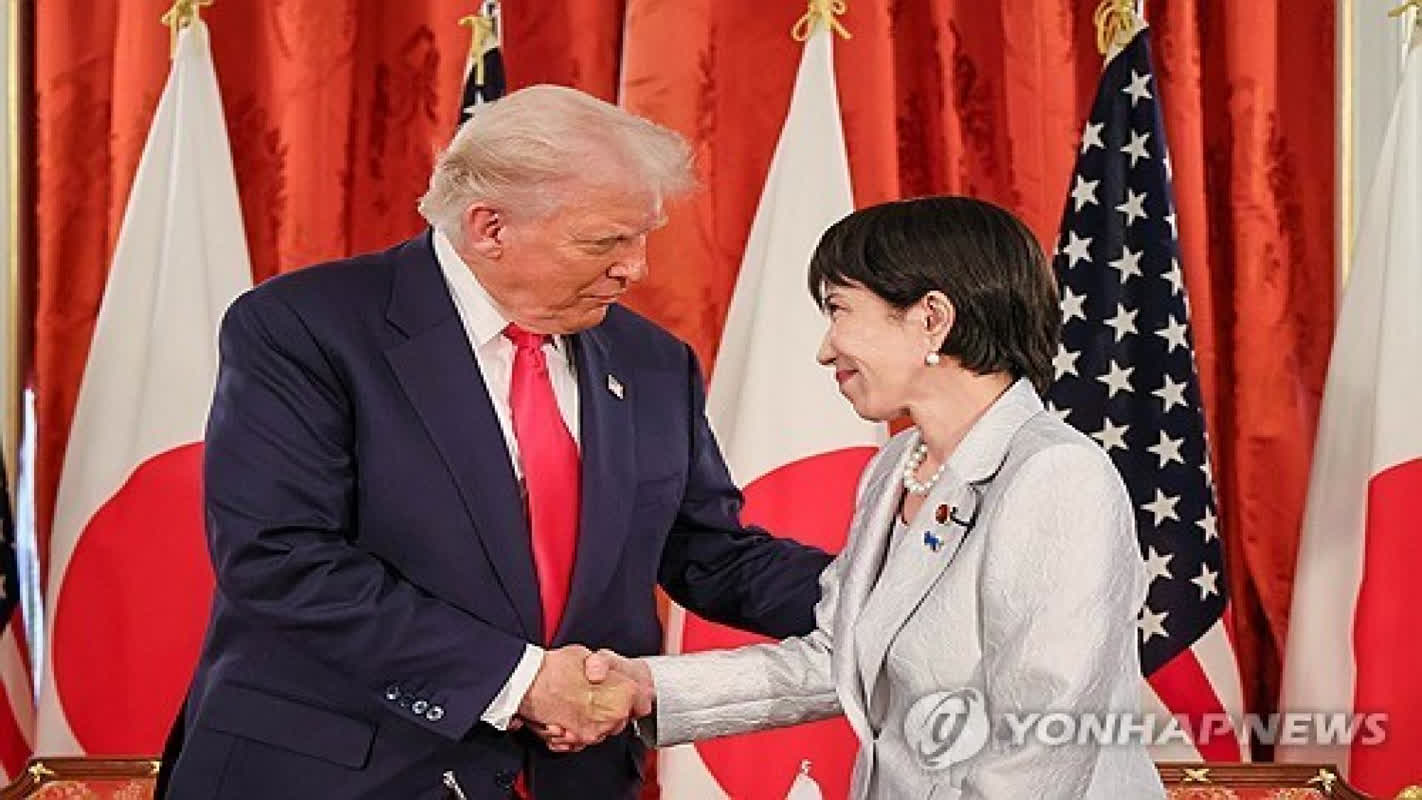
The fund pointed out that numerous European states, including Germany and France, have increased defense spending in recent years amid the war in Ukraine and pressure from U.S. leadership to raise defense outlays. It also said that in the United States, President Trump reportedly carried out a military operation aimed at arresting Venezuelan President Nicolás Maduro and launched a war with Iran while asking Congress for additional defense funding.
Analyzing data from more than 160 countries since 1946, the IMF identified 215 episodes of rising defense spending. While those episodes were concentrated in the 1970s and 1980s, the fund found that large-scale increases have become more frequent in recent years.
The IMF estimated wartime surges in defense spending are especially costly: public debt rises by about 14 percentage points of GDP, and social-welfare spending declines in real terms. It said sharp expansions in defense outlays tend to occur early in conflicts and are mainly funded by widening fiscal deficits.
The IMF plans to release its World Economic Outlook (WEO) on the 14th. Earlier, the fund had projected global growth of 3.3% for the year.
IMF Managing Director Kristalina Georgieva told Bloomberg that, before recent strikes involving the U.S. and Israel against Iran, the fund had been leaning toward raising its growth forecast for the year. Taking the war's impact into account, she said the IMF now expects to revise that outlook downward.