Anduril Expands Air, Sea and Land Unmanned Systems Partnerships with HD Hyundai, Korean Air and Hyundai Rotem
From first talks to a prototype in under a year…Korean manufacturing and execution praised
Plans to integrate Korean suppliers into global supply chains
U.S. defense‑tech firm Anduril Industries is accelerating its push into U.S. and allied markets for autonomous unmanned systems by teaming with South Korea’s defense, shipbuilding and aerospace companies. Anduril says it values Korean firms’ manufacturing capacity and rapid execution and intends to move beyond simple domestic sales to integrate them into its global supply chain.
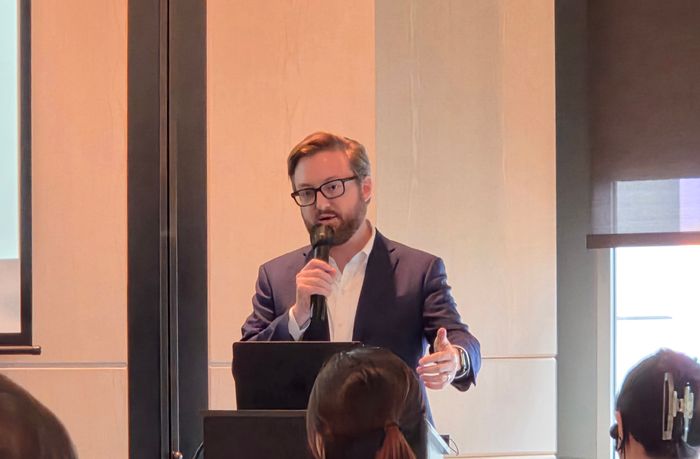
Brian Schimpf, Anduril’s co‑founder and CEO, told reporters at a briefing at the Four Seasons Hotel in Jongno, Seoul, on May 7 that Korea’s pace of collaboration outstrips what he’s seen in Europe. He said moving from initial talks to a delivered prototype within a year is almost unheard of in the defense sector.
Schimpf added that creating a new ship concept and delivering it inside a year is exceptionally fast. He praised Korean firms for their ability to make decisions quickly, act on them and accept risk at a level he has not seen elsewhere.
Founded in 2017, Anduril develops autonomous weapons and command‑and‑control systems centered on its AI‑based software platform, Lattice. Lattice links multiple sensors and unmanned systems to provide situational awareness and support autonomous mission execution.
Anduril views Korean companies not merely as customers or resellers but as partners for joint entry into global markets. Schimpf said the company looks for partners with world‑class expertise in their fields, large‑scale production capacity, fast execution, and capabilities that complement Anduril’s autonomy software.
\"This partnership isn’t solely about selling to the Korean government,\" he said. \"It’s about how we can approach broader markets together.\" He pointed to the unmanned surface vessel (USV) collaboration with HD Hyundai and said entering the U.S. Navy market together would be a major opportunity for both firms.
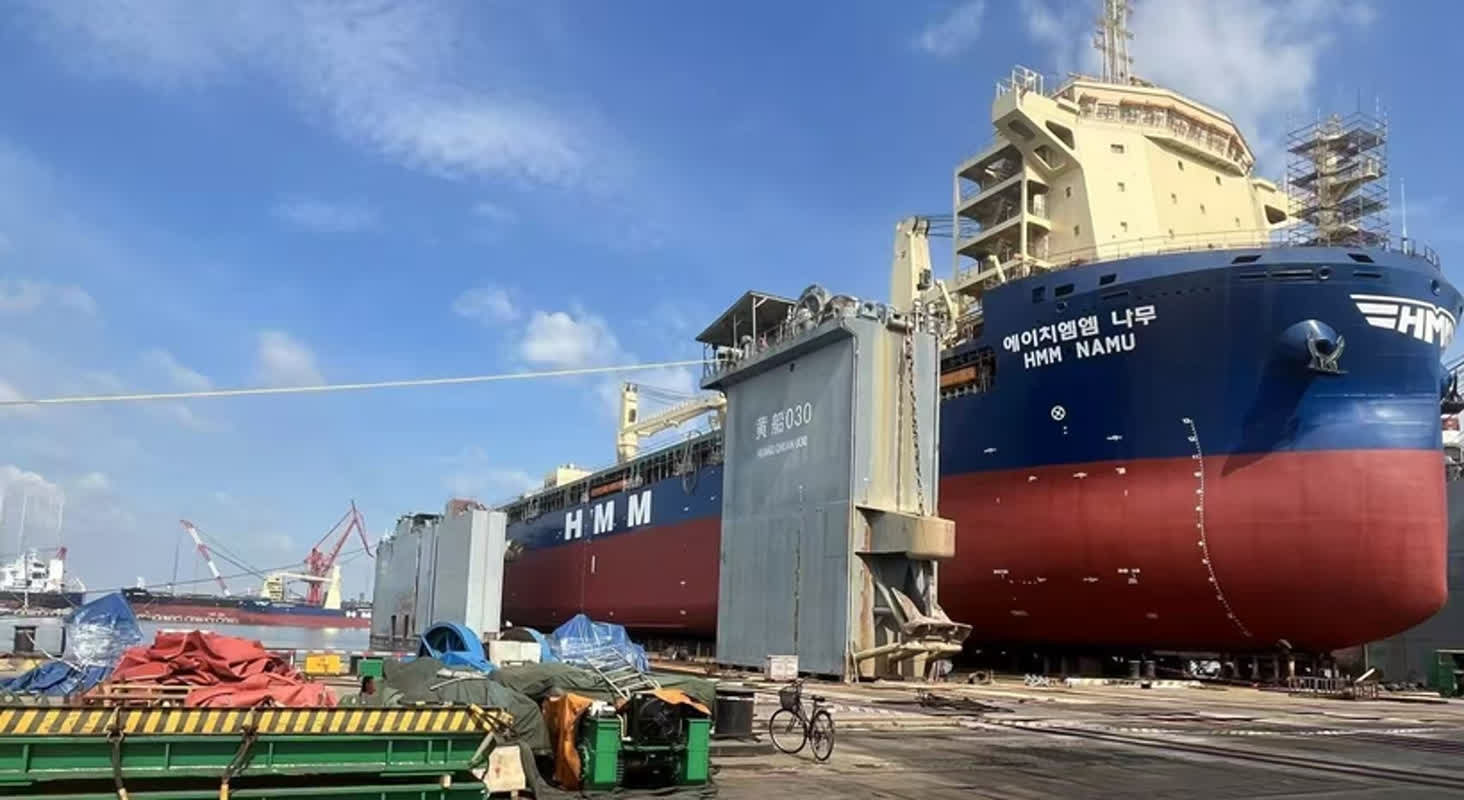
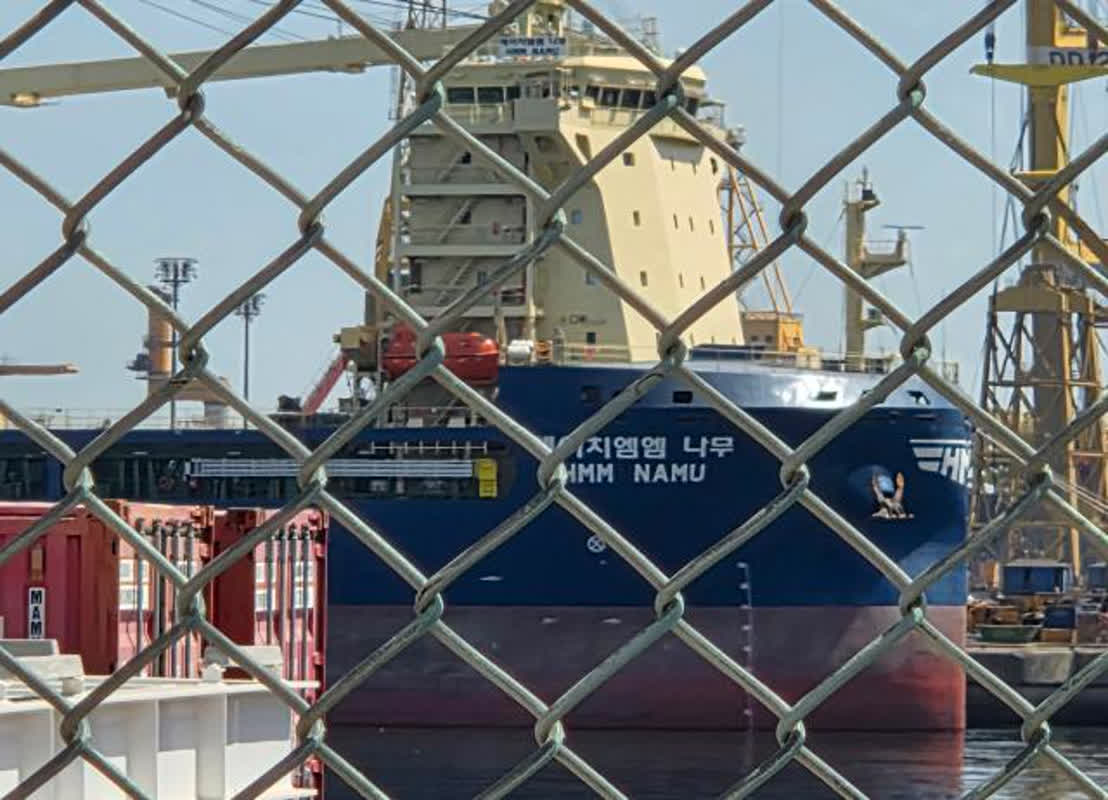
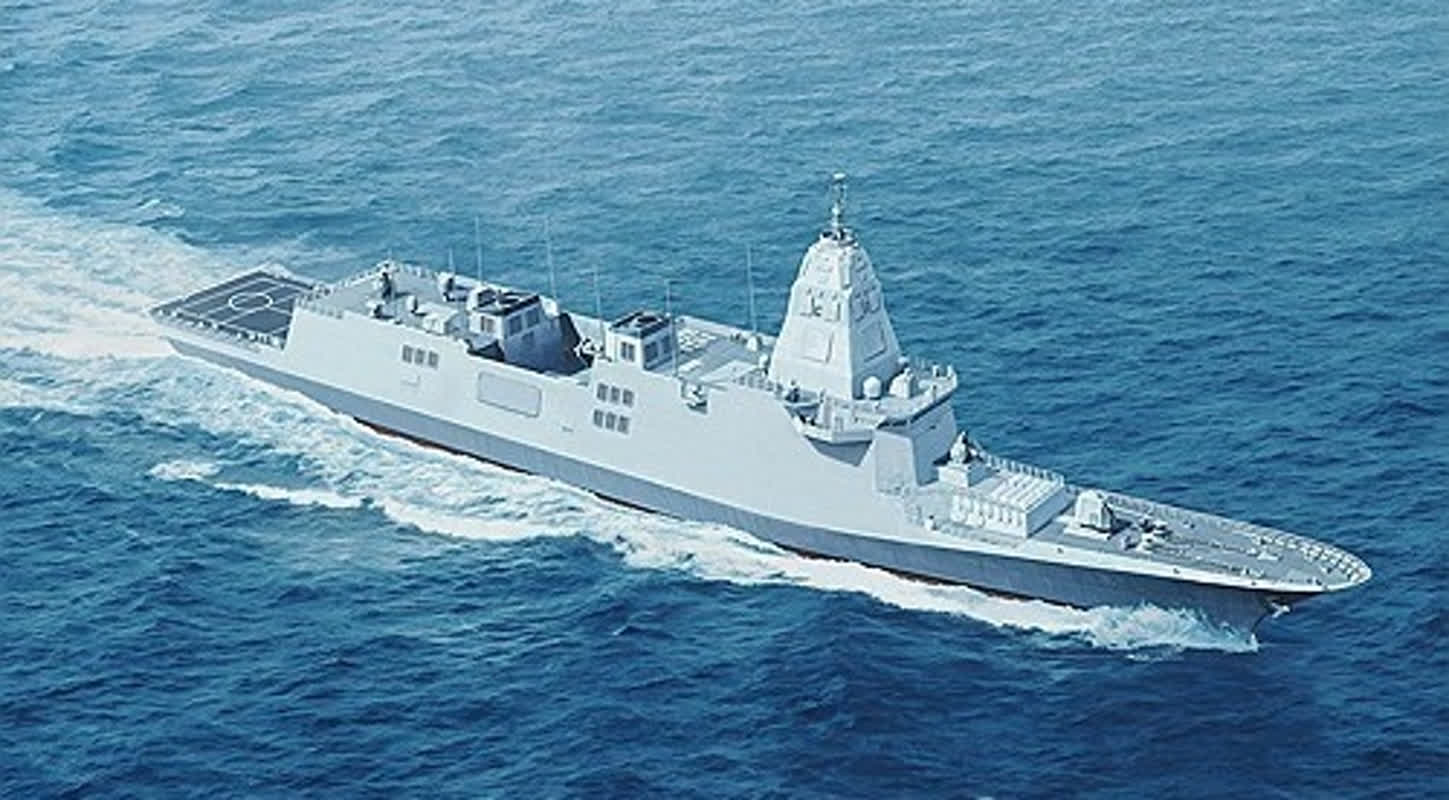
HD Hyundai is Anduril’s principal maritime partner. After teaming on USV development, the companies are expanding cooperation to unmanned underwater vehicles (UUVs). HD Hyundai will handle ship design and construction while Anduril supplies autonomy software, sensors and mission systems.
John Kim, head of Anduril Korea, said the HD Hyundai tie‑up gives a Korean defense company a real shot at breaking into the U.S. weapons market. He said that if Anduril secures the U.S. Navy’s USV program, the two firms could produce a significant number of unmanned surface vessels together as early as next year.
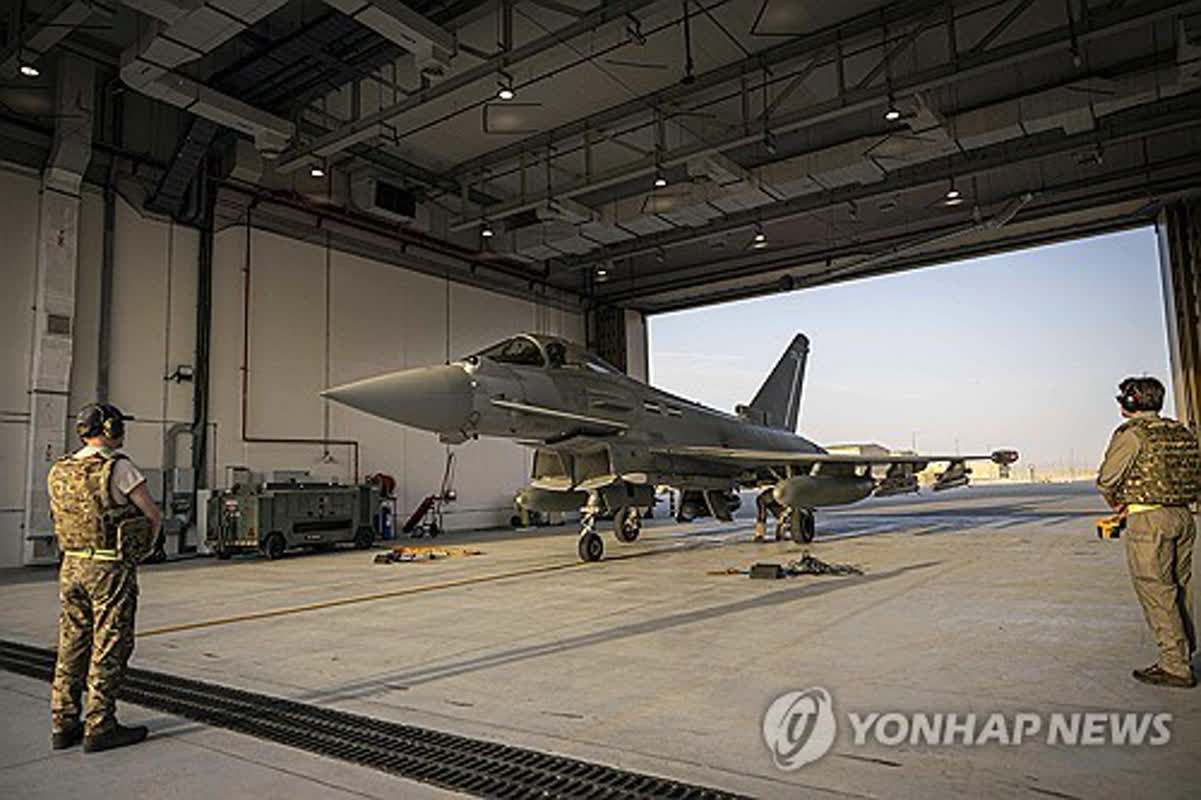
Anduril’s collaboration with Korean Air on aerial unmanned systems has reached the demonstration phase. Kim said the team recently completed successful test flights in South Korea using three Korean Air aircraft equipped with Anduril’s Lattice.
The Korean Air tests are a forward demonstration intended to inform potential future small‑UAS requirements from the Republic of Korea Air Force, Kim said, while clarifying that the work is not yet part of any Defense Acquisition Program Administration project.
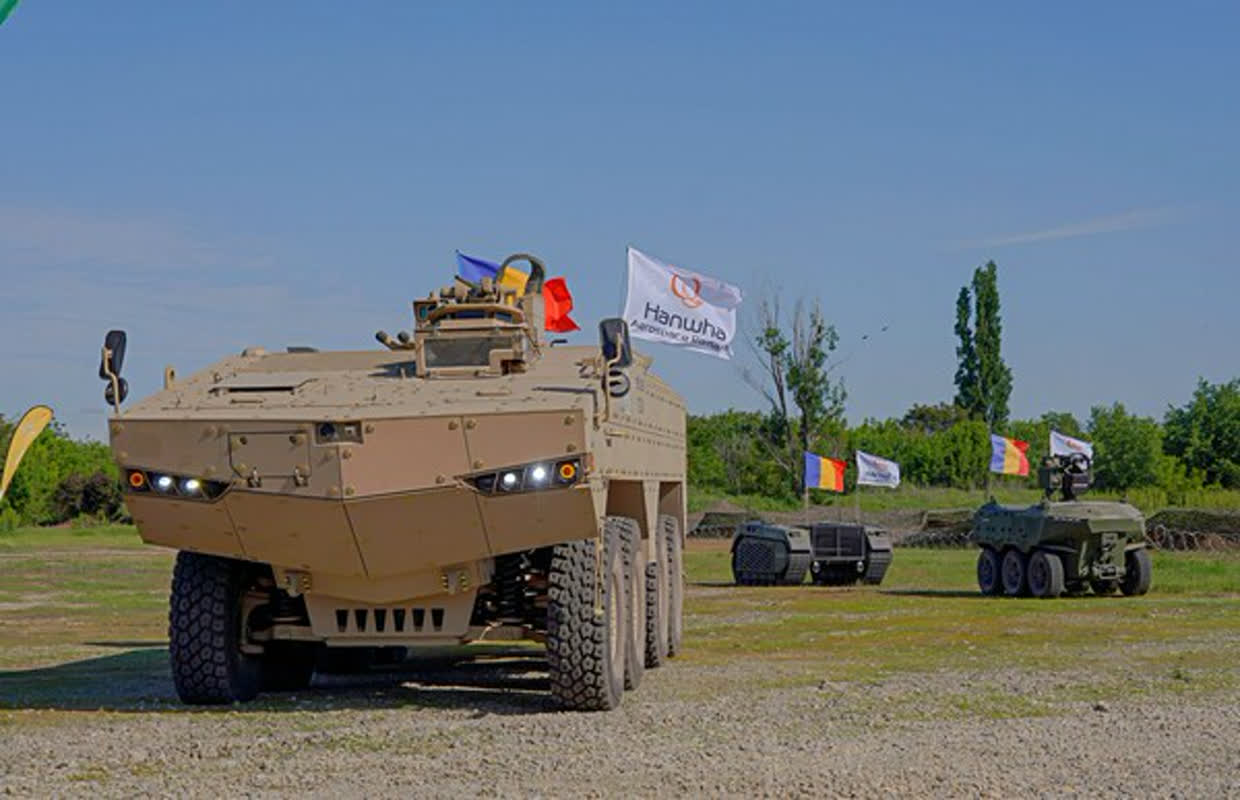
Anduril is also broadening cooperation in ground unmanned systems. That morning the company signed a memorandum of understanding with Hyundai Rotem to develop an AI‑based manned‑unmanned teaming (MUM‑T) integrated command‑and‑control system. Anduril will apply Lattice to Hyundai Rotem’s unmanned platforms and principal ground systems to improve real‑time situational awareness and autonomous mission performance.
Anduril is working to fold Korean suppliers into its global supply chain. Schimpf said Korean vendors can manufacture at scale, offer highly competitive pricing and meet tight schedules. \"We have supply‑chain staff based in Korea building relationships and bringing these suppliers into Anduril’s global supply chain,\" he said.
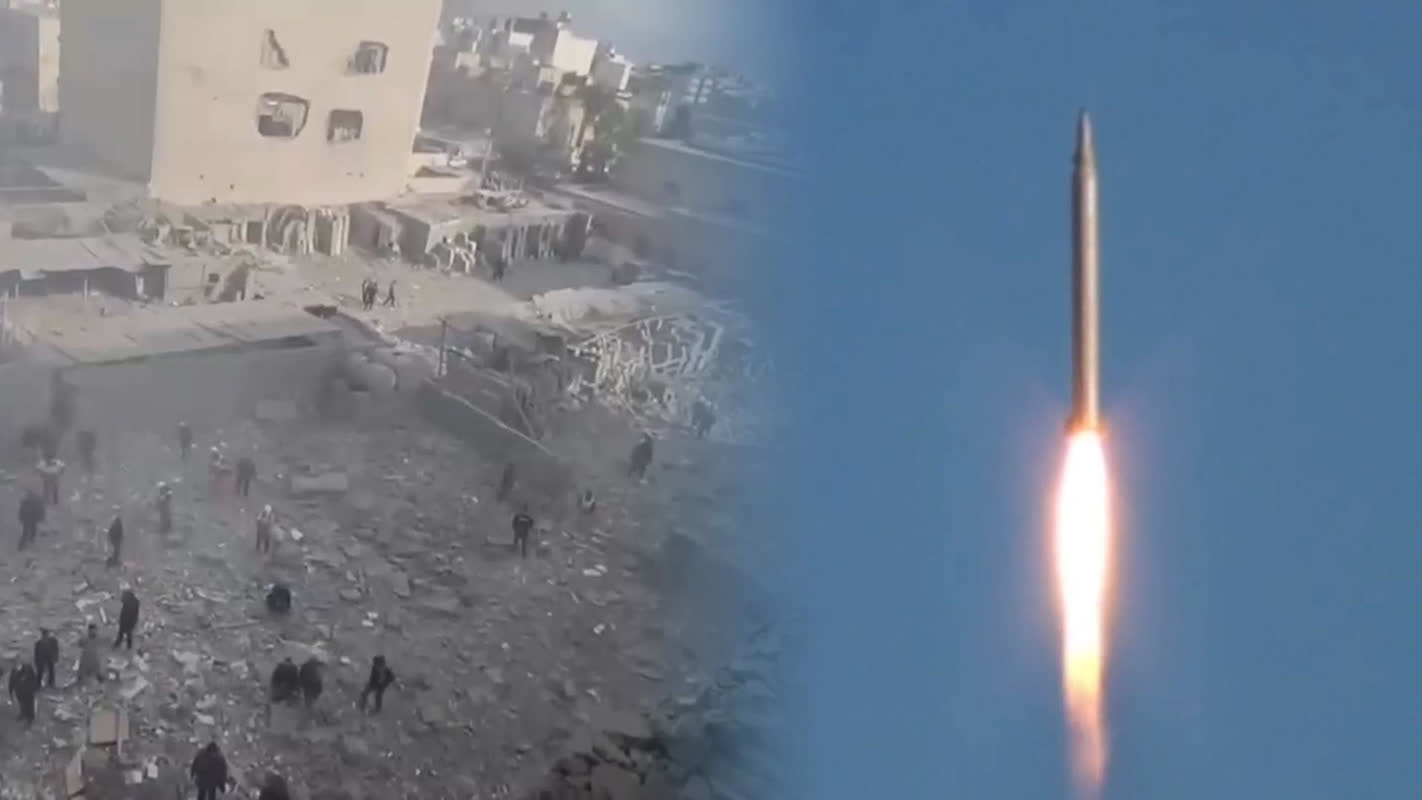
Anduril cited shifts in modern warfare as another reason to deepen ties with Korean firms. The company said the Russia‑Ukraine war and conflicts in the Middle East show combat moving from expensive, large platforms toward low‑cost, mass‑produced autonomous systems.
Schimpf warned that the volume of weapons and systems consumed in modern war is astronomical. He said the U.S. and its allies will demand more ammunition, deeper stockpiles, cheaper weapons and faster production systems. \"This shift is only beginning and will unfold over the next five to ten years,\" he said.
© Dailian Co. Unauthorized reproduction or redistribution prohibited
- People Power Party: President used the insult 'ㅂㅅ' in public…the opening act of Lee's reign of fear
- Democratic Party abandons the 'Jeonbuk‑born prodigy'…an official split in the Honam region?
- From baseball to supermarkets and convenience stores…BC Card runs 'MyTech' events for Family Month
- Blue House to conduct comprehensive review on N. Korea constitutional amendment…will consistently pursue a policy of peaceful coexistence on the peninsula
- After Park Seong‑jun: People misunderstood the meaning of dismissal of prosecution—uproar…People Power Party's arrogance deepens