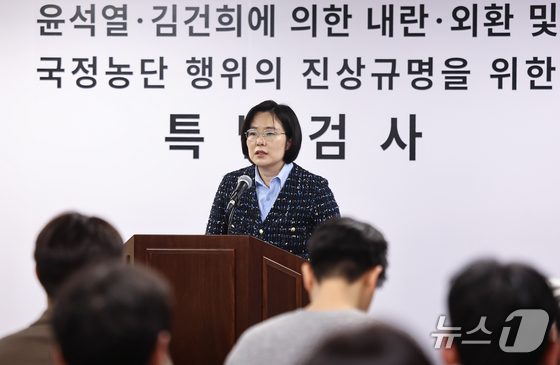
The second comprehensive special prosecution team, led by Special Prosecutor Kwon Chang-young, has opened cases against former Joint Chiefs of Staff officials — including ex-chair Kim Myung-soo — and imposed travel bans as it intensifies a probe into alleged involvement in the insurrection. The move follows the third special prosecution's work and targets remaining allegations.
Deputy Special Prosecutor Kim Ji-mi told reporters at a 2 p.m. briefing on March 11 that the office has filed charges against relevant Joint Chiefs officials for performing key roles in the insurrection, imposed travel bans, and will begin a full investigation shortly, starting with witness interviews.
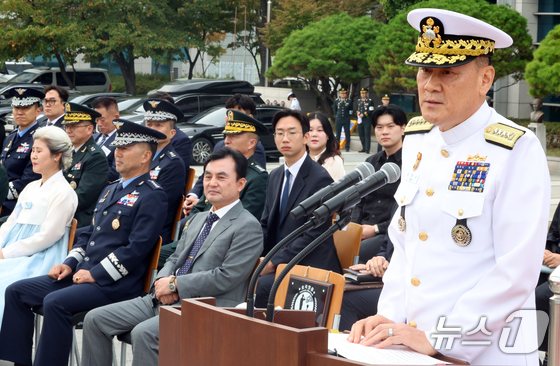
The office has designated this its top-priority case and has opened files on several senior officers, including former chair Kim Myung-soo, former deputy chief Jeong Jin-pal, former Military Support Command chief Kang Dong-gil, and former operations chief Lee Seung-o.
Prosecutors allege those officers monitored troop movements from the Joint Chiefs' command-and-control center after the Dec. 3 declaration of martial law and later cooperated in forming the martial-law command — conduct investigators say amounts to participation in the insurrection.
The team is reportedly weighing charges under the Military Criminal Act against the former chair for negligent failure to prevent crimes by subordinates. That charge alleges a superior, aware that subordinates intended to commit criminal acts together, failed to take all necessary measures to stop them.
Earlier, the special prosecution team that probed the insurrection under Special Prosecutor Cho Eun-seok said it could not find evidence that the Joint Chiefs concretely participated from the declaration through the lifting of martial law, and effectively excluded senior military officers, including the former chair, from its investigation.
The special prosecution team has received and is reviewing about 20 cases transferred from Korea's National Police Agency Criminal Investigation Headquarters. It has also requested and obtained materials from the third special prosecution.
The investigation currently covers 17 allegations in total, including the planning and preparation for the Dec. 3 declaration of martial law; an alleged scheme to use drones and other means to provoke a North Korean response; and allegations that Kim Keon-hee interfered in state affairs and personnel decisions.
Deputy Special Prosecutor Kim said some suspects tied to the \"Yangpyeong Expressway\" case were indicted under the Kim Keon-hee special prosecution (Special Prosecutor Min Jung-gi), but outstanding questions remain. He said the team will continue investigating those matters, including allegations that the Kim Keon-hee special prosecution quashed an investigation into stock-price manipulation at Deutsche Motors.
He added the office will review records and question related parties to establish facts in an allegation that Kim Keon-hee improperly intervened in state contracts related to the relocation of the presidential office and the official residence, conduct prosecutors say created security risks.
The special prosecution team formally launched on the 25th of last month after a 20-day preparation period, but it has not yet finalized its staffing.
At the briefing, prosecutors said the office currently includes Special Prosecutor Kwon, four deputy special prosecutors, five prosecutors at the division-chief level and above, 112 dispatched public officials including police officers, and 17 hired special investigators assigned to the investigation.
Deputy Special Prosecutor Kim said the office will request additional personnel from agencies and continue hiring more special investigators to complete its staffing.