As U.S. and Israeli military operations against Iran continue, The Washington Post reported that a drone struck a U.S. diplomatic facility in Baghdad.
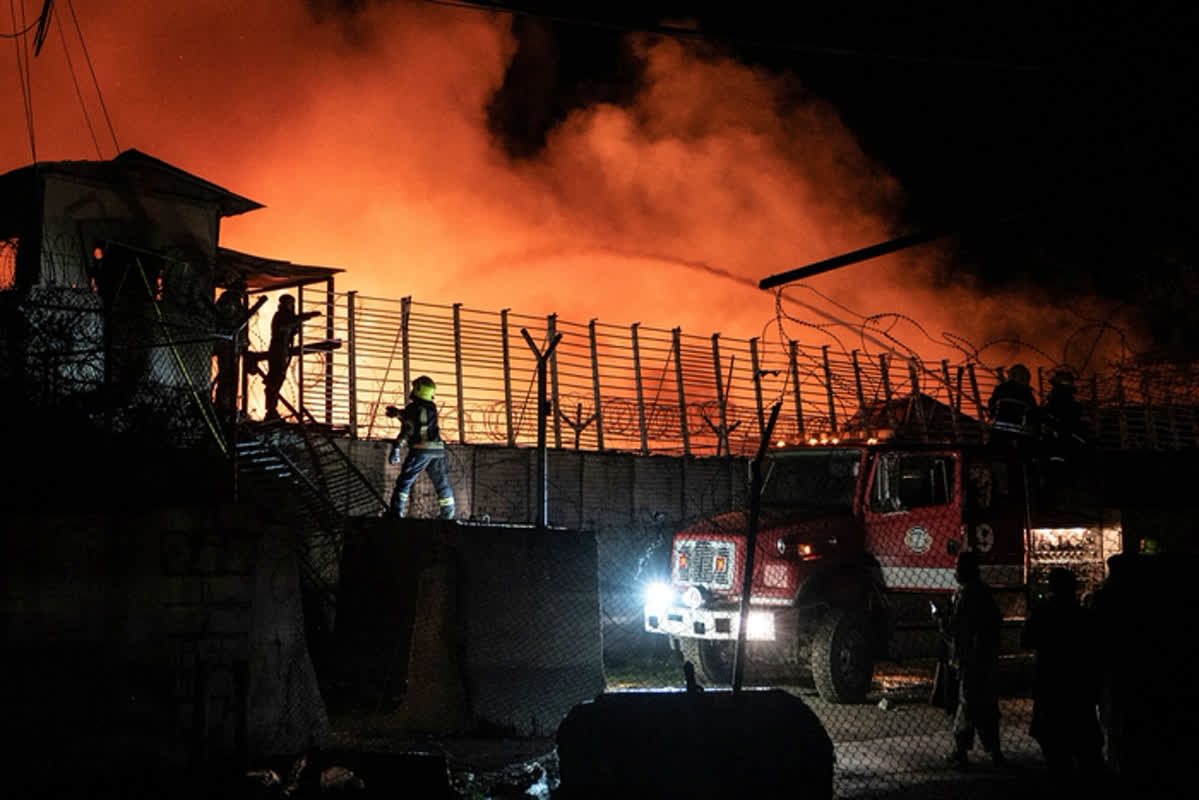
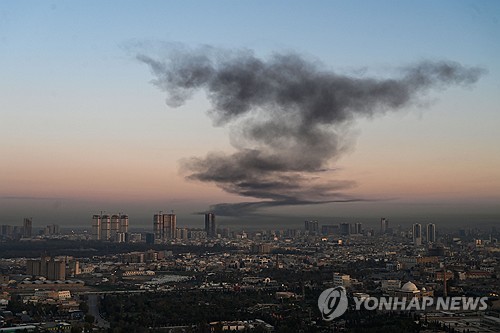
According to the Post, on the 10th local time a drone hit the Baghdad Diplomatic Support Center near Baghdad Airport.
The facility is a major logistics hub that supports U.S. diplomatic personnel stationed in Iraq.
Six drones approached the compound that day. Five were shot down, but one struck near a guard tower inside the facility.
The U.S. State Department immediately ordered personnel at the site to evacuate and is assessing casualties and the full extent of the damage.
The Iraqi Defense Ministry condemned the attack and said it would not stand by, vowing to decisively pursue those responsible.
The ministry did not provide separate details on damage to the U.S. facility.
An anonymous security official told reporters the attack likely came from a militia affiliated with the Iran-aligned Iraq Islamic Resistance.
The Washington Post noted that the Trump administration previously touted early military gains — including major blows to Iran’s naval forces and its ballistic missile program — but now faces blowback in the form of U.S. military casualties and rising energy prices.
The newspaper said the attack underscores how U.S. diplomatic facilities and forces deployed across the Middle East remain vulnerable.
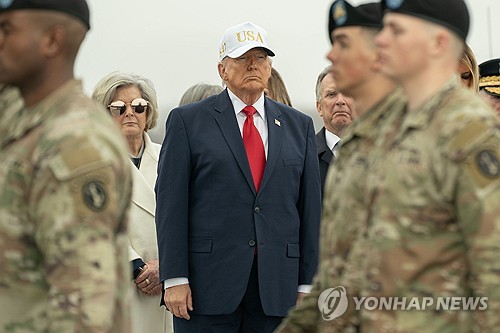
The U.S. Department of Defense says drone and missile strikes in the clashes with Iran have killed seven U.S. service members and wounded about 140 so far.
Attacks believed to be Iranian retaliation have spread to U.S. diplomatic facilities across the region.
Over the past week, strikes have hit the U.S. embassy building in Kuwait and the U.S. consulate in Dubai, United Arab Emirates.
In response, the State Department has pulled nonessential diplomatic staff out of multiple countries in the Middle East.
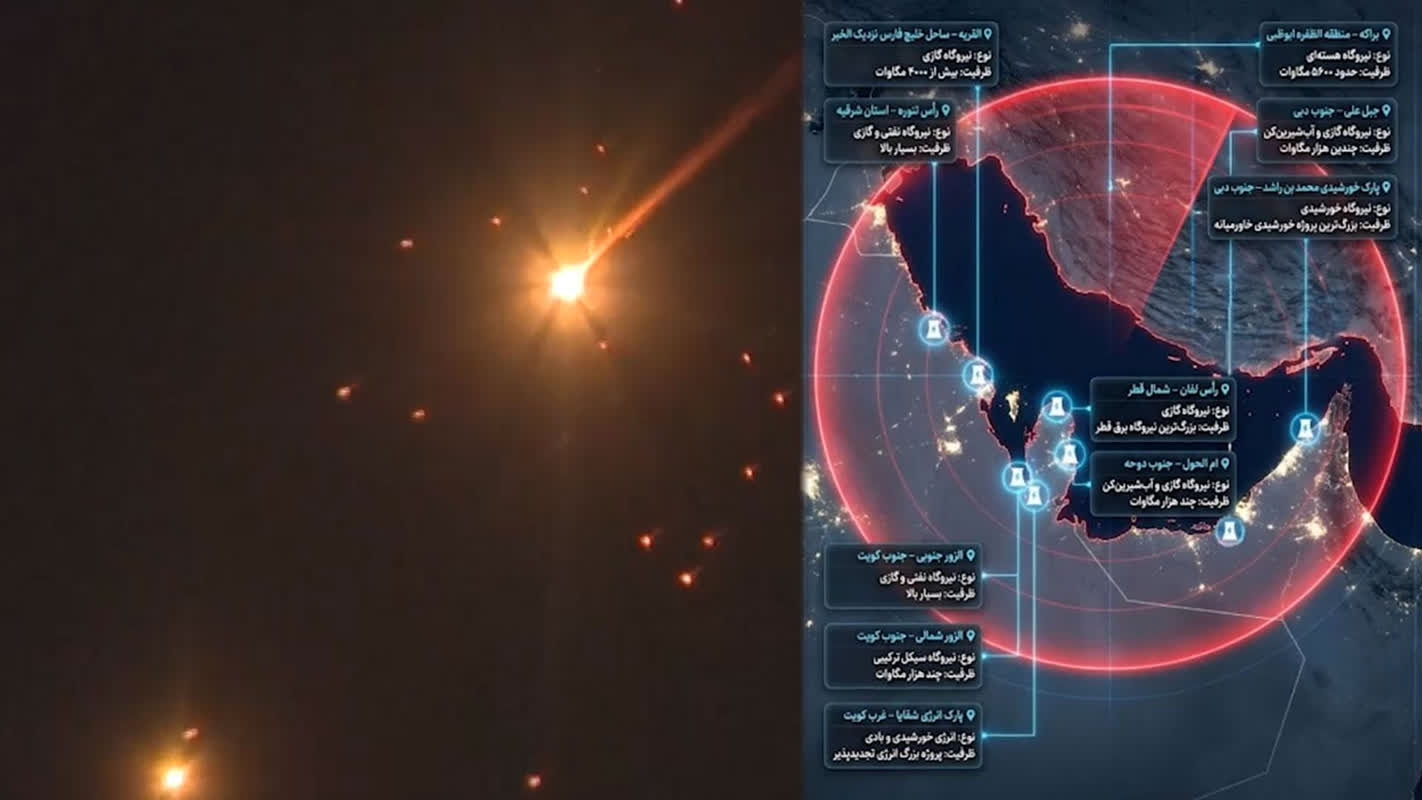
Meanwhile, Fox News reported on the 10th that Iran and Lebanon’s Hezbollah are conducting large, coordinated operations targeting Israel that employ cluster munitions.
Koby Michael, a senior researcher at Israel’s Institute for National Security Studies, told Fox News that Hezbollah and Iran are now conducting tightly coordinated attacks on Israel, with most of Hezbollah’s rockets and drones launched simultaneously with Iranian missiles.
Officials say roughly half of the projectiles headed toward Israel are cluster munitions — weapons that are difficult to intercept — prompting Israel to place its air defenses on high alert.
Cluster munitions break into dozens of small bomblets in the air and cause indiscriminate damage over wide areas. About 120 countries banned their use under the 2008 Convention on Cluster Munitions.
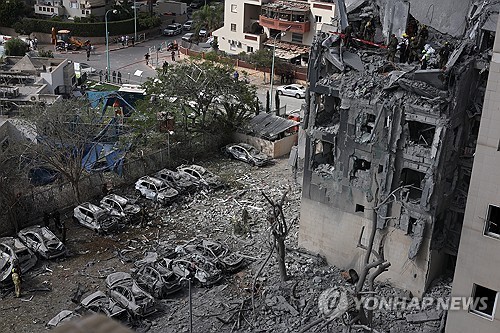
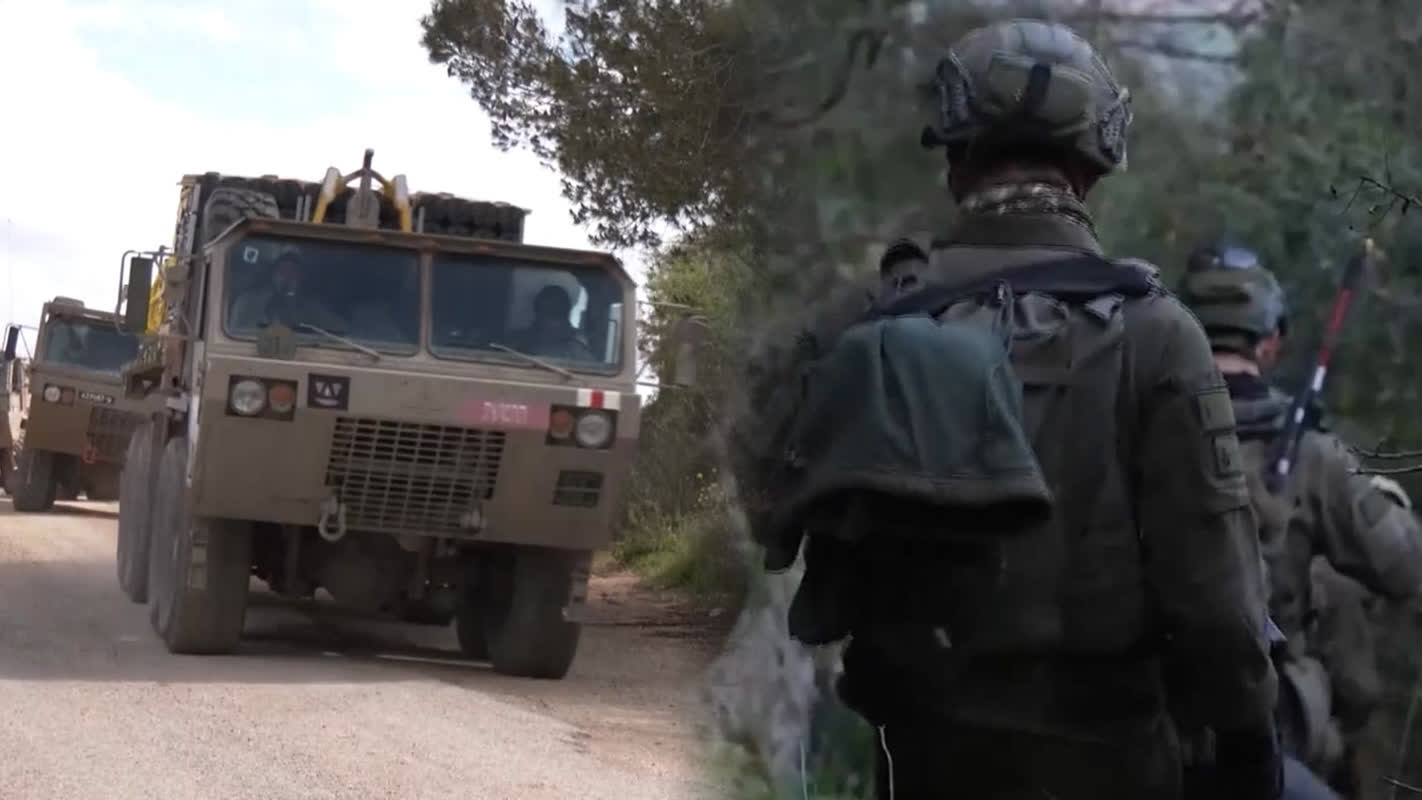
Reuters reports that as concerns grow about a possible ground war between Israel and Hezbollah in southern Lebanon, Hezbollah has been revising its tactics based on past battlefield experience.
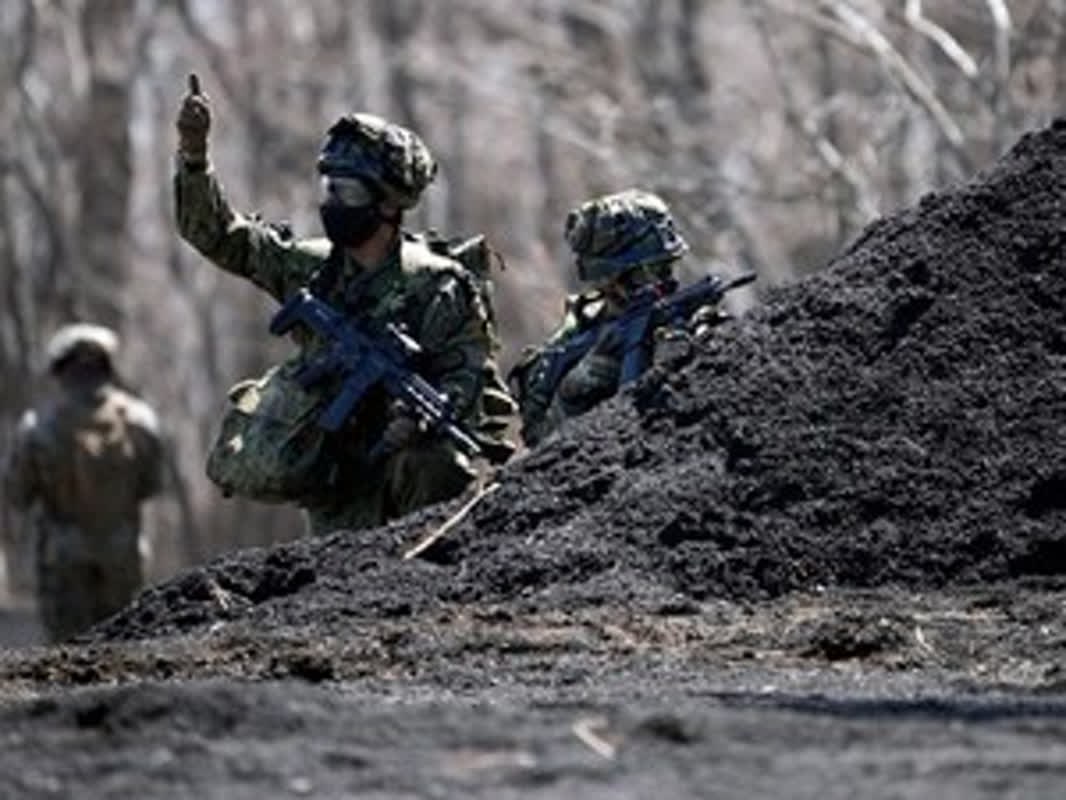
Hezbollah fighters are operating in small units, minimizing communications to avoid Israeli interception, and limiting use of key weapons such as major anti-tank rockets as they prepare for a prolonged conflict.
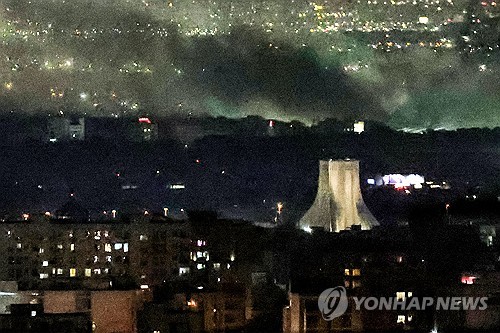
On the same day, the United States and Israel carried out airstrikes across Iran, including strikes in Tehran.
Defense Secretary Pete Hegseus told reporters at the Pentagon during a briefing on operations against Iran that the day’s strikes would once again be the most intense yet.
Reuters quoted Iranian military spokesman Abolfazl Shekarchi as vowing retaliation and urging neighboring countries and Muslim communities to report locations used by the United States and “Zionists” (a reference to Israel).
He said the tips would help maximize the precision and impact of future strikes.
#Iran #UnitedStates #Israel #missiles #airdefenses #diplomaticfacilities
Yonhap TV news tips and inquiries: KakaoTalk/Line jebo23
Shin Juwon (nanjuhee@yna.co.kr)