China may try to replace its entire fleet with nuclear submarines
Beijing seeks to extend power across the Pacific
This shift also presents a growing threat to the United States
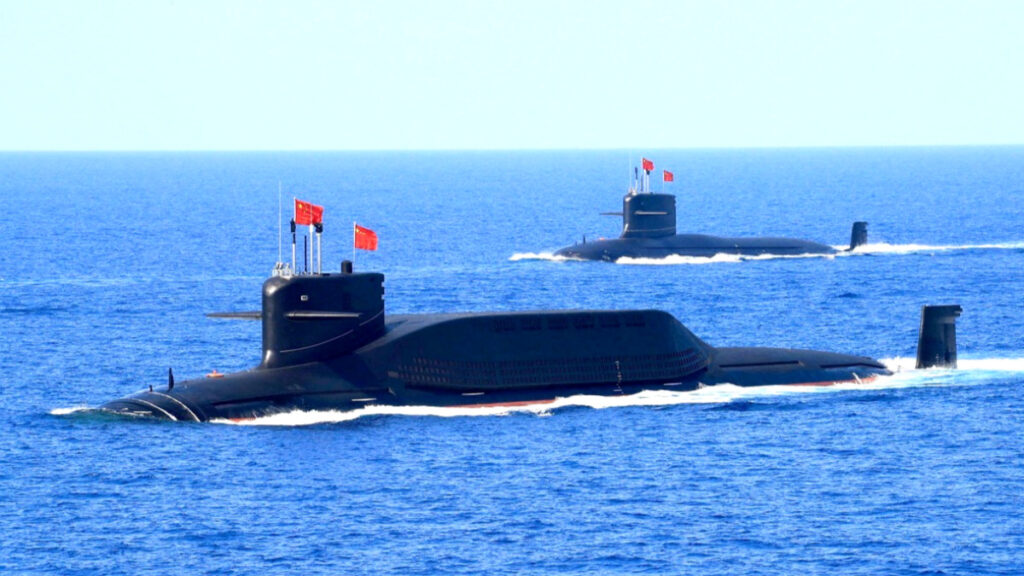
U.S. Navy submarine commanders warned that Beijing is rapidly strengthening its undersea forces to challenge American regional dominance and may ultimately convert its entire submarine fleet to nuclear propulsion.
The assessment was delivered at a public hearing of the U.S.-China Economic and Security Review Commission (USCC) by senior U.S. submarine officers.
Current mix of conventional and nuclear submarines
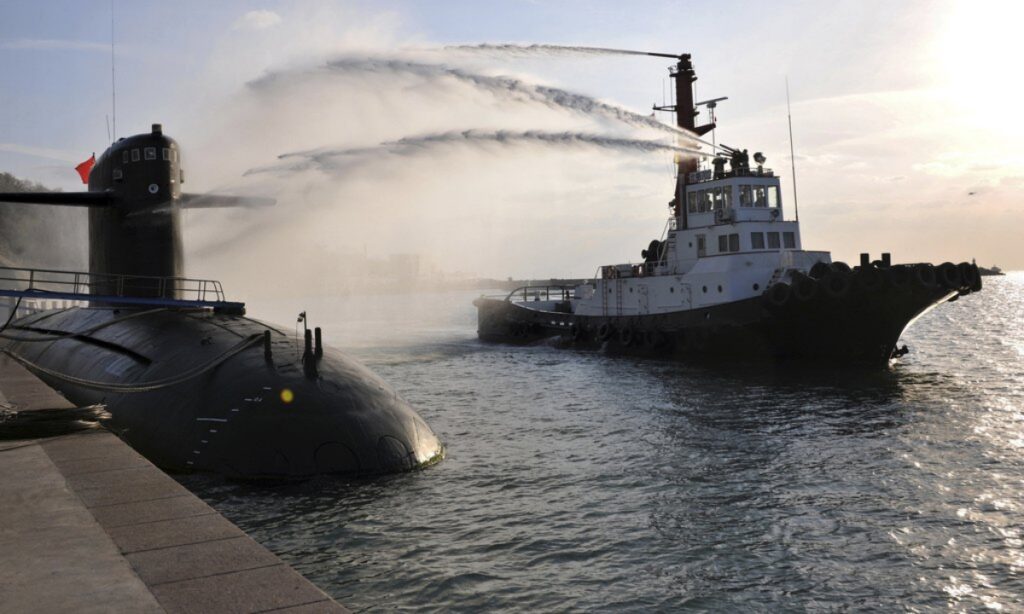
Today, about 50 of China’s submarines—roughly 80 percent of its fleet—are conventionally powered. Its nuclear inventory totals about 14 boats across three roles: nuclear-powered attack submarines, cruise-missile nuclear submarines, and ballistic-missile nuclear submarines.
Beijing is producing at least one new nuclear submarine a year. U.S. Navy analysts say that, as a whole, China’s submarine force could approach the capability Russia fields.
Chinese military leaders have reportedly directed a shift to an all-nuclear submarine force. If implemented, new submarines rolling off Chinese shipyards would be nuclear-powered.
The PLA’s primary nuclear classes are the Type 094 and Type 093, and Beijing is working on more advanced designs such as the Type 096.
Concerns over a broader Pacific presence
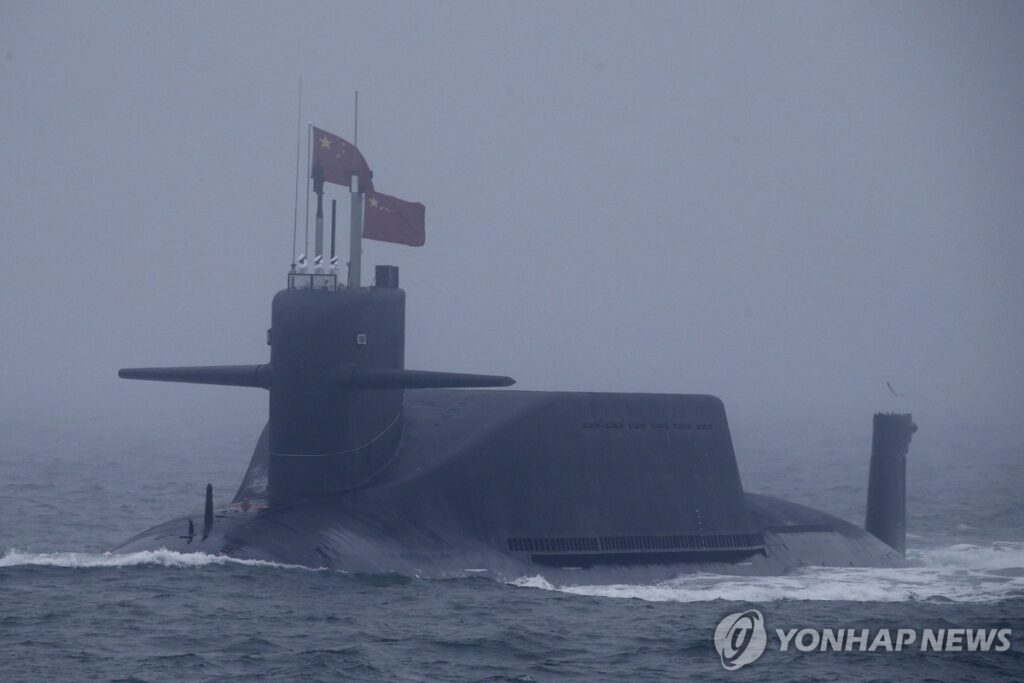
At the hearing, U.S. commanders Richard Saif and Mike Brooks testified that China intends to field nuclear-armed missiles on all of its nuclear submarines.
They said Beijing is likely to boost the strike and deterrence capabilities of its submarines over the next decade as part of an anti-access/area-denial strategy aimed at blocking U.S. and allied reinforcement in a Taiwan contingency.
Saif warned that a stronger Chinese nuclear-submarine force could enable strikes against U.S. territory without transiting the first island chain, while also increasing offensive and deterrent pressure on South Korea and Japan.
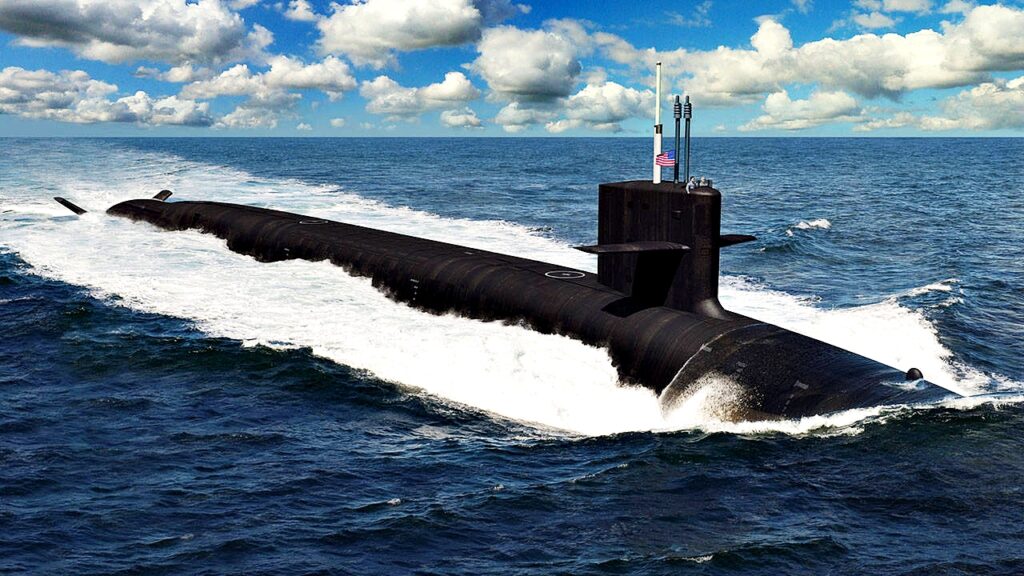
Nuclear-powered submarines can remain submerged far longer than conventional boats, making them harder to detect and track. Their stealth and endurance make them among the most potent and disruptive tools in a maritime campaign.
U.S. edge could be eroded
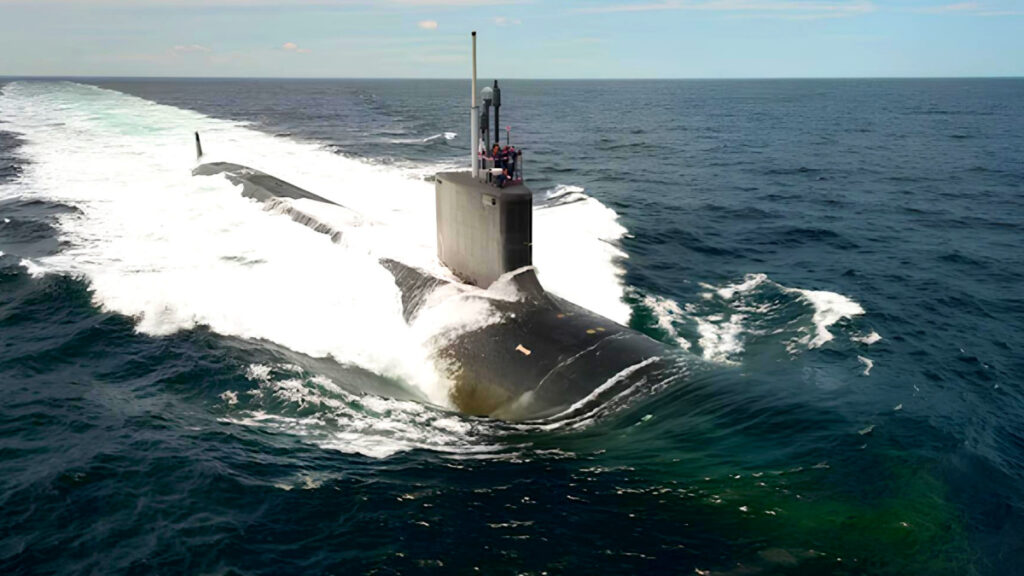
The United States has long held the world's most capable submarine force, in large part because it operates roughly 70 nuclear submarines. That force structure underpins U.S. global reach and deterrence.
Experts pointed to that advantage even after China surpassed the U.S. in total hull numbers. But a rapid Chinese pivot to an all-nuclear submarine fleet could undermine that edge.
U.S. shipbuilding currently lags China in nuclear-submarine production rate, and a weakened domestic shipbuilding base complicates efforts to close the shortfall in hulls the Navy says it needs.