[Anchor]
Analysts warn that if clashes between the United States and Iran continue, the outcome of any extended conflict could hinge on Beijing’s control of rare-earth elements.
They say the issue could become a central item at the U.S.-China summit. At the same time, China is accelerating work on a Russian gas pipeline as it reshapes its energy supply chains.
From Beijing, this is Bae Sam-jin.
[Reporter]
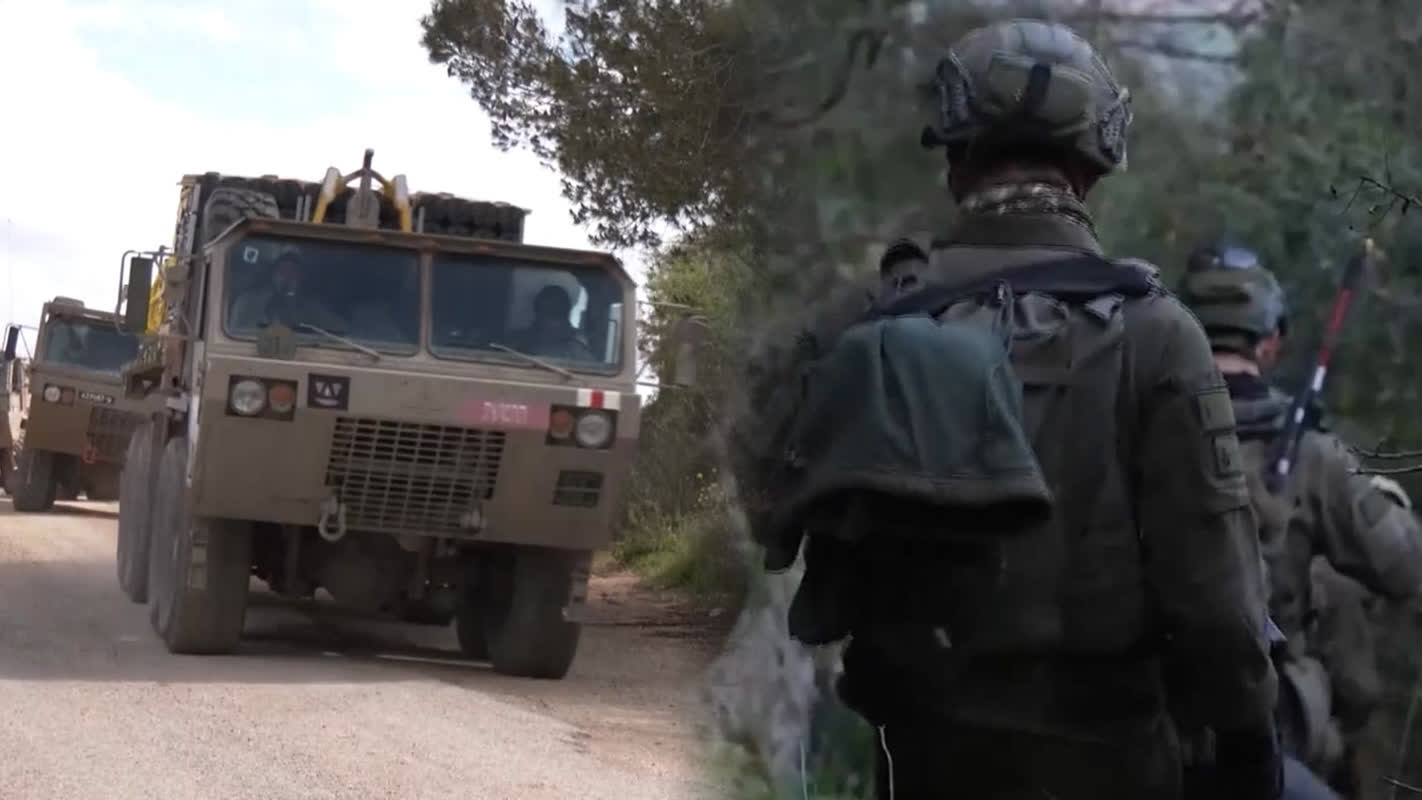
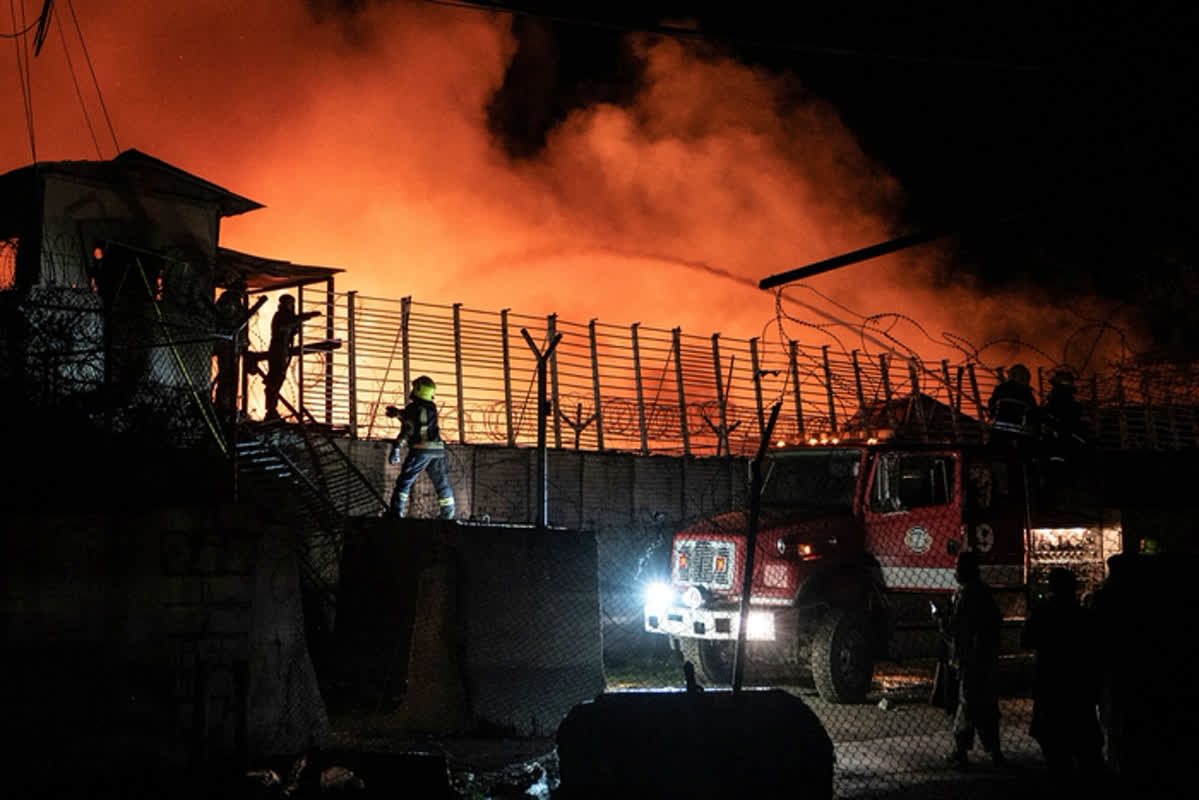
The U.S. military fired roughly 2,000 precision-guided munitions in the first two days of strikes on Iran.
Consumption of precision weapons has outpaced production capacity, leading analysts to argue that rare-earth elements may emerge as a key topic at the leaders' meeting.
Some analysts also point to rare-earth concerns as a factor behind President Donald Trump’s initial reference to a four-week war with Iran and his later suggestion the conflict could end sooner.
Since last year, China has placed 12 critical heavy rare-earth elements — including dysprosium and terbium, used in missiles, jet engines and drones — under a special export-permit regime for shipments to the United States.
Those minerals are dual-use for military applications, and about 70% of U.S. imports come from China.
\"This reflects China’s consistent position to firmly safeguard world peace and regional stability, and it is not targeted at any specific country,\" said Guo Jiakun, a spokesperson for the Chinese Foreign Ministry.
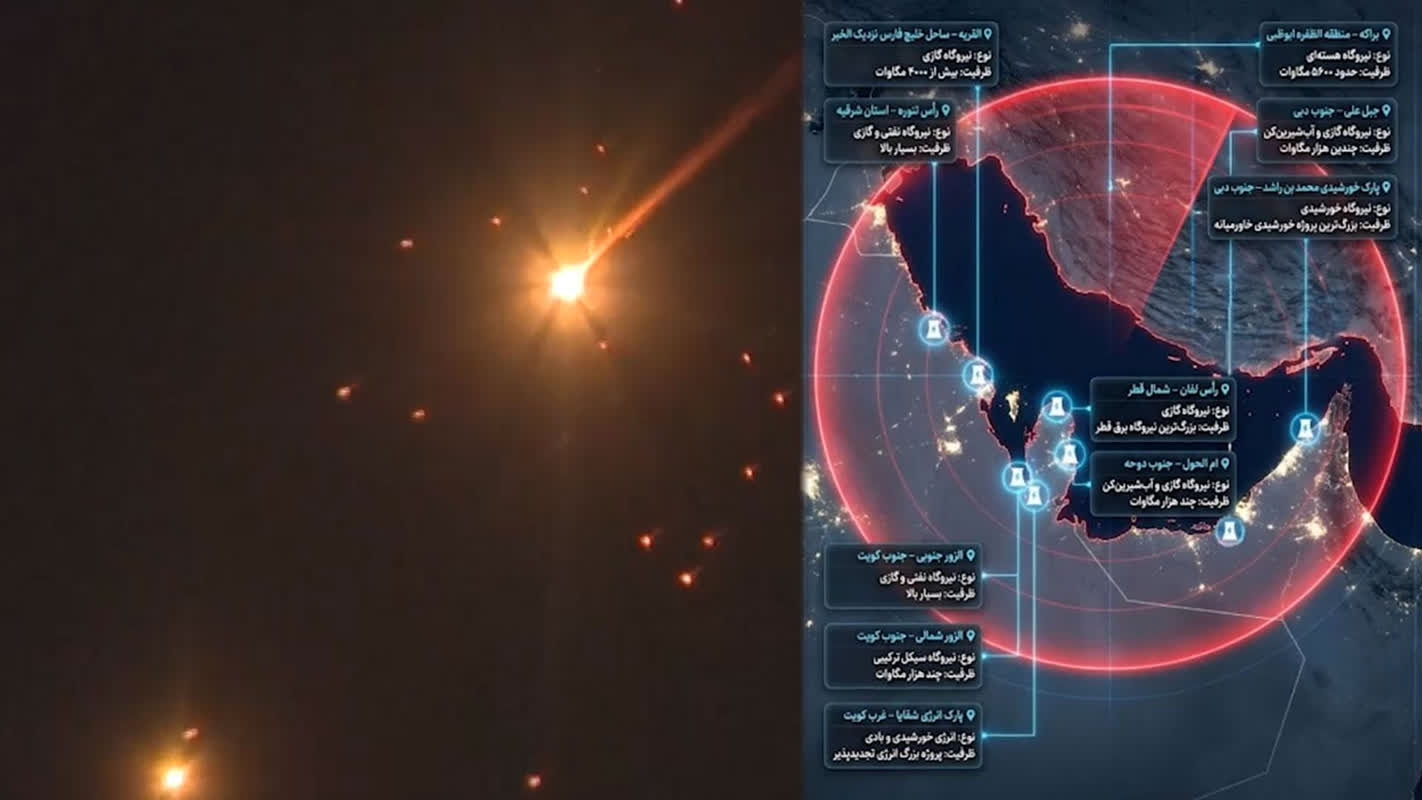
With growing instability in Middle East energy supplies, Beijing has also adjusted its energy strategy.
The draft 15th Five-Year Plan calls for pushing ahead the mid-route natural-gas pipeline linking to Russia — often referred to as \"Power of Siberia 2.\"
China plans to begin construction next year on a pipeline aimed at delivering 50 billion cubic meters of gas a year and to start supplies by 2030.
The move aims to expand overland energy routes instead of relying on increasingly risky sea lanes through the Middle East. That strategy could deepen energy ties between Russia, which has lost access to European markets, and China.
\"In recent years, China has diversified its energy sources and strengthened cooperation with Russia and Central Asia. Overland pipelines are not affected by tensions in the Strait of Hormuz,\" said Zhang Yuanwei, a Chinese military expert.
Analysts say the trajectory of any prolonged conflict will depend on which side can secure critical resources. China’s rare-earth controls and its push to diversify energy supplies have emerged as key variables in the strategic competition between Washington and Beijing.
This is Bae Sam-jin for Yonhap News TV in Beijing.
[Video reporter: Im Im-rak]
[Video editor: Kim Chan]
Yonhap News TV story inquiries and tips: KakaoTalk/Line jebo23
Bae Sam-jin (baesj@yna.co.kr)