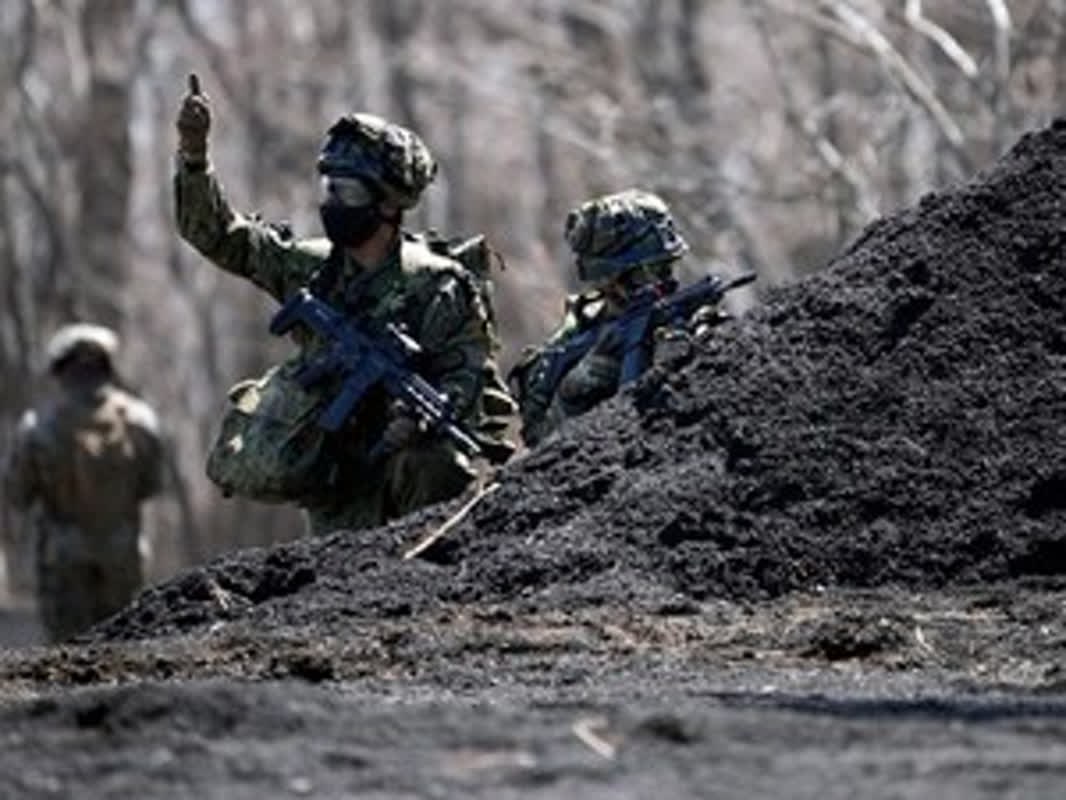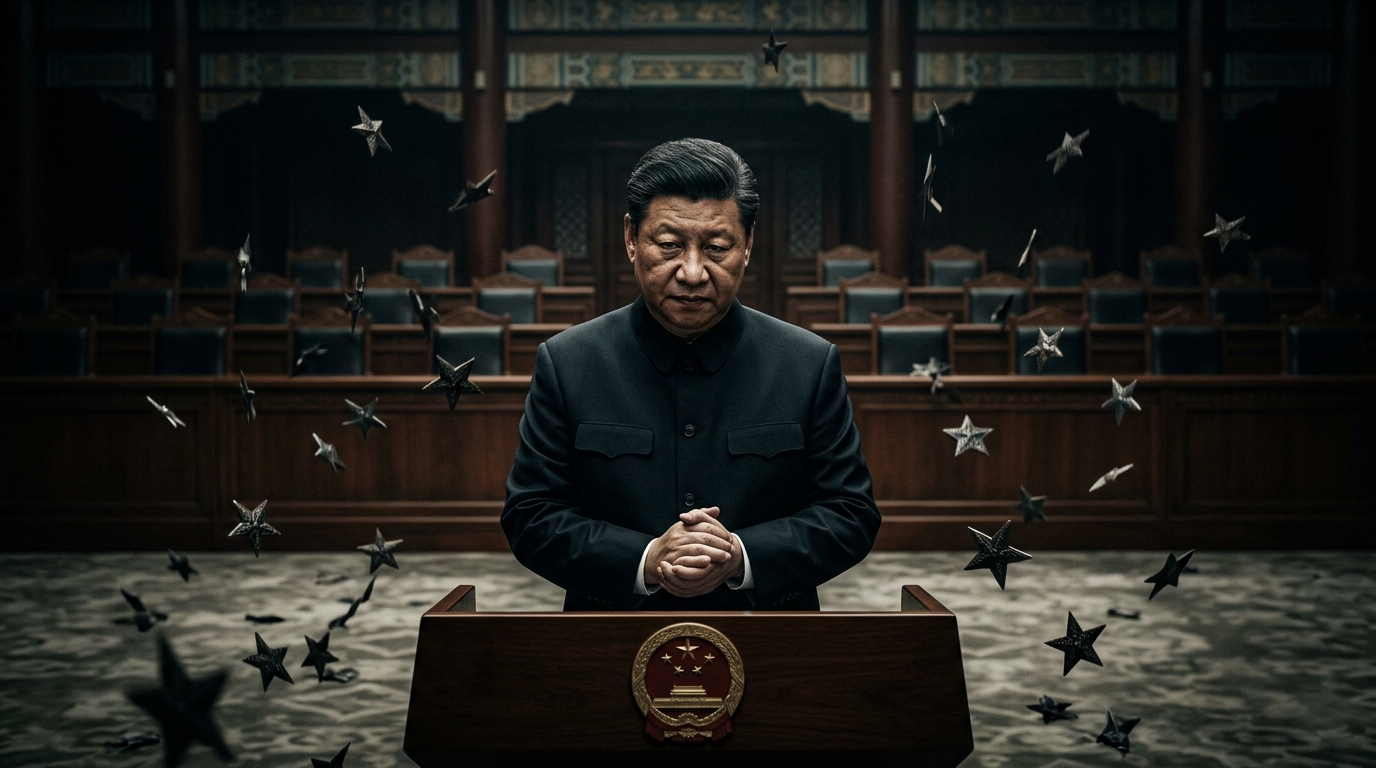
The leader who pledged to build a stronger military has instead excised its core. Xi Jinping’s anti-corruption campaign has gutted the People’s Liberation Army’s top command, leaving Beijing’s forces with a dangerous leadership vacuum — and no clear answer to who would pull the trigger.
More than 30 senior officers, including figures at the vice-chair level of the Central Military Commission, have been investigated or removed on corruption charges such as bribery. This purge — the largest in PLA history — has fostered a culture of paralysis inside the force, where inaction is increasingly seen as the safest course.
Three years of purges that hollowed out the top command
The paralysis began in 2023, when Defense Minister Li Shangfu abruptly stopped carrying out official duties. In October that year, Xinhua announced Li’s removal from his vice-chair role on the Central Military Commission for “serious violations.”
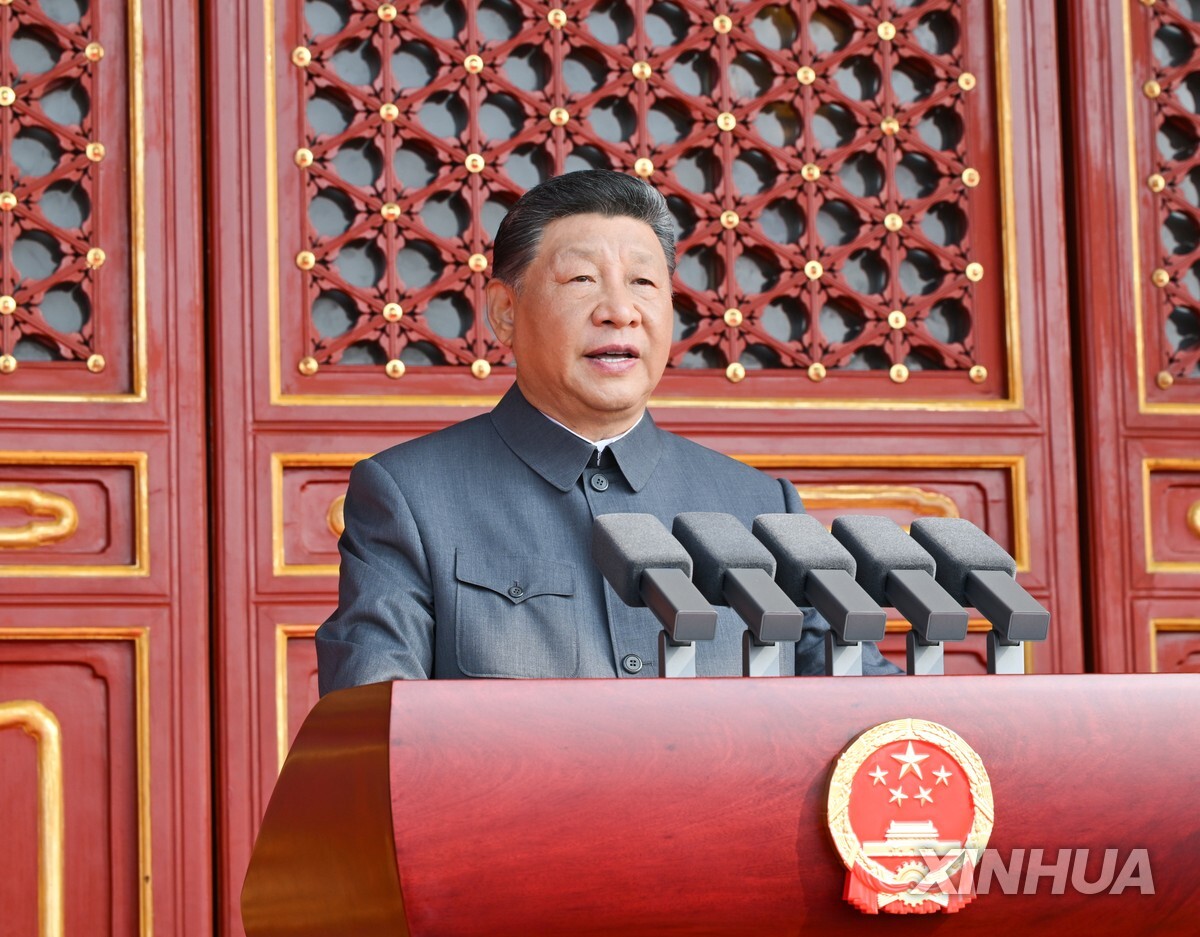
The fallout accelerated. In July 2023, Rocket Force commander Li Guoqing was dismissed and investigated on bribery allegations. Deputies Lu Guang and Feng Shurun were also removed. Replacements swept through the Strategic Support Force, destabilizing the PLA’s core operational command structures.
The episode recalls a chilling historical precedent. When Stalin purged roughly 35,000 officers — about 40% of the general officer corps — in 1937–38, the Soviet military descended into chaos at the start of the German invasion. U.S. defense think tanks RAND Corp. and the Center for Strategic and International Studies warn the most dangerous gap today is in China’s strategic forces, particularly the PLA Rocket Force (PLARF). They highlight the new commanders’ lack of combat experience as a serious vulnerability.
Embattled leader may redirect attention through external provocations
A degraded PLA does not necessarily mean greater stability on the Korean Peninsula. Western diplomats and security analysts consistently note that authoritarian regimes often manufacture external threats to rally domestic support when internal cohesion cracks. Chinese military activity in the Taiwan Strait climbed more than 30% above normal after 2024, and China Coast Guard patrols in the South China Sea surged roughly 40% in 2025.
Xi could intentionally provoke limited clashes in the Taiwan Strait or the South China Sea to quickly reassert discipline and put a show of strength behind his shaken authority — a growing and tangible risk. The inexperience of newly promoted commanders compounds the danger, increasing the likelihood of miscalculation or accidental engagements.
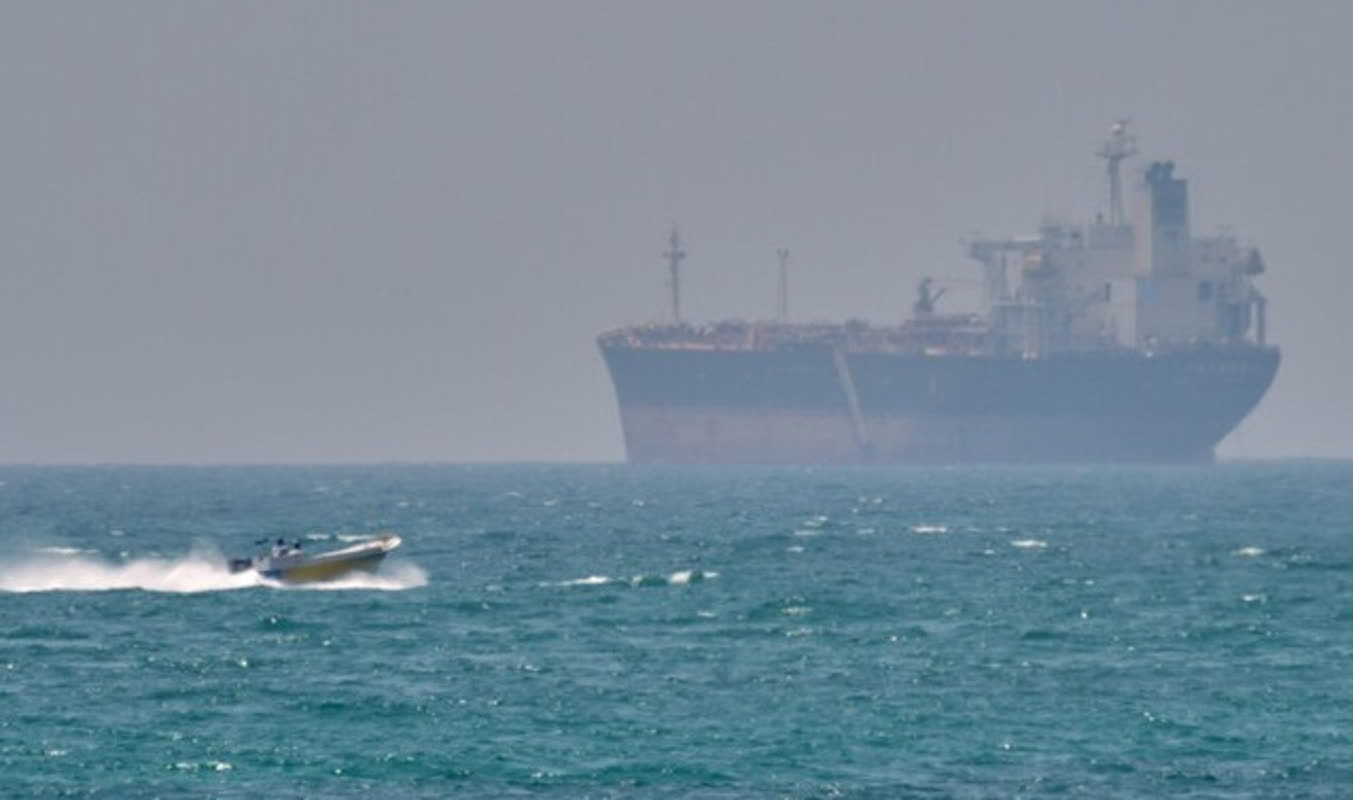
Shipping routes that carry 30–40% of South Korea’s trade are now at risk
The stakes for South Korea are clear. The Taiwan Strait handles about 12–15% of South Korea’s cargo volume, while the South China Sea accounts for roughly 20–25%. Combined, those two waterways carry an estimated 32–40% of Korean trade. A single localized Chinese provocation could choke semiconductor inputs and energy supplies, drive up shipping costs, and spark cascading supply-chain failures that would severely damage South Korea’s economy.
Paradoxically, the internal fractures Xi’s purge has produced could make maritime security far more unpredictable for Seoul. When an adversary’s weakness becomes a source of provocation, South Korea must urgently reassess its naval deterrence posture and contingency plans for supply-chain disruptions.
Trending Now
- “K2 and K9 potential markets swing pro-Russia… Bulgaria’s election forces Korea’s defense industry to recalibrate strategy”
- “We built the KF-21, but China doubled its factories… the mass-production gap is South Korea’s strategic challenge”
- “Fired from inland China, it could still strike Pyeongtaek… CJ-10 deployment raises precision-strike threat to U.S. bases in Korea”