Escalating War in Iran and China’s Worst-Case Scenario
Two weeks after U.S. and Israeli strikes on Iran’s nuclear sites and leadership on Feb. 28, 2026, Iran’s regular military and the Islamic Revolutionary Guard Corps (IRGC) are showing signs of collapse. B-52 and B-2 bunker-busters demolished underground facilities in Tehran, while Israeli F-35s conducted precision strikes that gutted command nodes, leaving Iran’s command-and-control apparatus on the verge of failure.
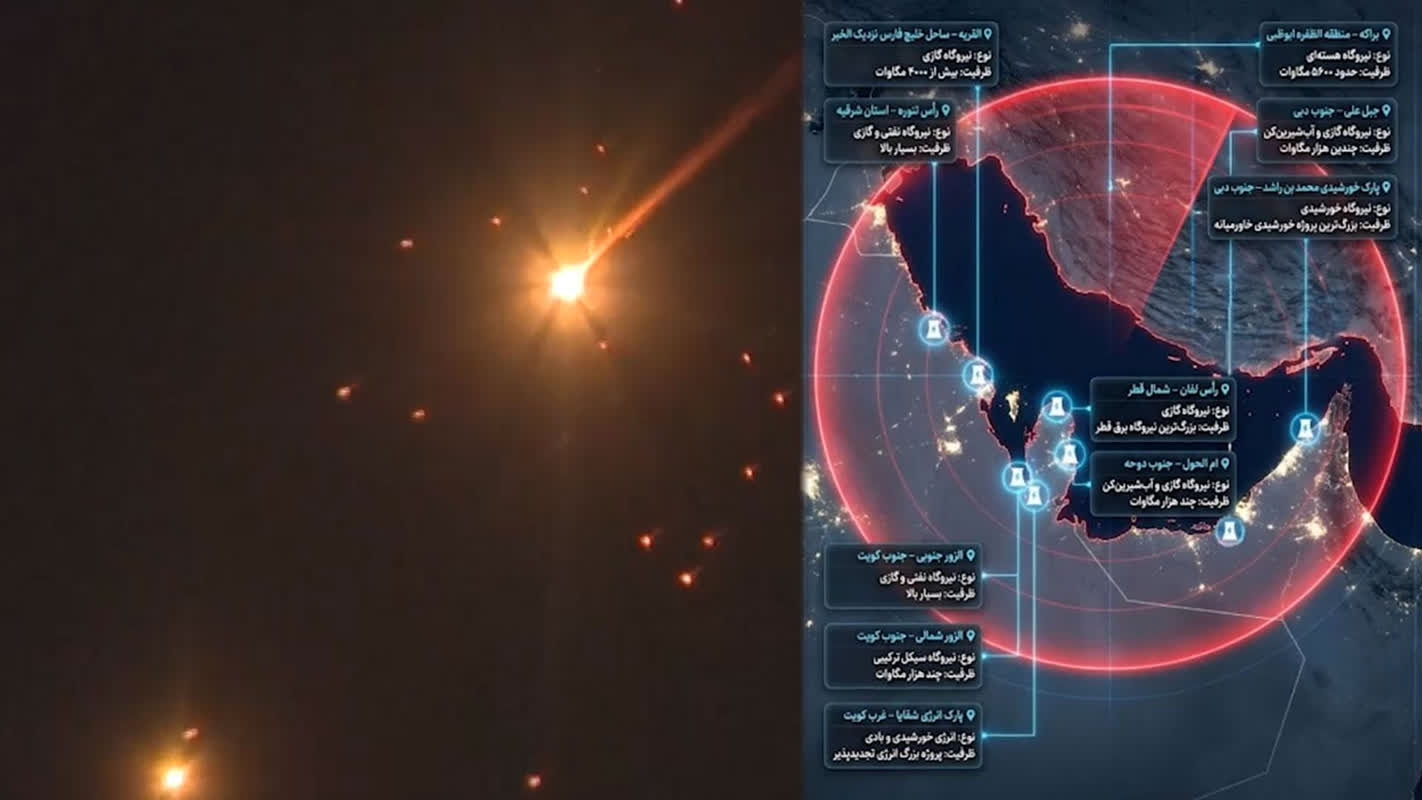
After Supreme Leader Ali Khamenei’s death, a temporary leadership council was formed, but internal divisions have paralyzed operational command. Iran’s Heybar-Shekan solid-fuel missiles and Fateh-1 ballistic missiles struck U.S. bases and Israel, but multilayered air defenses—reportedly with interception rates above 90%—neutralized most of the attacks. An attempt to close the Strait of Hormuz was broken up by U.S. carrier strike groups, effectively obliterating the Iranian surface fleet.
Beijing had counted on Iran as the last bulwark of the “axis of resistance.” If Tehran falls, China stands to lose its leverage across the Middle East. Iran’s defeat would be more than the loss of a regional partner; it would sever a geopolitical lifeline for China.
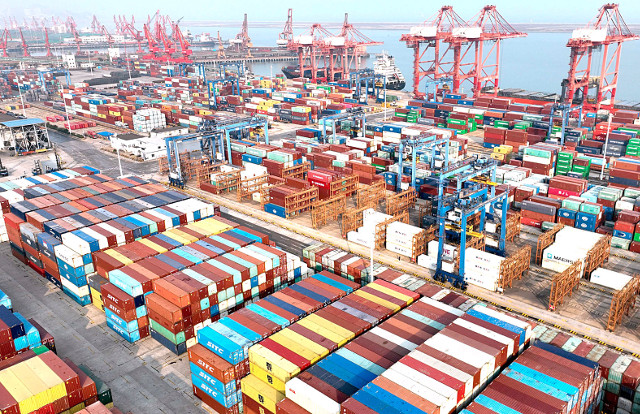
Oil Imports Cut by Half — Direct Hit to China’s Economy
China is the world’s largest crude importer and pulls more than 50% of its oil through the Strait of Hormuz. If Iran is defeated, tighter U.S. control of the Persian Gulf would likely restrict Chinese tankers’ access to the strait. Washington has previously used oil sanctions—most notably against Venezuela—to pressure Beijing.
If oil surpasses $150 per barrel, China could face more than $300 billion in additional annual energy costs. Growth forecasts for China’s 2026 GDP already sit near 3.8%; an energy shock could tip the economy into negative growth. Manufacturing hubs such as Guangdong could see factory utilization fall below 60%, eroding export competitiveness.
China’s strategic petroleum reserves cover only about 90 days of consumption. If long-term sanctions follow an Iranian defeat, nationwide blackouts and factory shutdowns would become real risks. Xi Jinping’s “common prosperity” message may not be enough to contain public anger if unemployment spikes past 20% and food shortages emerge, raising the prospect of political unrest.
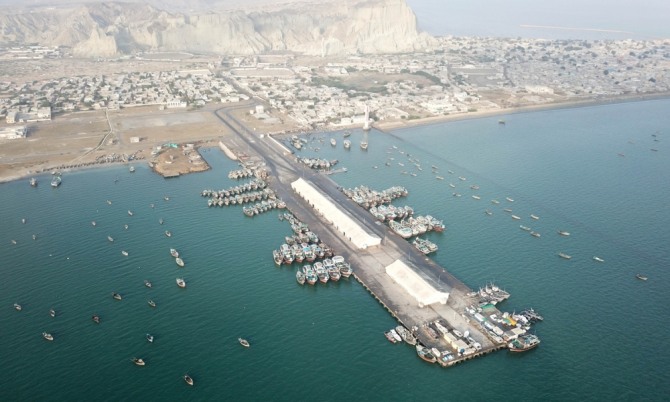
Complete Collapse of the Belt and Road’s Middle East Corridor
If Iran — a core Belt and Road ally — collapses, overland and maritime links from Pakistan’s Gwadar to Turkey could grind to a halt. Trans-Central Asia–Middle East rail links and the Pakistan–Iran gas pipeline could fall under U.S. military control, severing roughly $2 trillion of China’s trade connectivity.
Gwadar, the strategic port built with about $62 billion in Chinese investment, risks becoming a de facto “dead port” under U.S. sanction pressure. China’s commerce ministry has already reported an 80% drop in Gwadar container throughput as Beijing scrambles for alternative routes.
With northern Iranian railways and Turkey-border trade cut off, continental supplies of Central Asian gas and Middle Eastern oil would be disrupted. The Belt and Road initiative that symbolized Xi Jinping’s “Chinese Dream” could collapse in the Middle East, putting the global project in jeopardy.
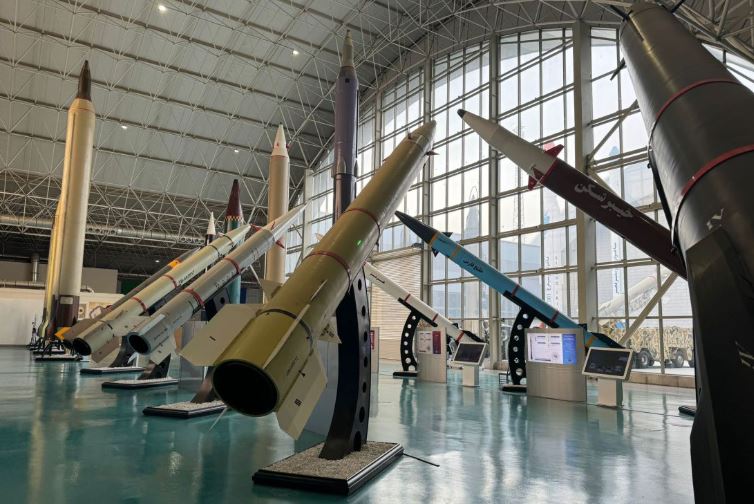
Military Isolation and Collapse of Arms Export Markets
Iran has been one of China’s largest arms customers, importing about $8 billion in systems over the past five years, including J-10 fighters, HQ-9 air-defense missiles, and 051C destroyers. Tehran’s defeat would damage confidence in Chinese systems and prompt order cancellations from buyers such as Pakistan and Algeria.
China and Russia once formed a core anti-U.S. weapons axis. If Iran falls, allied proxies in Syria, Yemen, and Iraq could unravel in sequence. U.S. and allied systems—among them South Korea’s Cheongung-II air defenses and K2 tanks—would seize market share, potentially cutting China’s arms exports by roughly 40%.
Critically, Iran’s Heybar-Shekan missile, developed with Chinese solid-fuel technology, failed against U.S. air defenses. That setback exposes limitations in Chinese advanced-weapons systems, undercutting confidence in the PLA’s combat credibility and complicating any international assessment of China’s ability to mount a Taiwan invasion.
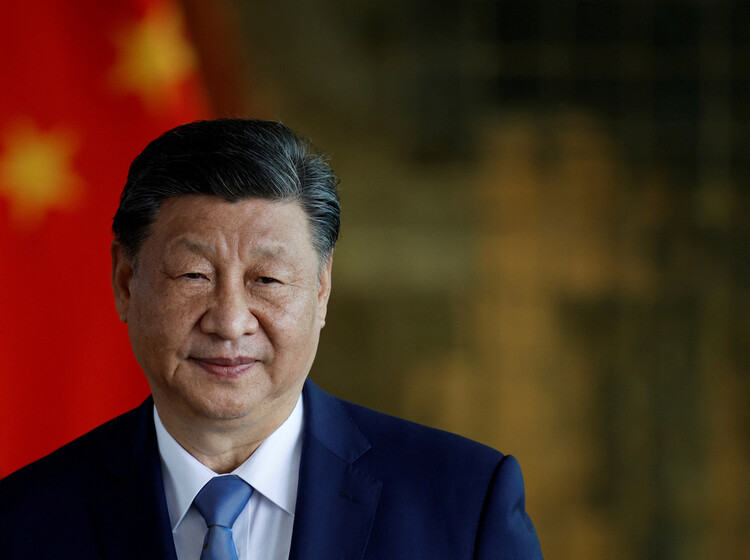
Xi’s Regime Faces Crisis and Accelerating Internal Splits
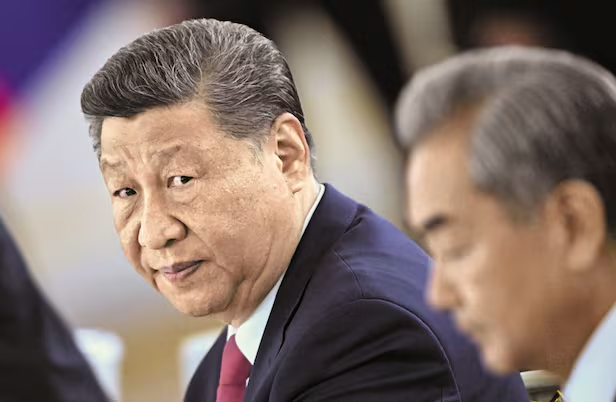
An Iranian defeat would spotlight Xi Jinping’s diplomatic failure and trigger factional fights inside the Communist Party. Vice President Wang Qishan and Premier Li Qiang are already trading blame over the failed Iran mediation. A pushback from Shanghai-based factions and the Communist Youth League could create the largest power vacuum since the 20th Party Congress.
Separatist pressures in Hong Kong, Xinjiang, and Tibet could resurface as Western media revive “China collapse” narratives. A failed military gamble, combined with economic collapse, could severely damage Xi’s image as a strong leader and inflame public discontent among China’s 1.5 billion citizens.
Chinese netizens have begun amplifying anti-government messages on Baidu and WeChat—posts such as “The China that abandoned Iran will soon be abandoned”—making dissent more visible. Xi’s three-term base could be shaken, and a reordering of the succession seems increasingly possible.
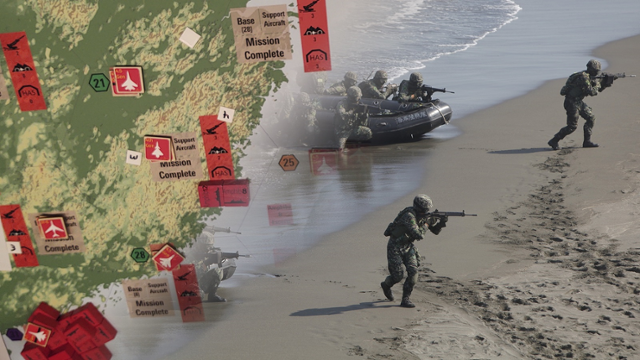
Faster Loss of Influence over Taiwan and the South China Sea
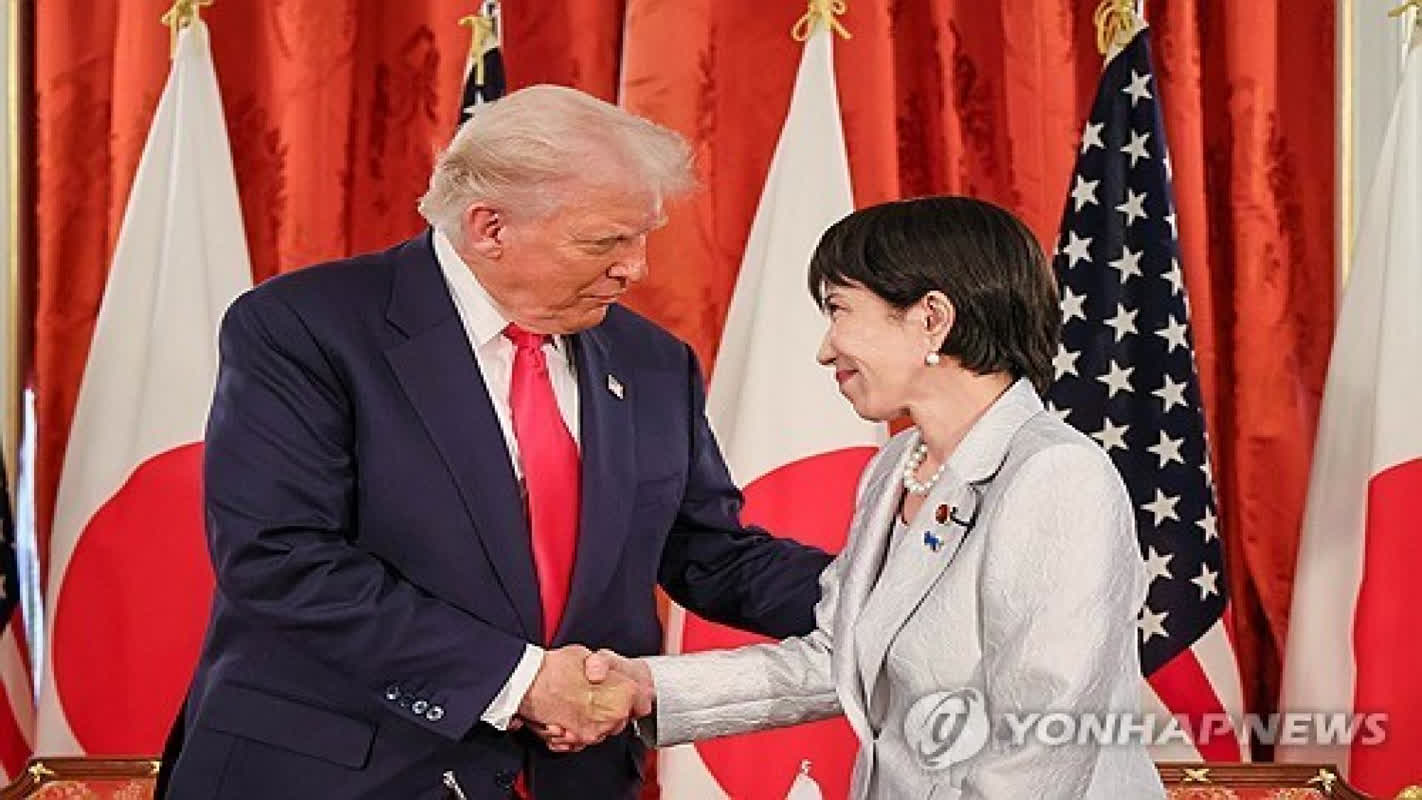
An Iranian defeat would also deliver a serious blow to China’s Western Pacific strategy. The U.S. could redeploy forces freed from the Middle East to the Taiwan Strait and the South China Sea, accelerating INDOPACOM’s force posture. Closer Quad-plus cooperation with Japan, Australia, and South Korea would strengthen the regional network to constrain Beijing.
Plans for a forcible unification of Taiwan could be delayed from a 2030 timeline to beyond 2035. The PLA’s Eastern Theater Command has reportedly diverted roughly 40% of its forces to Middle East operations, and allied air-defense and artillery systems—such as South Korean K9 howitzers and Cheongung-II batteries—have been battle-tested. The U.S. could more easily contest Taiwan’s airspace with B-21 Raiders and F-47 fighters.
The Spratly and Paracel islands in the South China Sea would become routine patrol zones for U.S. carrier strike groups, and China’s nine-dash-line claim faces a substantially higher risk of losing in international adjudication.
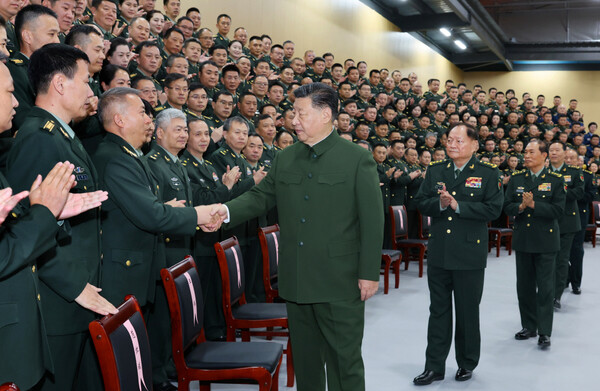
Risk of Internal Revolution and Xi’s Last-Ditch Moves
Within three months of an Iranian defeat, the Chinese Communist Party could confront the most severe crisis in its century-long rule. Xi might order a nationwide mobilization—calling up 5 million PLA regulars and 10 million militia—but youth aversion to war and rising desertions could undermine recruitment. Anti-war protests in Shanghai and Guangzhou could intensify, raising fears of a “Tiananmen 2.0.”
Russia, weakened by its campaign in Ukraine, would be unlikely to provide meaningful support, and North Korea is constrained by food shortages and limited capacity. Isolated, subject to U.S. economic sanctions and military pressure, China might consider extreme options, including nuclear signaling.
Yet U.S. missile defenses and South Korea’s Cheongung-II intercept capabilities could blunt even high-end Chinese ICBM threats such as the DF-41. An Iranian defeat would not be a mere regional setback — it could mark the effective end of China’s 21st-century bid for global primacy.