“Don’t go to war with Korea” — why that warning isn’t a joke
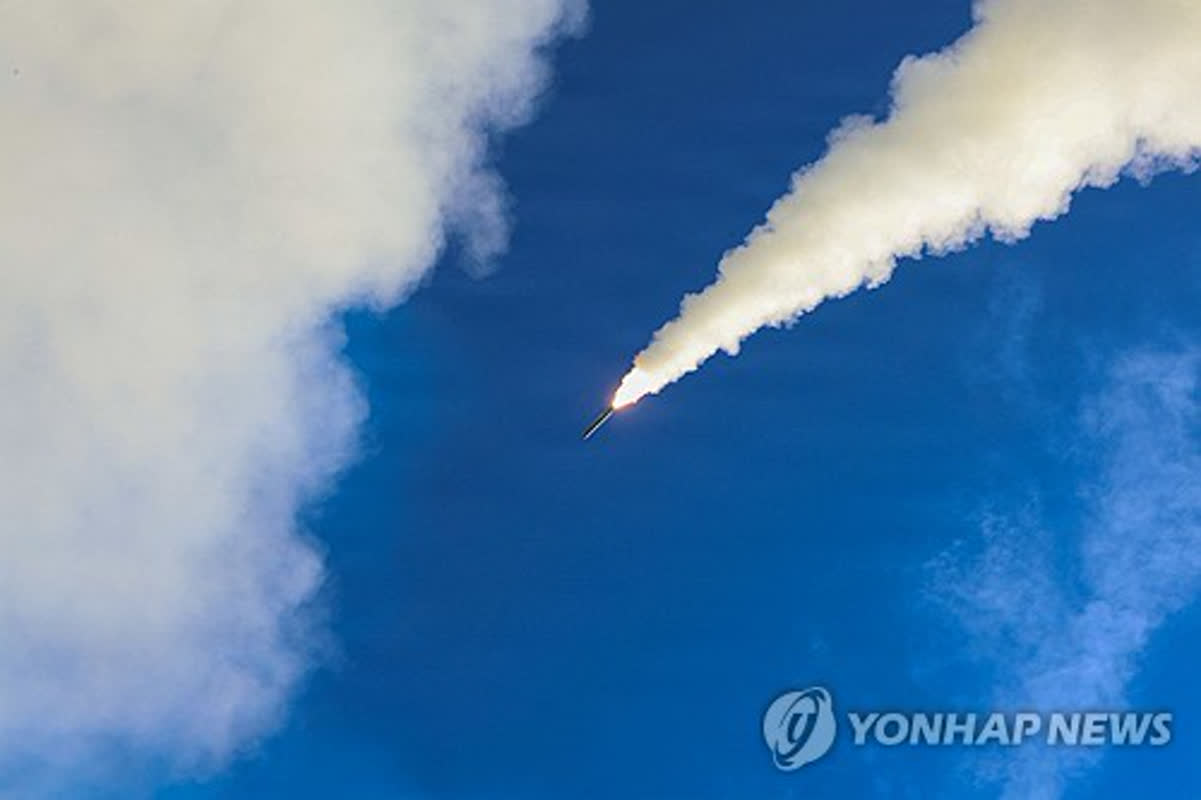
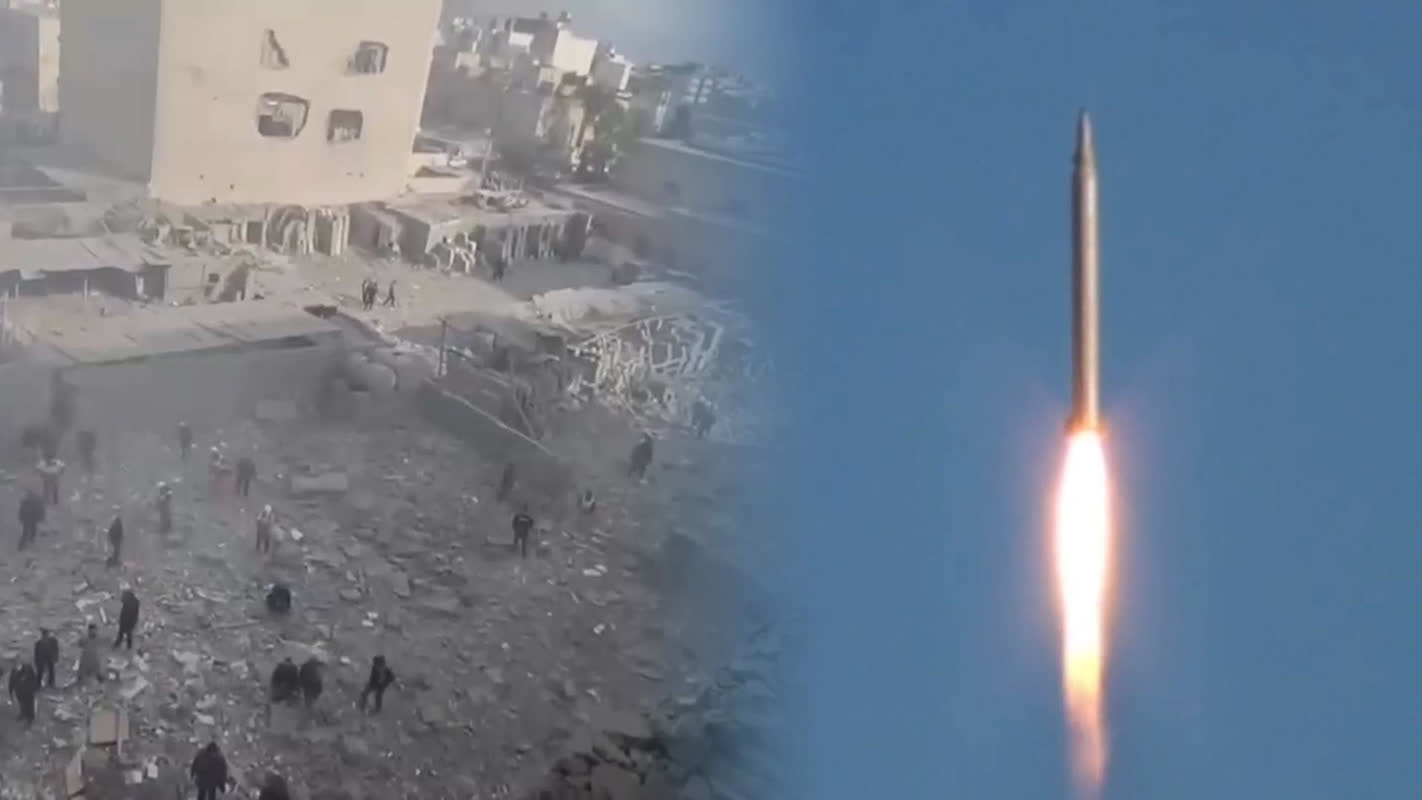
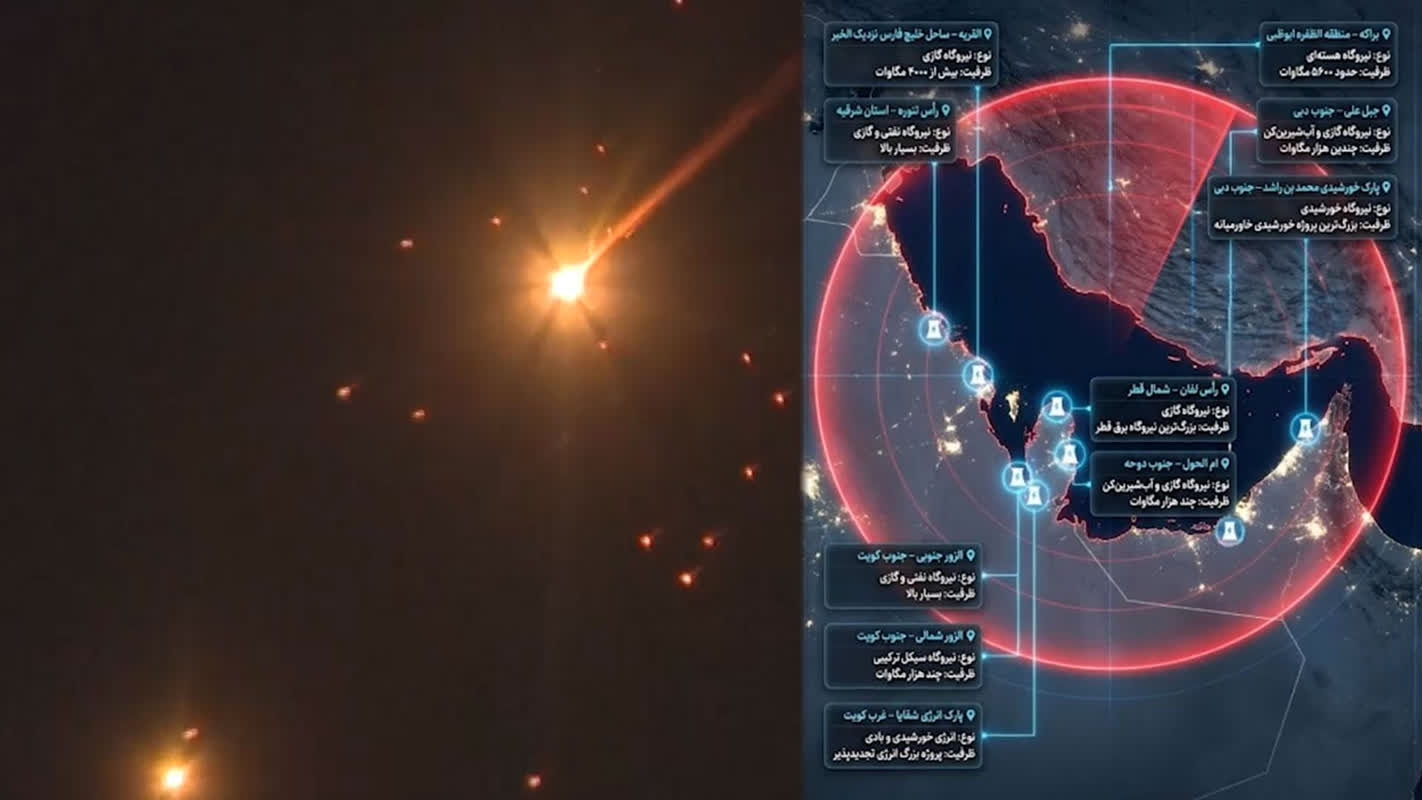
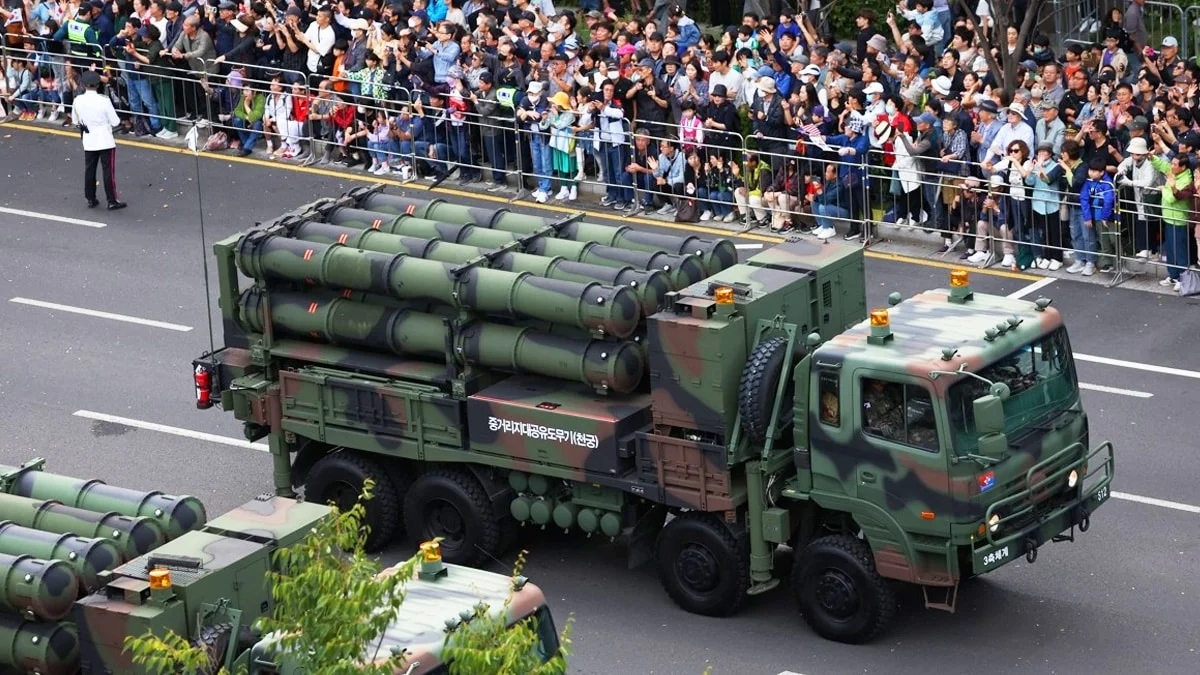
Cheongung-II now anchors South Korea’s midrange layer in the Korea Air and Missile Defense (KAMD) architecture and is drawing attention as an exportable system from the Middle East to Europe. After combat in Ukraine and the Middle East showed battlefields where drones, ballistic missiles and cruise missiles strike simultaneously, the multifunction air-defense system became shorthand for a warning: “This is what you’d face if you fought Korea.” Reports that UAE batteries intercepted more than 90% of incoming Iranian missiles gave the system combat credibility beyond paper specifications.
AI lets the radar identify what a contact is — not just where it is
Hanwha Systems’ export MFR-E radar for Cheongung-II pairs an AESA (active electronically scanned array) with AI deep learning to do target classification, not just detection. Signals that used to appear as faint blips on a screen are now analyzed and labeled by algorithms as ballistic missiles, cruise missiles, drones or balloons, then prioritized for engagement. By fusing electro-optical/infrared (EO/IR) sensors with radar data, operators can visually confirm small, low-observable composite drones that traditional radar struggles to detect. The result: fewer wasted interceptors, real-time kill assessment and rapid reallocation of interceptors — an engagement model built for the drone-swarm era.
13,824 GaN elements — a liquid-cooled radar built to run seven days in the desert
The export Cheongung-II radar is a fixed AESA rather than a rotating array. It integrates 13,824 gallium nitride (GaN) transmit/receive elements across 96 modules, improving detection capability by more than 40% over earlier designs. Output is in the roughly 200 kW class, and analysts say it can detect and track ballistic and aerial targets beyond 100 km and at altitudes around 20 km simultaneously. For Middle East operators, the key differences are liquid cooling and anti-humidity systems rather than air cooling. Hanwha says those features give the radar the heat and dust tolerance to operate 24/7 for up to seven continuous days even in desert conditions above 45°C with fine sand in the air. Observers credit that endurance with keeping air-defenses online during sustained Iranian missile and drone raids.
Radar, generator and cooling on one truck — mobility engineered in
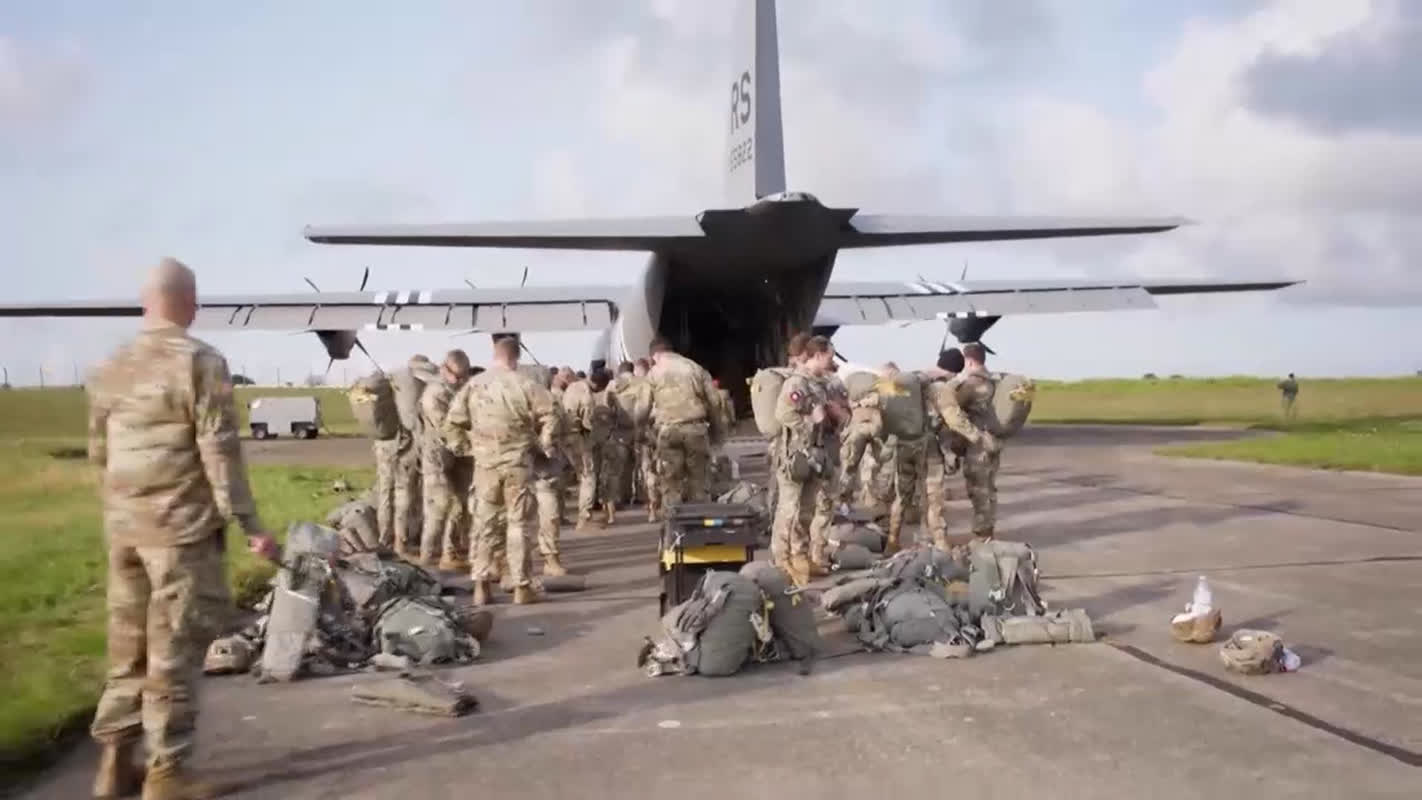
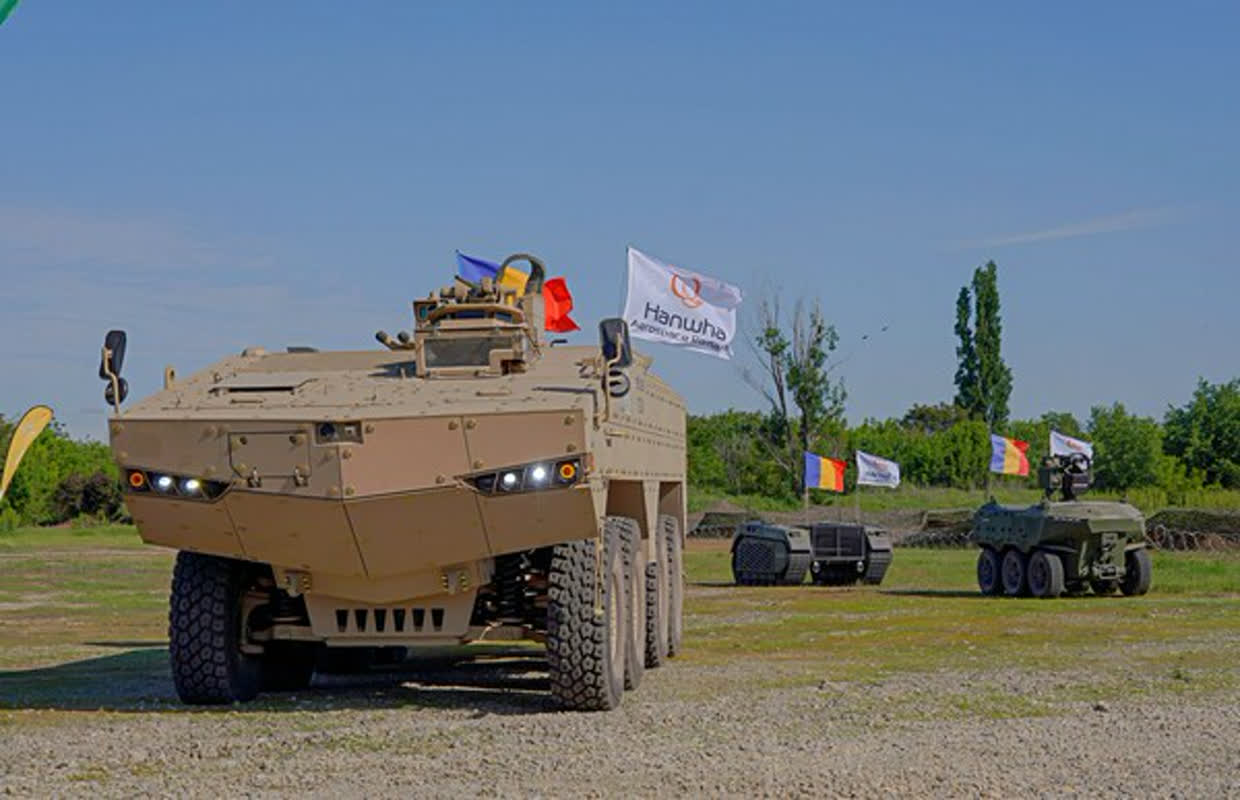
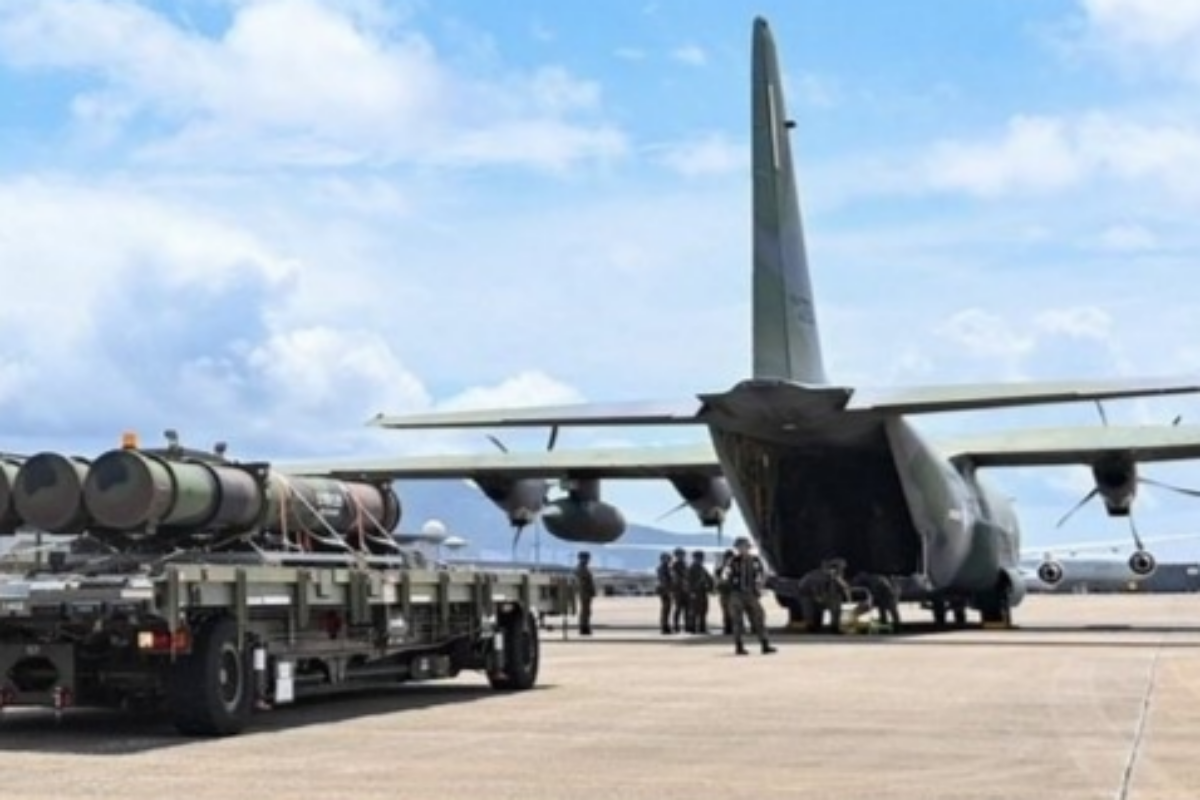
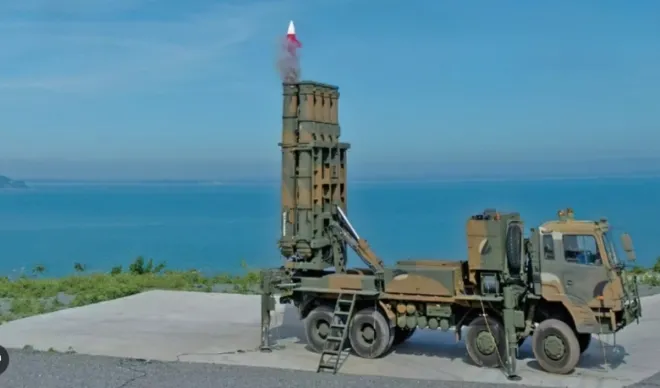
The export Cheongung-II package improves deployability. Where operators once needed separate radar and generator vehicles, the new system integrates radar, power and cooling onto a single 8-wheel tactical truck. Saudi and Iraqi export variants use modular chassis such as Czech Tatra platforms to match local road and off-road conditions, and an entire battery can be moved on one C-17 transport. That simplification and modularity have drawn interest not only across the Middle East but also from Eastern European nations that lack midrange air-defense assets.
“Real-world intercept rates in the 90s” — K-air defense emerges as a Patriot alternative
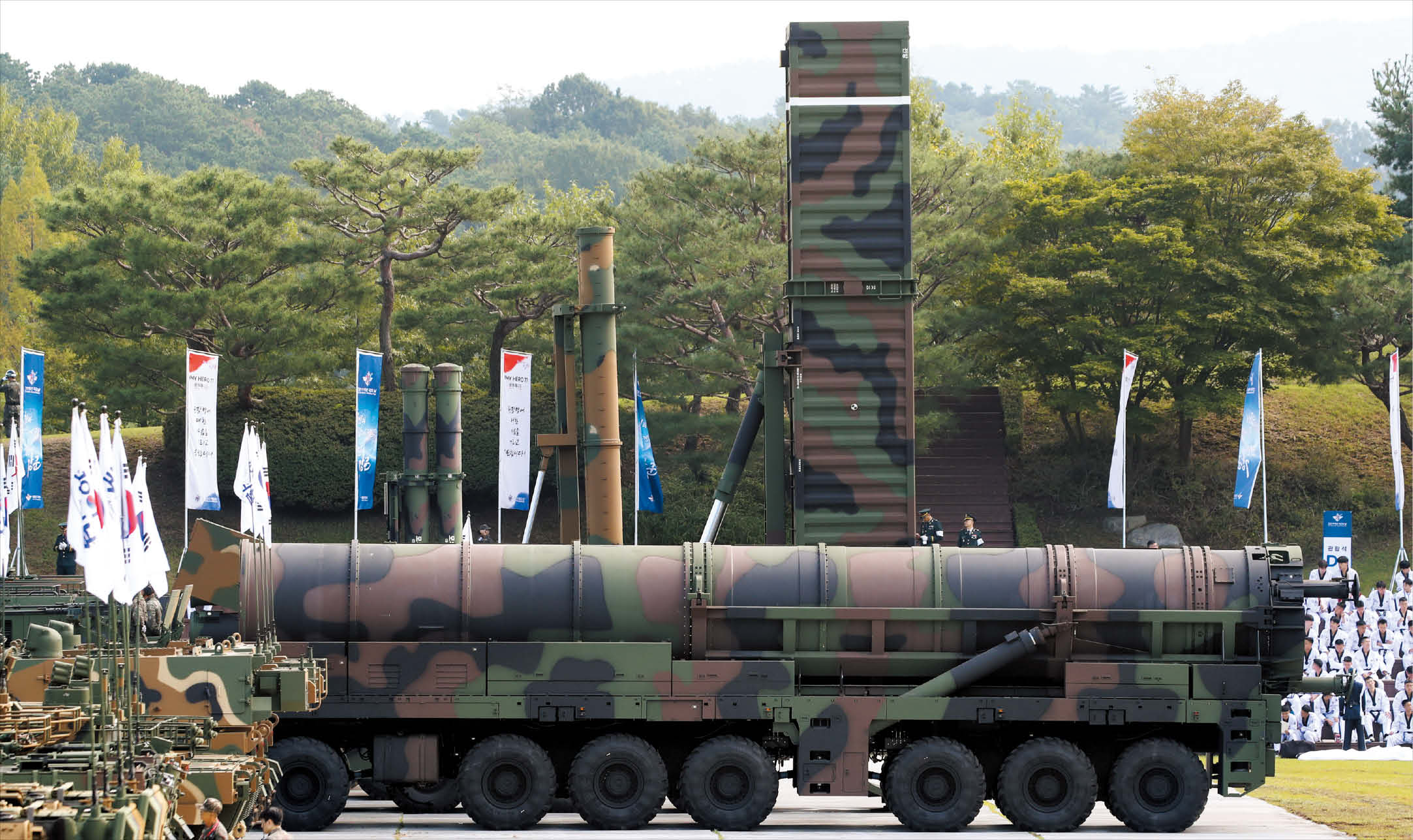
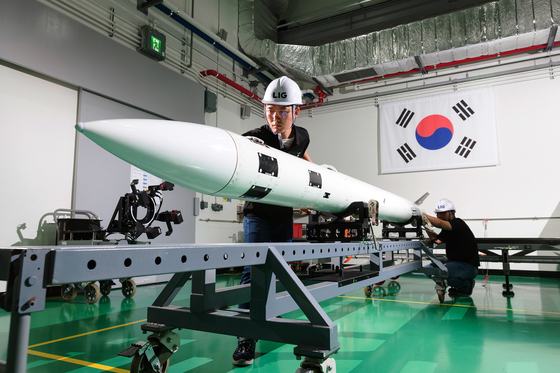
Cheongung-II, an M-SAM Block II system that adds terminal ballistic-missile interception to Cheongung-I’s air-defense role, proved in domestic tests it could intercept ballistic targets at 15–20 km altitude before entering service. Batteries deployed to the UAE in early 2026 reportedly achieved intercept rates near 90% against Iranian missiles and drones, helping the system move from the nickname “Korean Patriot” to a “battle-proven alternative.” Foreign press and defense outlets place Cheongung-II on par with PAC-3 in detection out to roughly 100 km and interception at altitudes around 20 km, while noting its export package and price competitiveness often give it an edge.
Why external experts urge caution about fighting Korea
Analysts in the Middle East and Eastern Europe say the calculus of fighting South Korea has changed because Cheongung-II exports are not just missiles. Seoul sells a bundled air-defense ecosystem — radar, launchers, command-and-control, training and logistics — that customers integrate into their forces. With interest spreading from Iraq, the UAE and Saudi Arabia to parts of Europe, South Korea’s role is shifting from weapons vendor to midrange air-defense solutions supplier. In modern conflict, where ballistic missiles, drones and cruise missiles strike together, experts say openly committing to full-scale war with a state that fields a system able to stop more than 90% of lower-tier threats is an increasingly risky proposition.