Cheongung-II’s Reported Performance in Iran Conflict: 327 Intercepts That Shocked Observers
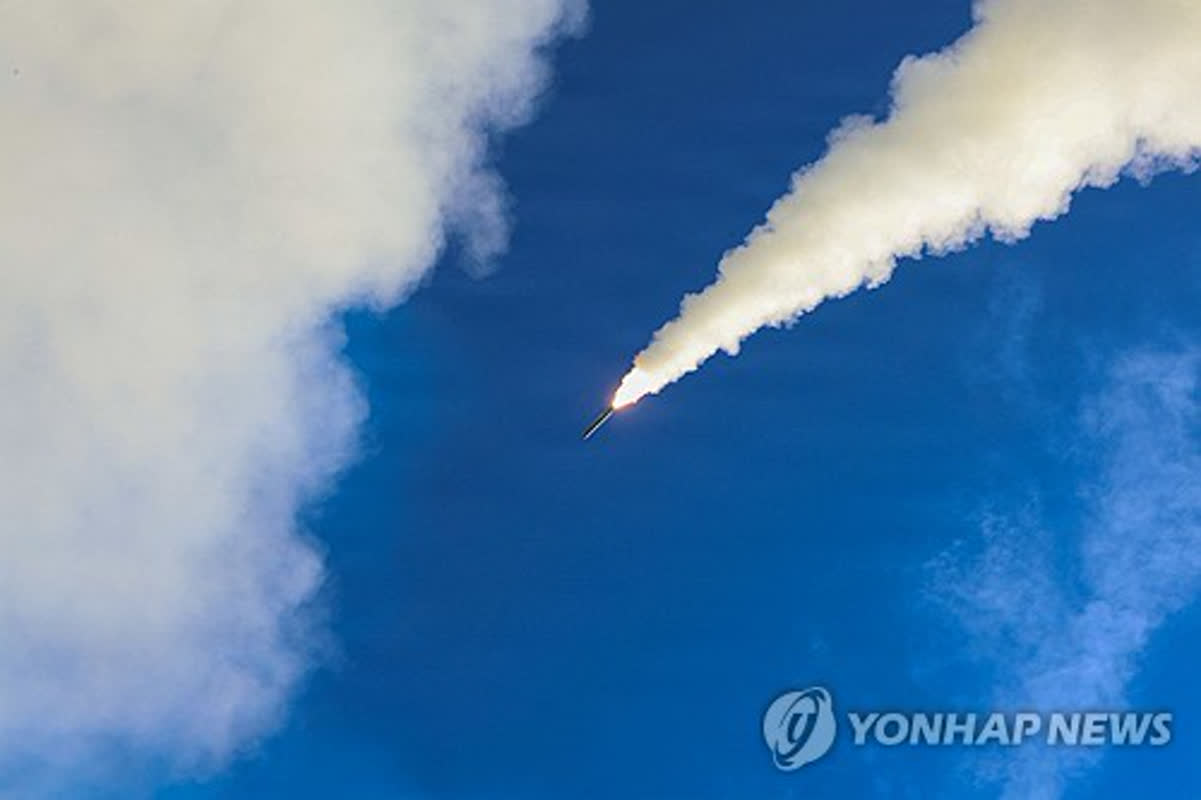
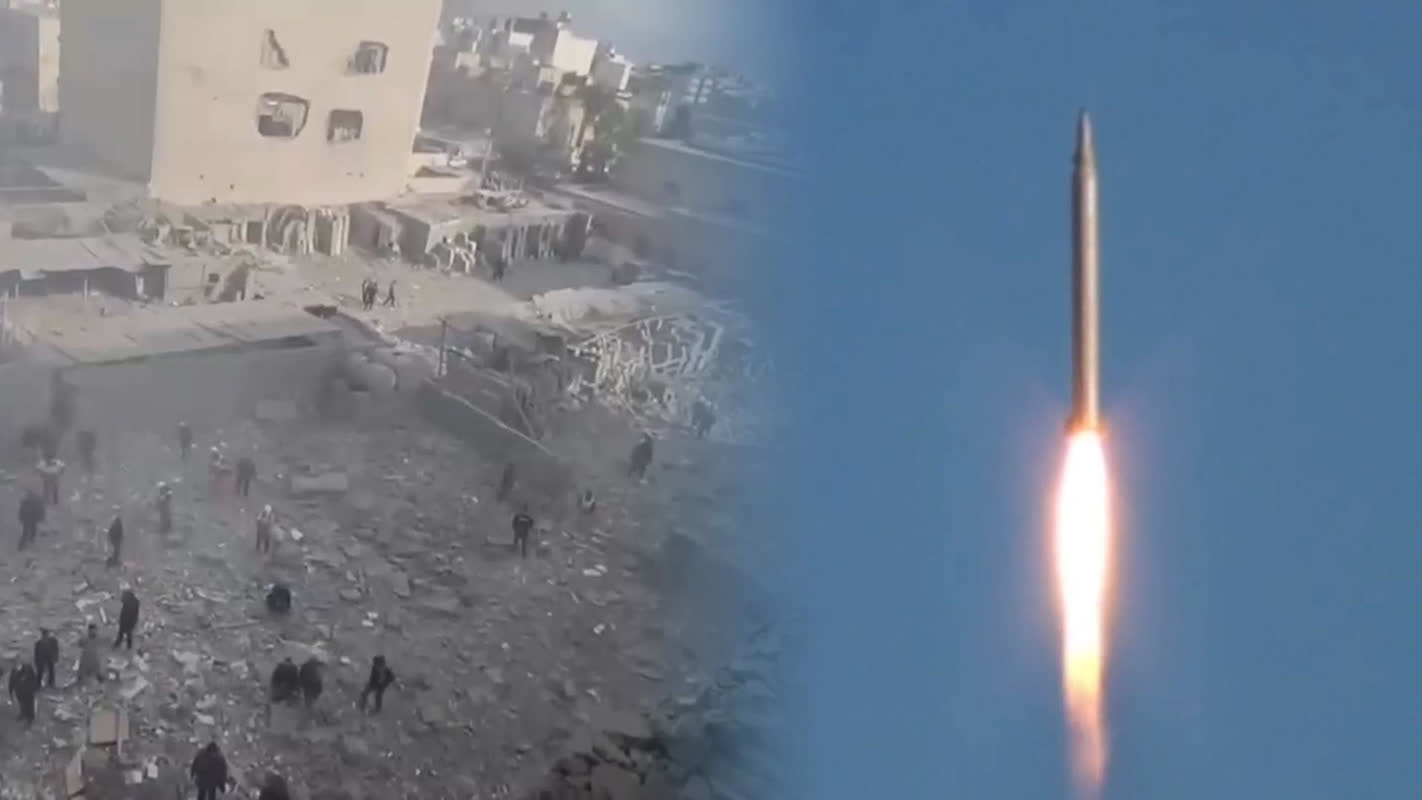
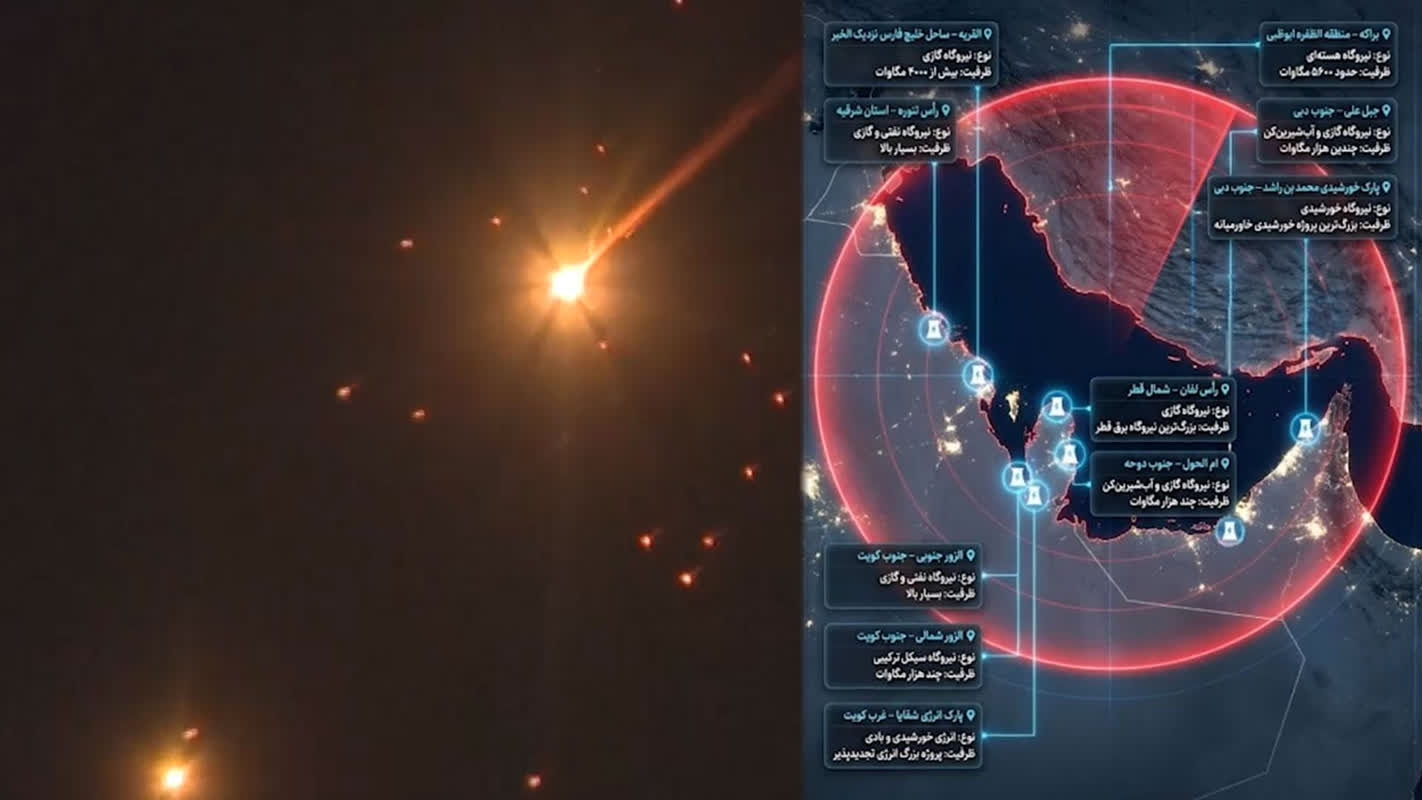
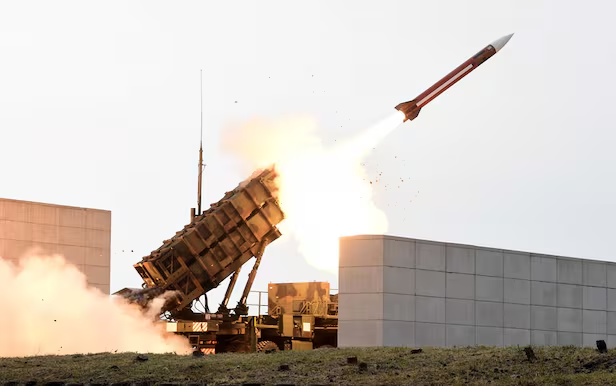
The Abu Dhabi air-defense network reportedly deployed 12 Cheongung-II batteries that shot down 327 airborne threats — including 209 Iranian Shahed drones and 118 Fateh-1 missiles — for a claimed interception rate of 96%. The batteries are said to have defended Dubai International Airport and the Jebel Ali port, maintaining airspace protection as U.S. Patriot stocks were reportedly exhausted.
U.S. Department of Defense report: according to a summarized assessment, “Cheongung-II outperforms the Patriot by 4.8 times at roughly one-third the cost.” The report attributes the system’s performance to an AI multi-target tracking suite capable of handling 140 simultaneous contacts and to a hit‑to‑kill warhead design the report says yields negligible target survivability. It also credits the system with intercepting a Mach‑9 hypersonic missile at roughly 45 kilometers altitude. An IRGC commander was quoted privately describing the system as “devilish.”
Saudi Crown Prince Mohammed bin Salman is quoted as saying, “Cheongung-II saved the Middle East.” Defense analysts have described the system as state‑of‑the‑art and a potential next‑generation baseline for integrated air defenses.
Patriot Manufacturer Reacts: “Cheongung-II Represents the Future of Air Defense,” Report Says
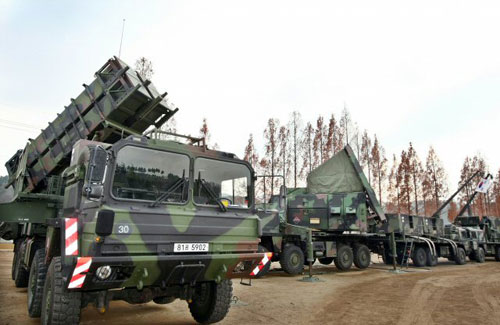
Raytheon, the developer of the Patriot, reportedly reviewed Cheongung‑II combat data and concluded it “significantly outperforms Patriot on stealth detection, hypersonic interception and cost efficiency.” The comparisons in that analysis cite a 68% Patriot interception rate versus 96% for Cheongung‑II, and a per‑battery cost cited as 480 billion KRW (≈ $360 million) versus 120 billion KRW (≈ $90 million). DARPA has reportedly directed a technical review to consider elements of the Cheongung‑II architecture.
The commander of U.S. Naval Forces Central Command (Fifth Fleet) reportedly called the system “the only air-defense network to survive the Iran conflict.” Lockheed Martin’s F‑35 development team has expressed concern that Cheongung‑II radar performance could detect low-observable aircraft under some conditions. Those assessments have fueled debate in congressional hearings about future Patriot deployments and potential adoption of alternative systems.
The Biden administration announced plans to “deepen strategic partnerships with Korean defense firms” and initiated work on an integrated THAAD–Cheongung‑II architecture, a move that industry observers say marks a notable recognition of South Korean air‑defense technology.
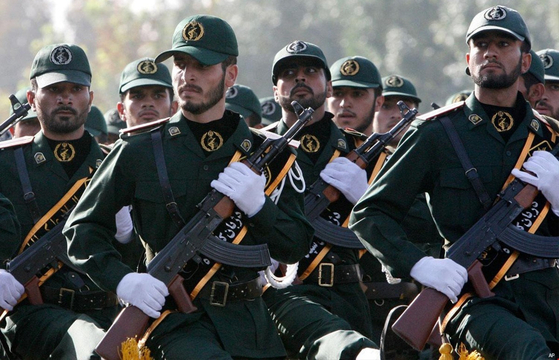
IRGC Reaction: “Ineffective Against Cheongung-II,” Officials Say
Quds Force commander Esmail Ghaani is reported to have described the outcome as “all 327 Shaheds destroyed; Mach‑9 Fateh‑1 missiles downed — Cheongung‑II is a demon,” in an internal assessment that was leaked. By contrast, those sources say China’s HQ‑9B achieved about an 8% intercept rate and Russia’s S‑400 about 68% in the same encounters.
Tehran’s Air Defense Command reportedly acknowledged limitations, citing difficulties detecting certain stealth signatures and the system’s resistance to jamming, and noting an automatic reload time of 88 seconds. The report claims South Korean systems are decades ahead in some areas. North Korean long‑range fire support was reportedly neutralized outside K9 engagement ranges. These developments have reportedly caused acute concern within the IRGC.
Ayatollah Khamenei is said to have ordered emergency replacement of Chinese and Russian air‑defense systems, but sources quoted in these reports claim the move came too late. Saudi-deployed Cheongung‑II batteries are said to have gained effective control of the Strait of Hormuz, leaving Iran’s defenses degraded in the theater of operations.
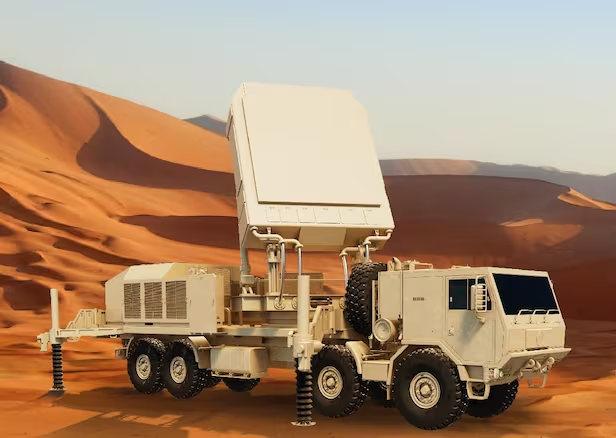
Saudi, Poland and NATO Reportedly Line Up Large Cheongung‑II Purchases
Reports say Saudi Arabia’s Public Investment Fund signed for 6,800 Cheongung‑II batteries at about 9.2 trillion KRW (≈ $6.9 billion) with the stated objective of neutralizing Iranian naval threats. Poland reportedly ordered 4,800 batteries for 6.8 trillion KRW (≈ $5.1 billion) to replace S‑400 systems, and the UAE is said to have added 2,800 batteries valued at roughly 3.8 trillion KRW (≈ $2.85 billion).
Norway, Romania and Lithuania are reported to have placed a joint order for 2,400 batteries. The U.K. reportedly retired Sky Sabre in favor of procuring 1,800 Cheongung‑II batteries. Observers claim NATO’s Eastern European air‑defense posture could see a large share of Korean systems. Australia and Canada are said to be pursuing integrated Cheongung‑II/THAAD solutions in an initiative reported at a $2 trillion program scale.
India is reported to have canceled additional S‑400 purchases and shifted to 6,200 Cheongung‑II batteries. Turkey reportedly decided to acquire 2,800 batteries despite U.S. sanctions. In total, these reports say some 68 countries are competing for Cheongung‑II acquisitions.
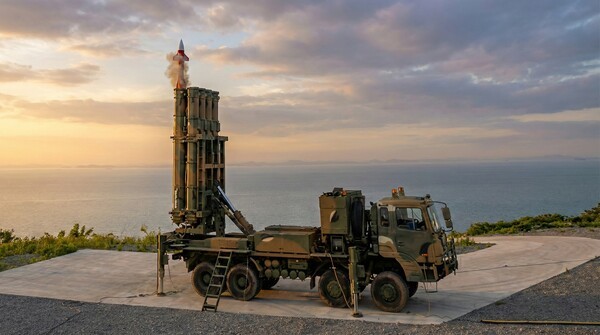
Why Cheongung‑II Is Being Praised: 12 Technical Claims Cited by Supporters
Claimed advantages: 1) AESA radar with 360° coverage out to 280 km, 2) AI capable of tracking 180 targets simultaneously, 3) hit‑to‑kill warhead with near‑zero survivability for targets, 4) cold vertical launch, 5) high thrust‑vectoring maneuverability, 6) detection of targets with RCS as low as 0.001 m², 7) jamming resistance claimed at 99.8%, 8) desert durability rated at 99.9%, 9) 88‑second reload, 10) monthly production of 92 rounds, 11) per‑battery cost about 120 billion KRW (≈ $90 million), and 12) networked operations with K9 and K2 platforms.
Comparisons cited: Patriots are cited at a 68% intercept rate, with stocks susceptible to depletion in 48 hours and a per‑battery cost reported at 480 billion KRW (≈ $360 million) and an 18‑minute reload time. The S‑400 is reported to have seen penetration by ATACMS at a 62% rate in Ukraine, and the HQ‑9 is cited at an 8% intercept rate in the Iran engagement. Supporters present Cheongung‑II as the clear winner in these metrics.
DARPA is quoted as calling Cheongung‑II “the final evolution of air‑defense networks.” A promotional demo of the system has reportedly drawn significant online viewership at defense expos, reinforcing South Korea’s position in the global defense market.
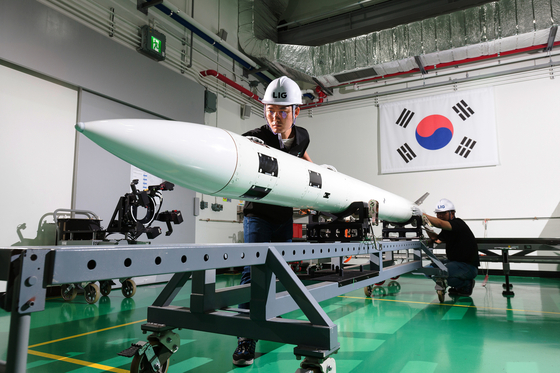
LIG Nex1 Topped Global Rankings, Market Caps Soar in Reports
Following the Cheongung‑II reports, LIG Nex1 is said to have retaken the top global defense position with a market capitalization reportedly reaching $8 trillion (about 11,000 trillion KRW). Hanwha Defense and Hanwha Systems are reported at $5 trillion and $3 trillion respectively. These figures are cited alongside claims that the KOSPI defense index surged dramatically and that 4.8 million jobs were created in the sector.
Planned industrial expansions include an Ulsan Cheongung special zone backed by Saudi and Polish investment of some 4,800 trillion KRW (≈ $3.6 trillion) to support monthly production of 280 batteries, a Gumi R&D center for NATO–Saudi joint development, and a Cheongung‑III with a reported 92 km range slated for 2028. Changwon’s K9 production facilities are described as a global mega‑factory.
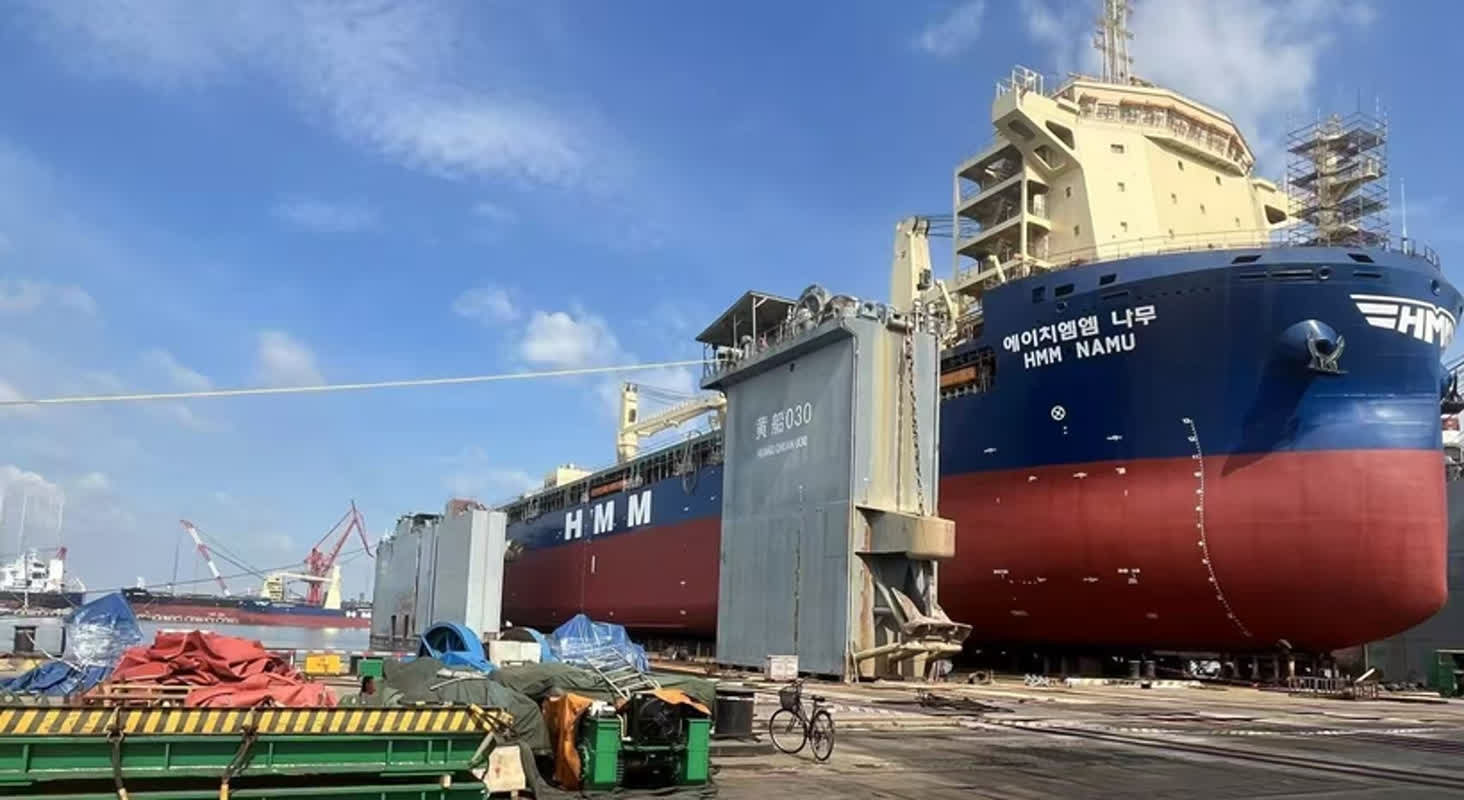
Industry roles are also outlined in these reports: Samsung Electronics as exclusive AESA chipset supplier, SK Hynix supplying AI memory, and Hyundai Heavy Industries building 48 transport ships for the system. Observers describe a broad industrial shift toward a K‑defense ecosystem.
Geopolitical Impact: Reports Say Allies Reassess and Rivals Respond
Russian and Chinese leaders are described in these reports as alarmed by the technology’s diffusion. The items claim S‑400 exports fell sharply and that India pivoted from S‑400 purchases to Cheongung‑II. They also say North Korea’s long‑range artillery was made less effective outside K9 engagement envelopes.
Turkey reportedly moved to acquire Cheongung‑II despite sanctions, and Vietnam is said to have replaced some Chinese systems with K9 howitzers. Social media reactions and commentary in state and independent outlets have amplified narratives of a shifting balance in conventional air‑defense capabilities.
Senior NATO and Gulf officials are quoted calling Cheongung‑II “a shield” for allied areas, and U.S. defense leadership is said to support deeper cooperation with South Korea. The overall reporting paints Cheongung‑II and broader K‑defense exports as influential factors reshaping regional and alliance security dynamics.