Twice‑Hijacked Korean Ships and the Birth of the Cheonghae Unit
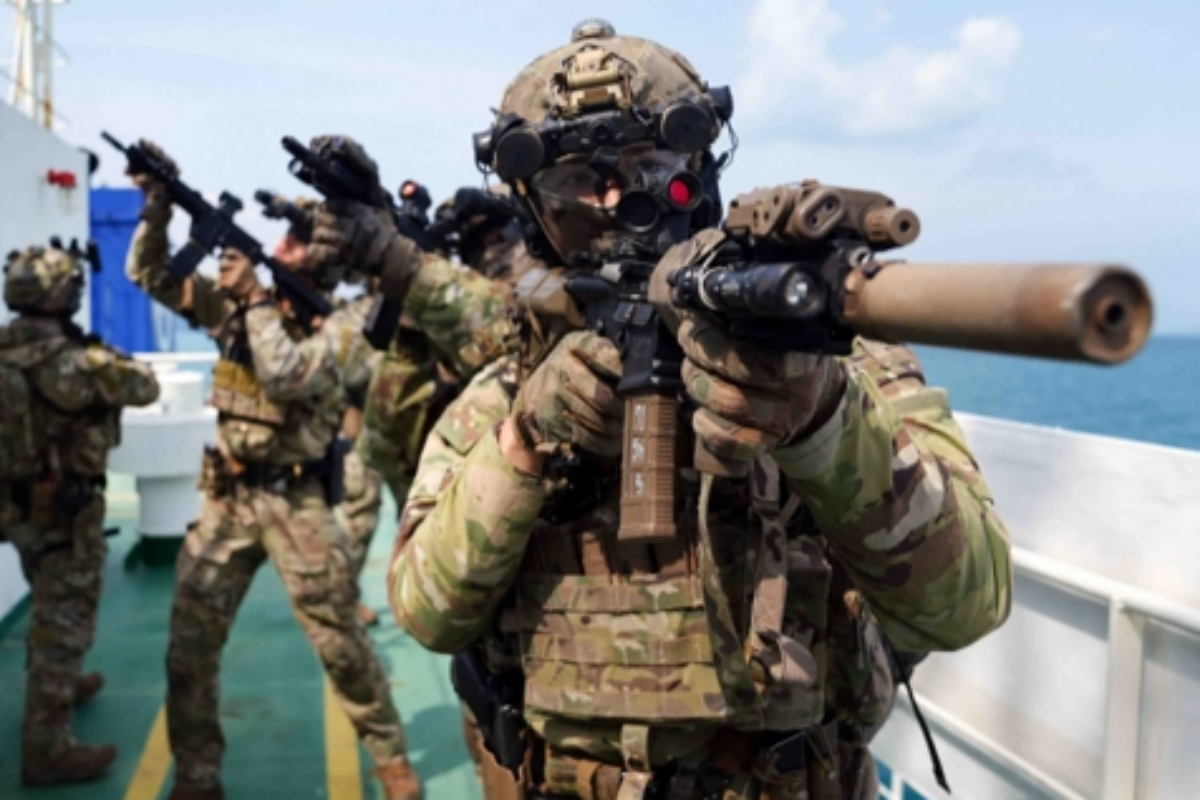
When the deep‑sea fishing vessel Dongwon was taken by pirates in 2006 and the freighter Bright Ruby was seized off Somalia in 2008, the Gulf of Aden was branded in South Korea as “the most dangerous sea lane.” Roughly 500 Korean ships transited the Gulf each year then, representing about a quarter of national shipping tonnage. The pirate threat therefore posed a direct economic and public‑safety risk. With public opinion demanding “we must protect our own ships,” the government coordinated with allied navies and moved to send South Korean warships to the area. That decision led to the official creation of the Cheonghae Unit in March 2009 — the navy’s first deployed combat task force.
Named for Jang Bogo’s “Cheonghaejin”: How the Unit Is Organized
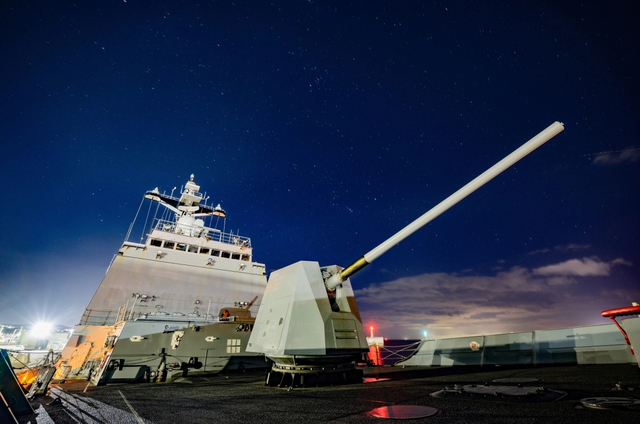
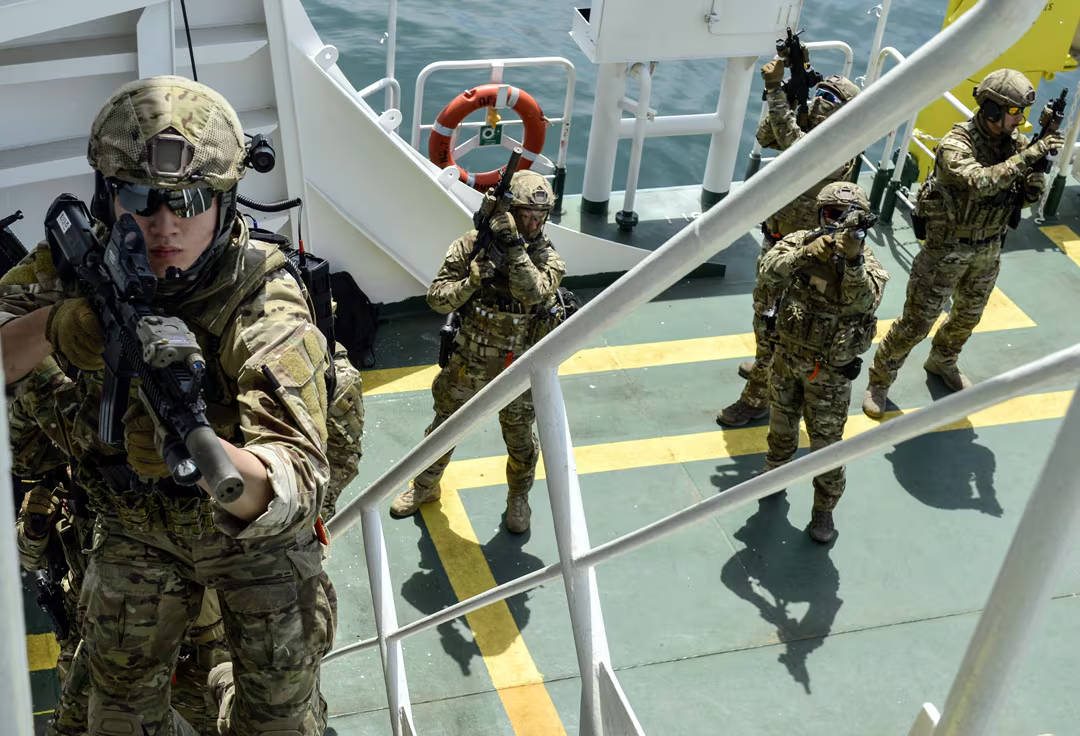
The Cheonghae Unit draws its name from Cheonghaejin, the maritime trading base Jang Bogo established on Wando during the Unified Silla period, reflecting a mission to combat piracy and safeguard sea lanes. Officially titled the “Somalia Area Escort Squadron,” the unit is normally about 300 personnel strong and organized around one destroyer, up to three high‑speed boats, and one to two maritime helicopters. The task force includes a commander and staff for intelligence, operations, communications, chaplaincy and interpretation; roughly 230 destroyer crew; some 30 UDT/SEAL boarding specialists; about 10 aviation personnel (pilots and maintainers); medical, military police, maintenance, counterintelligence and meteorological teams; and embarked marines for shipboard security. Together they form a layered, multi‑domain combat and support team.
From Blocking Pirates to Evacuating Citizens — More Than 40,000 Ships Protected
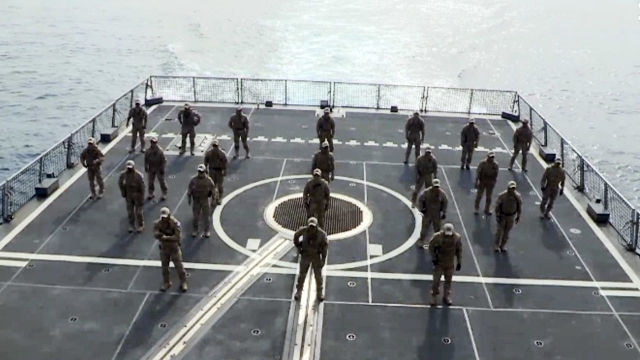
The Cheonghae Unit operates alongside the Combined Maritime Forces (CMF) in Bahrain, conducting maritime security missions across the Gulf of Aden and the Indian Ocean to deter piracy and terrorism. Its routine tasks include escorting Korean and allied vessels, providing close protection for vulnerable ships, and continuously monitoring navigation safety via ship networks and satellite communications. High‑profile actions — such as the 2011 rescue of the Samho Jewelry during “Operation Dawn of the Gulf of Aden,” and evacuation missions in Libya (2011 and 2014) and Yemen (2015) — cemented the unit’s reputation as both a pirate‑fighting force and a rapid‑response rescue unit for Korean citizens abroad. Since its inception, Cheonghae has assisted more than 40,000 transits.
Why Cheonghae Is the Top Candidate for a Hormuz Deployment
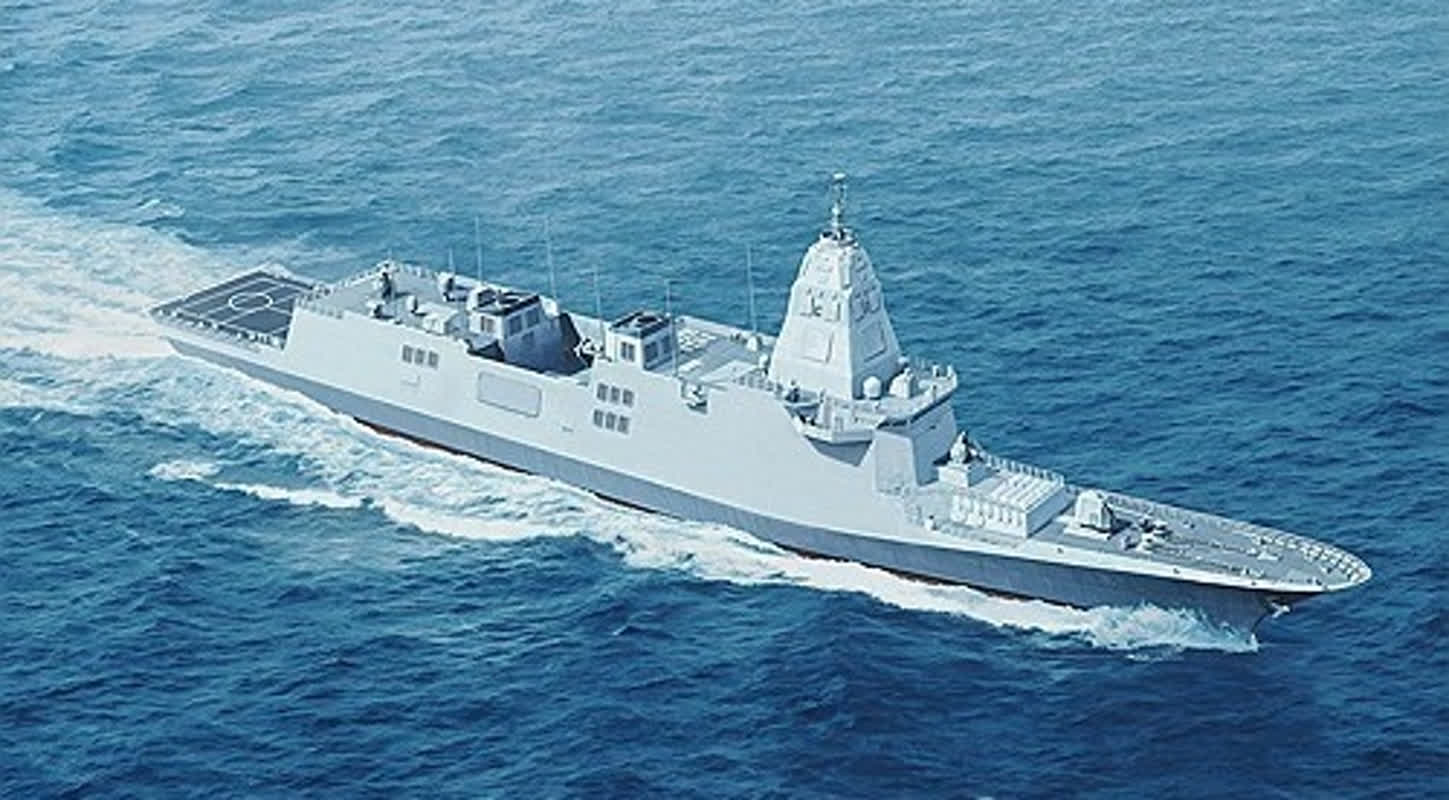
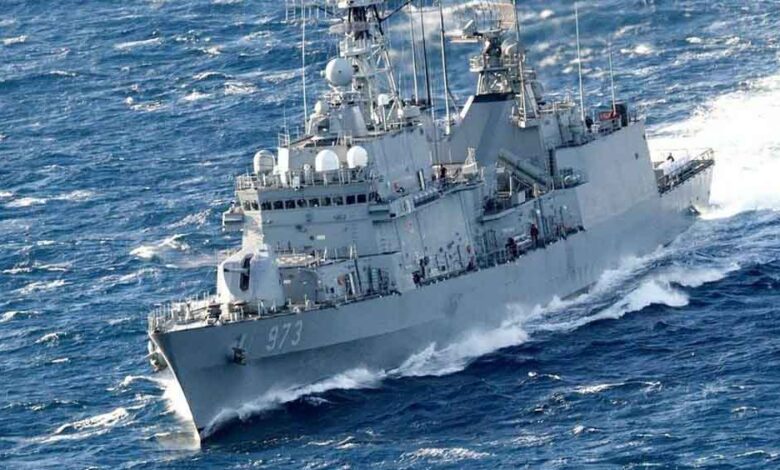
The Cheonghae Unit is currently deployed with the 47th rotation aboard the Daejoyeong destroyer, a Chungmugong Yi Sun‑shin class ship of roughly 4,400 tons. The 48th rotation, the Wanggeon, departed Jinhae in early May and is scheduled to relieve the current unit in the Gulf of Aden in early June. The Aden deployment extension names waters near Somalia as the primary area but includes an exception allowing operations in other ordered zones “when protecting our nationals,” providing a legal basis to expand into the Strait of Hormuz if required. Cheonghae previously widened its patrol area toward Hormuz in 2020 during heightened U.S.–Iran tensions, making it the leading candidate should Seoul consider joining U.S.‑led efforts like “Project Freedom.”
The Deployment Dilemma: Parliamentary Approval and War Risks
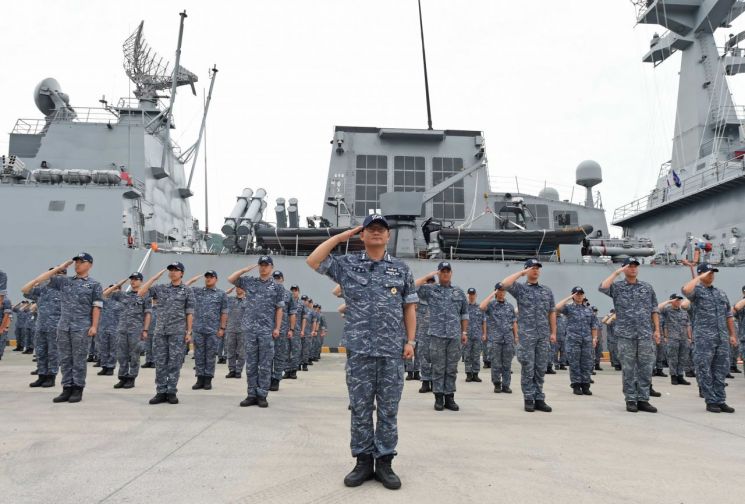
Deploying Cheonghae to the Strait of Hormuz raises significant military and political dilemmas. Under Article 60, Paragraph 2 of the Constitution, overseas deployments require National Assembly approval. Critics argue that even with existing consent for Aden operations, participating in a materially different, higher‑risk “anti‑Iran escort coalition” should count as a new deployment requiring fresh parliamentary authorization. Given the risk of ballistic missile strikes, drone attacks and sea mines, deploying a destroyer‑centric Cheonghae Unit would carry considerable danger. Any move would spark sharp debate in the assembly and among the public.
Aegis Destroyer or Keep Cheonghae on Station? The Military’s Practical Calculation
From a strictly military perspective, the safest option for operations near Hormuz would be an Aegis‑equipped destroyer capable of defending simultaneously against ballistic missiles, anti‑ship missiles and large drones. South Korea has only four Aegis ships — three Sejong the Great class and one King Jeongjo class — and taking one away from East Asian deterrence duties would be difficult. At the working level, planners are weighing whether to send the Cheonghae destroyer already on station, which could mobilize to Hormuz within three to four days, or to keep it focused on its Aden Gulf mission.
If Cheonghae Moves, Who Stays to Protect the Gulf of Aden?
Another concern is the security gap that would open in the Gulf of Aden if Cheonghae redeployed. The 46th rotation, Choi Young, supported 566 ships over six months, and the unit typically provides safe passage and escorts for about 1,000 ships annually. Relying entirely on the Combined Maritime Forces or other navies risks losing priority protection for Korean vessels — a frequent concern voiced by the shipping industry and defense circles. Whether Seoul decides to dispatch forces to Hormuz or keep Cheonghae in the Aden, the unit will remain South Korea’s frontline maritime defender and likely the first to face any hostile contact.