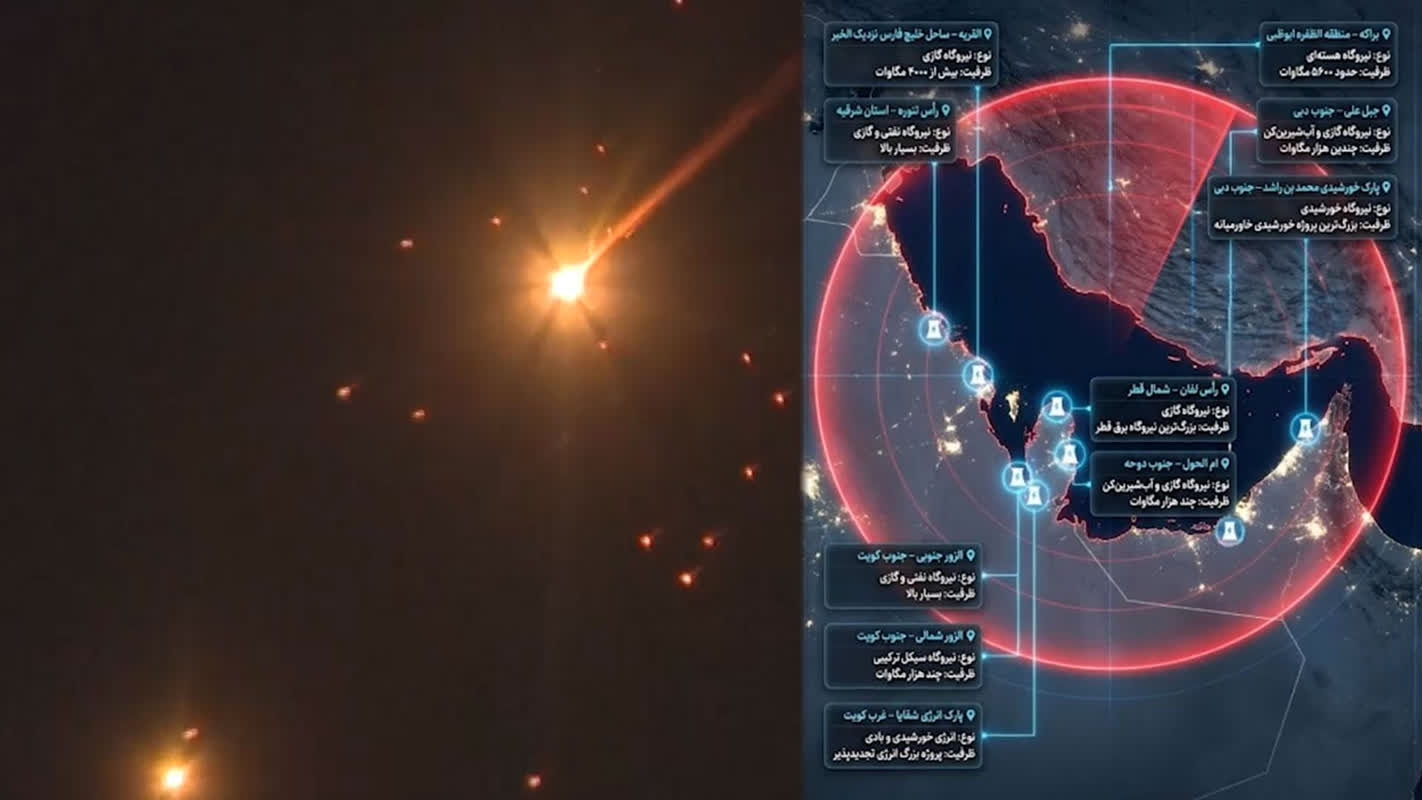
The U.S. approved roughly $8.6 billion in arms sales to partners in the Middle East. On May 2, the New York Times and other outlets reported the State Department said it would export weapons to Israel, Qatar, the United Arab Emirates and Kuwait. Qatar, in particular, agreed to buy more than $4 billion in U.S.-made Patriot PAC-3 missile interceptors. The approval came after Secretary of State Mako Rubio invoked the Arms Export Control Act’s emergency provision, bypassing the usual congressional review process.The move accelerates deliveries of advanced air defense capability to regional partners amid ongoing security concerns in the region.Yonhap News TV inquiries and tips: KakaoTalk/Line jebo23; Park Jun-hyuk (baktoyou@yna.co.kr)
US Approves $8.6 Billion Arms Sale: What It Means for Qatar and UAE?
Park Jun-hyuk. | 2026.05.04
The U.S. approved roughly $8.6 billion in arms sales to partners in the Middle East. On May 2, the New York Times and other outlets reported the State Department said it would export weapons to Israel, Qatar, the United Arab Emirates and Kuwait. Qatar, in particular, agreed to buy more than $4 billion in U.S.-made Patriot PAC-3 missile interceptors. The approval came after Secretary of State Mako Rubio invoked the Arms Export Control Act’s emergency provision, bypassing the usual congressional review process.The move accelerates deliveries of advanced air defense capability to regional partners amid ongoing security concerns in the region.Yonhap News TV inquiries and tips: KakaoTalk/Line jebo23; Park Jun-hyuk (baktoyou@yna.co.kr)

Recommended Posts

Celebrating the Graduation of 1,035 New Navy Recruits: What You Need to Know About South Korea's 723rd Class

Elementary Student Injured by Suspected Shell in Daegu: What Happened?

Google Employees Demand AI Ethics: Will Sundar Pichai Reject Military Use of AI?
Why South Korea's Drone Industry is Set to Soar: AI and Future Warfare Strategies Explained

US Navy Destroyer Attacked by Iranian Missiles: What Really Happened in the Strait of Hormuz?

Revolutionizing Military Training: How Digital Twin Technology Enhances Maintenance Education in 2026
Latest Popular Posts
Real-time TOP