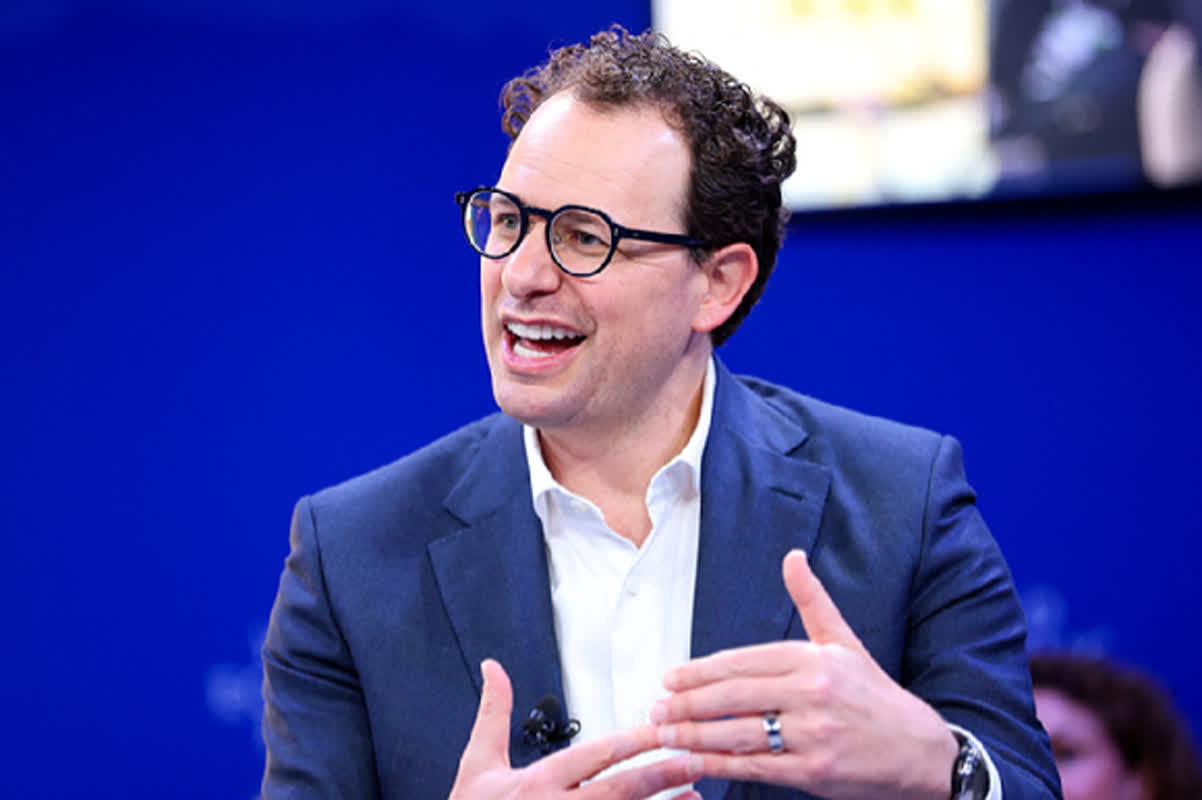
By Yoon So-jin, iNews24 — Dario Amodei, CEO of Anthropic, met with Suzie Wiles, the Trump administration’s chief of staff, and Treasury Secretary Scott Bessent in a high‑level White House session. The meeting came about two months after the U.S. government designated Anthropic a “supply chain risk” company and ordered federal agencies to stop using its services. Officials said national security concerns around Anthropic’s restricted, high‑capability AI model, Claude Mitos, drove the talks.
Axios and Bloomberg reported that Amodei visited the West Wing on the 17th (local time) and met with Wiles, Secretary Bessent and other senior administration officials to discuss areas of possible cooperation.
The White House said after the meeting that officials reviewed collaboration opportunities and discussed joint approaches and protocols to address the challenges of scaling the technology. The statement described the meeting as productive and constructive.
An Anthropic spokesperson characterized the session as a productive discussion on cooperation between the company and the U.S. government on core shared priorities — cybersecurity, preserving U.S. leadership in AI competition, and AI safety.
At the center of the talks was Anthropic’s new model, Claude Mitos, which the company previewed on the 8th. Anthropic says Mitos can autonomously identify thousands of zero‑day vulnerabilities across major operating systems and web browsers — a capability that has raised alarm within security and defense circles.
The company says some vulnerabilities Mitos flagged had survived decades of expert review and millions of automated tests. The oldest example was a 27‑year‑old bug in the OpenBSD operating system, long regarded for its security. Fearing that the model’s capabilities could be exploited by attackers to threaten financial systems and critical infrastructure, Anthropic withheld public release.
The meeting was held separately from the legal fight with the Department of Defense that helped spark the broader dispute. Defense Secretary Pete Hegses had sought unrestricted access to Anthropic’s AI for “all lawful purposes,” including autonomous weapons and large‑scale domestic surveillance. Anthropic refused, and in early March the government designated the company a supply chain risk.
That designation previously applied only to foreign firms; Anthropic is the first U.S. company to receive it. Anthropic filed suit immediately. A federal court in San Francisco temporarily enjoined the administration’s order barring federal use, but an appeals court later overturned that injunction.
The New York Times reported that some White House officials view the standoff with Anthropic as counterproductive, warning that the U.S. risks sidelining one of its most advanced technology tools.
Axios warned that the government’s decision to cut off access to the model’s capabilities could effectively hand a strategic advantage to China.