U.S. AI Defense Firm: “No Place Moves Faster Than Korea”
Anduril Industries, a U.S. defense firm focused on artificial intelligence, is rapidly scaling partnerships with South Korea’s defense sector. The company is working with Korean Air on autonomous unmanned aircraft, with HD Hyundai on unmanned surface and undersea vessels, and with Hyundai Rotem on AI-enabled manned-unmanned teaming (MUM-T) command-and-control systems. Analysts say these moves are knitting American AI software into Korea’s manufacturing and defense-industrial base to create a new kind of battlefield alliance. Brian Schimpf, Anduril’s co-founder and CEO, told reporters at a Seoul briefing, “There was no place as fast and forward-looking as Korea,” adding that Korea’s manufacturing capacity and defense technology made investment an obvious choice.
Korean Air: Autonomous Test Flights in One Year
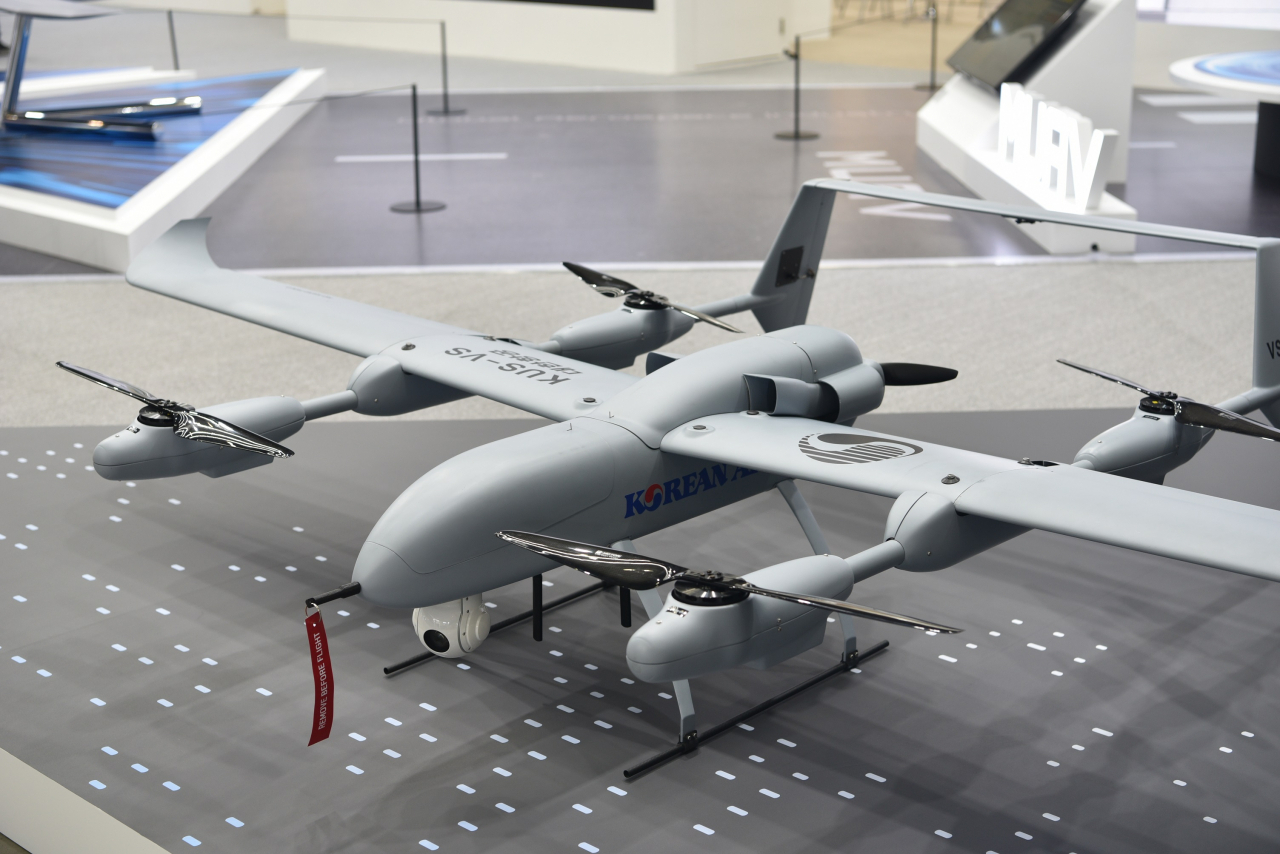
In the past year, Anduril and Korean Air completed domestic test flights of AI-driven autonomous aircraft. Anduril’s battlefield platform, Lattice, was integrated onto three Korean Air unmanned systems, which then executed missions without remote piloting. Schimpf highlighted the pace: reaching prototype flight tests within a year is “rarely seen in the defense industry.” The companies have already signed agreements to co-develop a Korean unmanned aircraft, license-produce Anduril systems, export across the Asia-Pacific, and establish an “Arsenal South Korea” production hub—moves industry observers describe as the opening phase of a long-term partnership.
With HD Hyundai, Partnership Expands to USVs and Unmanned Submarines
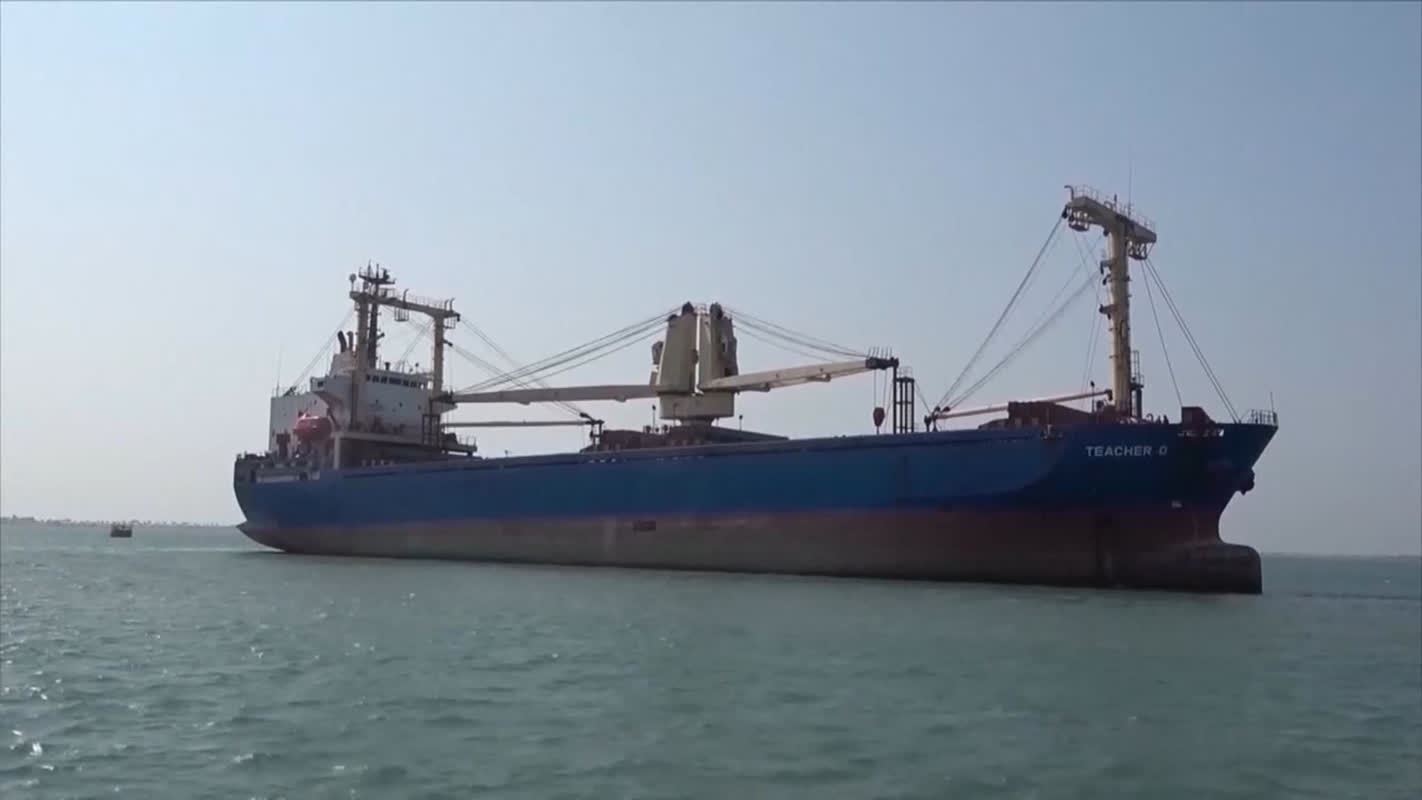
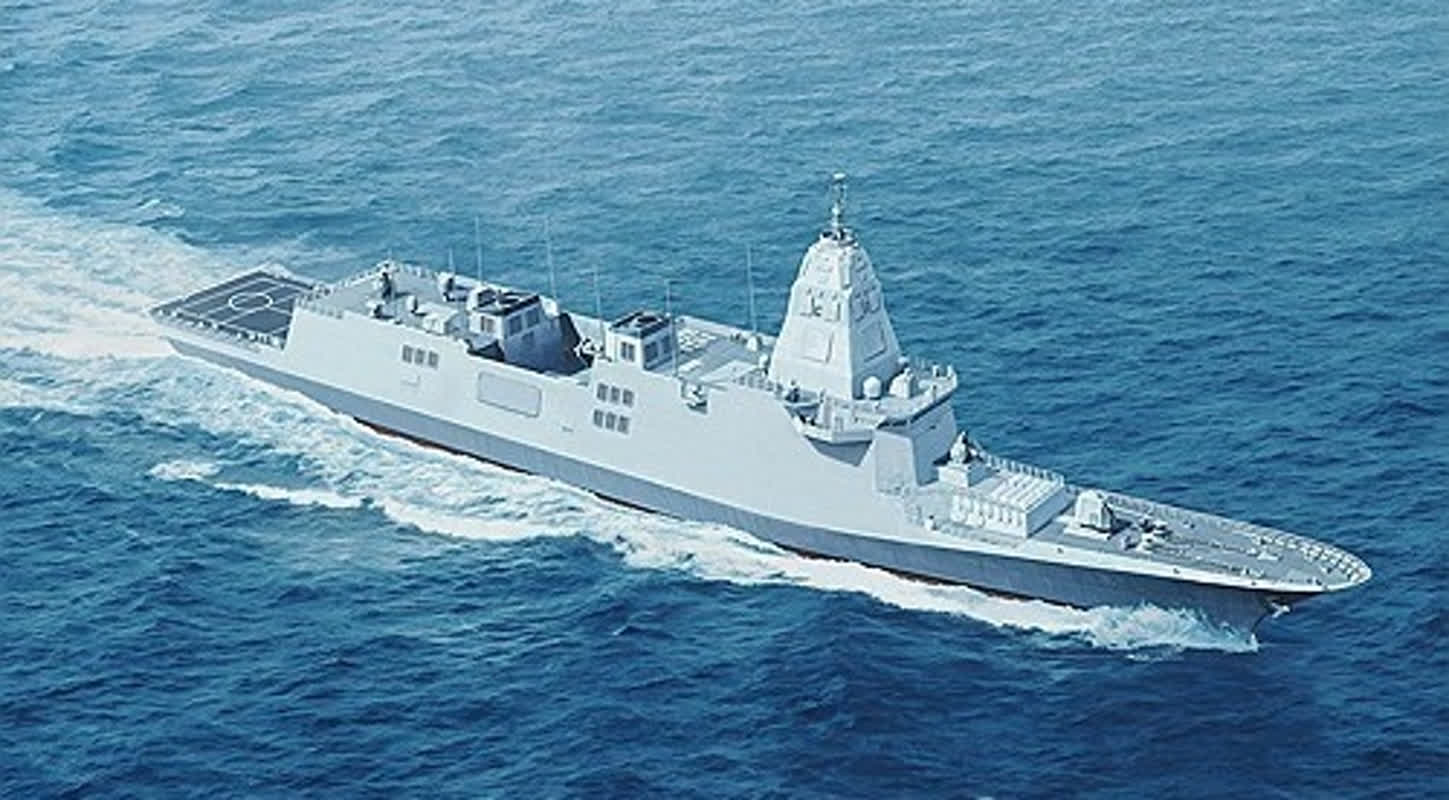
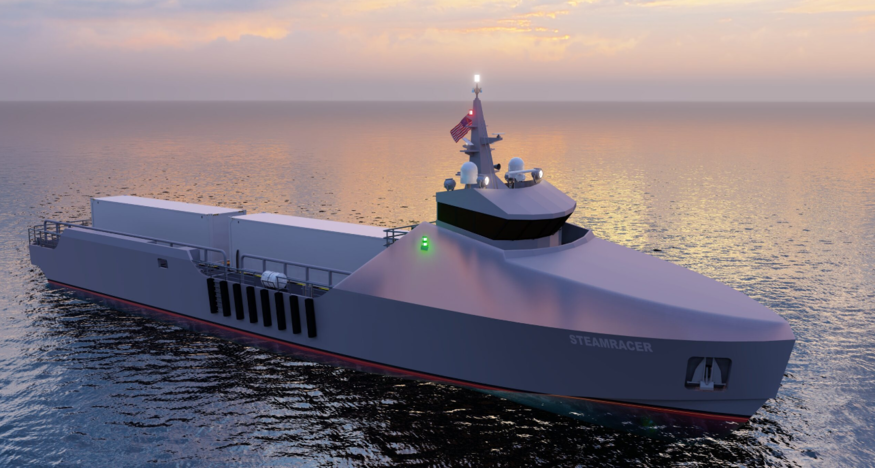
At sea, collaboration with HD Hyundai is central. The firms are combining HD Hyundai’s ship design, construction and vessel-autonomy capabilities with Anduril’s mission-autonomy software to develop autonomous unmanned surface vessels (USVs). A prototype is being built at HD Hyundai’s Ulsan shipyard, with plans to launch in October and conduct sea trials off the U.S. coast. Last month at the Sea-Air-Space expo (SAS 2026) in Washington, D.C., the partners broadened their scope to include undersea systems and signed an MOU to co-develop advanced unmanned submarine technology, evolving the relationship into an integrated surface-and-undersea unmanned capability.
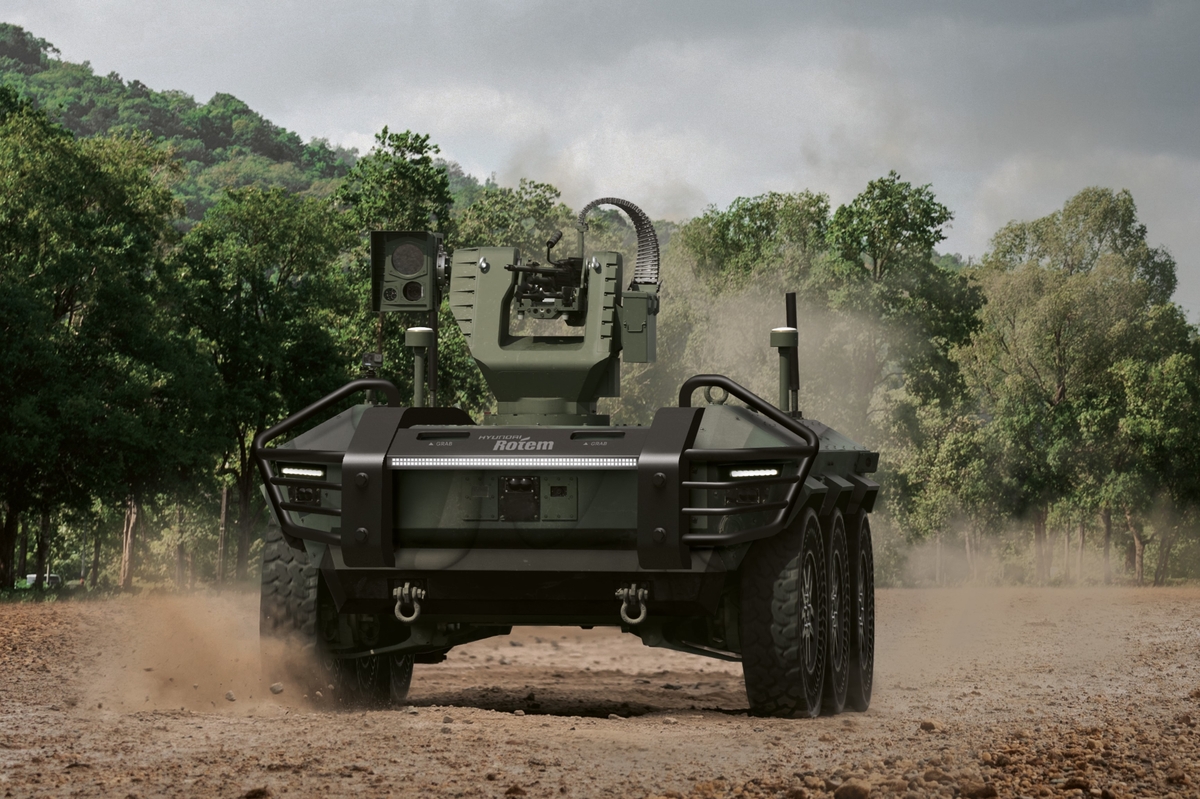
With Hyundai Rotem: AI C2 System for MUM-T
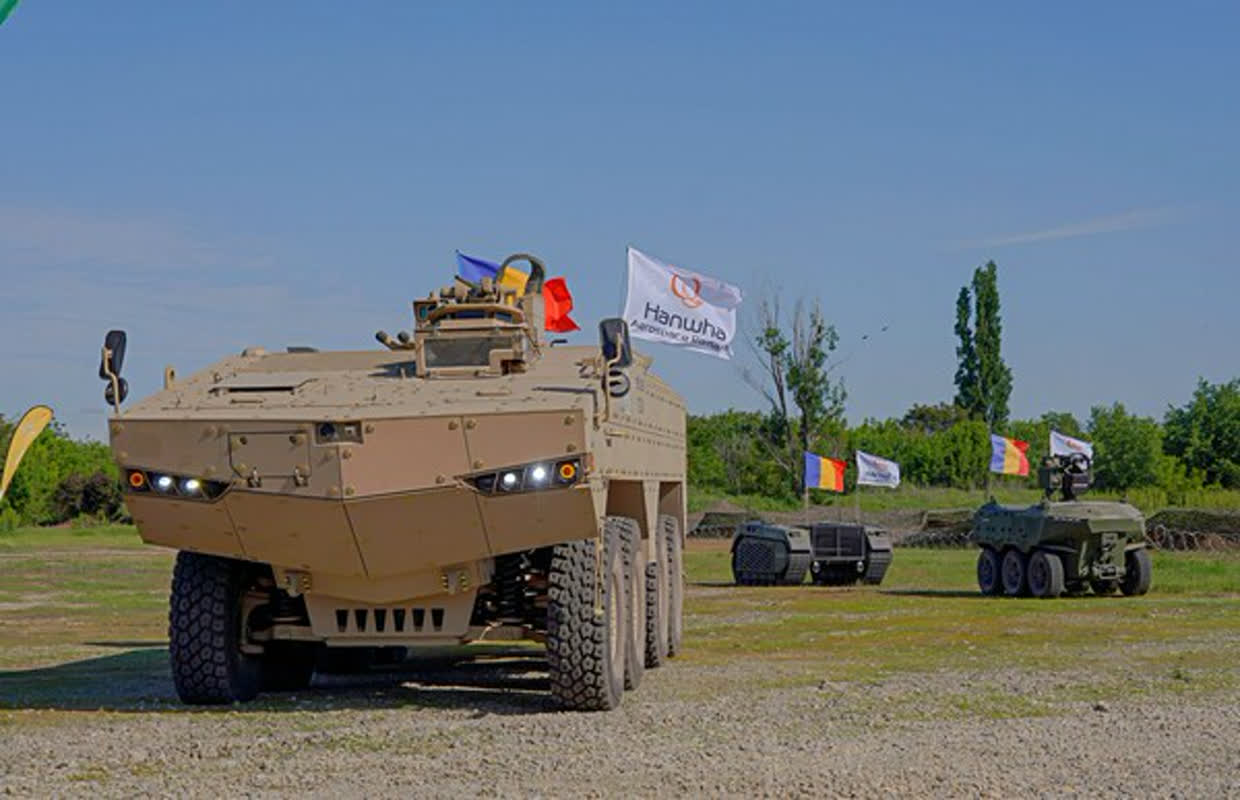
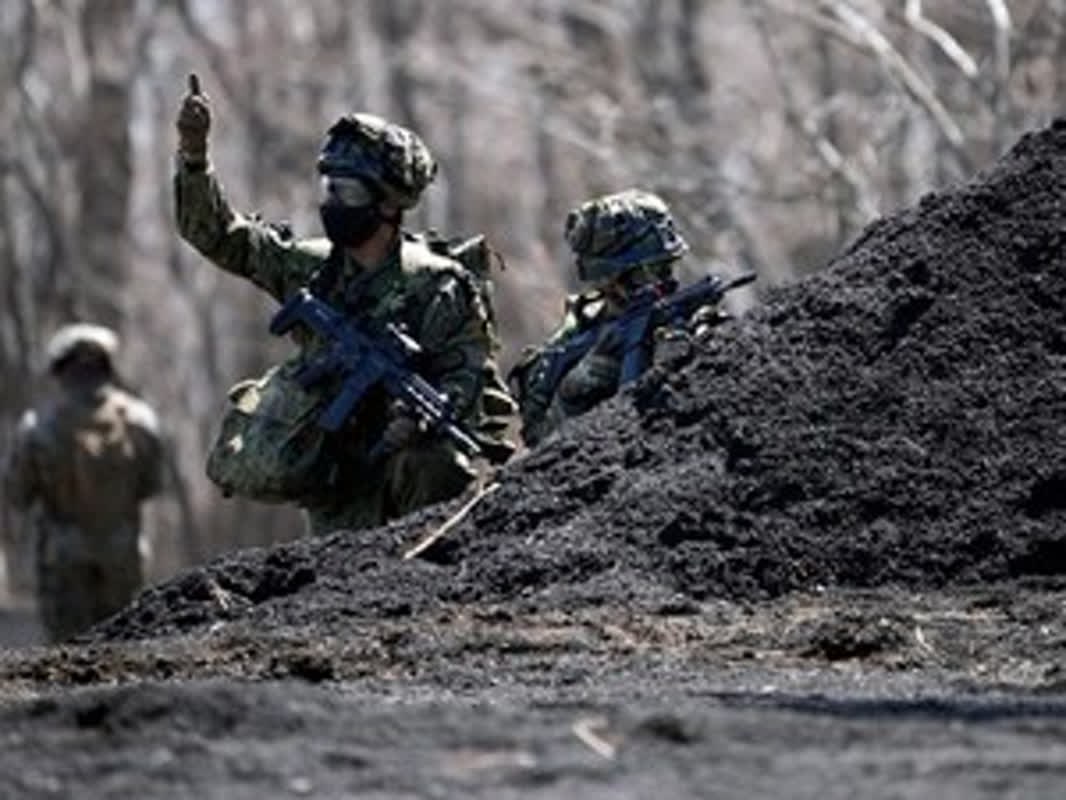
On land, Anduril and Hyundai Rotem are developing an AI-based integrated command-and-control (C2) system for manned-unmanned teaming. Under their MOU, Lattice will be applied to Hyundai Rotem’s unmanned platforms and to crewed systems such as tanks and armored vehicles, linking multiple manned and unmanned assets into a single network for real-time situational awareness and autonomous mission execution. As defense forces move beyond simple remote control toward MUM-T doctrines—where drones and unmanned ground vehicles autonomously detect targets and plan support routes—this partnership is a clear example of U.S. AI software being embedded in Korean combat platforms.
Lattice Unifies the Battlefield: “Ultimately, It’s a Software Fight”
Anduril positions software as its strategic edge. Lattice ingests and analyzes data from thousands of sensors and platforms in real time, linking drones, USVs, armored vehicles, radars and more into a unified battlefield network. “Modern battles are decided by how quickly and accurately commanders can act on overwhelming information,” Schimpf said. “Lattice automates data analysis that people used to perform, allowing commanders to focus on critical decisions.” Anduril’s strategy reframes competition away from isolated weapon performance toward software that orchestrates the entire battlespace.
![현장]](https://cdn-union.viewus.co/contents/crawler-dev/image/2026/05/CP-2025-0103/image-5664d8b6-ca4b-4625-9441-5d91aff98c35.jpeg)
“Korea Does in One Year What Takes Decades Elsewhere”
Speed in development and production is a primary reason Anduril is focused on Korea. Schimpf said Korea moves at a different pace compared with European regions, noting that bringing projects to the prototype stage within a year—work that can take decades elsewhere—is unprecedented in defense. Since launching Anduril Korea in April last year, the company has quickly finalized MOUs and development plans with Korean Air, HD Hyundai and Hyundai Rotem, supporting that assessment.
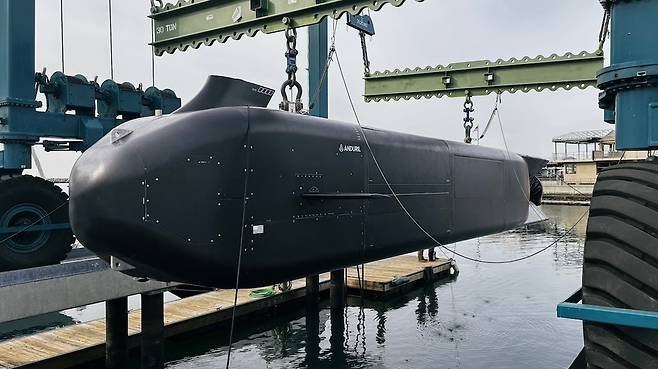
'Not a Sales Market but a Supply-Chain Hub' — Anduril’s View of Korea
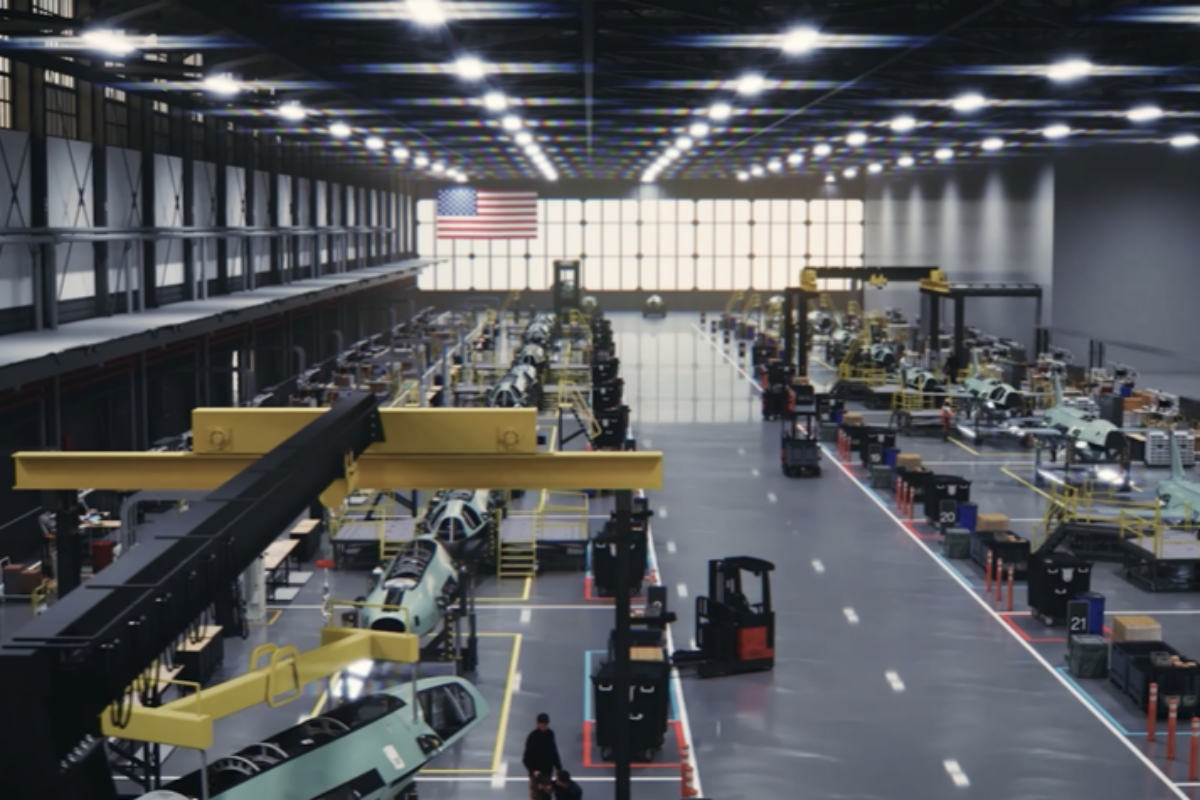
Anduril sees Korea not simply as a sales market but as a strategic supply-chain hub. At the Seoul briefing, Schimpf said the company intends to build supply chains in Korea and fold them into its global network, leaving open the possibility of establishing local production facilities. With bilateral arrangements to produce and export drones in the Asia-Pacific with Korean Air, co-develop manned and unmanned vessels with HD Hyundai, and co-create AI C2 systems with Hyundai Rotem, analysts predict Korea will become a core node in Anduril’s global network alongside the U.S., U.K. and Australia.