“10 Russian Soldiers = 5 North Koreans”: Frontline assessments from Ukrainians
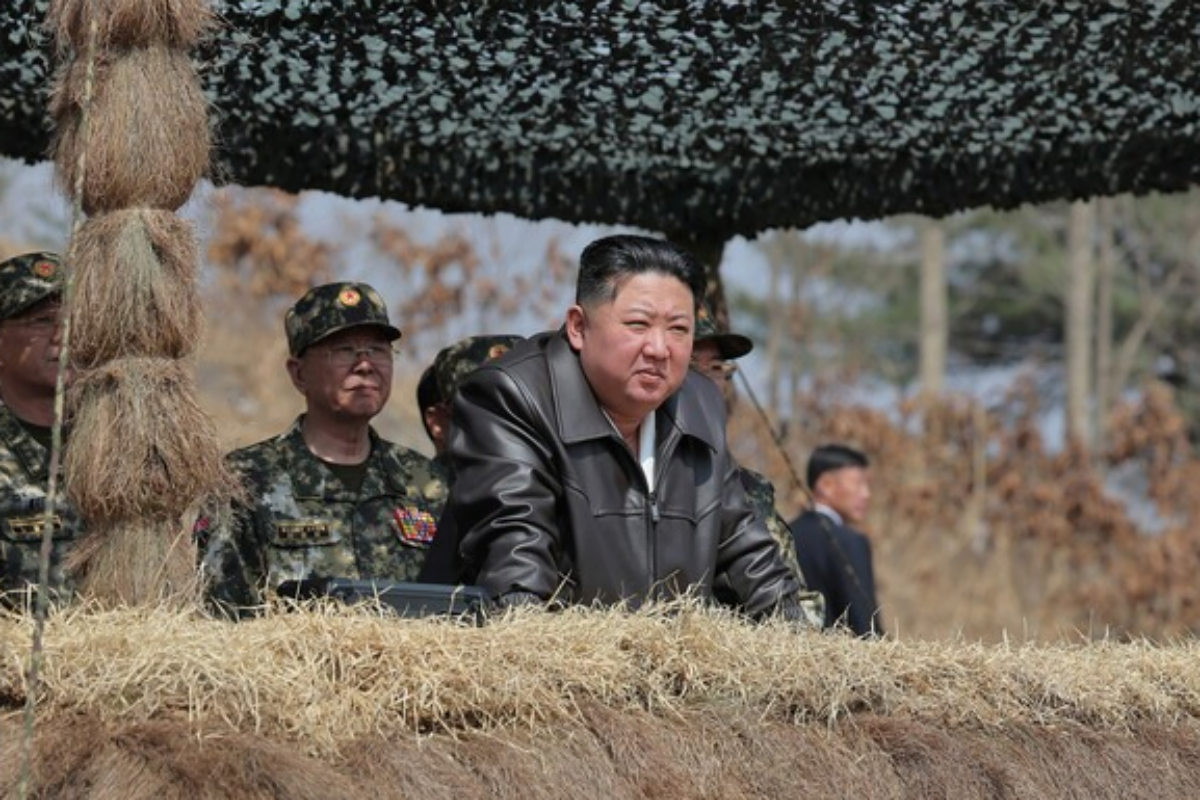
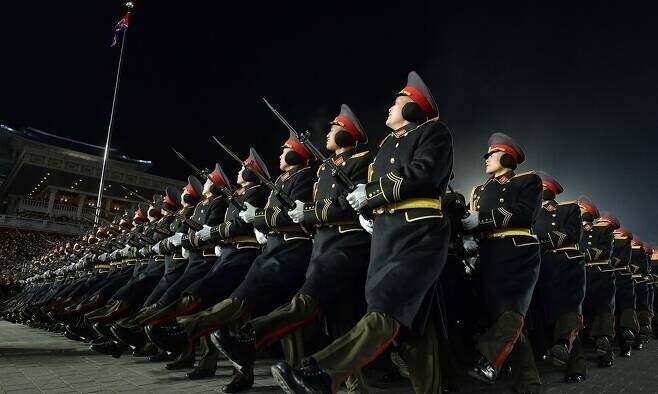
Earlier this year, during a visit to Ukraine by a South Korean parliamentary delegation, officers from Ukraine’s Special Operations Forces told them bluntly: “Five North Korean soldiers are equal to 10 Russian soldiers.” They pointed to four traits in North Korean forces: ① exceptional endurance, ② a marked lack of fear, ③ a force composed largely of men in their 20s, and ④ strong discipline and obedience to command. Ukrainian sources say many of the roughly 10,000 personnel deployed to the Kursk front appear to be drawn from elite special-warfare formations tied to the 11th Corps (the Storm Corps) and the reconnaissance directorate, and some witnesses report those units train on ranges separate from Russia’s regular forces.
Soldiers who kept crawling forward despite FPV drones
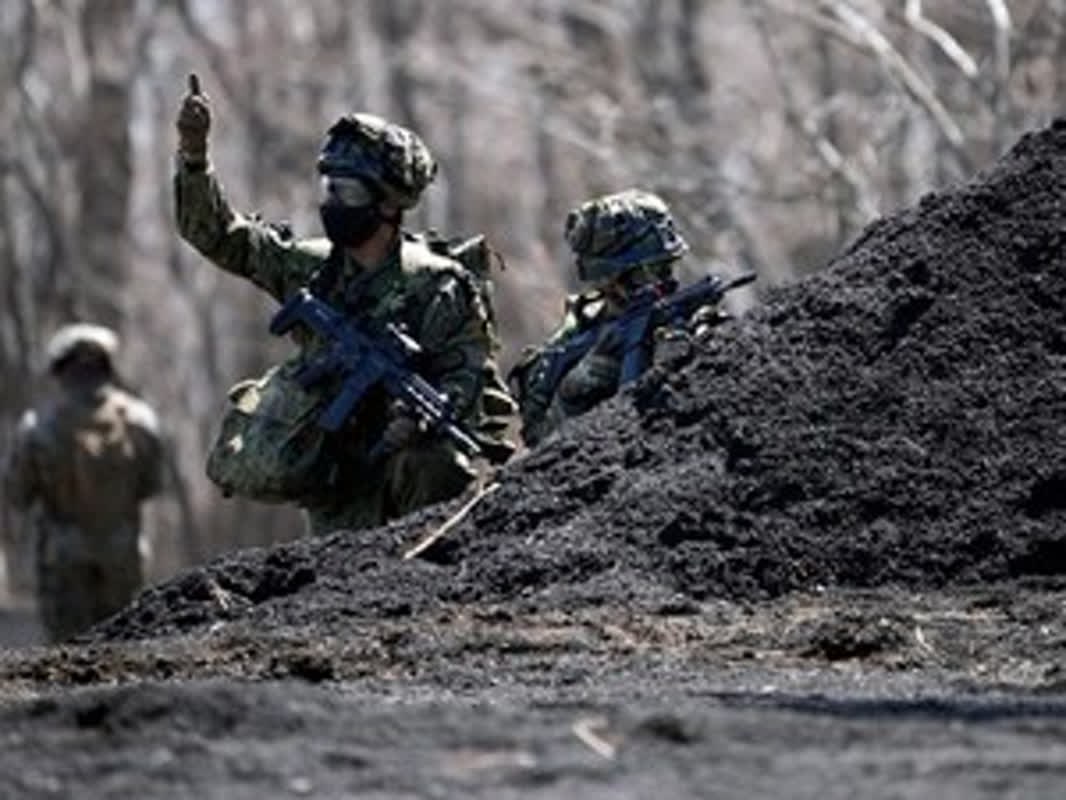
Ukrainian testimony and analysis of drone footage indicate North Korea’s massed, human-wave assaults are not mere exaggeration. Even after FPV suicide drones and mortar strikes hit a North Korean squad, survivors reportedly shouted and pushed forward. One special-operations operator told reporters that Russian troops often break, hide or surrender when drones strike, but North Korean soldiers would crawl over fallen comrades and keep firing until the end. The New York Times’ video analysis also captured an approximately 50-man North Korean unit breaching about 8 km (roughly 5 miles) of snowy terrain, dispersing into small teams and surprising a Ukrainian position.
Even Russian troops concede: “Their infantry are superior”
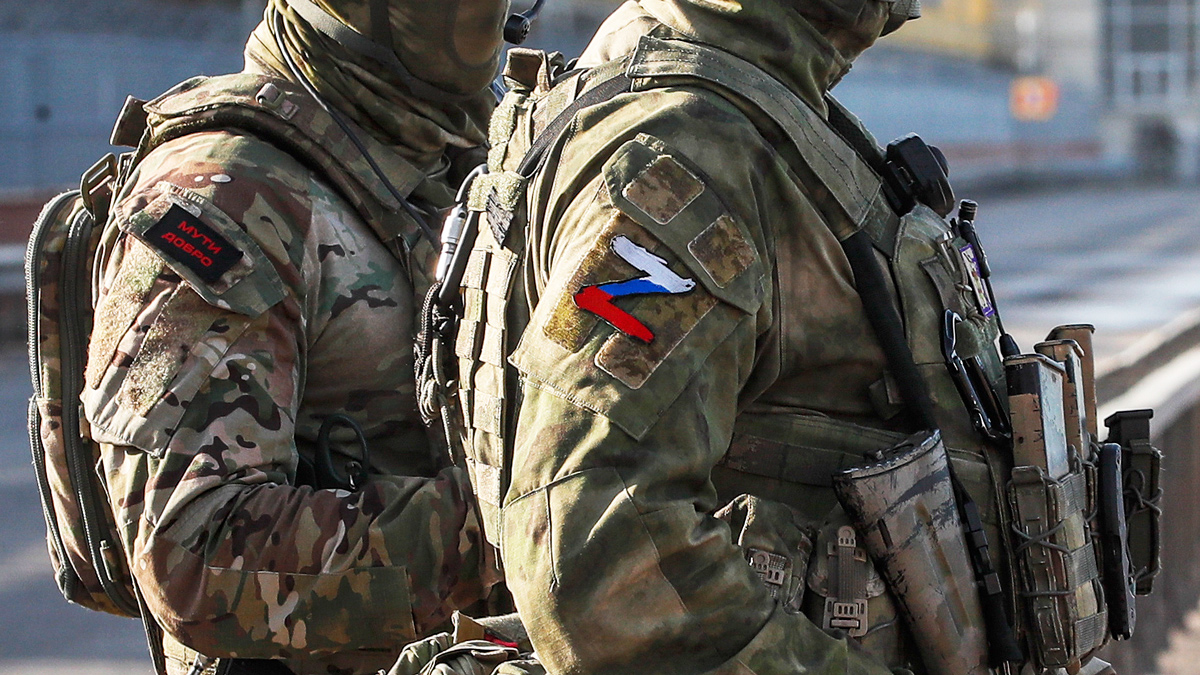
Reporting by Yonhap, AP and others says captured Russian soldiers have acknowledged that North Korean troops appear better trained and more disciplined, and that they often lead assault operations. Observers describe a division of labor: Russian units largely focus on rear-area defense and support, while North Korean formations take on front-line breakthroughs, night raids, forest fighting and close-quarters urban combat. Ukraine’s military intelligence assesses that, for the first time in decades, North Korea is accumulating large-scale combat experience and rapidly learning countermeasures against explosive-laden drones.
Fanatical vs. systematic and professional…two faces of their combat power
Western military analysts describe North Korean combat power along two axes. One is a fanatical willingness to assault without regard for casualties; the other is the systematic, professional tactical proficiency evident among personnel from the 11th Corps and the reconnaissance directorate. In night operations and forest fighting, those units have demonstrated rapid maneuver, effective small-unit tactics, covert infiltration and ambush skills. Observers also note coordinated fires, orderly withdrawals and reassembly consistent with doctrine. At a U.N. Security Council session, the U.S. deputy ambassador warned that North Korea is absorbing Russian equipment, tactics and battlefield experience, enhancing its capacity to wage war against neighboring states.
The trap in asking, “Would the South Korean military lose?”
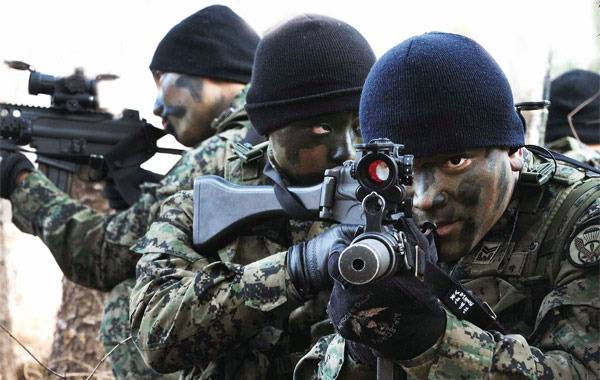
Reports quoting active Ukrainian and special-operations personnel who say that, judged solely by the infantry currently fighting in Ukraine, North Korean soldiers would outperform South Korean infantry are certainly striking. But that comparison focuses only on individual infantrymen’s staying power, endurance and discipline — not on the full national military balance that includes airpower, naval forces, precision strike and intelligence. South Korea fields world-class airpower, precision-guided munitions, ISR (intelligence, surveillance, reconnaissance) assets and allied support, while North Korea still faces structural limits such as aging equipment, sustainment shortfalls and tactical rigidity. In short, although each North Korean infantryman may be more dangerous on his own, many experts caution it is an overreach to generalize that South Korea would necessarily lose in an overall peninsula-wide conflict.
The real lesson for South Korea: an adversary you can no longer ignore
The critical takeaway is not a binary claim that “we lose” or “we win,” but that South Korea can no longer underestimate North Korean infantry and special-forces combat experience. Former Special Warfare Command commander Jeon In-beom warned that North Korea’s modern-combat exposure in Ukraine is a decisive variable; if formations such as the 11th Corps and the reconnaissance directorate return home, their capabilities for DMZ and rear-area infiltration and urban raids could rise materially. Ukrainian think tanks similarly warn that what may now appear as expendable battlefield manpower could, with systematic training and real combat experience, evolve into a new form of threat.
What the South Korean military must change
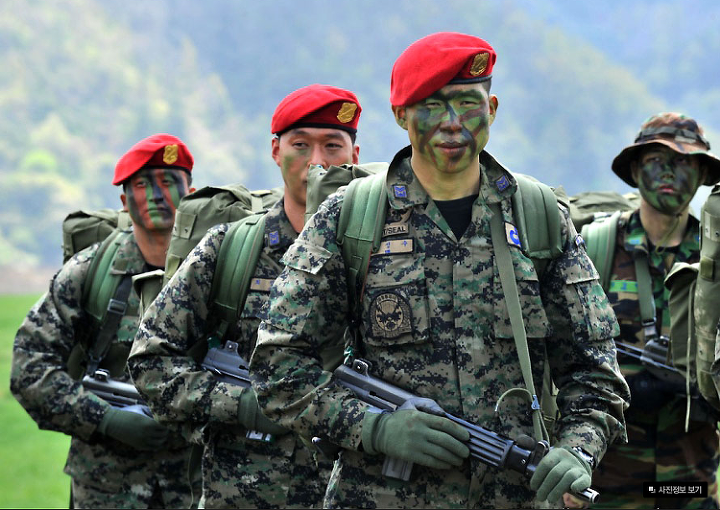
This battlefield presents several concrete tasks for the South Korean military.
- Analyze combat experience from North Korean special-warfare units—specifically their drone employment, night-fighting and small-unit infiltration tactics—and update countering doctrines accordingly.
- Strengthen anti-infiltration and anti–special-operations defenses along the DMZ and in rear areas.
- Replace complacency—“we are overwhelming”—with a full reassessment of wartime readiness that covers psychological operations, infantry tactics and the ability to sustain prolonged combat. The U.S. has likewise judged the North Korean capabilities observed in Ukraine to be real and is reportedly sharing tactical analyses of deployed Korean units from both sides.