Officials say the first in-person talks between the United States and Iran could take place as soon as this week. At the same time, U.S. preparations for possible ground operations have been detected, making this week a potential turning point between compromise and escalation.
Reuters reported on the 23rd (local time) that Vice President J.D. Vance and U.S. special envoy for the Middle East Steve Witkoff may meet Iranian officials in Islamabad, Pakistan, this week to negotiate an end to hostilities. If the meeting occurs, it would be the first official face-to-face contact between the two sides since fighting began on the 28th of last month.
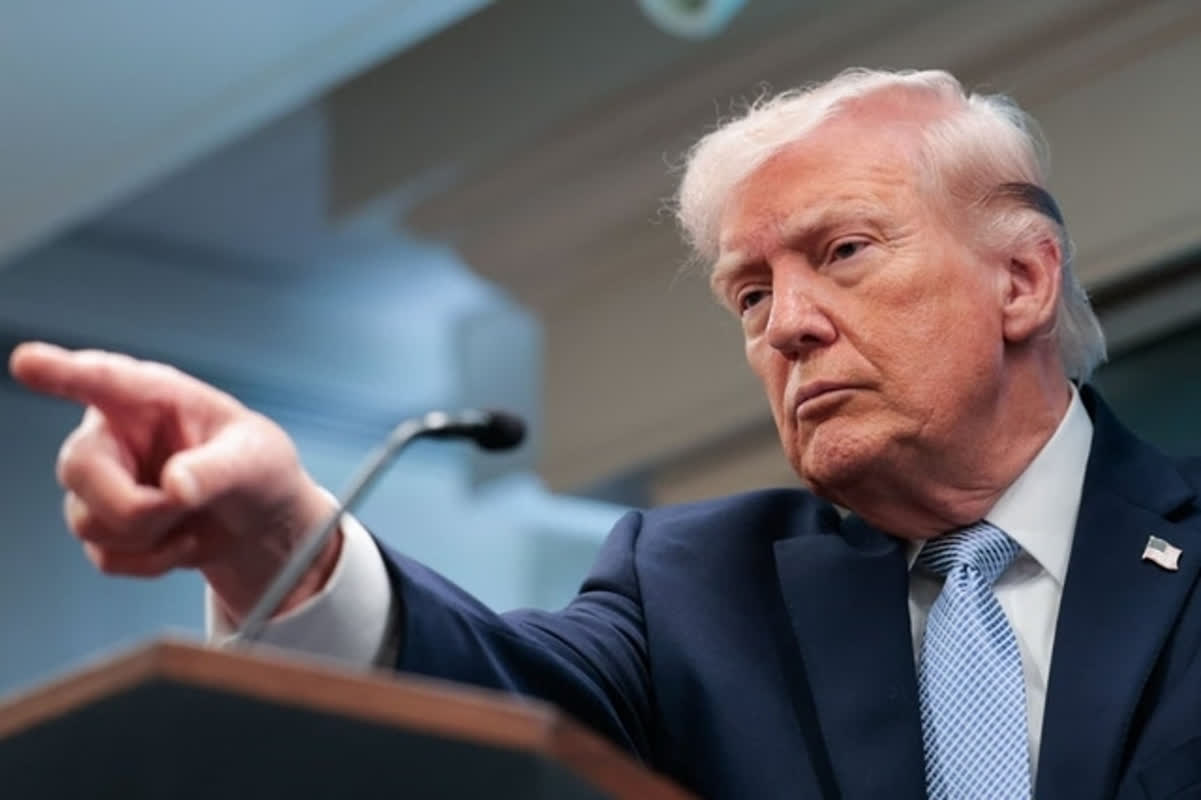
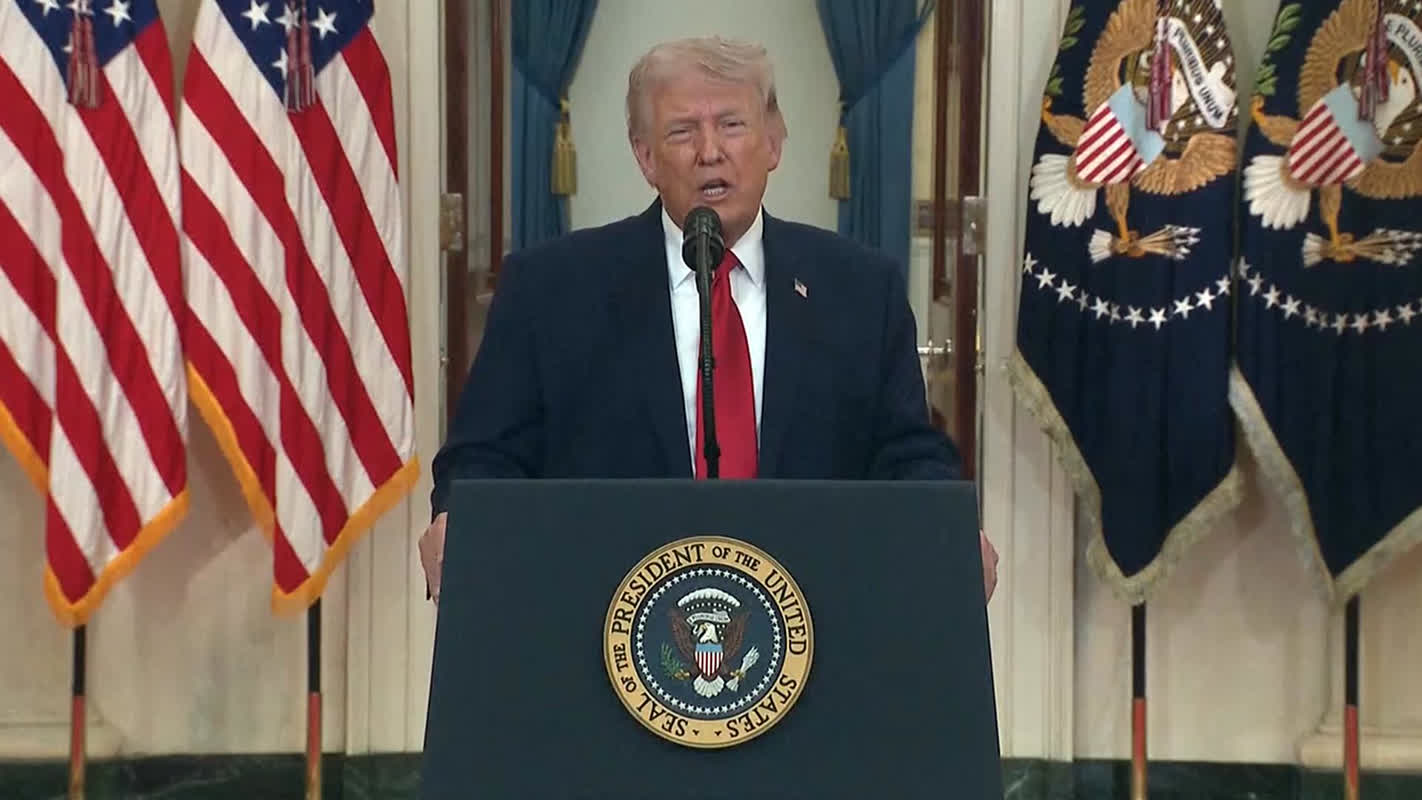
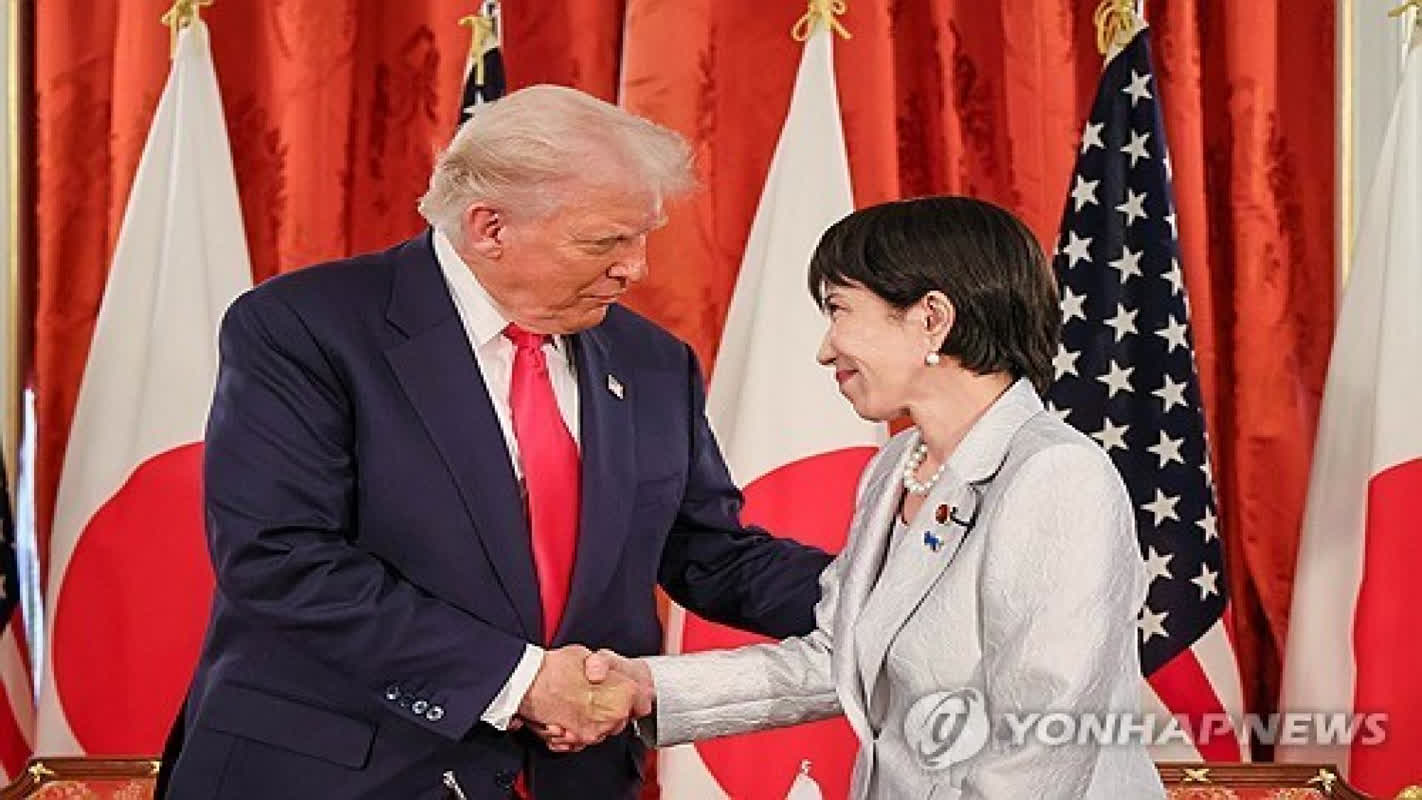
Reports say Pakistan, a country seen as friendly to Iran, is mediating the talks. President Donald Trump said, \"We have agreed on nearly all issues,\" suggesting a deal could be within reach.
However, prospects for a deal remain uncertain. Deep distrust inside Iran stems from past negotiations that coincided with military strikes. Major disagreements persist over core issues, including Iran’s nuclear program, control of the Strait of Hormuz, and sanctions relief.
Iran denies the possibility of direct talks with the United States and is keeping its distance. Parliament Speaker Mohammad Bagher Ghalibaf dismissed the reports as fake news. Still, Iran’s foreign ministry said it received a U.S. request for talks via allied countries and has responded, acknowledging indirect contact.
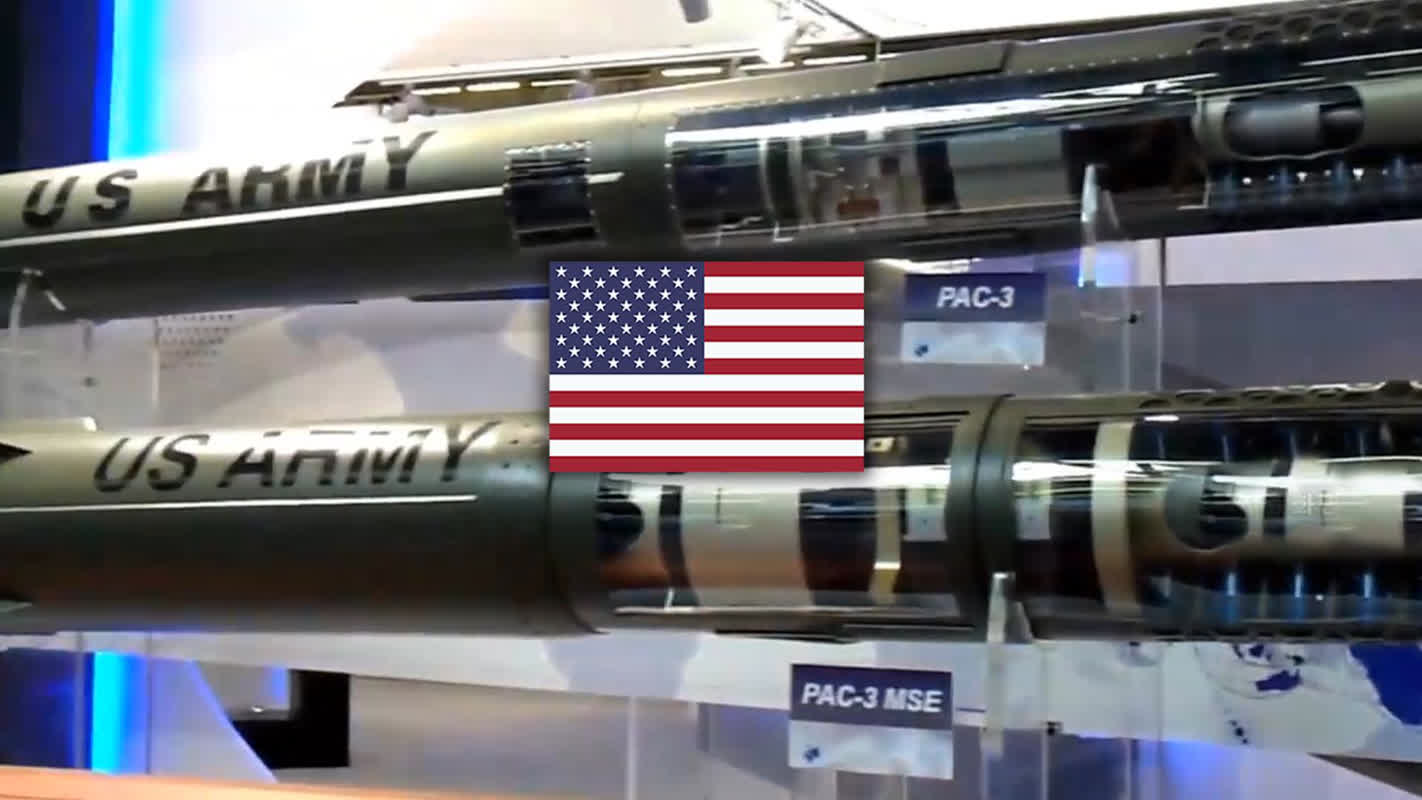
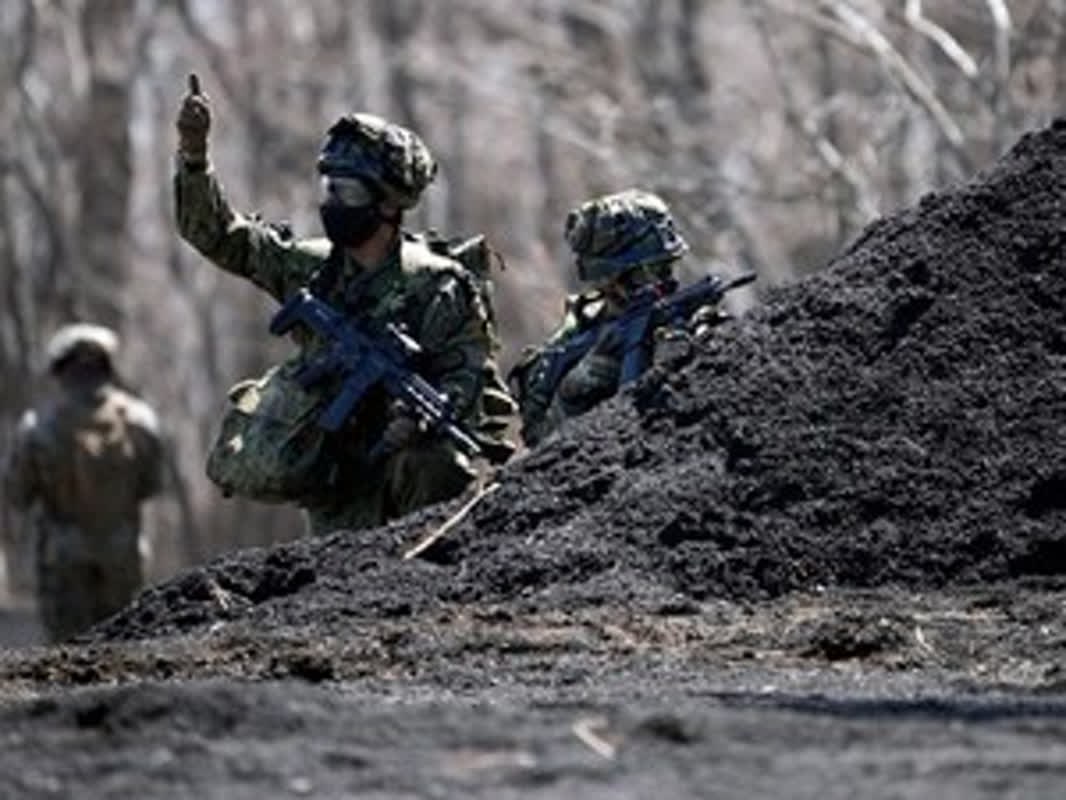
At the same time, military tensions are rising. The New York Times reports the U.S. military is moving a Marine expeditionary unit of roughly 5,000 troops to the Middle East and is weighing the deployment of about 3,000 paratroopers who could be inserted within 18 hours. Military analysts warn that committing ground forces would likely push the conflict into a broader phase of escalation.
Israel is also maintaining an offensive posture, which further complicates the picture. Analysts note that because the U.S. is pursuing diplomacy while applying military pressure, a breakdown in talks could sharply increase the risk of wider conflict.
Ultimately, this week could open the door to cease-fire discussions if negotiations succeed, but it could just as easily lead to expanded ground combat. The \"five-day pause\" President Trump referenced may prove the decisive variable in determining the war’s direction.
Reuters reported on the 23rd (local time) that Vice President J.D. Vance and U.S. special envoy for the Middle East Steve Witkoff may meet Iranian officials in Islamabad, Pakistan, this week to negotiate an end to hostilities. If the meeting occurs, it would be the first official face-to-face contact between the two sides since fighting began on the 28th of last month.
Reports say Pakistan, a country seen as friendly to Iran, is mediating the talks. President Donald Trump said, \"We have agreed on nearly all issues,\" suggesting a deal could be within reach.
However, prospects for a deal remain uncertain. Deep distrust inside Iran stems from past negotiations that coincided with military strikes. Major disagreements persist over core issues, including Iran’s nuclear program, control of the Strait of Hormuz, and sanctions relief.
Iran denies the possibility of direct talks with the United States and is keeping its distance. Parliament Speaker Mohammad Bagher Ghalibaf dismissed the reports as fake news. Still, Iran’s foreign ministry said it received a U.S. request for talks via allied countries and has responded, acknowledging indirect contact.
At the same time, military tensions are rising. The New York Times reports the U.S. military is moving a Marine expeditionary unit of roughly 5,000 troops to the Middle East and is weighing the deployment of about 3,000 paratroopers who could be inserted within 18 hours. Military analysts warn that committing ground forces would likely push the conflict into a broader phase of escalation.
Israel is also maintaining an offensive posture, which further complicates the picture. Analysts note that because the U.S. is pursuing diplomacy while applying military pressure, a breakdown in talks could sharply increase the risk of wider conflict.
Ultimately, this week could open the door to cease-fire discussions if negotiations succeed, but it could just as easily lead to expanded ground combat. The \"five-day pause\" President Trump referenced may prove the decisive variable in determining the war’s direction.