 [Herald Economy = Reporter Go Eun-gyeol] Japan’s decision to permit exports of lethal weapons — reversing a long-standing effective ban — could put it on a path to compete with South Korea in select corners of the global defense market, analysts say. But because Japan’s defense sector is still developing, most observers expect only limited near-term effects and competition concentrated in specific niches over the medium to long term.
On April 21, the Japanese government revised the Three Principles on Transfer of Defense Equipment and Related Materials and updated its operational guidelines, scrapping the rule that limited exports to five non-combat categories. Tokyo had previously allowed limited sales for five non-lethal categories (rescue, transport, patrol, surveillance, and mine countermeasures). The change now allows Japan to sell systems with lethal capabilities, a move many see as the start of a deliberate effort to industrialize and expand defense exports.
수출 레퍼런스·성능 신뢰성 등 韓 경쟁 우위 '굳건'
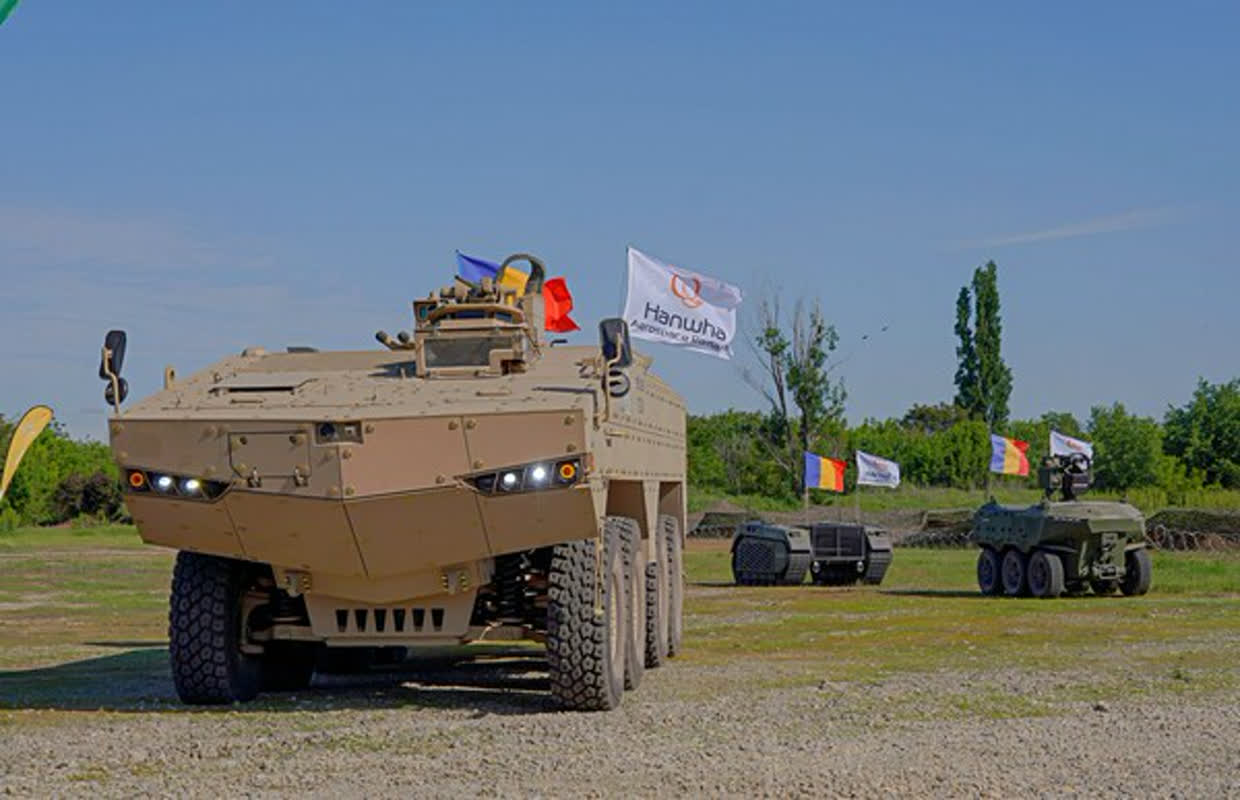
Market analysts say Japan could emerge as a new competitor in the global arms market, but they see little chance of immediate head-to-head clashes with South Korea’s flagship export platforms — main battle tanks, self-propelled artillery, and certain guided weapons. Korea retains a clear edge in export track record and proven operational performance, analysts note. Japanese firms are raising production capacity, but they will likely need larger investments to meet export demands and global competition.
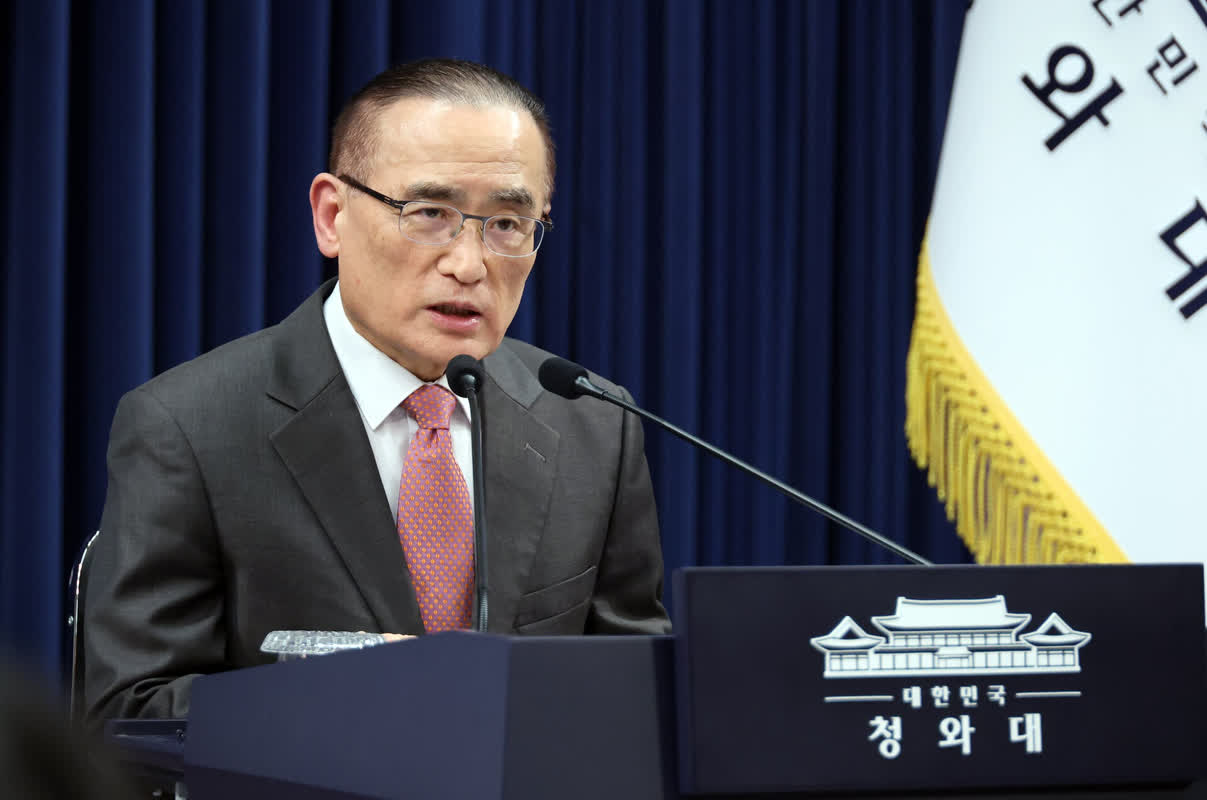
Jang Won-joon, a professor in the Advanced Defense Studies Department at Jeonbuk National University, said, “Japan’s defense industry has almost no export record and has been focused on domestic demand, so its systems haven’t been battle-tested on the global stage. It won’t be easy for Japan to immediately compete with Korean tanks or self-propelled howitzers that have proven themselves through exports.” He added that gaps remain when accounting for price competitiveness, offset arrangements, and industrial cooperation — key factors in winning export contracts.
함정 분야는 경쟁 가능성…동남아 공략할 듯
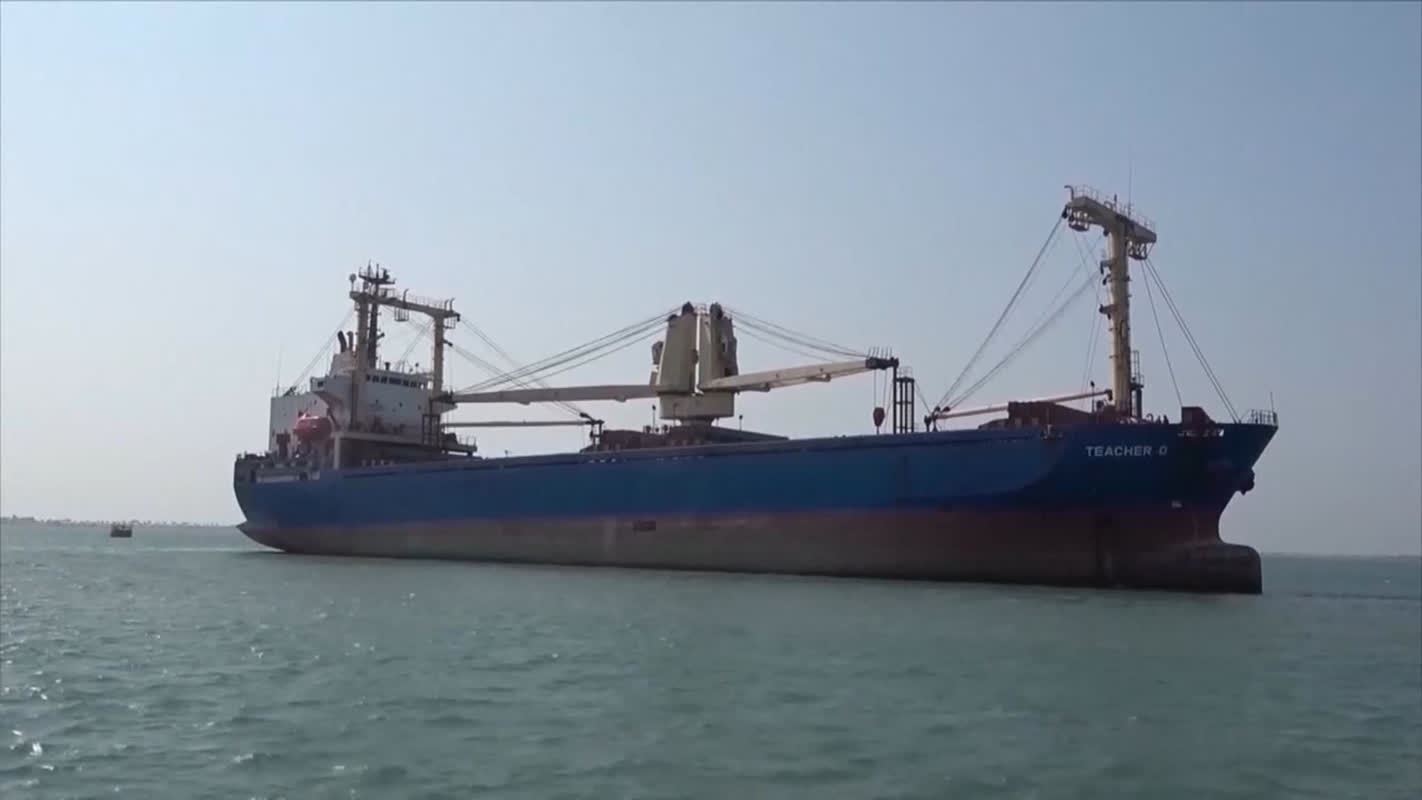
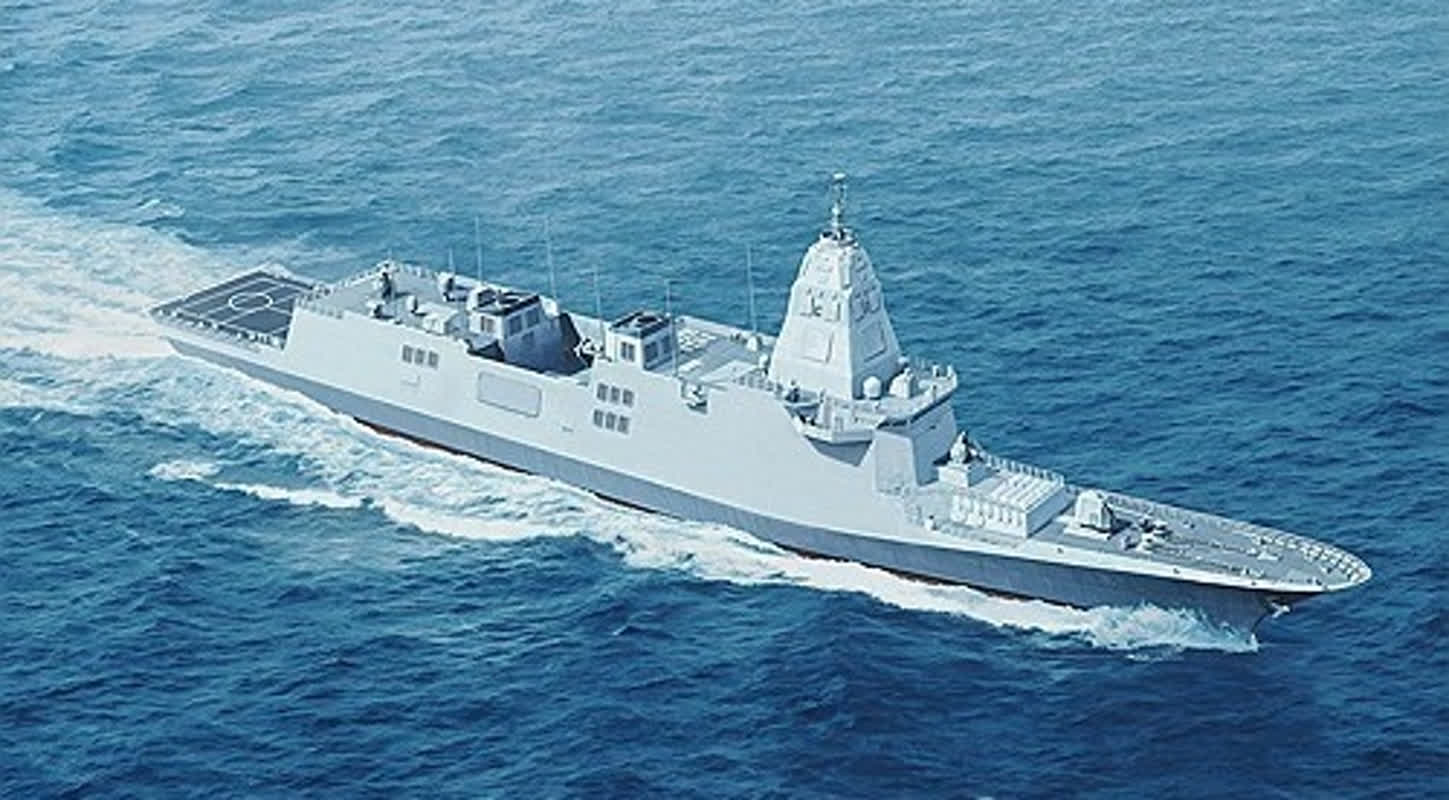
Analysts see a higher likelihood of competition in the naval sector. Leveraging strong shipbuilding and mechanical engineering capabilities, Japan has advanced technologies for surface combatants and submarines. The two countries already faced off in a frigate contest for Australia in 2024. Reports indicate Japan is targeting Southeast Asian navies — including the Philippines and Indonesia — markets where Korean shipbuilders have been active with submarine and surface-ship exports. That overlap could sharpen competition in the region.
A cornerstone of Tokyo’s export strategy is likely to be a government-led security assistance package known as OSA (Official Security Assistance). OSA couples defense sales with security capacity-building for developing partners, effectively creating a packaged, government-to-government (G2G) support model. Observers expect Japan to use OSA to expand G2G contracts with Southeast Asian partners such as the Philippines and Thailand, starting with countries that have close diplomatic and security ties.
“일본과 경쟁·협력 병행 필요…제도 참고할 필요”
Still, experts caution that Japan’s shift is unlikely to upend the global defense market quickly. Defense exports demand not only competitive prices but also industrial partnerships, offset deals, and operational track records — areas where Japan has limited export experience. Domestic political constraints rooted in Japan’s pacifist constitution could also temper the pace of expansion. Aviation and missile sectors are cited as potential future competition areas, but analysts say robust rivalry in those fields is unlikely in the short term. Japan is co-developing a next-generation fighter with the UK and Italy and has missile production experience, yet it faces institutional and market-model limits for independent exports.
Some analysts argue South Korea should pursue a mix of vigilance and engagement: monitor competitive threats while seeking cooperation where security interests align. Professor Jang emphasized, “The global defense market is competitive, so we must closely watch areas where Japan could pose a challenge,” but he added, “Within the U.S.-Korea-Japan security framework, joint responses and cooperation should proceed where possible.” He also suggested Korea study institutional tools like Japan’s OSA. Yuanta Securities said lifting Japan’s export limits won’t unsettle Korea’s standing in defense, but it urged continued national focus on technology development and export diplomacy to sustain Korea’s competitive edge.