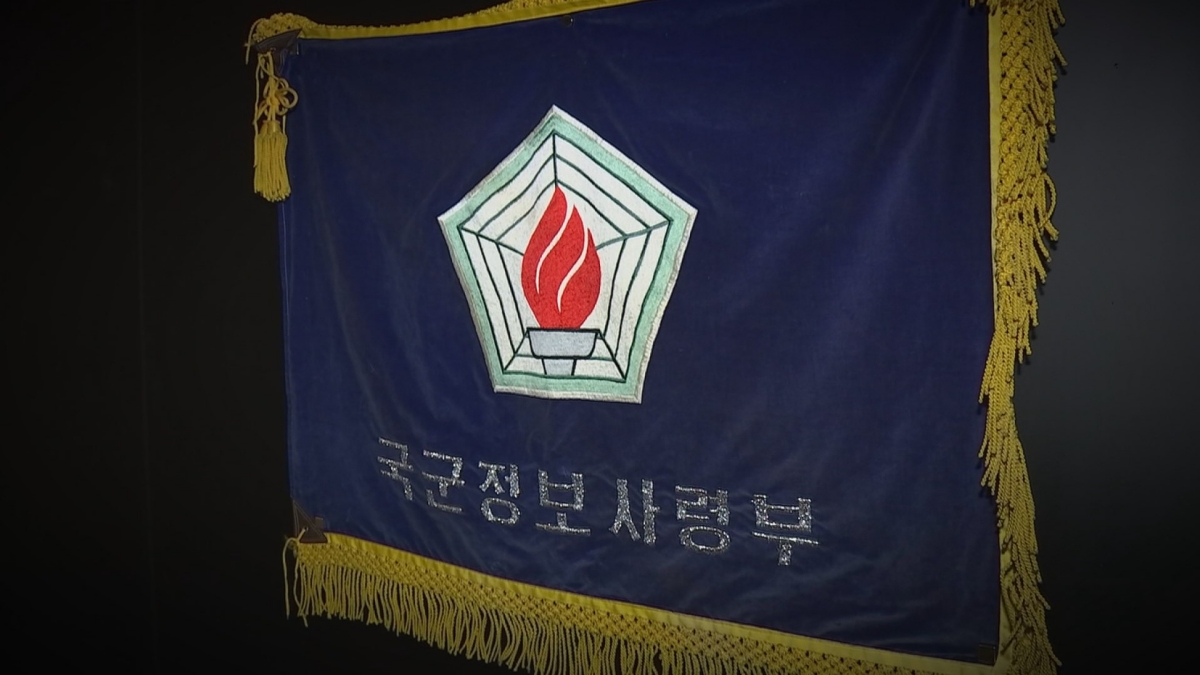
“The most dangerous enemy wasn't beyond the border; it sat beside the server room.” Security officials were jolted after the Defense Intelligence Command — long viewed as the final bulwark of South Korea's intelligence apparatus — suffered an unprecedented breach.
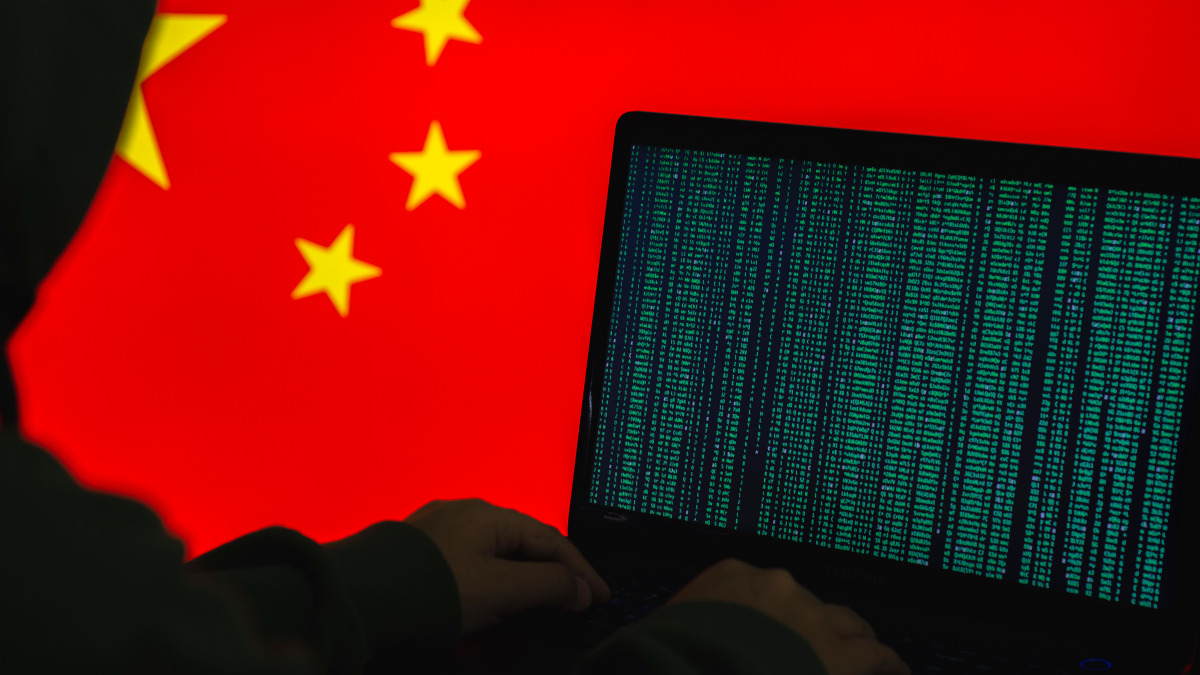
Investigators say the grim reality was not a remote cyberattack. Instead, an insider with top-level access directly sold detailed personnel records of allied operatives to Chinese handlers.
20-Year Sentence Confirmed; Insider Leaked 30 Classified Items
The facts are stark. According to military prosecutors and the final court ruling, a former civilian employee of the Defense Intelligence Command provided military secrets, intact, to a person believed to be a Chinese intelligence officer. The court imposed a 20-year prison term.
The insider abused authorized access to exfiltrate sensitive material, including a list of so-called \"black agents.\" Authorities say the leak comprised 30 items in total: 12 documents and 18 voice messages.

Despite large investments in defensive systems and cyber readiness, the agencies were blindsided by the long-term recruitment and betrayal of an employee who had both access and handling authority.
The case exposed security's most dangerous vulnerability: no matter how strong the defenses, they are useless if someone hands the keys to the gate to an adversary.
The fallout has intensified calls for a complete overhaul of personnel security, not just physical or technical safeguards.
A Crisis for Agents Who Risk Their Lives, and a Collapsed Intelligence Network
This cannot be resolved simply by sentencing one individual. The substance of the leaked material carries consequences far beyond a single conviction.
Revealing the roster of black agents — operatives who operate undercover overseas — does more than expose records. It turns field operatives into immediate targets.
Once an adversary learns a black agent's identity, that operative must cease operations and exfiltrate immediately, or face arrest or worse.
Worse still is the time and cost required to rebuild what was lost. Constructing HUMINT networks — placing operatives overseas under cover and recruiting local sources — takes decades and vast resources.
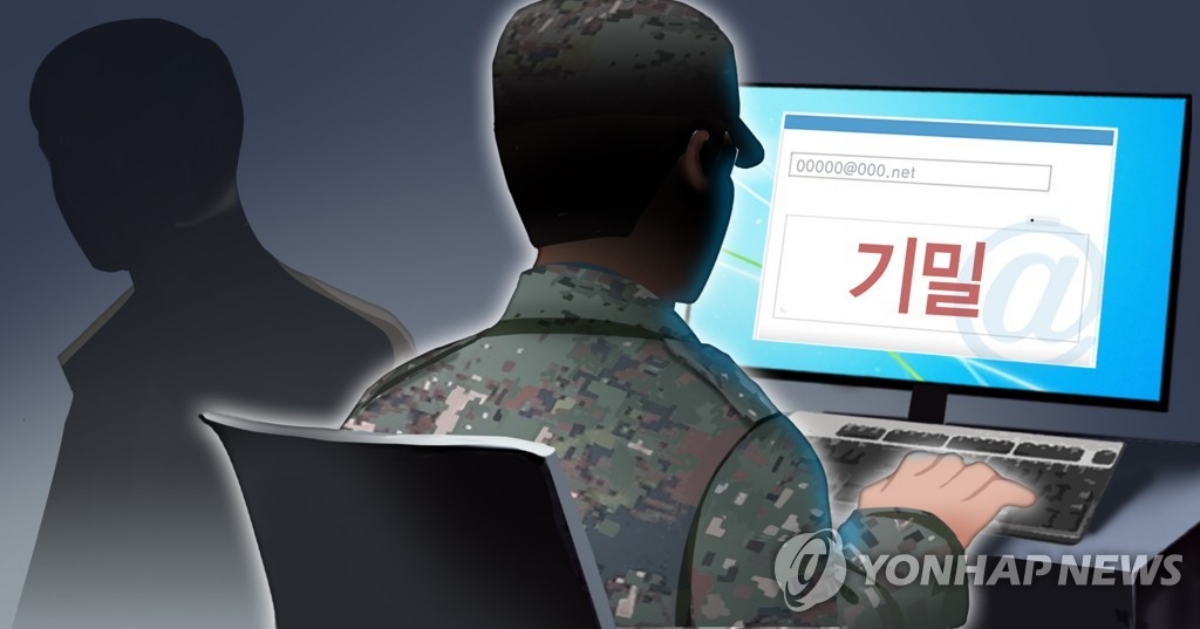
A single act of betrayal and 30 compromised items have effectively paralyzed frontline intelligence collection on China and North Korea. Restoring capabilities to their previous level will demand opportunity costs that are hard to quantify.
The Defense Intelligence Command's failure to detect an insider more dangerous than any external adversary has inflicted lasting damage on South Korea's overseas intelligence capacity.