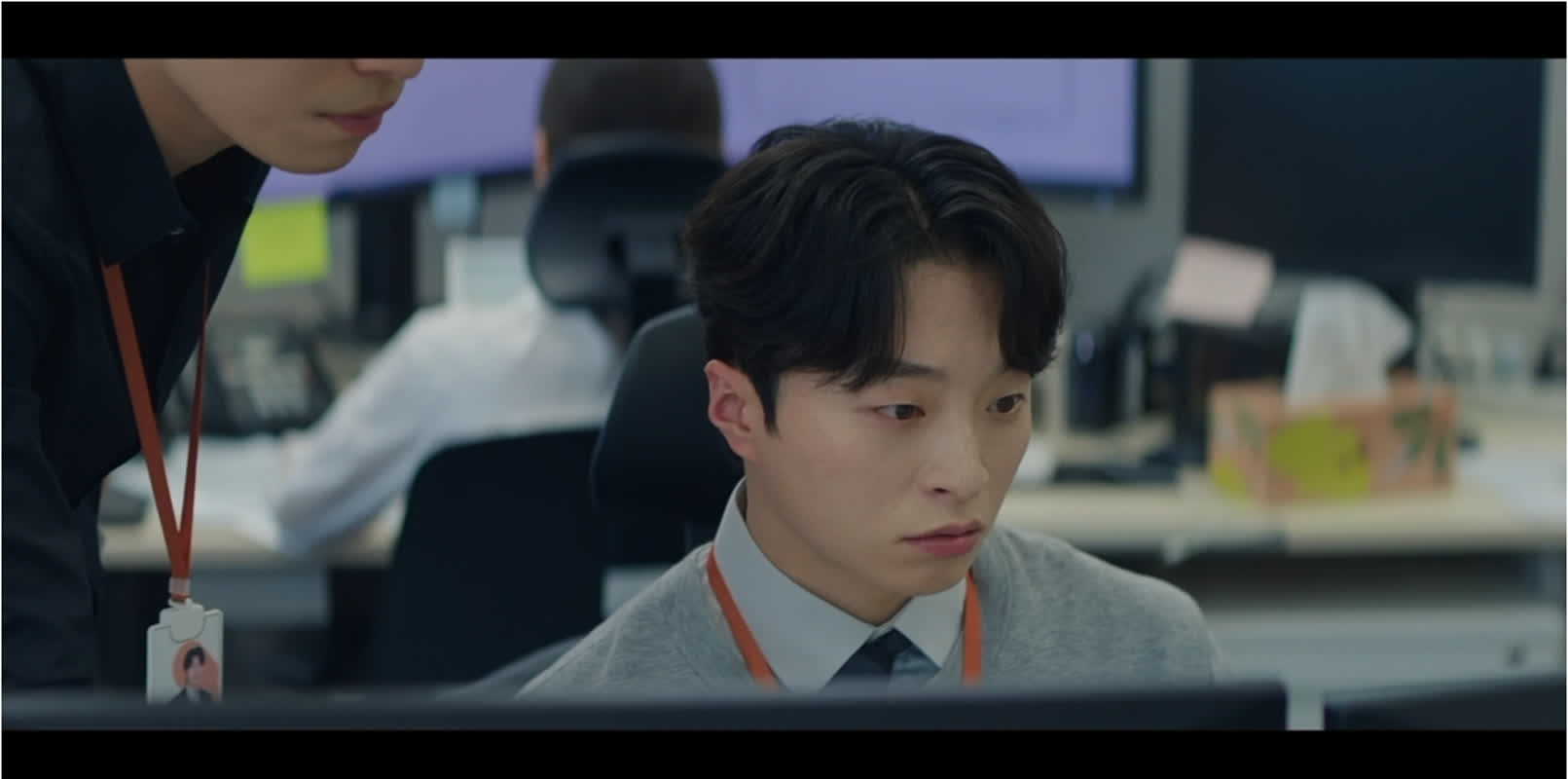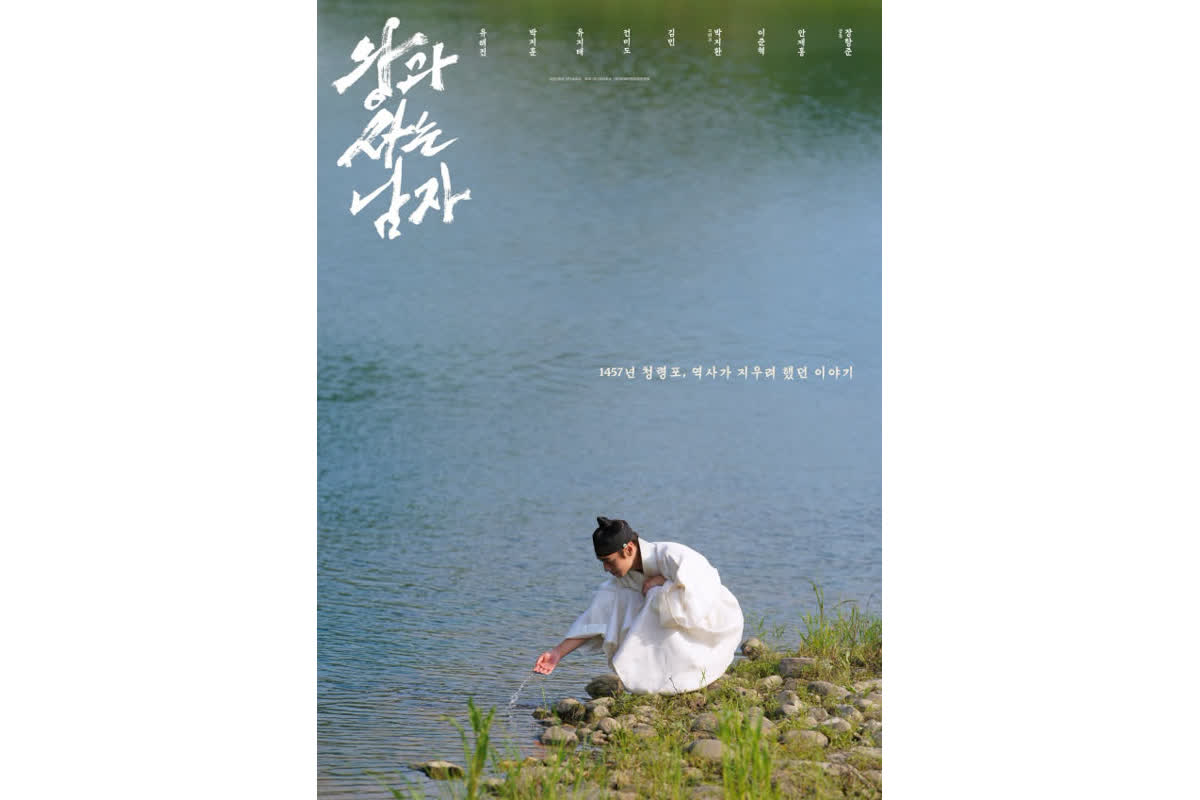
The film The Man Who Lives with the King has surpassed 10 million admissions, reigniting public interest in Danjong and the loyalty of Eom Heung-do. At the same time, a stele in Ulsan that commemorates Eom’s fidelity has come into the spotlight — but officials, members of the Eom clan and local residents remain at odds over how best to preserve or relocate it.
On the 11th, the Cultural Heritage Administration’s National Heritage Portal reported that Eom Heung-do served as the local magistrate when Danjong was exiled to Yeongwol by King Sejo. After Danjong died there in 1457, Eom recovered the body, secretly buried it at what is now Jangneung, and then went into hiding to escape Sejo’s reprisals.
According to historians, Eom and his descendants moved through Gongju in South Chungcheong and Mungyeong and Gunwi in North Gyeongsang before ultimately settling in Ulsan. When Danjong was rehabilitated in 1698, Eom’s honor was also restored.
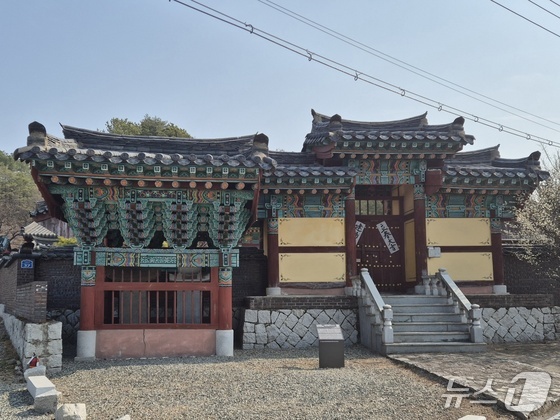
After establishing themselves in Ulsan, Eom’s descendants built a shrine called Wongangsa in 1799 in Daejeong-ri, Onsan-eup, to conduct memorial rites. On the advice of Confucian scholars, they elevated the site to Wongang Seowon in 1817 and erected a commemorative stele in 1820.
The inscription was composed by Jo Jin-gwan of the Hongmungwan, with the calligraphy by Dongbu Seungji Lee Ik-hoe. Most notably, the stele’s front title was penned by Minister Lee Jo-won, a celebrated calligrapher of the period, giving the monument significant value for both calligraphy and art history.
When the Onsan National Industrial Complex was developed in 1994, authorities relocated the Wongang Seowon and the stele to Hajak Village in Dungiri, Samdong-myeon, Ulju County, where they remain today. In 1998, the city registered the stele as Ulsan Cultural Heritage No. 10 under the name Jeung Gongjo Champan Eomgong Wongang Seowonbi.
However, the cultural designation established a 500-meter protection zone around the site, categorizing the area as a historical-cultural environment. Nearby residents argued the restriction infringed on their property rights and called for the seowon to be moved. In March of last year, Ulsan City proposed relocating the stele to the Ulsan Museum, but talks with the Eom clan failed to produce an agreement.
“Maybe because of the film’s success, more people have been coming to see the stele,” one villager said. “In the past, there were demands to move it, but these days I’m not sure.”
A Ulsan city official said, “The stele is part of Ulsan’s cultural heritage, but it is owned and managed by the Yeongwol Eom clan. The clan does not want to relocate it, so we are exploring ways to develop it as a tourism resource.”