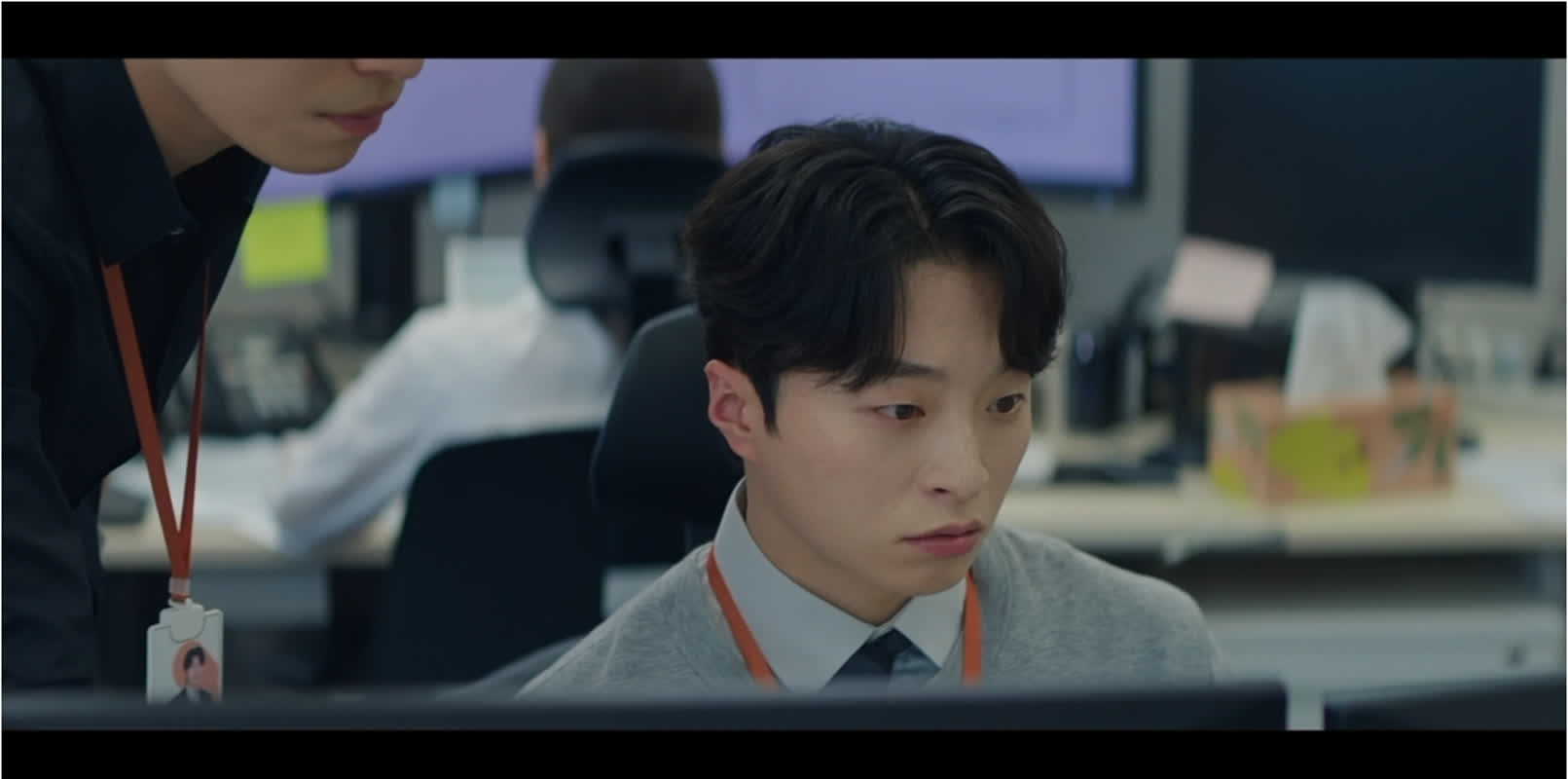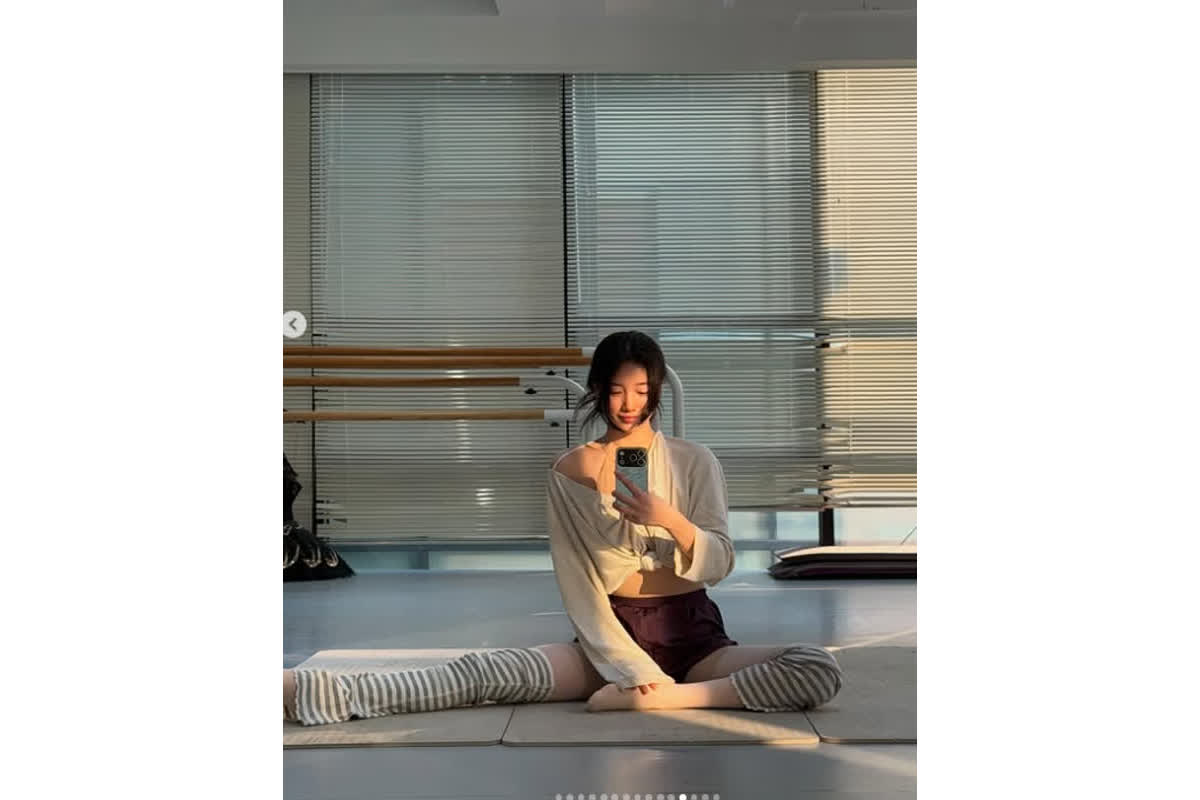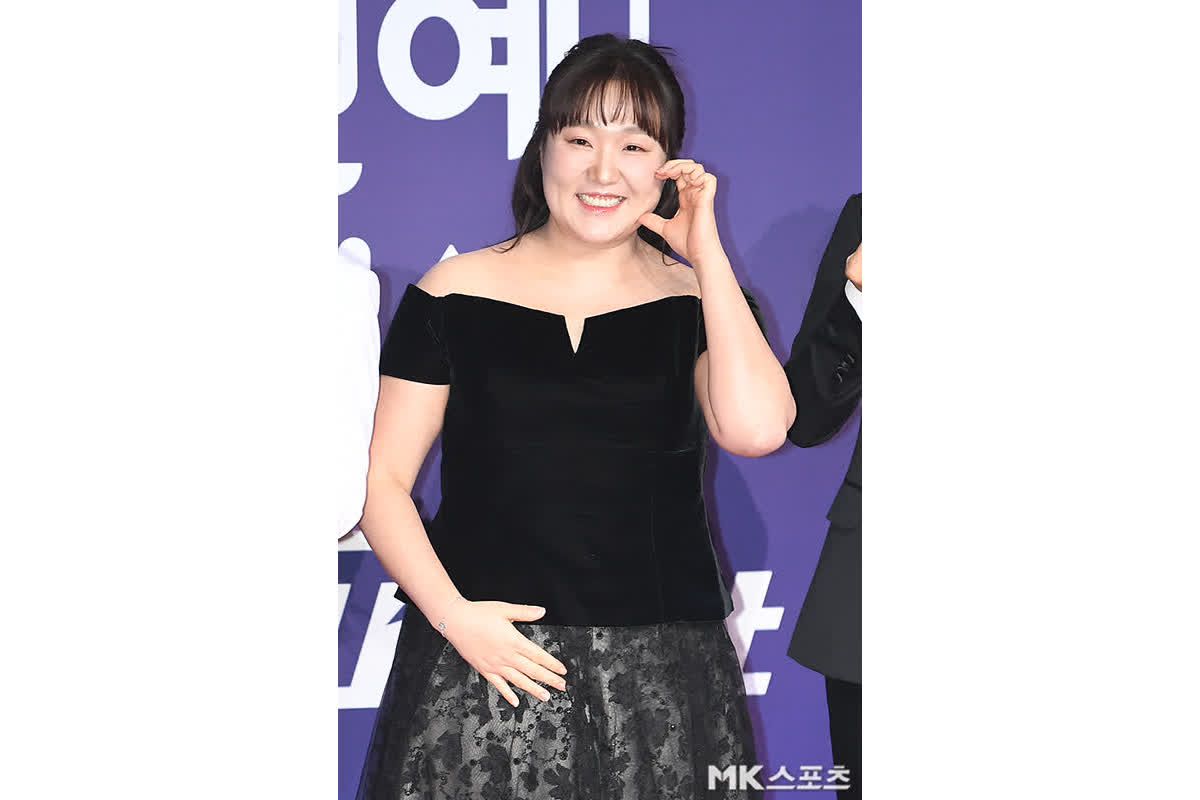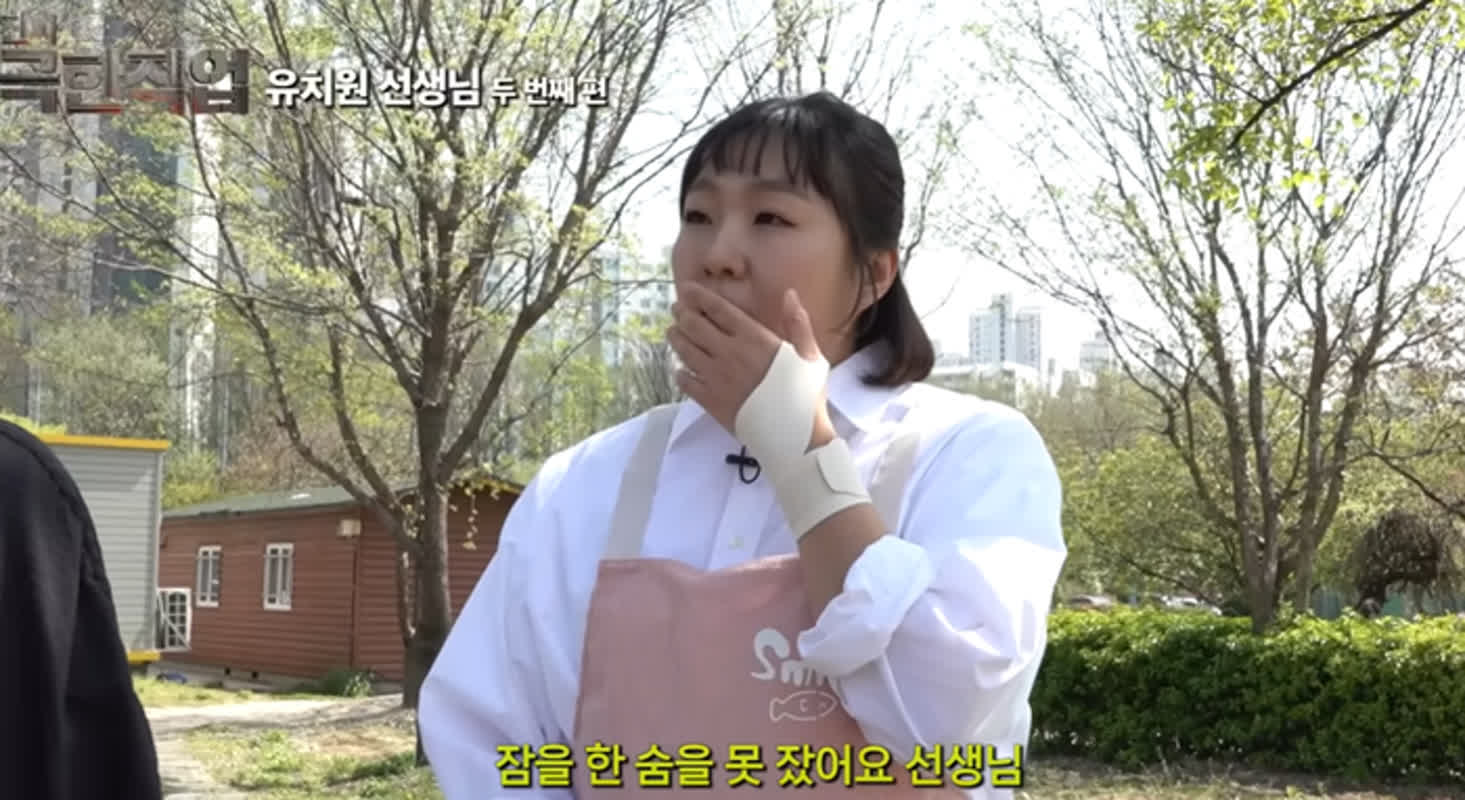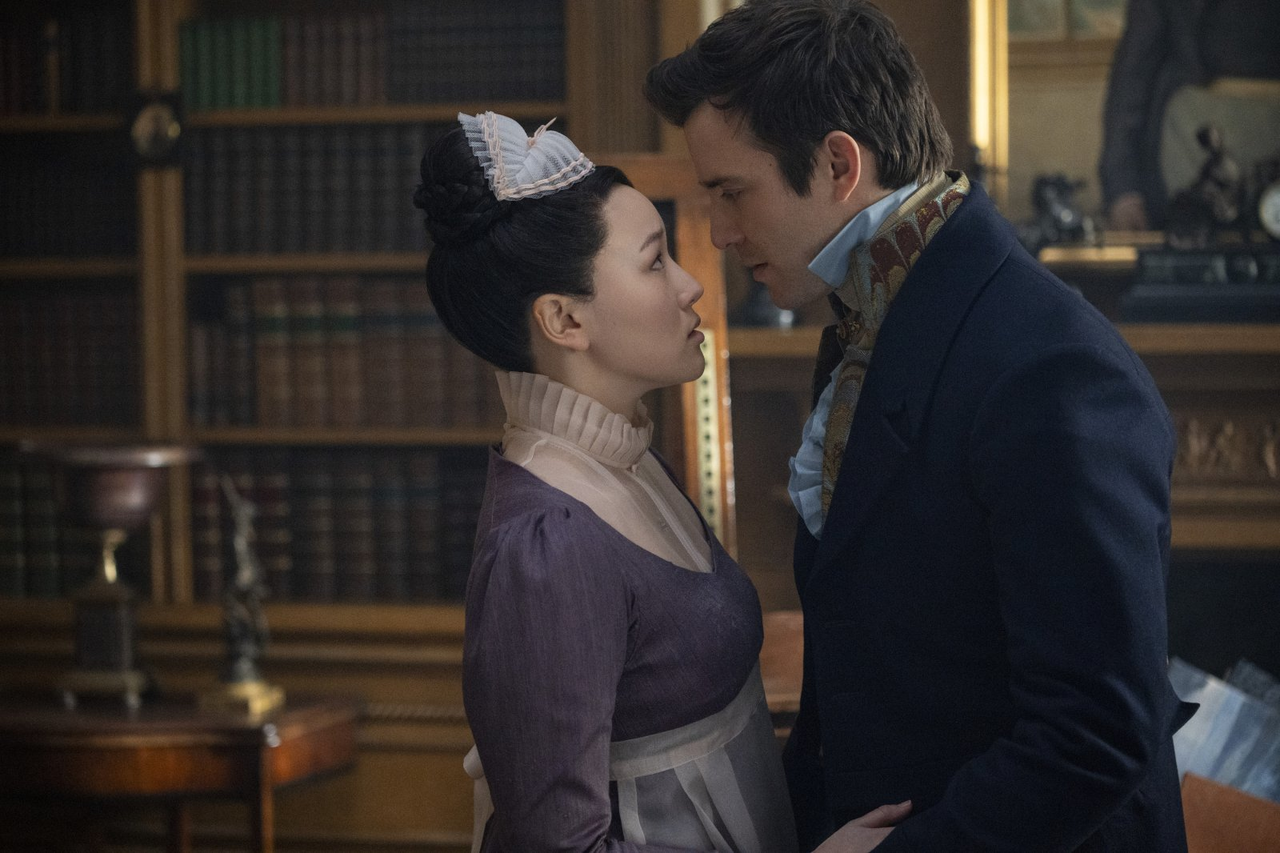
Ha Ye-rin, the lead actress in Bridgerton Season 4 — a cross-class love story set in early 19th-century British high society — praised the intimacy coordinator after filming several explicit romantic scenes.
“Just as action scenes have fight choreographers, intimate scenes need intimacy coordinators.”
As sets evolve to prioritize safety, even if they aren’t perfect, the role Ha mentioned — the intimacy coordinator — stands out as a clear sign of that shift.
An intimacy coordinator mediates between directors and actors when intimate scenes are being filmed. They help set boundaries and protocols and step in to prevent conflicts among directors, actors, and crew when shooting sensitive material like simulated sex.
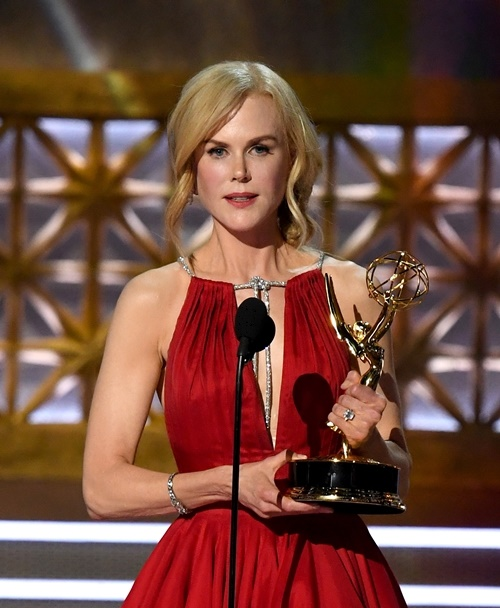
Hollywood, where actor rights carry significant influence, has been especially vocal about the need for intimacy coordinators. Nicole Kidman, who starred in the 2024 Venice Film Festival competition film Baby Girl, said the presence of an intimacy coordinator allowed her to deliver a more intense performance, reinforcing their importance.
“Essential in Hollywood — what about Korea?” How Netflix changed the rules for sex scenes
Following that momentum, Netflix — the leading OTT service by users — first introduced intimacy coordinators on a Japanese production in 2020. The streamer has since deployed them on shows such as Sex Education and Bridgerton, helping to modernize on-set practices.
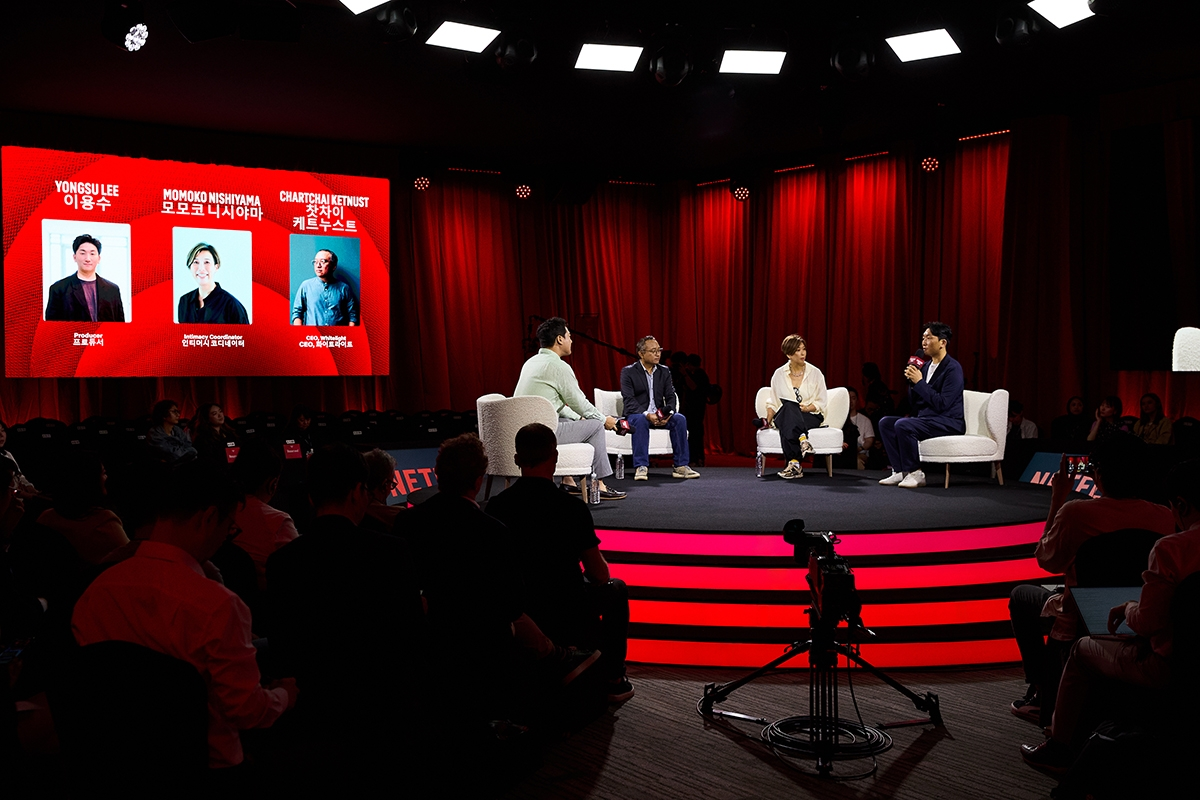
A Netflix representative noted that intimacy coordination was unfamiliar when first introduced, but positive experiences spread across the industry. They stressed, however, that Netflix did not invent the role; intimacy coordination has emerged globally as a production practice aimed at ensuring safer working conditions for cast and crew.
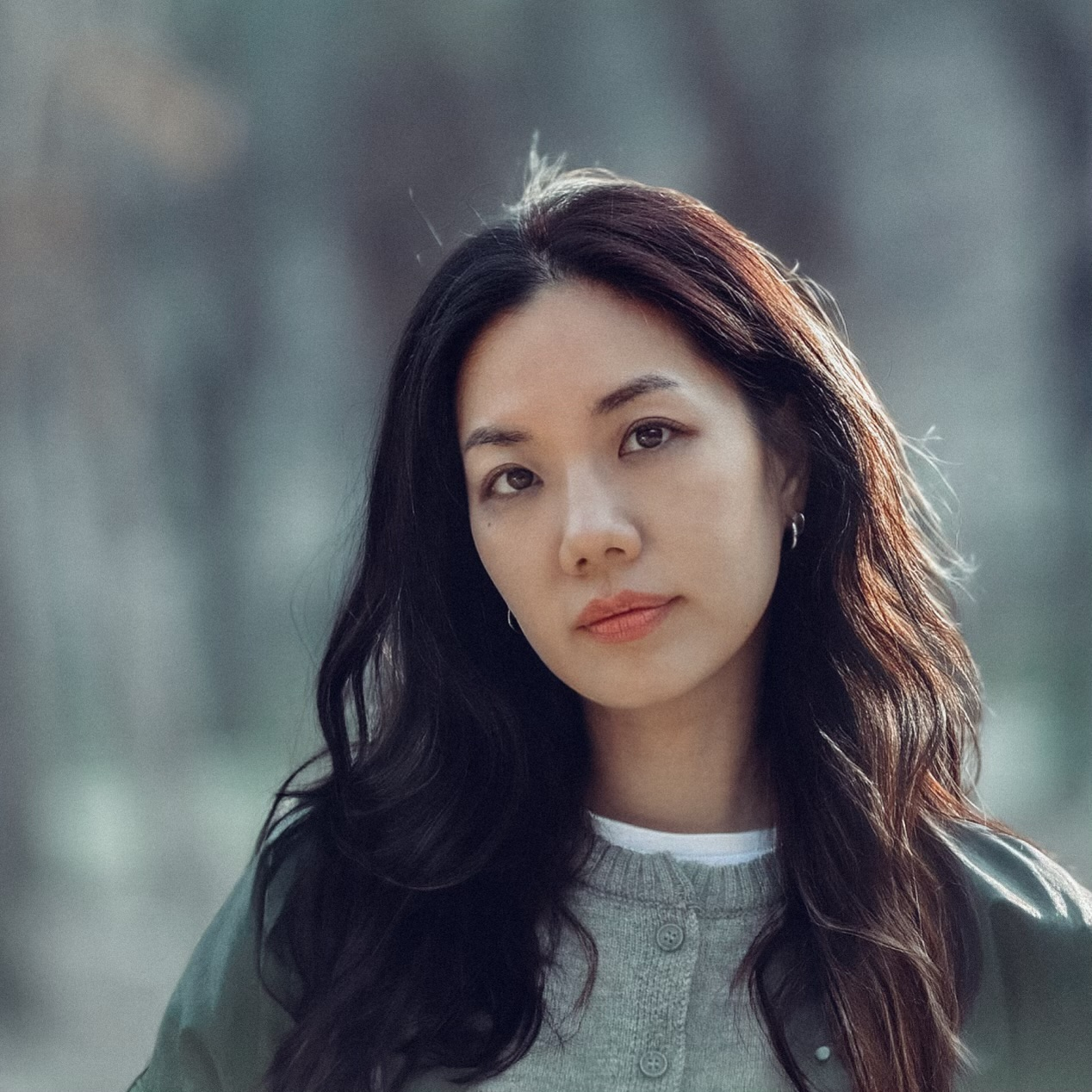
But intimacy coordinators remain uncommon on Korean sets. Kwon said her goal is to normalize the profession so both crew members and the public see it as “a job that can naturally be deployed on location.” To that end, she plans to give lectures for film students and production crews.
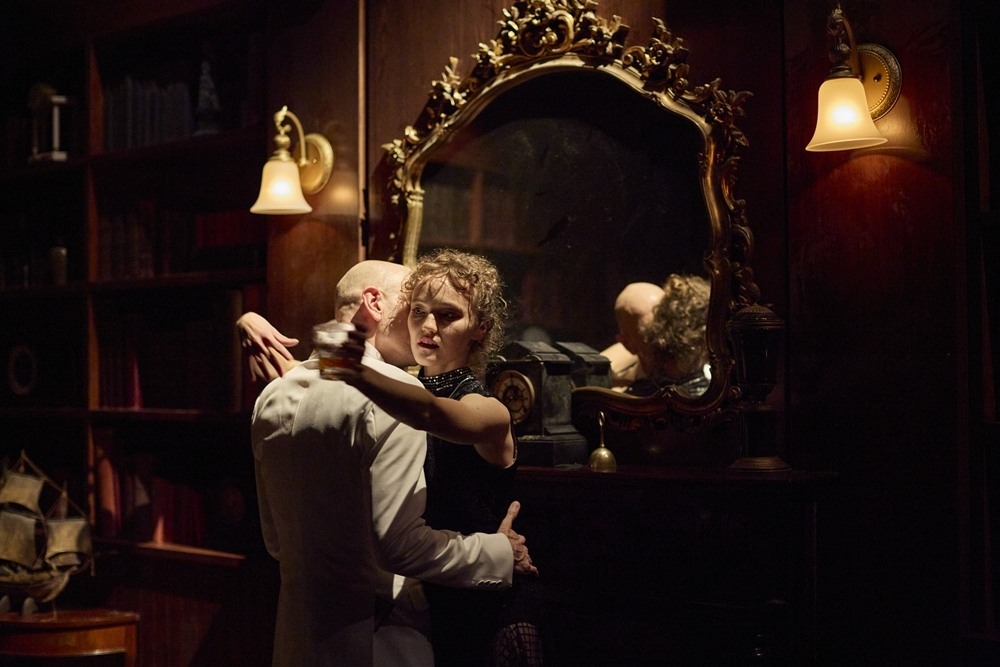
“Prioritize a safe environment”: beyond intimate scenes — psychological care for child actors and violent scenes
Intimate scenes aren’t the only sensitive issue for actors and crews focused on emotional truth. Productions also stage domestic violence and other traumatic scenarios that can affect child actors. To address that, sets increasingly bring in specialists to protect performers’ mental health.
Kwon said, “Abroad, productions increasingly deploy intimacy coordinators together with mental health coordinators for coercive or violent scenes.” She pointed out that mental health coordinators often focus specifically on the psychological well-being of child and adolescent actors, underscoring that each specialist has a distinct role.
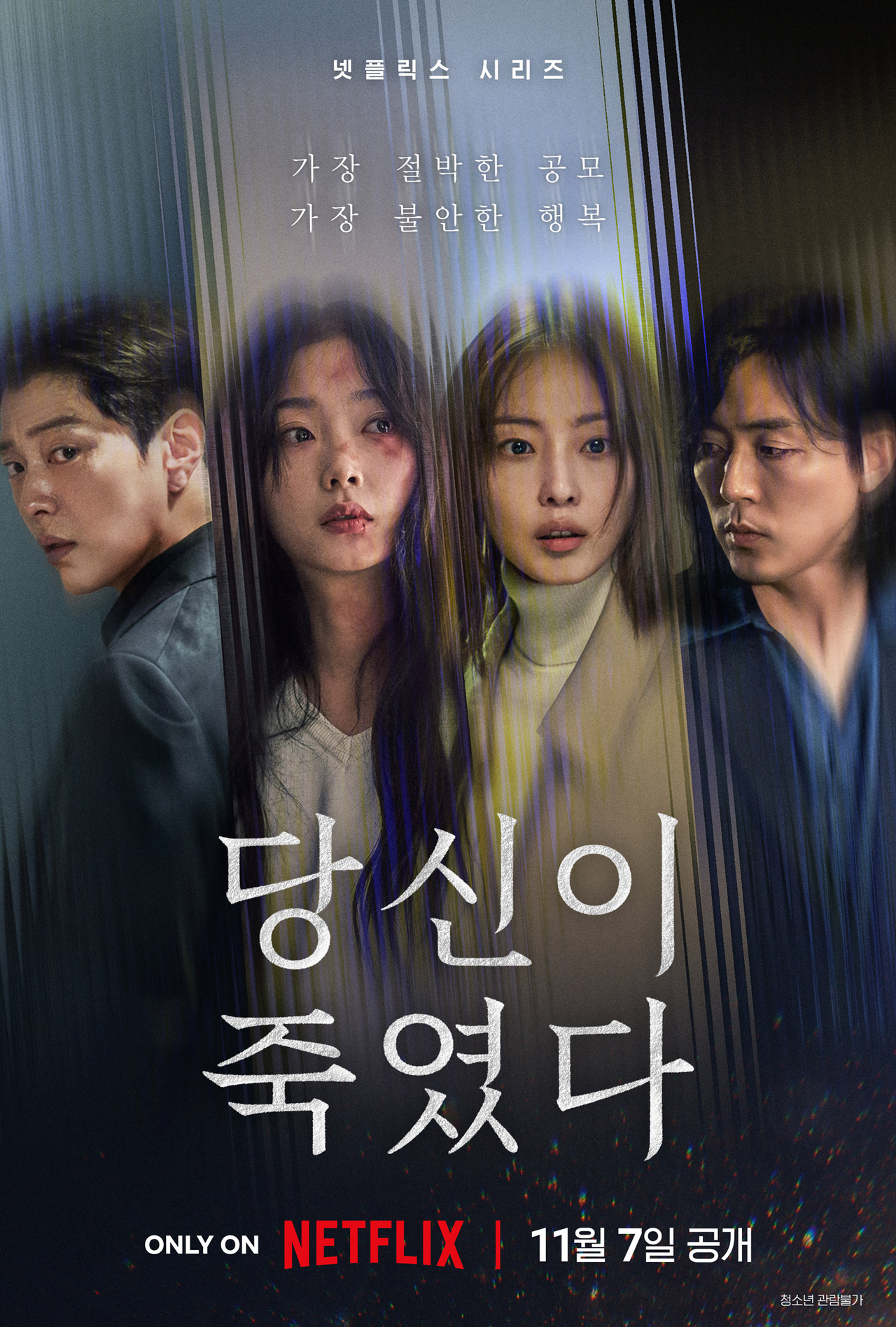
In a roundtable about You Killed, actress Lee Yu-mi said co-star Jang Seung-jo, who played the abusive husband, also carried a heavy burden. “There were always counselors on set,” she recalled. “They checked on us and asked if we were okay.” She said that support was invaluable.
Lee added that when scenes were emotionally taxing, counselors routinely asked if she was all right — a sign that the production prioritized mental health.
Netflix said protecting cast and crew safety on set is critical. The company noted that such support isn’t limited to adult-only projects; when scenes or shooting conditions necessitate psychological resources, Netflix collaborates with experts so performers can work in safe environments.

A Studio Dragon representative said that when a scene could trigger emotional responses, they arrange for a psychological counselor to attend and monitor child actors closely. The company added that it provides broad support so all cast members can perform on a secure emotional foundation.
Notably, Kim Yoo-jung, who appeared in the TVing original Dear X, requested a counselor be present to protect a child actor during violent scenes.
Studio Dragon confirmed that Kim Yoo-jung suggested bringing in a counselor and that the production team shared the concern, coordinating with co-producers to prepare accordingly. The company called it an example of cast and crew working together to create a safer environment for a child actor.
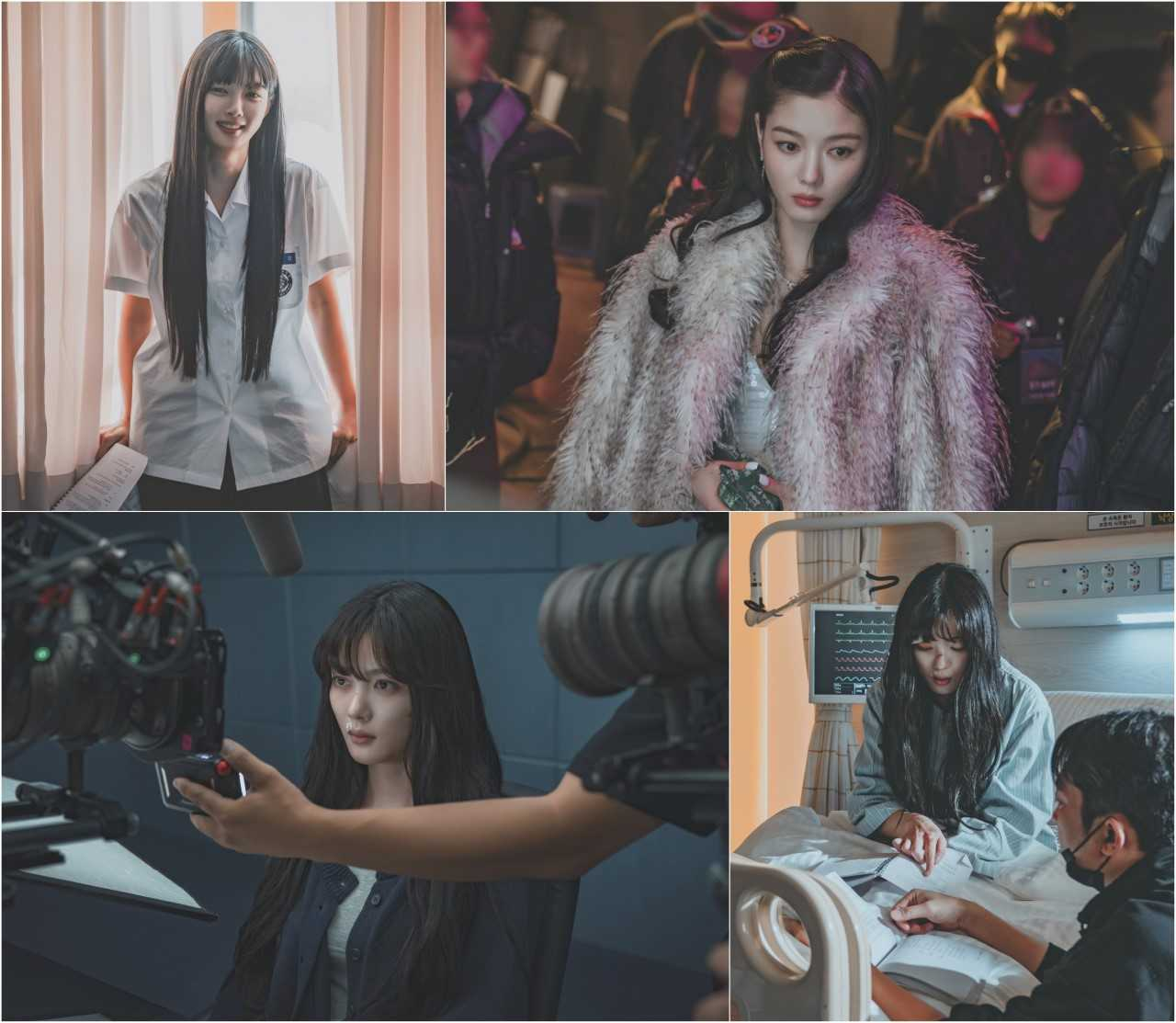
Kim Yoo-jung, who debuted in 2003, has worked under very different conditions in the past. After Dear X’s release, she said, “When I was young I didn’t notice it, but certain lingering images remain. Those residues can create unconscious wounds or intense feelings. If sets had tools to address those moments immediately, that would be very helpful.”
“Safety equals quality”: how leading producers are changing sets
The industry is experimenting with various measures to make sets safer.
Studio Dragon created a safety management team in 2022 and now runs a systematic safety process from development through production. In 2024, it became the first Korean drama producer to earn ISO 45001 certification, an international standard for occupational health and safety management systems, positioning itself as a leader in safe production environments.
Alongside set safety, Netflix runs programs and policies designed to foster a creator-friendly production culture where cast and crew respect one another. The company said these efforts support everyone involved in production.
A Netflix representative said, “To support creators’ and performers’ working conditions and mental health, we run programs such as ‘Respect Sessions’ — commitments to mutual respect — and more than 90% of Netflix productions now hold Respect Sessions.” They added that Netflix also provides training to prevent workplace harassment and sexual misconduct, an anonymous hotline, and counseling services.
The arrival of intimacy coordinators and mental health professionals on set is welcome, but their emergence also reflects a bitter reality: many performers used to work in environments where saying “No” was difficult. The shift toward safer, more equitable sets is progressive, but adoption remains uneven.
As the OTT era reshapes the media ecosystem, making these safety measures standard practice is increasingly seen as essential — both for protecting people and for improving the quality of storytelling.