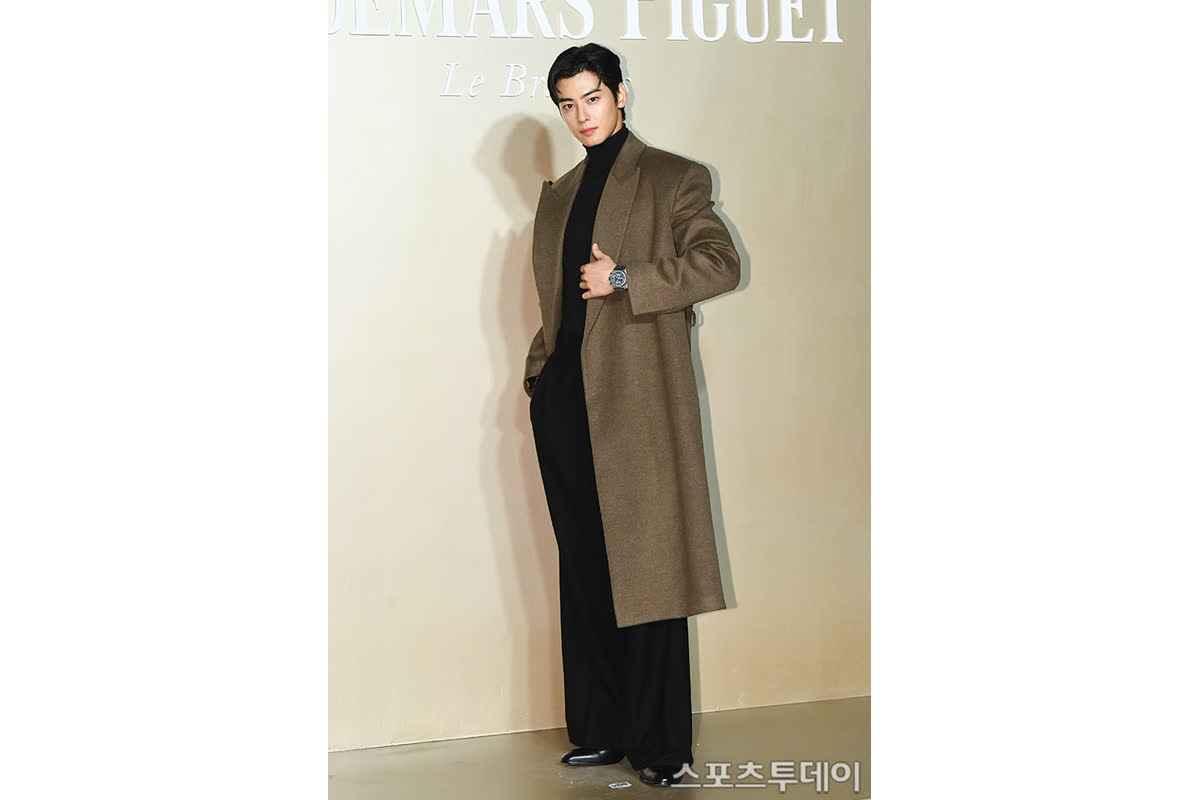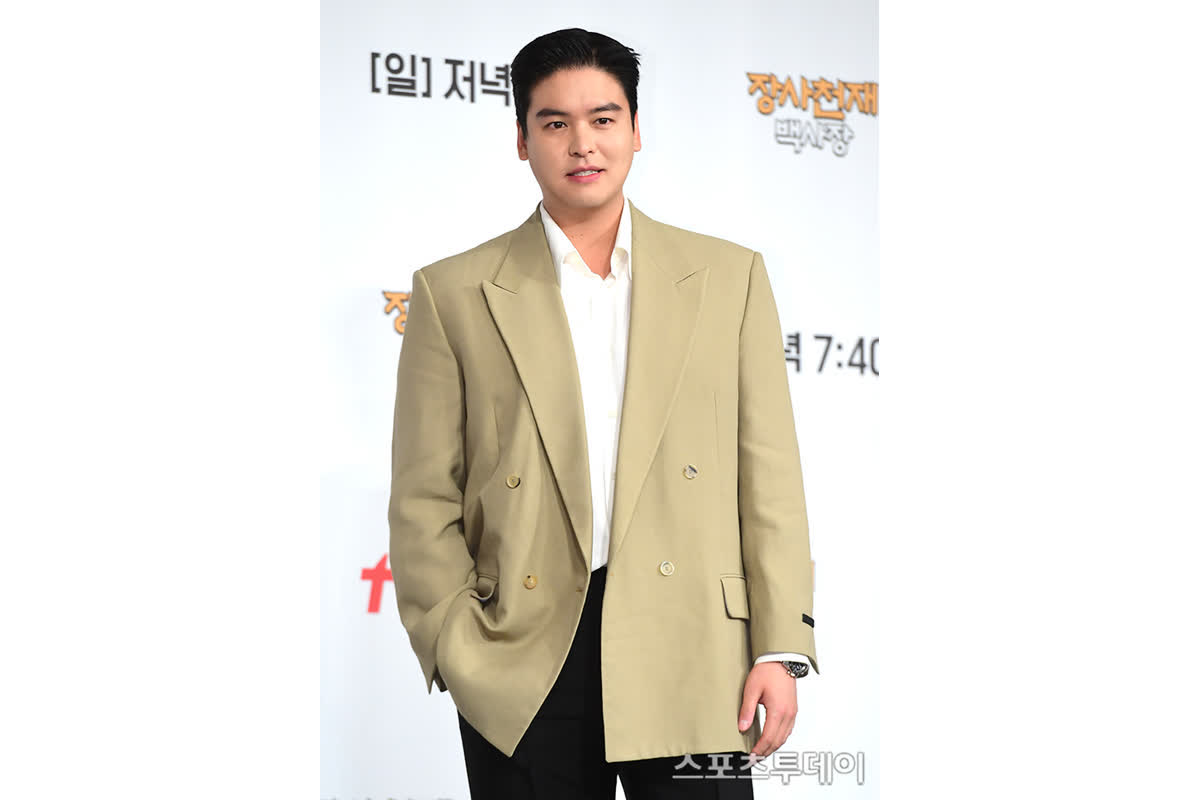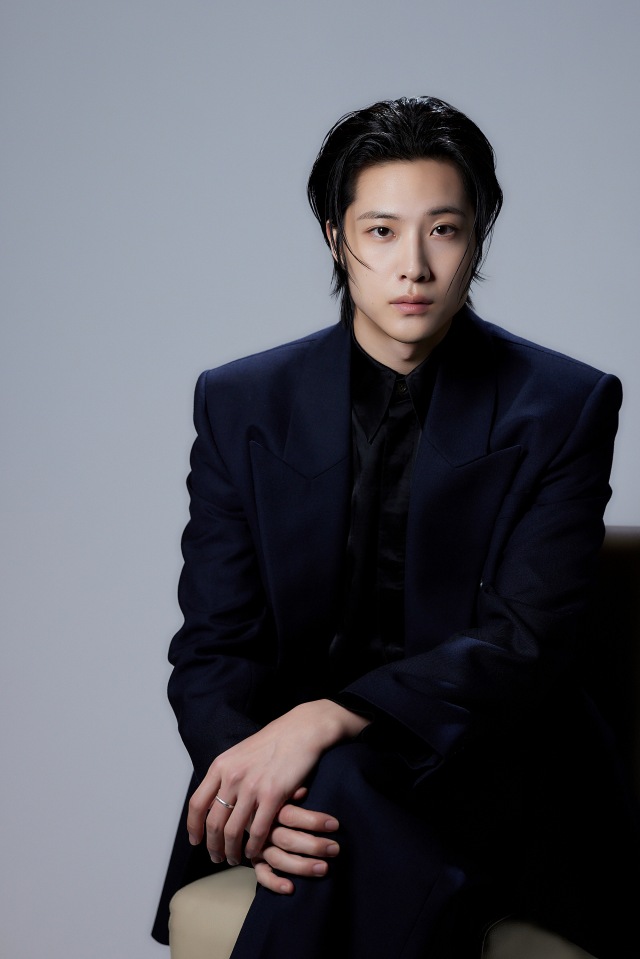
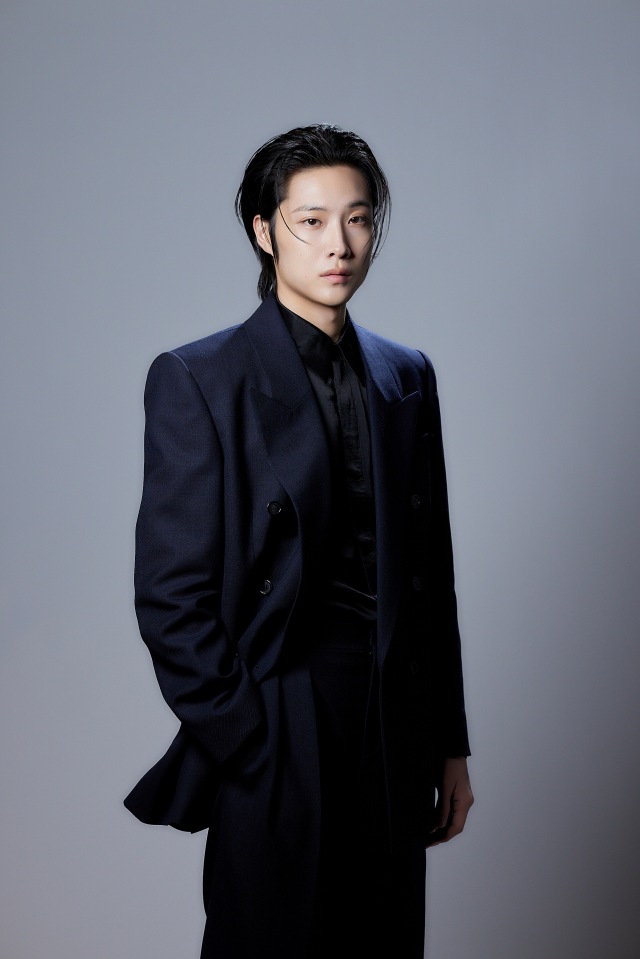
Ki-tae is Su-in’s ex, but Lee Jong-won wanted him to feel like the kind of person who acts on instinct—someone whose body moves before his mind catches up. He focused on conveying that immediate physical reaction rather than overthinking the character’s motives. In fact, Su-in doesn’t seek him out much, yet more than half of his lines in Salmokji are simply him calling “Su-in.” (laughs)
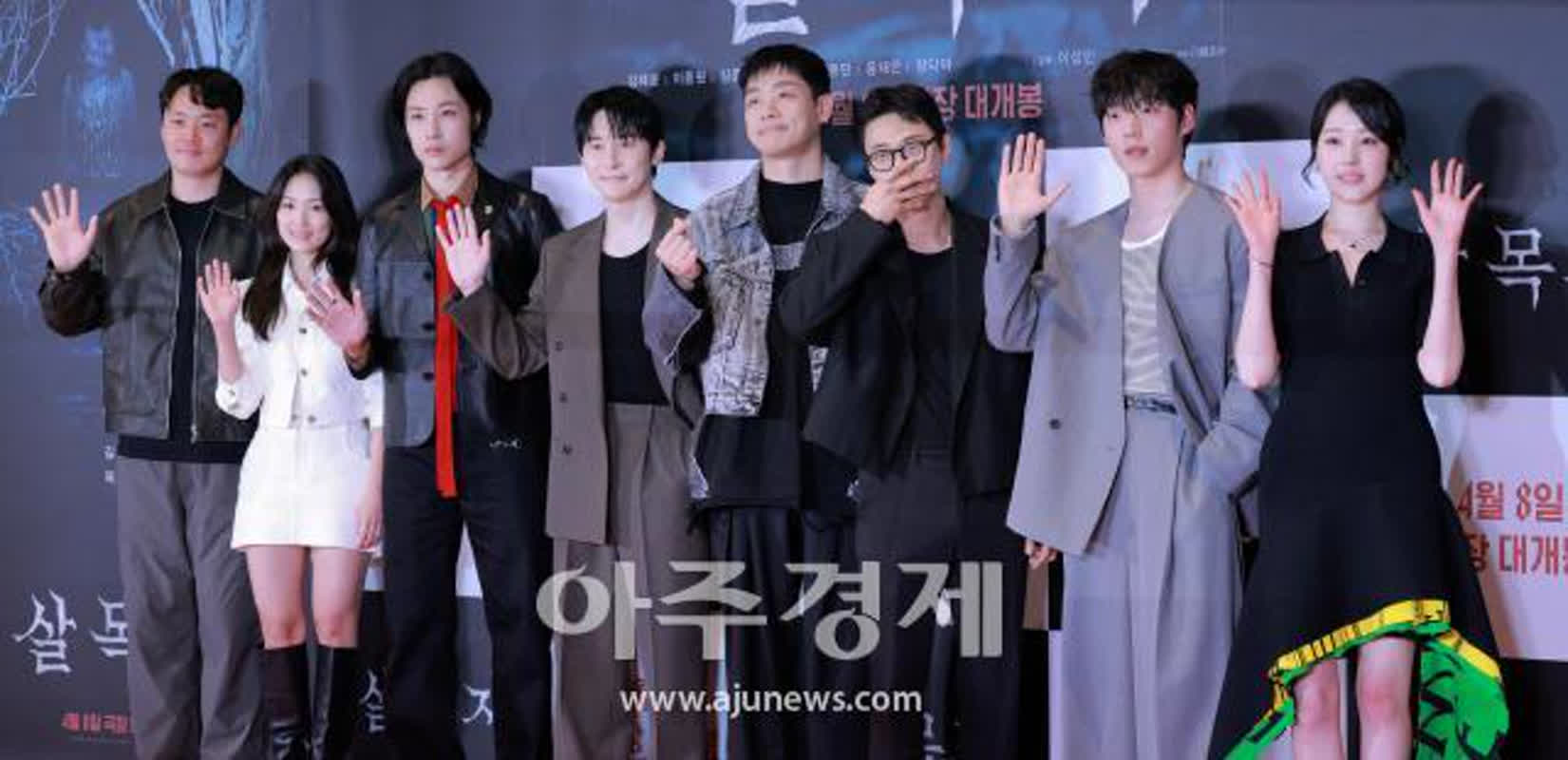
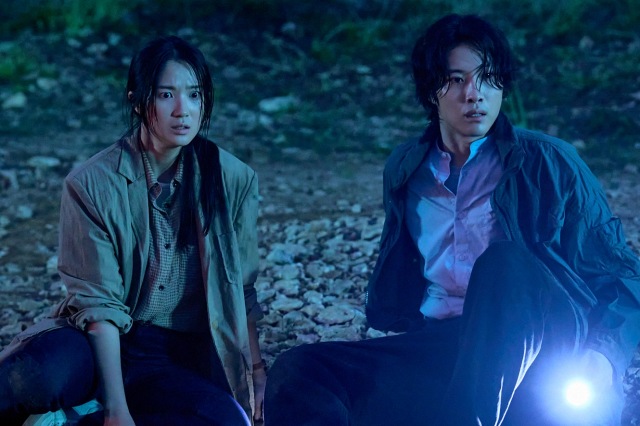
Lee Jong-won said this during an interview ahead of the release of Salmokji. The film is set at a notorious horror site—so well-known it was once featured on the show Midnight Horror Story—and follows a film crew drawn back to the location after a mysterious figure appears in street-view footage. Lee plays Ki-tae, a producer and Su-in’s former boyfriend (Su-in is played by Kim Hye-yoon). When Su-in, who has a fear of water, heads to Salmokji, Ki-tae tags along under the pretense of bringing equipment. Even amid the scares, a subtle emotional current runs between the two.
Q. Ki-tae is an unusual character: clearly an ex, yet still apparently hung up on Su-in. How did you approach building him?
The biggest thing the director and I discussed was that Ki-tae arrives in the second half to save Su-in. I wanted him to respond physically before he thinks—so when she’s in danger, surprised, or trapped, he moves first. It’s likely Ki-tae was dumped, and he still carries a lot of unresolved feelings. Because that longing is strong, his instinct is to protect and help her. I let the awkwardness play rather than overloading his backstory; I stayed in a kind of ongoing pursuit toward Su-in. There are rescue actions, startled reactions, but the central focus was always that drive to protect.
Q. You can’t swim, but your underwater work carried a lot of feeling. Was that the result of practice?
When I read the script, I knew the underwater scenes were the film’s emotional core. Because of that, I was determined to perform them myself. If audiences could see my face, the director could shoot from more angles, so I pushed to do as many variations as possible. I performed almost all the underwater takes. When you open your eyes underwater you can’t see clearly, but I wanted to communicate a single-minded determination to save Su-in.
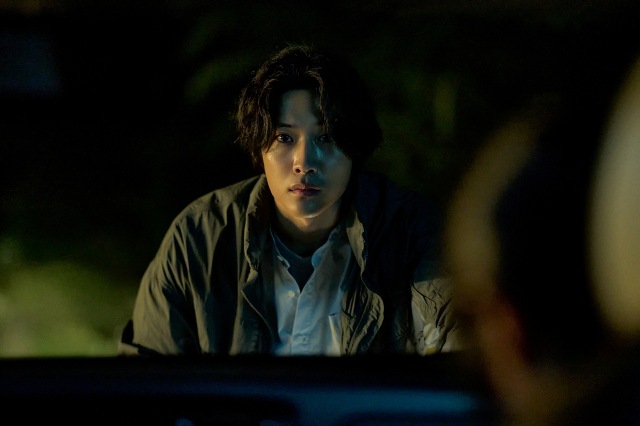
Q. The scene where you appear at Salmokji and pound on the car window was striking.
I have big hands, and they read even larger in that shot, which amplified the sound and the drama. That moment also gave Ki-tae reason to be suspicious, which I liked. I smashed my hands a lot that day and they stayed swollen for a week. They looked elongated—almost alien—so much so that I joked, “Are those my hands?” (laughs)
Q. Did shooting a horror film affect how you approached scenes on set?
Beyond genre convention, the challenge was showing a believable, human reaction to being startled in a place like Salmokji. The director and I talked at length about that. At the heart of our conversations was a pursuit of naturalness. I kept asking, “Does this feel organic?” Even down to the way Ki-tae reaches to save Su-in—was that movement natural? To me, naturalism is the most compelling quality a performance can have. I wanted to deliver that everyday realism.
Q. How was your chemistry with Kim Hye-yoon—who you shout “Su-in” with in those scenes?
She’s incredibly personable. From our first meeting, we clicked like friends who’d seen each other a week earlier. Kim Hye-yoon shows different facets depending on who she works with; that versatility helped us. Filming took about three months—shorter than I expected—but she was a huge help. Thanks to her, we settled quickly and deeply into Su-in and Ki-tae. I thought, “No wonder everyone talks about Kim Hye-yoon.” She’s economical and focused, and because we both pushed for the same beats, the process was rewarding.
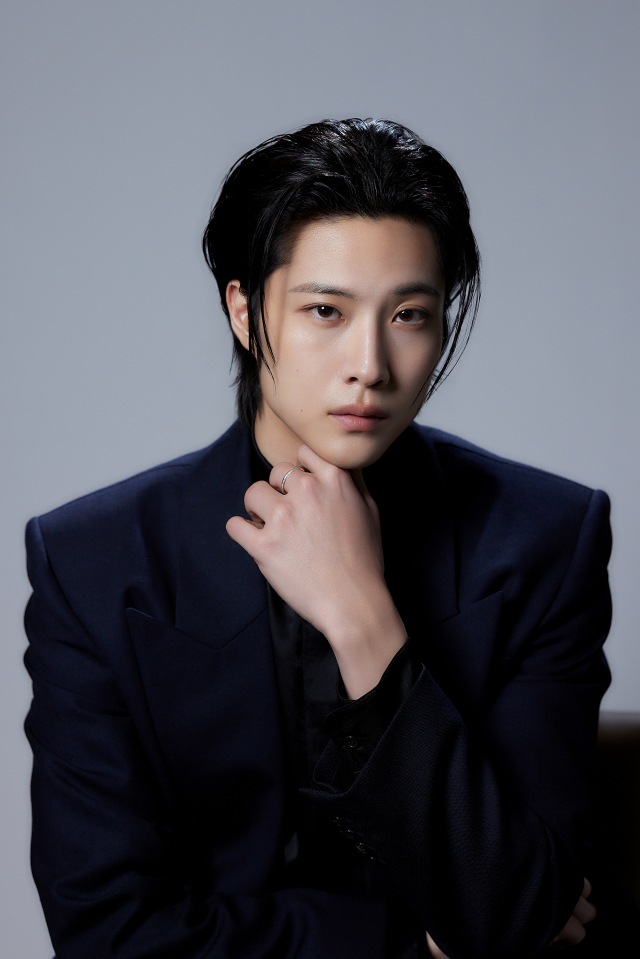
Q. You’ve been praised for melodramas like A Flower That Blooms at Night and Drunk Romance, and you brought emotional texture to this horror film as well. What’s your strength as an actor?
I trust my eyes. I believe they can carry a scene in any genre. Eyes can communicate without dialogue, and that’s something I consider a core strength. I work on using them intentionally. I hope directors and audiences keep watching that aspect of my performances and recognize what it can convey.
Q. You mentioned wanting to work with Park Jung-min.
I see Park Jung-min as a master of everyday acting. Being praised for natural, lived-in performances is the highest compliment. I want that recognition too. I’d love to share truly ordinary moments with him—simple conversations, believable interactions you might see in daily life. Ordinary acting is deceptively difficult, and I’m eager to explore that challenge on screen.
Q. What process do you follow to inhabit a character you teach yourself?
When I choose a project, the first question I ask is, “Have I played this kind of character before?” I want to keep showing new sides of myself and avoid being typecast. Preparing a role means repeatedly asking, “Why would this person act this way?” Lately I’ve found answers inside rather than searching outward. People carry more characters within them than you might expect. An actor’s job, I think, is to find those small internal characters and inflate them—like blowing up a balloon—until they fit the role. It’s like rummaging through a drawer for a distant memory and enlarging it. That method has made the process easier for me.
Q. You joined tvN’s fashion-creator survival show Kill It: Style Creator War. What’s lined up for this year?
I joined Kill It because I love fashion and thought it would be fun; the concerns came later. I’m ambitious. I don’t want to be just someone who likes clothes—I want platforms that validate that passion. This year I want to show a broad range of work. That’s why you’ll see me in projects like Salmokji and Kill It. I have many directions I want to explore. Look forward to it—there’s a lot of exciting stuff coming.
He chooses characters over genres. That impulse may reflect how Lee Jong-won searches within himself for countless roles. He zeroes in on essence with clear intent, finds a filament inside, inflates it, and sets it into the work—an approach that builds confidence in his craft. Salmokji adds another thread to his growing range, and it heightens anticipation for what he’ll do next.
▶ In the heart of Salmokji, shouting romance…Mesmerized, Lee Jong-won [Interview]
▶ Overtakes The King Living with the Man and Extreme Job…Rises to No. 2 on the all-time box office
▶ Kim Hye-yoon, from fantasy rom-coms to Salmokji—standing firm: “I’ll work hard as a horror queen” [Interview]