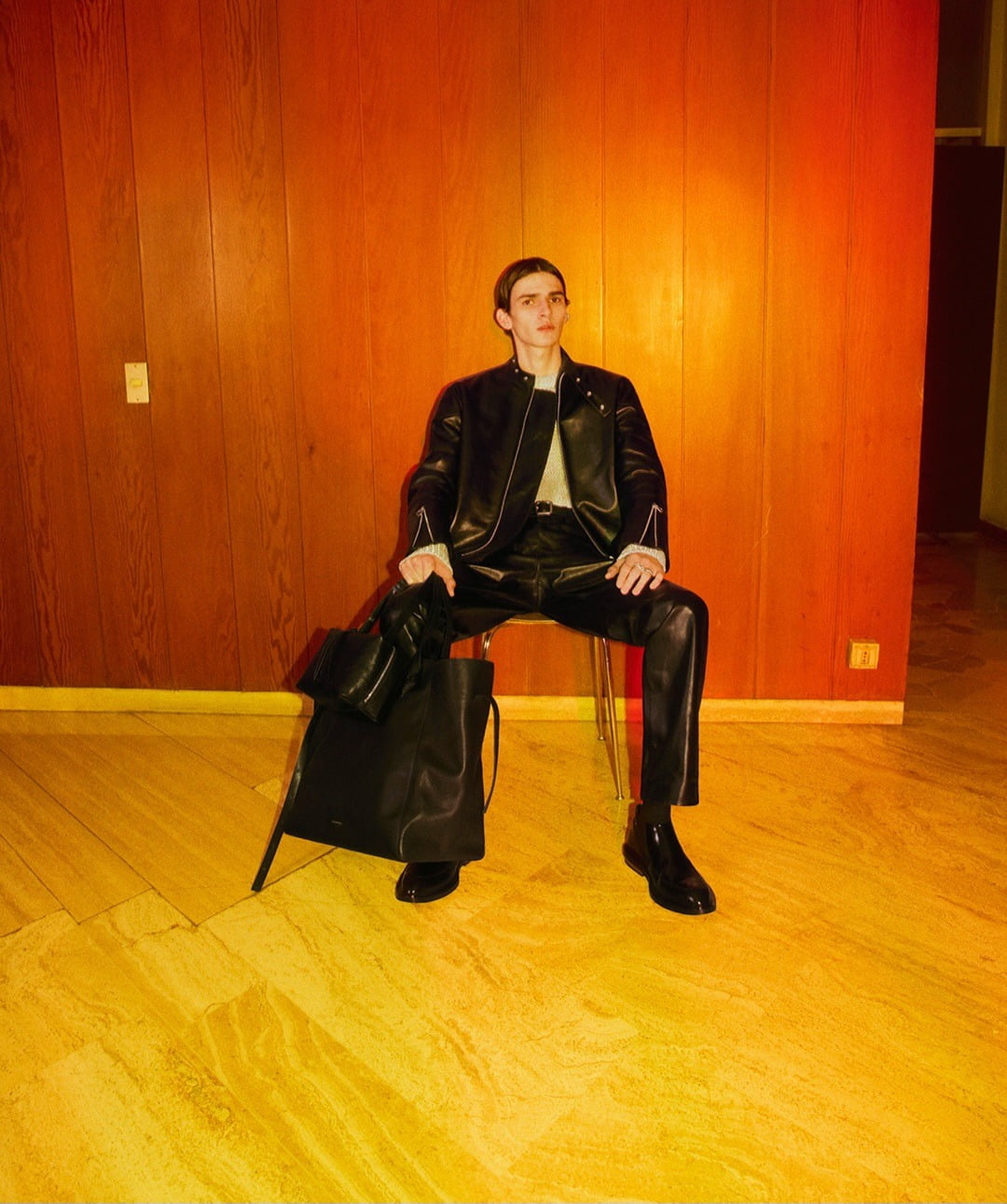
I went to college in the 1980s, when power suits—those exaggerated-shoulder looks—were everywhere. By the 1990s, while working as a designer, I gravitated toward minimalist fashion. Back then, Prada and Jil Sander were the names most closely associated with that aesthetic. Prada’s Pocono nylon tote, bare except for a small triangular logo, felt like minimalism distilled. Jil Sander’s poised, simple silhouettes combined restrained minimalism with sculptural beauty. Her muted, monochrome colorways had a quiet, magnetic charm that screamed minimalism without shouting.
Attracted to Uncluttered Simplicity
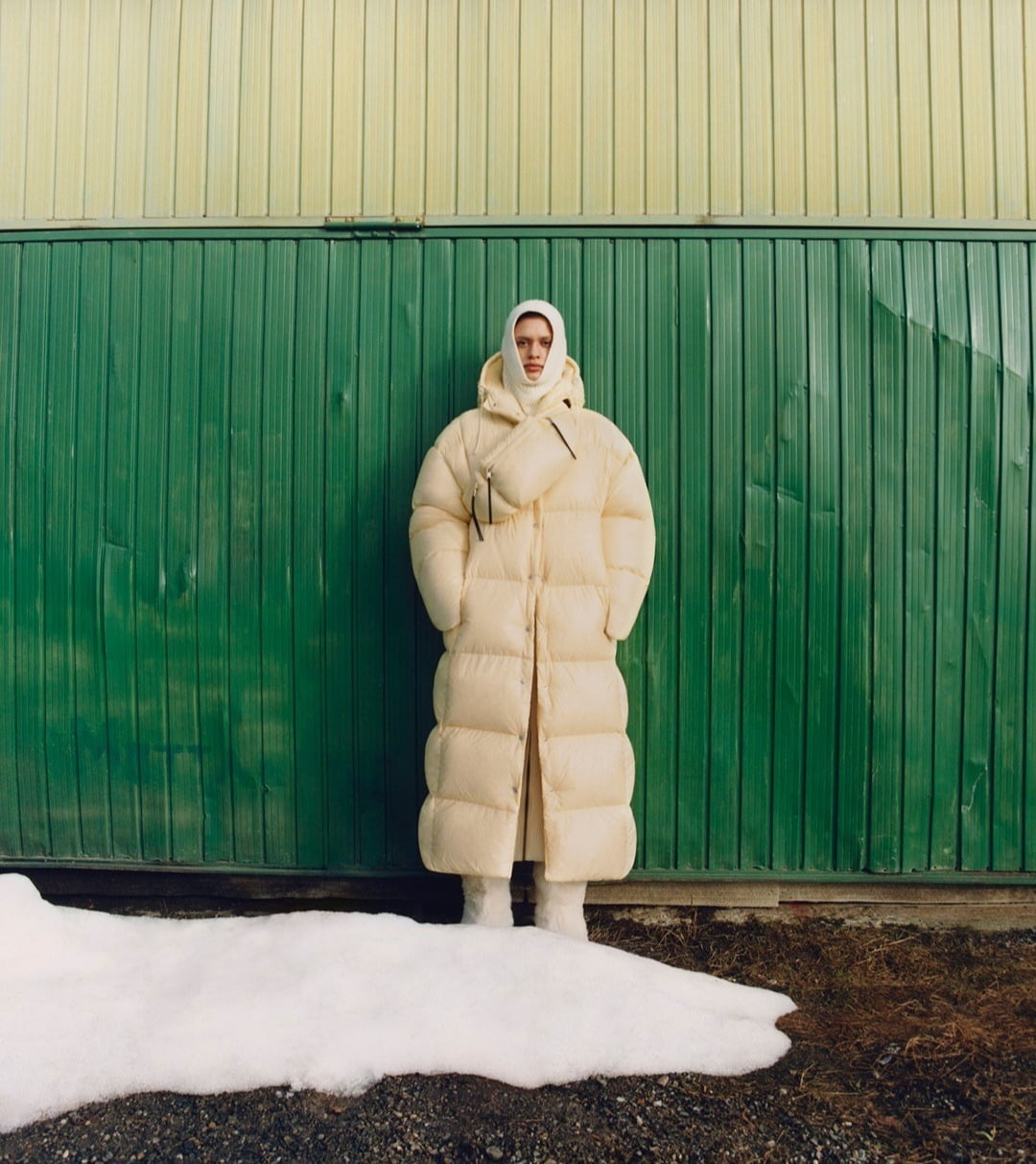
Heidemarie Jiline Sander was born in Germany in 1943. After graduating from the National Engineering School of Textile, she spent two years in the United States as an exchange student at the University of California. She returned home to work as a fashion editor for a women's magazine. In 1967, at 24, she launched a small fashion business in Hamburg, and in 1968 she founded Jil Sander GmbH. Her first women's collection debuted in Hamburg in 1973, presenting clean, refined pieces aimed at a new generation of businesswomen.
She staged a show in Paris in 1975 that didn’t go well, and in 1976 she introduced the layered 'onion look.' Her designs were initially overlooked by women enamored with power suits. The shift began in 1978 when she became the face of a Lancaster fragrance campaign—an unexpected breakthrough. By the late 1980s, consumers weary of exaggerated power dressing were drawn to Jil Sander’s pared-back clarity, and the brand enjoyed its heyday through the mid-1990s.
In 1994 the label opened its first showroom in Milan, which later became its creative headquarters. In January 1997 the brand presented its first men's collection in Milan. Clean, comfortable cuts and impeccably refined tailoring won acclaim, and Jil Sander’s distinctive approach enriched the fashion landscape. Her garments were deliberately simple: even seams and pockets were designed to remain visually discreet.
She avoided ornamenting the body. Pursuing pure, pared-down forms, she emphasized the dialogue between shape and movement. She often linked her design philosophy to Bauhaus ideals—favoring simple, functional solutions for everyday objects. Alongside luxe fabrics like cashmere, she eagerly experimented with new materials such as neoprene.
Asymmetric Design: Sensuality Without Revealing Skin
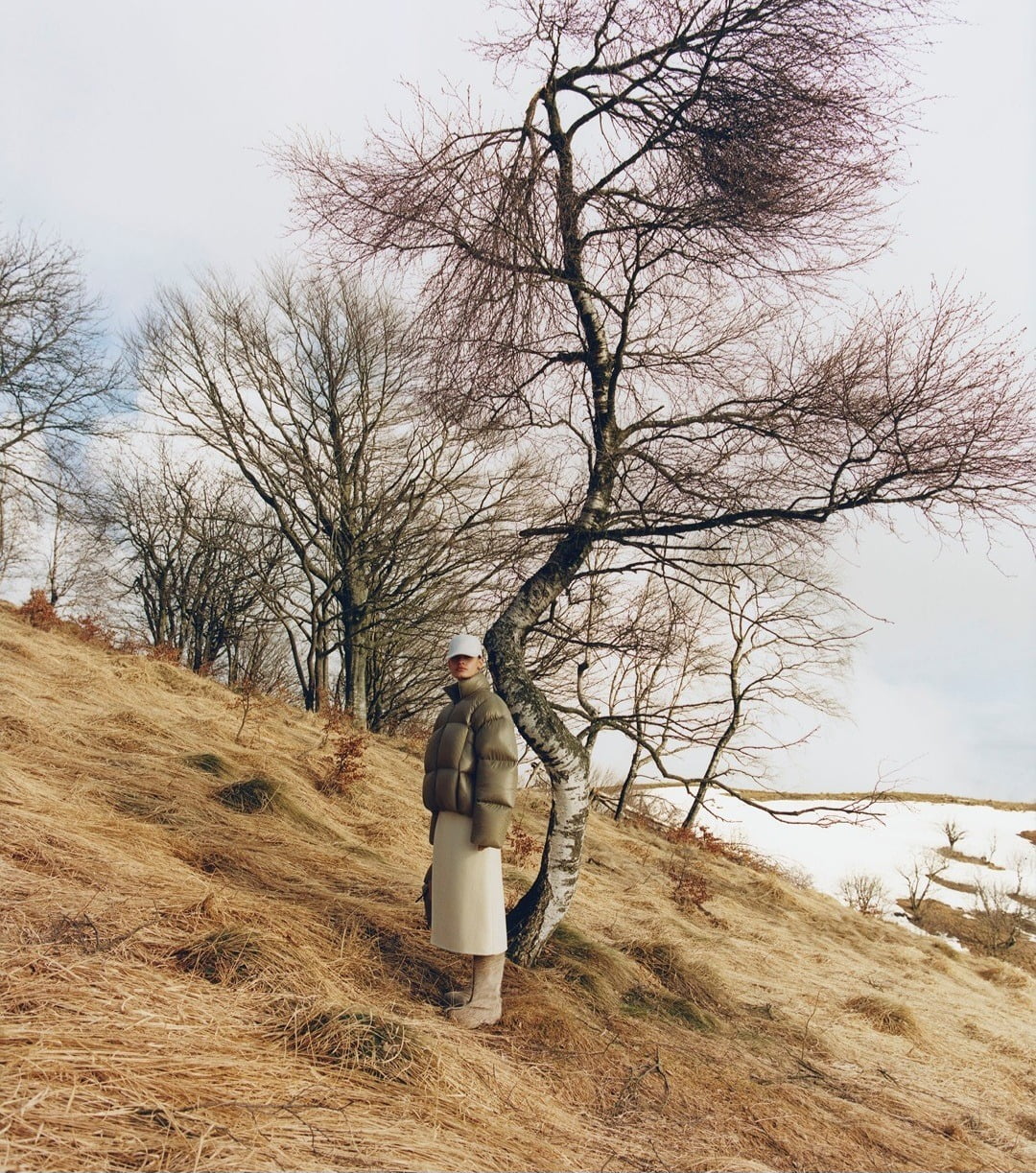
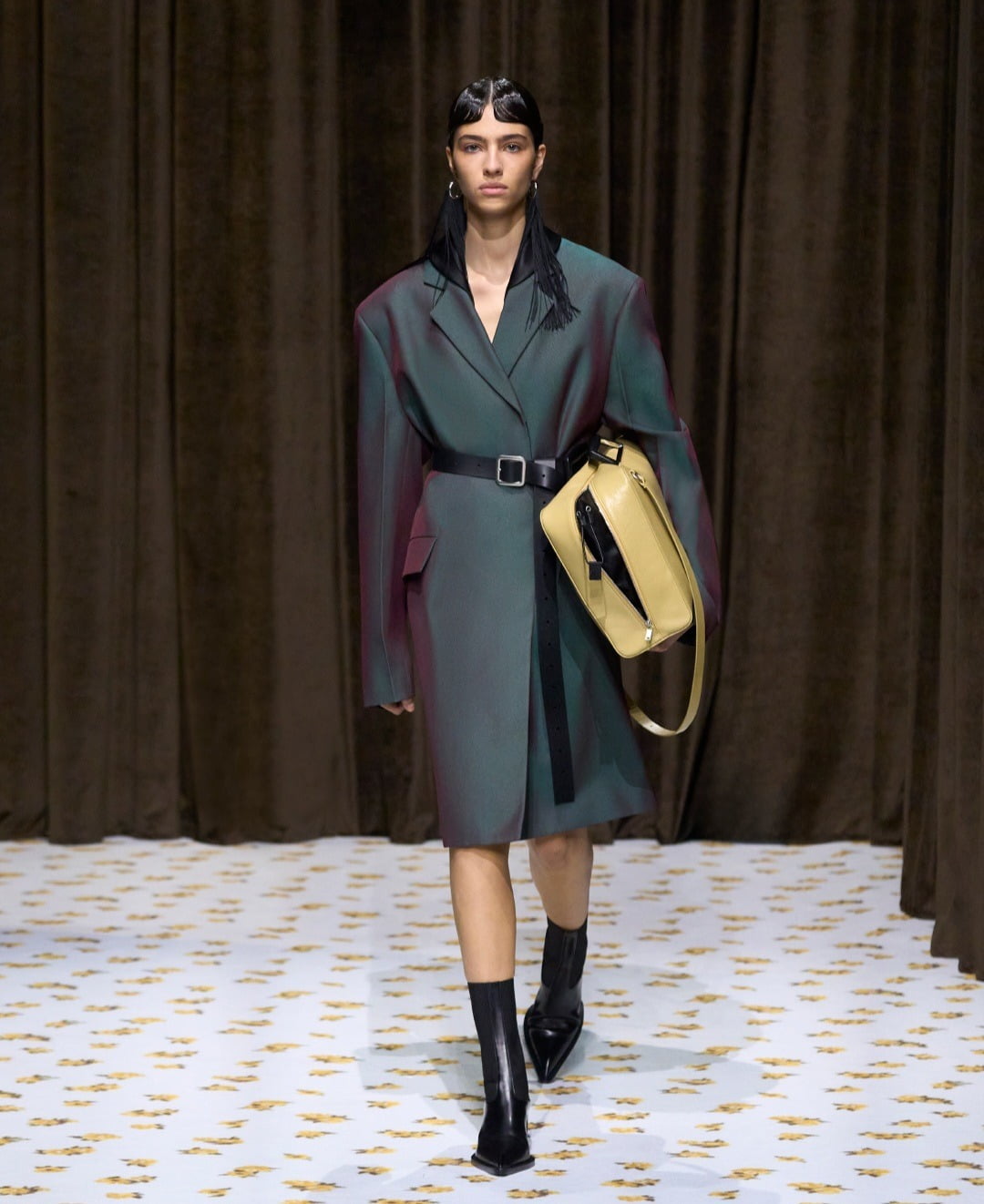
Jil Sander favored silhouettes that didn’t constrict and fabrics that were clean and lightweight, while stripping away decorative details. Her asymmetric cuts suggested sensuality without exposing much skin; they invited imagination and emphasized feminine curves to create a subtle, sensual effect. In April 2017, Lucie and Luke Meier took over as creative directors. In March 2021, Jil Sander was sold to OTB (Only The Brave), the Italian fashion group that owns Marni, Maison Margiela, Diesel, Dsquared, and Viktor & Rolf.
In 2009 Jil Sander partnered with Uniqlo and launched the +J line through the 2011 fall–winter season. That collaboration with a fast-fashion retailer made waves—especially given Sander’s reputation for leaving her own label rather than compromise on quality. The +J project is widely credited with bringing minimalism to a broader audience.
Jil Sander has always respected craftsmanship and artisan know-how, striving to blend tradition with progress to create modern, long-lasting pieces. The brand is committed to preserving its legacy while pushing innovation through design. Italy-based OTB runs a School of Craftsmanship that trains apprentices, combining handcraft techniques with digital skills to develop the next generation of makers.
The label seeks rare materials that fuse artistry and performance, choosing the finest natural and technical fibers to create standout products. It steadily increases the use of organic, low-impact, and recycled options across collections, and as a member of the Leather Working Group—an international organization dedicated to a more responsible leather industry—it prioritizes sourcing leather from environmentally certified tanneries. Jil Sander has said, "I am convinced that luxury can exist in simplicity."
Sources: Research on Jil Sander's Asymmetric Fashion Design (Heo Seong-ah, Korean Journal of Basic Formative Studies), Jil Sander website
Ryu Seo-young, Professor, Department of Fashion Industry, Yeoju University