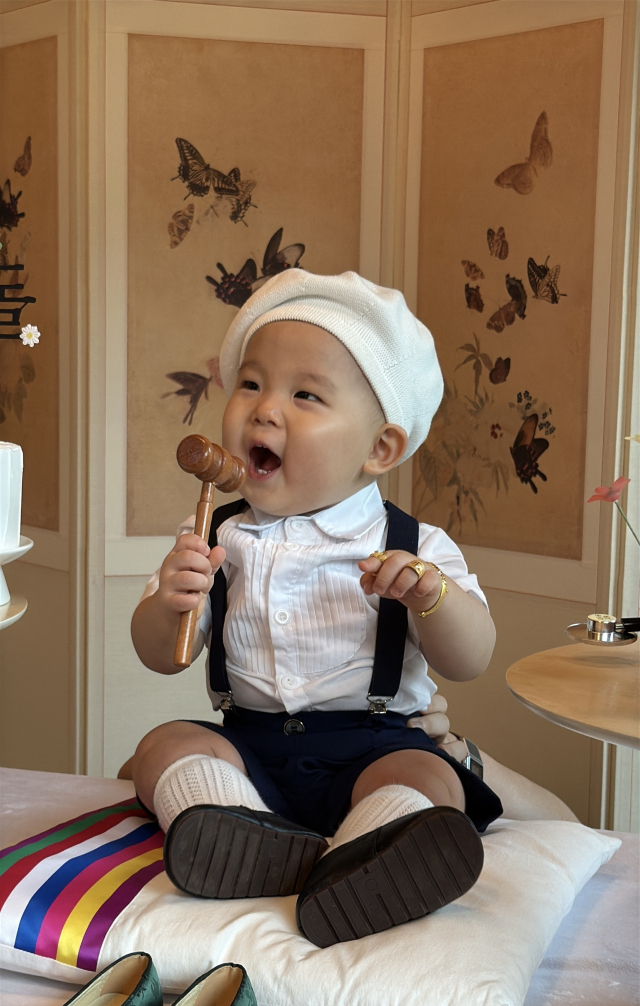
A friend posted, “Sis, you're a dol-kkeut-mom. I'm so jealous — how did you do the dol snap? Help a dol-jun-mom out.” Dol-kkeut-mom is shorthand for a mother who has finished the dol, and dol-jun-mom refers to a mother preparing for it. These parents invest time and money to make their child’s first birthday meaningful. When a close friend sent an SOS, I found myself back in my own dol-jun-mom days. It happened less than a year ago, but already it feels like a different era.
◆ Busy, busy — the dol-jun-mom schedule
The first step for many dol-jun-moms isn’t booking a venue or hiring a photographer. It’s logging onto parenting forums and searching for “OO-area dol party.” Even a simple search for Daegu dol parties turns up a flood of vivid reviews from dol-kkeut-moms.
Preparation typically follows a familiar pattern: reserve a restaurant, hire a company to style the dol table, and rent outfits such as hanbok, tuxedos or dresses. Then families hire a photographer to document the event and prepare return gifts for guests. Many also take separate studio photos before the party; the on-the-day shoot is called a dol-snap, while the pre-event session is known as a studio shoot.
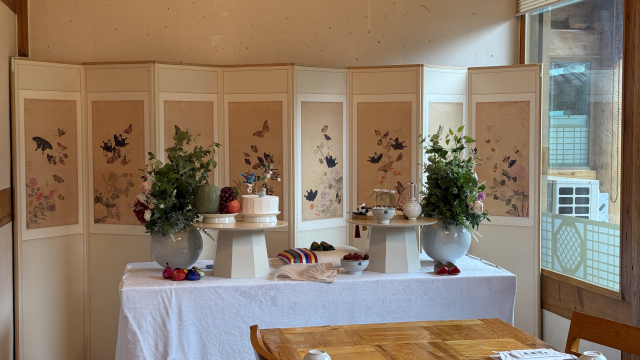
The challenge is that none of this unfolds as smoothly as it looks online. If birthrates are falling, why are dol party slots so hard to secure? Calls to popular Daegu venues revealed most weekend dates for the next two to three months were already booked. Kim Eun-ju (29), who is touring venues ahead of an October celebration, said, “Places that photograph well are more popular than those with the best food. For outdoor shoots in spring or fall, some families book a year in advance.” Many opt for hanok houses or hotels.
◆ A market built around one day: the growing dol industry
Though the dol party lasts a single day, the industry around it is expanding. The most notable shift is in photography. Rising demand for dol photos has prompted ordinary studios to add dol-snap services and has drawn wedding-snap companies into the dol market. One studio photographer noted, “Weddings happen once, but children’s photos continue through each growth stage, which can create long-term clients. Lately, the kids market feels more promising than weddings.”
On-the-day dol-snap services are broadening their offerings, often pairing professional camera work with iPhone snaps. Kim Jeong-ju (32), who recently hosted a dol party, said, “I added iPhone snaps even though it cost more because photos are the lasting thing. Knowing it only happens once pushed me to spend.” Packages that combine camera and phone shoots have appeared in response. The owner of MemoSnap explained, “With more small-scale dol parties, parents are actually investing more in photos. Even at higher prices, many choose both approaches for different tones and moods.”
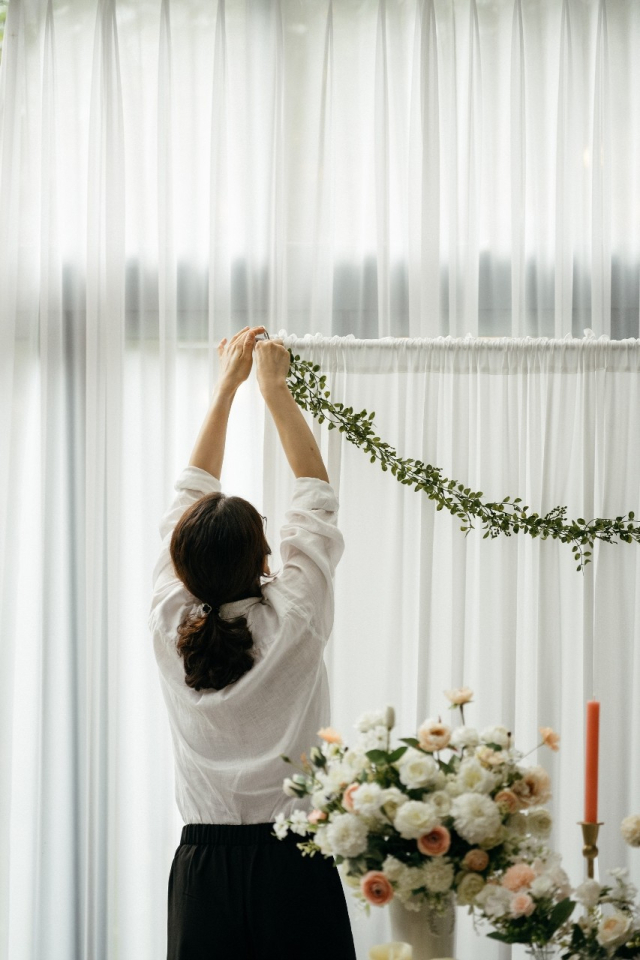
The dol table itself has evolved. Fresh-flower decorations and large photo zones are common, and balloon arrangements with oversized backdrops increasingly serve as photo backdrops on the same scale as the dol table. Bae Young-sook, CEO of Hoho-dol, said, “Mothers pick concepts that match their tastes, blending traditional and modern elements. Adding real rice cakes or fresh flowers raises the cost, but those options remain popular.”
◆ The paradox of small guest lists and high costs
So why has the dol market grown? The answer lies in changing spending patterns. After COVID-19, large gatherings declined and family-centered, small events became the norm.
Instead of inviting coworkers or distant relatives, families now limit guests to close friends and relatives, while increasing spending per guest.
This small-guest, high-cost model means fewer attendees but larger investments in the dol table, photography, venue styling and return gifts — and that has expanded the overall market.
Lee Young-ju (40), who spent generously on return gifts, said, “In the past we gave towels, but now people give pricier items like organic rice scoops, teaspoons, or wine. With fewer guests, people tend to choose better gifts.”
Parents also increasingly want luxurious dol parties. As the idea of having one child and raising them well gains traction, many resolve not to skimp on a child’s first birthday — what some call VIB, Very Important Baby. Social media amplifies the trend: repeated exposure to influencers’ and celebrities’ hotel dol parties has raised expectations for visually striking celebrations.
◆ Alternatives to parties: donations, travel and other options
At the same time, some families are rethinking what the dol should mean, focusing on the purpose of the celebration rather than its size or form.
Ahn Hye-young chose a family trip instead of a party and said, “I wondered whether tiring my child all day really meant celebrating them.” She added that spending relaxed time with family felt more meaningful than forcing the baby to sit for photos. At first her parents opposed the idea — “You should have a dol party” — but after the trip they were more satisfied.
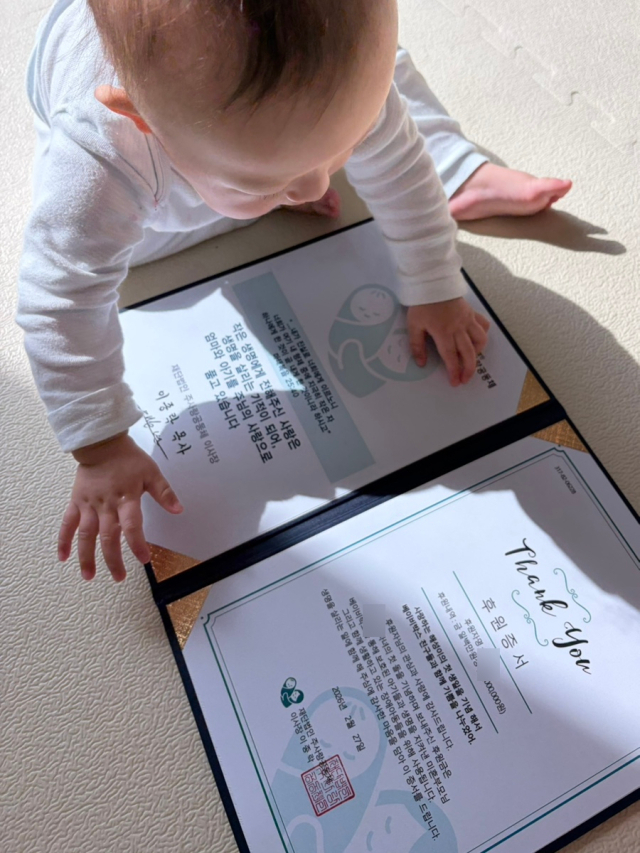
Some families mark the occasion by donating in the child’s name, sponsoring an amount or redirecting part of the dol budget to help neighbors in need.
Kim Da-jung, who marked her third child’s first birthday with a donation, said she made that choice after her baby was born prematurely at 1.6 kg (3.53 lb) and spent more than a month in the neonatal intensive care unit. “Back then I counted each day wishing my baby would just survive,” she said. “After that experience, I vowed to give back to sick children someday, and on the first birthday I wanted to keep that promise.”
Families celebrate the dol in many ways, but the core remains the same: honoring a child’s first birthday. Whether you’re a dol-jun-mom or a dol-kkeut-mom, the year spent raising one child is special. However the celebration unfolded, the message is the same: well done — we raised them well.