On March 27, industry sources said Valentino Beauty has recently pulled out of the Korean market.
In February, French skincare brand Caudalie ended its operations in Korea. Known for its “clean beauty” positioning, Caudalie’s mists and lip balms were once fan favorites.
Last year, LVMH’s Fresh and L’Oréal’s Maybelline also exited the Korean market.
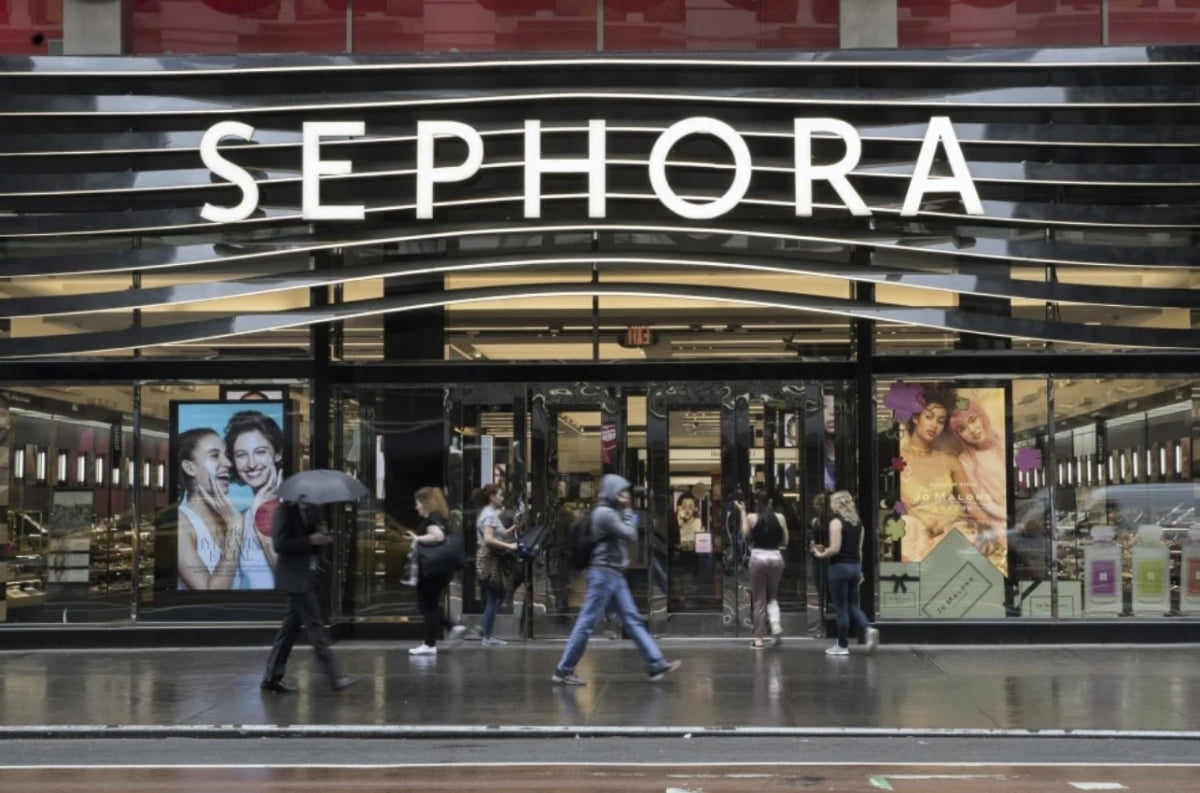
Global beauty retailer Sephora wound down its Korea business in 2024.
Low-cost chains like Daiso have started selling cosmetics, driving demand for bargain beauty. As K-beauty brands sharpen their competitiveness, Korea’s cosmetics landscape is shifting. Analysts say many European brands, which focus on mid- to high-priced ranges, have lost traction in the domestic market.
Kyobo Securities’ report “K-Beauty Gold Rush,” published on the 18th, shows the share of foreign buyers who purchase more than 10 K-beauty brands rose from 10% in 2019 to 33% in 2025. The number of such consumers jumped from 77,000 to 1.46 million.
Shoppers are increasingly choosing products based on performance and price rather than brand name. That change has opened the door for small and mid-sized domestic brands. In particular, advances in ODM (original design and manufacturing) technology have accelerated growth for these local players.
While some foreign brands withdraw, Korean companies are expanding their presence overseas.
APR announced plans to enter Sephora, aiming to be stocked in about 450 offline stores and online malls across 17 European countries, including France, Germany, Italy and Spain. APR said roughly 80% of its fourth-quarter sales last year came from overseas markets.
Shinsegae International’s Amuse staged its first solo European pop-up at Paris’s flagship Galeries Lafayette on the Champs-Élysées. After the pop-up, the brand plans to open permanent stores at Galeries Lafayette’s Haussmann flagship and the Champs-Élysées location.
Intern reporter Bae Hyeon baehyeonui@hankyung.com