 The number of single-person households in the Gwangju area has climbed 20% over four years, topping 232,000.
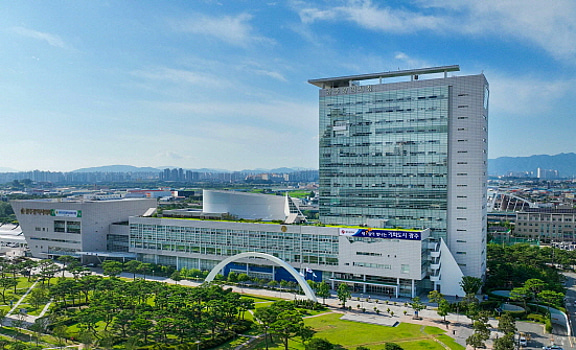
On the 27th, Gwangju City released a Single-Person Household Status Report that analyzed the economic conditions, spending and daily routines of people living alone. The city counted 232,000 single-person households in 2024, a 20% rise from 193,000 in 2020.
During the same period, the city’s overall population fell 2.9%, even as one-person households surged. By neighborhood, Im-dong in Buk-gu and Hanam-dong in Gwangsan-gu saw the largest increases. Yongbong-dong had the greatest number of single-person households, while Seonam-dong showed the highest rate relative to its population.
On finances, 63.8% of Gwangju’s single-person households reported annual incomes between 20 million and 40 million KRW (approximately $15,000–$30,000). Some 63.4% had no outstanding loans, and only 1.1% had loan or credit-card delinquencies. Among those with delinquencies, a third (33.0%) involved small overdue amounts under 3,000,000 KRW (approximately $2,250).
In spending, average monthly card charges per person were roughly 950,000 KRW (approximately $713). Online retail accounted for the largest share of purchases at 26.6%, followed by general retail at 12.2% and restaurants at 11.0%.
On daily life, 86.8% said they speak with 31 or more people each month, suggesting active social networks. At the same time, 30.8% reported watching IPTV more than four hours a day on weekdays. The report found that lower-income and older residents tend to spend more time consuming media and go out less frequently.
Comparing households that stayed in Gwangju with those who moved away revealed clear differences. Movers had higher incomes and higher card spending (average 1,050,000 KRW, approximately $788), but they also showed stronger signs of social isolation, reporting fewer phone contacts and going out less often.
The city is using these findings to advance a “Solo Together” initiative. Each district now runs tailored programs focused on culture, relationship-building and practical support to strengthen services for people living alone.
Park Hye-mi, the city’s data and informatization officer, said the analysis is significant because it captures the real living and spending patterns of single-person households. “We plan to use these findings actively to shape future policies and services,” she said.
Related stories
- Left his heavily pregnant wife at home to live in a new apartment? A 40‑something father immersed in youth culture has a startling encounter with a woman in her 20s
- At a Busan guesthouse: a Japanese man accused of assaulting and urinating on a Chinese woman
- [Southern Gyeonggi news] Namyangju City launches a 'Village Care Cooperation Group' and other local updates
- With Seoul housing costs rising, people in their 30s increasingly turn to gifts, inheritance and heavy borrowing simultaneously
- China’s first-quarter fiscal revenue hits 1,332 trillion KRW (approximately $999 billion) — the largest increase in three years