Designed to start at home, not the airport⋯Ultra-high-end travel competition maps everything from transport to experience
Cruises, charter flights and F1: a wave of 'experience-expanding' premium products
Even with a weak won and a cooling economy, travel companies are rolling out ultra-luxe trips that can cost tens of millions of KRW (roughly $7,500–$67,500), widening the gap in how people spend on travel. With transport, lodging, content and experiences all upgraded, a fast-growing slice of affluent travelers is fueling the expansion of the ultra-luxury travel market.
As of the 23rd, industry sources say travel agencies are launching premium offerings one after another. Demand is shifting toward intense, experience-driven trips over simple cost savings, and the market is following suit with a race to offer ever-more luxurious products.
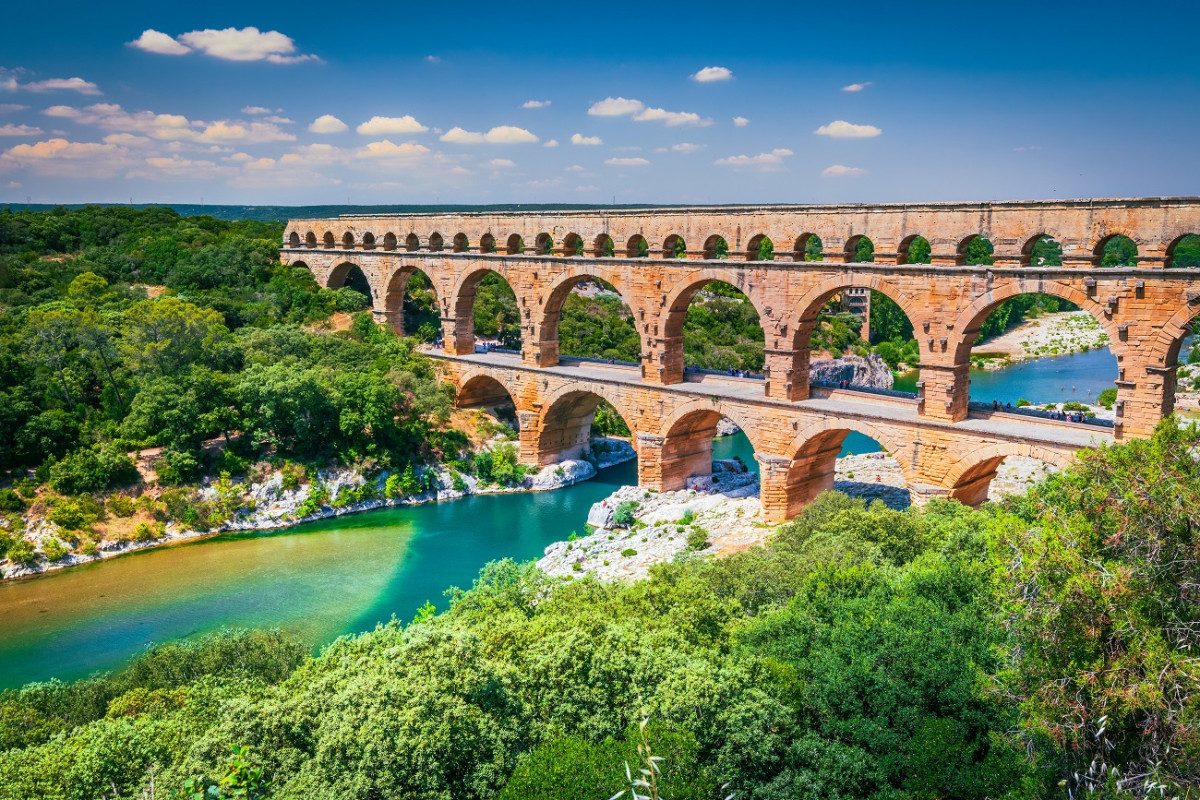
Lotte Tour Development rolled out a South France package that uses a special Korean Air charter. Priced from 7.99 million KRW per person (approximately $5,993), the itinerary focuses on Mediterranean resorts and port cities such as Nice, Cassis and Marseille, packing the highlights of southern France into a streamlined route while improving accessibility through a differentiated flight plan.
The company also ramped up the trip’s cultural and culinary density. Stops include Aix-en-Provence, Cézanne’s hometown, and Arles, where Van Gogh stayed, paired with Châteauneuf-du-Pape wine tastings and meals at restaurants with Mediterranean views. By expanding interior tours and prioritizing scenic dining, Lotte designed the transport and stay as a single, premium experience.
HanaTour has moved into the space by making a strategic investment in PPT Tour, a luxury car–themed travel company. The experience-focused itineraries feature night F1 race viewing, Michelin-starred dinners and top-tier hotel stays—packages clearly aimed at affluent travelers who want excitement and exclusivity bundled together.
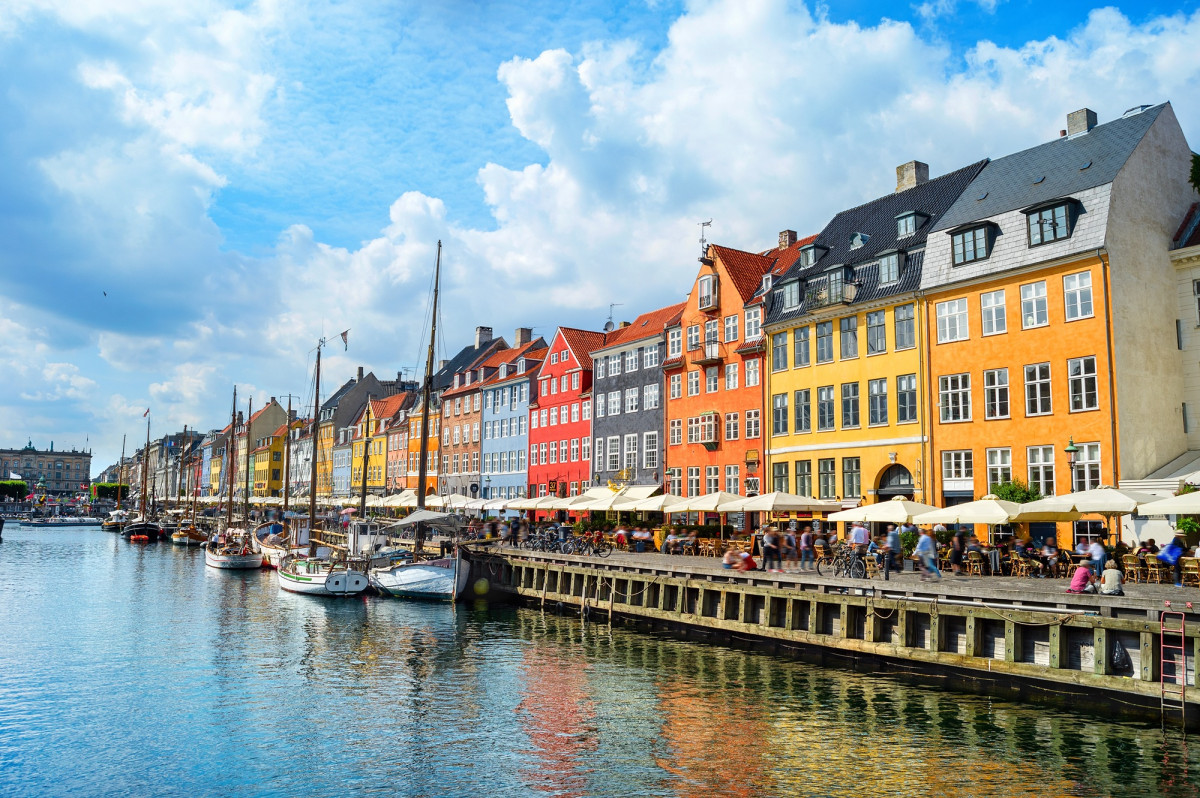
ModuTour launched a Nordic campaign ahead of the May–September peak season, beefing up long-haul premium options for summer. To capture demand for both dramatic fjords and atmospheric cities, the company rolled out a diverse lineup—its Modu Signature series, four- and seven-country Nordic tours, and Iceland add-ons. Notably, many packages promote business-class seating, no-shopping itineraries and pricing that absorbs exchange-rate fluctuations to ease customers’ sticker-shock.
Travel itself becomes part of the content: Norwegian fjord cruises and scenic mountain trains, city tours in Stockholm, Copenhagen and Helsinki, and luxury ocean-view cabins across the Baltic. ModuTour also adds dedicated car services for business-class guests, tightening convenience across the entire journey and sharpening its premium appeal.
Home-shopping channels are getting in on the trend. GS Shop will air ModuTour’s premium 'High Class' Eastern Europe package exclusively on the 29th, offering end-to-end service—round-trip home-to-airport transfers, accompaniment by professional docents and local fine dining. Even with business-class fares reaching about 12 million KRW (approximately $9,000), GS Shop is targeting buyers who prioritize seamless convenience.
“In the past, premium travel was defined by airline seats or hotel ratings,” an industry official said. “Today, full-journey design—transport convenience, local experiences and the quality of content—has become the real competitive edge.”
He added that as more people treat travel as an investment in experiences, demand for premium products is steadily growing. Expect the ultra-high-end themed travel market to become even more segmented and specialized going forward.