As the weather warms up, the scenes on our roads shift. Come holiday weekends, you suddenly notice more SUVs towing travel trailers and RVs heading to beaches and state parks. It’s common now to spot people pulling into rest areas to rearrange gear, or families hauling boat trailers and small watercraft without raising an eyebrow.

The idea of parking wherever you want and spending the night under the stars is a dream for many. But behind that freedom is a little-known requirement: just because you’ve bolted on a hitch doesn’t mean you can legally tow any trailer. Once a travel trailer or boat trailer passes certain weight thresholds, you’ll need a separate small-towing license.
It used to be that anyone wanting to tow even a small camping trailer or boat had to take the same test as for large commercial trailers. That changed in 2015 when the Road Traffic Act split the old trailer-license system into large-towing and small-towing categories. Lawmakers created the small-towing license to reflect growing recreational towing demand, making it easier for leisure drivers to get on the road.
Not the same as ordinary reversing — why the small-towing license confuses people
The small-towing license is a special Class 1 endorsement that lets you tow relatively small trailers. It qualifies you to operate a towing vehicle with a total weight of 3.5 t or less (roughly 3.86 short tons / 7,716 lb) and to attach a towed unit that weighs more than 750 kg up to 3 t (about 1,653 lb to 6,614 lb) behind a regular car or SUV equipped with a hitch.
Common examples include travel trailers, small yacht or boat trailers, and compact livestock trailers. A lot of people studying for the small-towing exam are motivated by leisure—especially the desire to tow a travel trailer for weekend getaways—rather than jobs in logistics.
On paper, the small-towing test is easier than the large-towing one. There are no separate coupling or uncoupling mechanical procedures, and the course focuses on basic maneuvers—articulation, curves, and directional changes—inside a yard rather than complex operations.
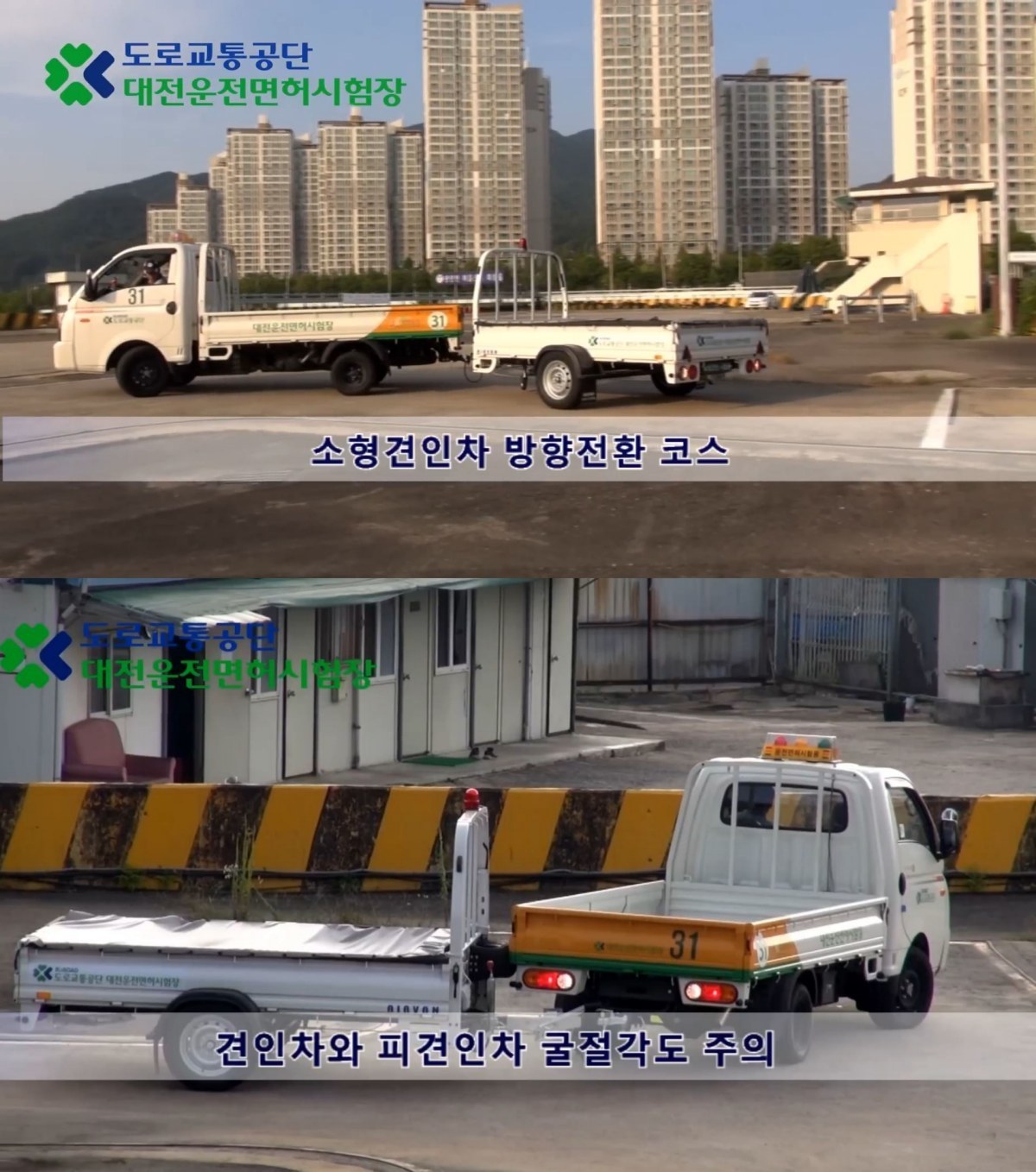
That said, the test isn’t a walk in the park. The toughest part is adapting to a trailer’s steering behavior. With a regular car, reversing feels intuitive—the rear moves in the same direction you turn the wheel. A trailer behaves differently. Because the tow vehicle and the trailer are linked, the trailer tends to move opposite to your steering input when backing up. If you’re not used to that, the trailer’s path can swing wildly in seconds, and once the angle collapses it can be tough to recover.
Test-takers struggle most with direction changes. In a confined course you must back the trailer into a designated line, and keeping the right angle matters more than speed. Move too quickly or delay steering and the trailer can over-rotate; steer too early and you’ll miss the spot and have to correct your path.
Making several quick steering corrections often leads to touching marker lines or crossing boundaries. Backing up may look like a slow, simple task, but it actually demands watching the mirrors, mentally calculating the angle between the tow vehicle and trailer, and accounting for overall length and turning radius—details that can overwhelm beginners.
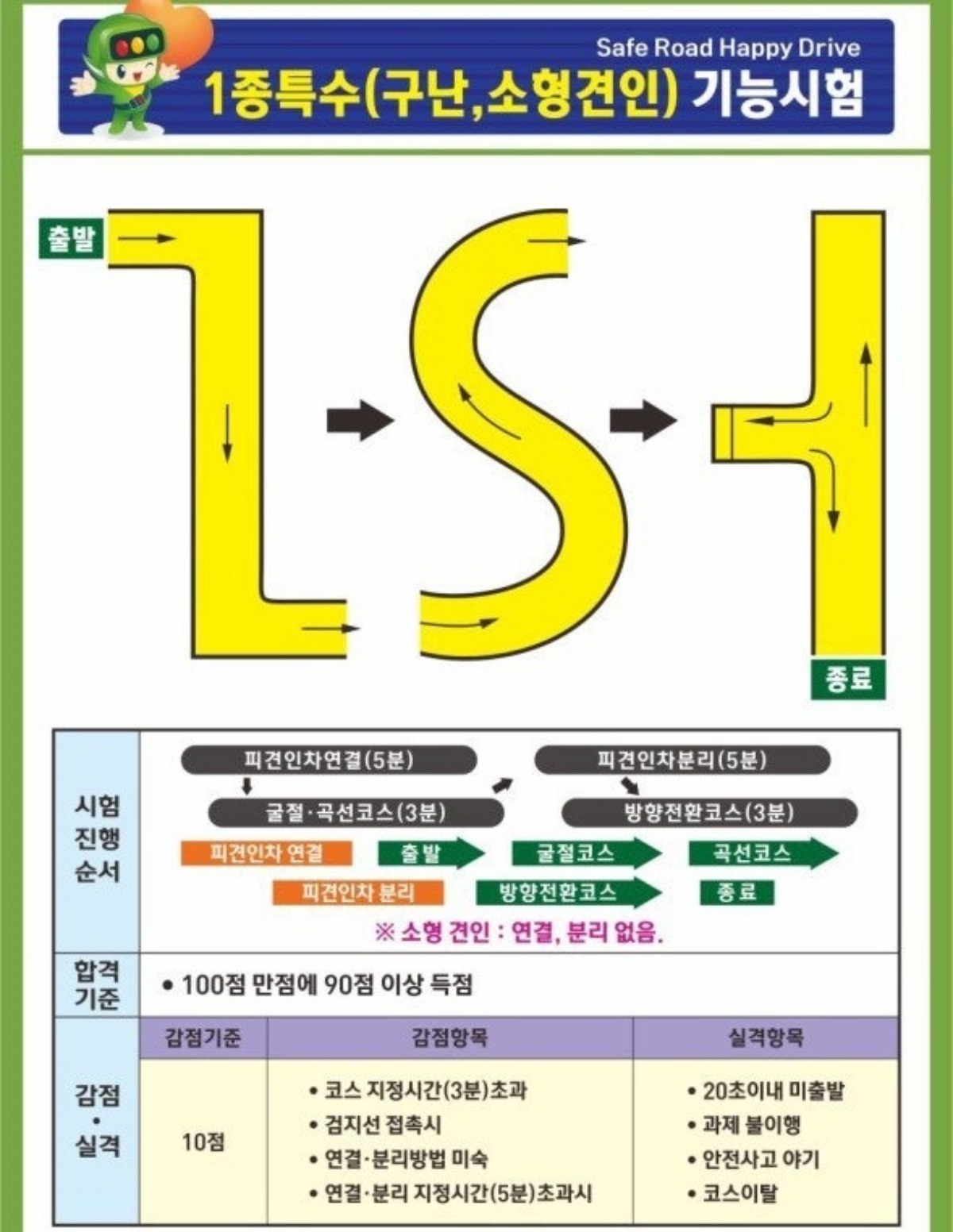
To pass, you need at least 90 out of 100 points. You’ll lose points—or be disqualified—for touching marker lines, leaving the course, or running out of time. The bar is lower than for large-towing, but this isn’t a license you’ll pick up without practice.
Ironically, drivers with lots of experience behind the wheel can be more confused at first. Years of ordinary reversing instincts can actually interfere. Even drivers who can parallel park like pros get flustered once a trailer is attached because their usual feel no longer applies. Among test-takers you’ll often hear, “Being a good driver and passing this test are completely different things.”
Rising demand for travel trailers — but plenty to consider once you start
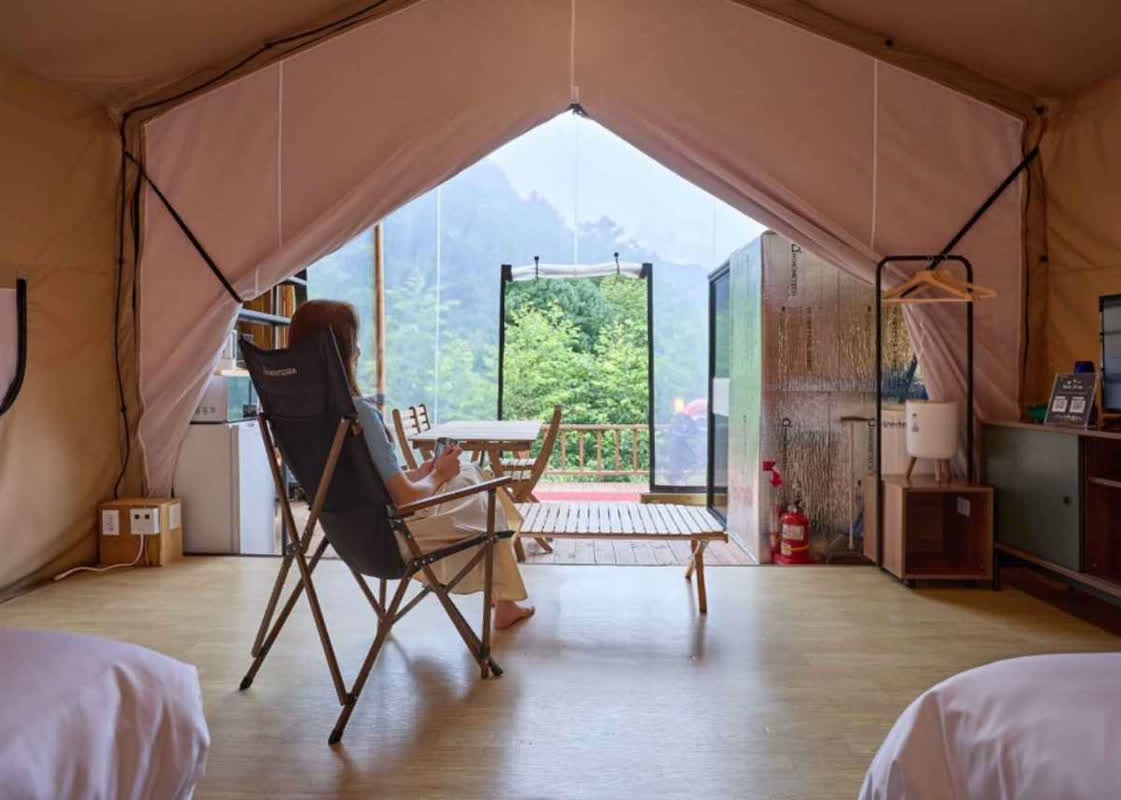
Interest in the small-towing license keeps growing as travel habits shift. More people are skipping hotels and guesthouses in favor of planning their own routes and staying wherever they please in travel trailers and camping trailers. That shift has driven demand for towable gear. More owners want to tow boats and water-sports equipment themselves, and travel trailers have become popular for pet-friendly long-distance trips, all of which is fueling interest in towing-capable vehicles.
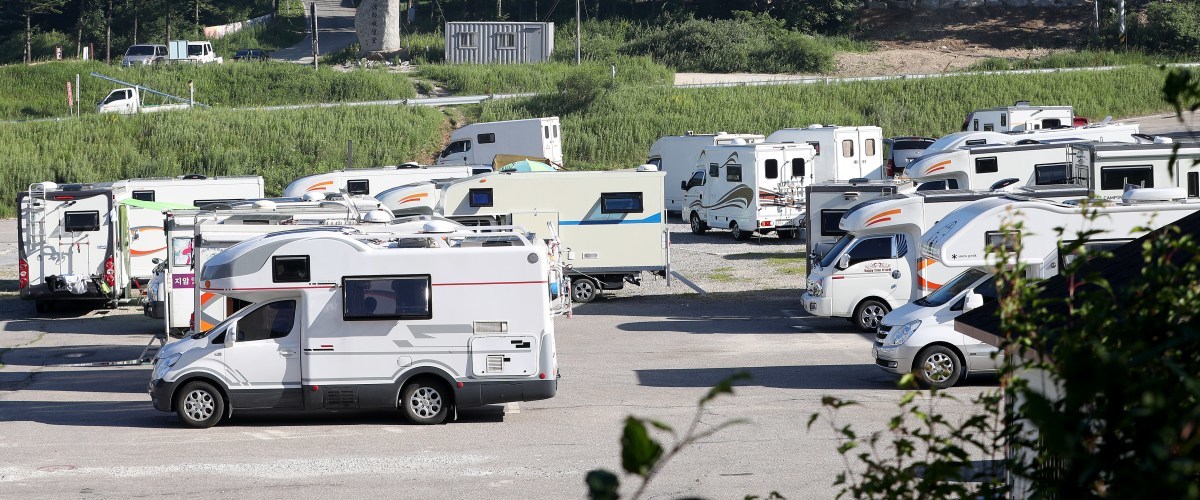
Not every vehicle you see towing gear needs a special license. Many small equipment and cargo trailers weigh under 750 kg (about 1,653 lb) and can be towed with a regular driver’s license. Think compact cargo trailers, camping gear trailers, or foldable tent trailers under that threshold—those don’t require the small-towing endorsement.
But travel trailers with larger bodies and interior fittings usually push the towed weight past 750 kg. Once a trailer’s total weight exceeds that line, the small-towing license is required. Two trailers may look similar, but weight is what determines the qualifications you need.

Many buyers learn the hard way that the challenges don’t end with licensing. A travel trailer isn’t just about the license—you also need a place to keep it. Because trailers are wide and long, they rarely fit into a single apartment parking spot like a small car. Finding suitable storage or parking can be a hassle.
Among people getting ready to tow a trailer, parking and storage issues often top the list alongside licensing. The moment you hitch up and head out looks relaxed and glamorous, but the checklist before you leave is surprisingly practical.
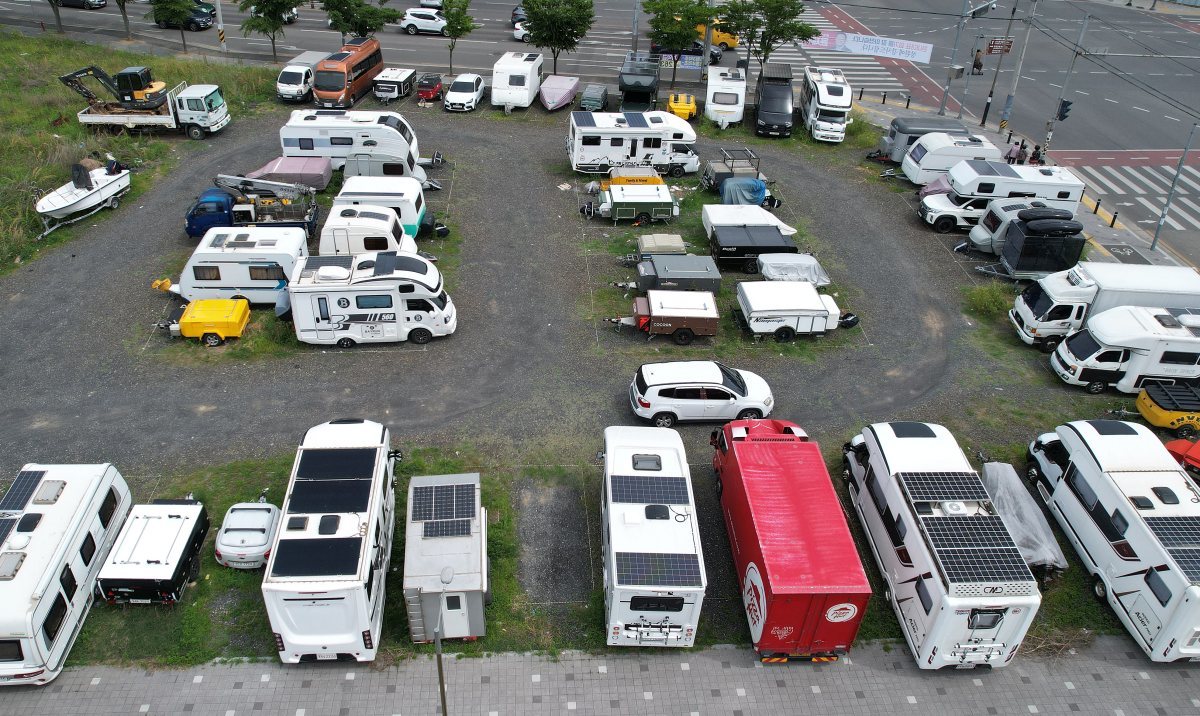
Buying a travel trailer means more work than just passing a test. You’ll need a suitable tow vehicle, and you may have to modify that vehicle to install a hitch—consider compatibility, installation costs, and the practicalities of driving and storing the rig. What looks like a simple hookup often requires checking vehicle suitability and running through logistical details.
For that reason, many people choose an RV or a truck-based camper with built-in sleeping and camping functions instead of a towable trailer. A single vehicle that handles travel and lodging has clear benefits, but it’s also a specialized purchase and is less practical for everyday use. That relaxed highway aesthetic hides the fact that towing involves careful choices about licenses, equipment, and vehicle type before you can really get started.
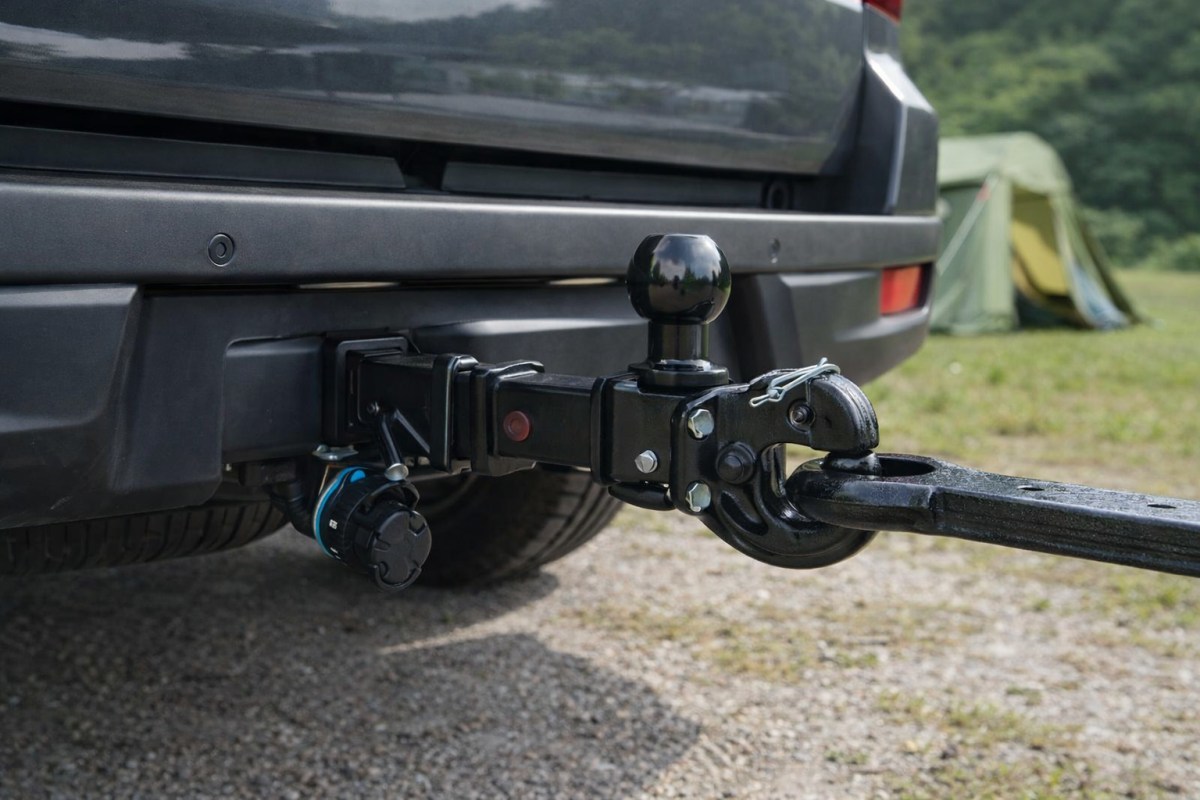
Seen purely as prep work, travel-trailer trips aren’t a light hobby. You’ll need to think through licensing, vehicles, and gear, and many steps feel unfamiliar at first. Still, the small-towing license is a skill you can master with repeated practice, and more everyday drivers are giving trailer life a try each year.
That one enviable rig on the highway was built by someone taking those steps one at a time. If the summer highway scene this year feels like something you want to be part of, there are plenty of good reasons to give it a shot.