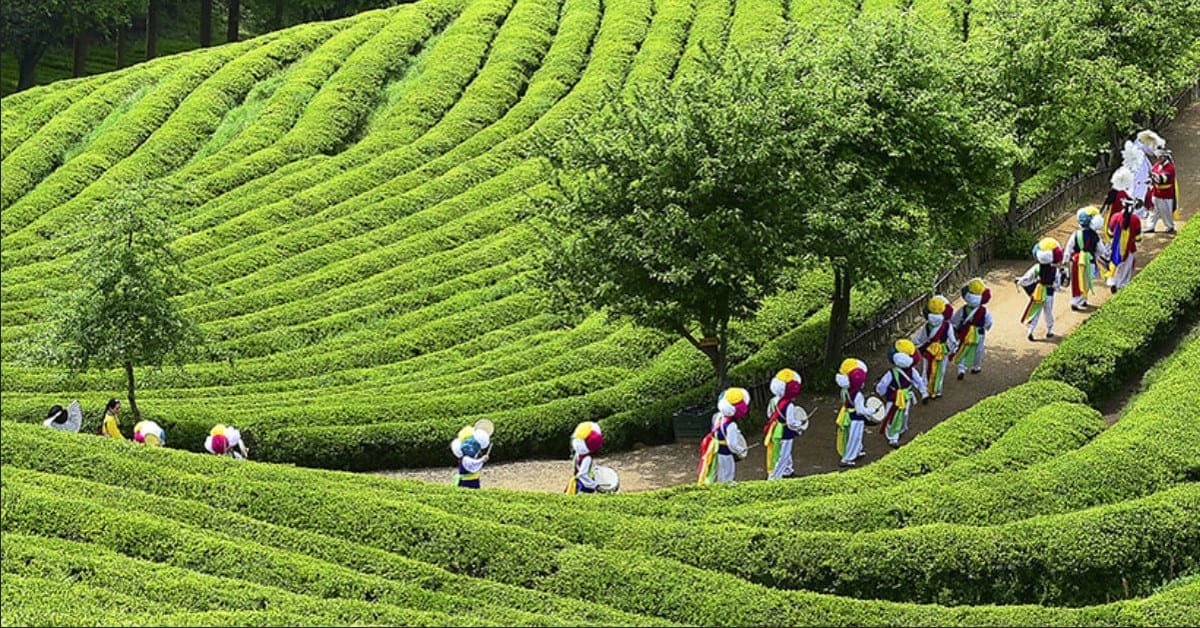
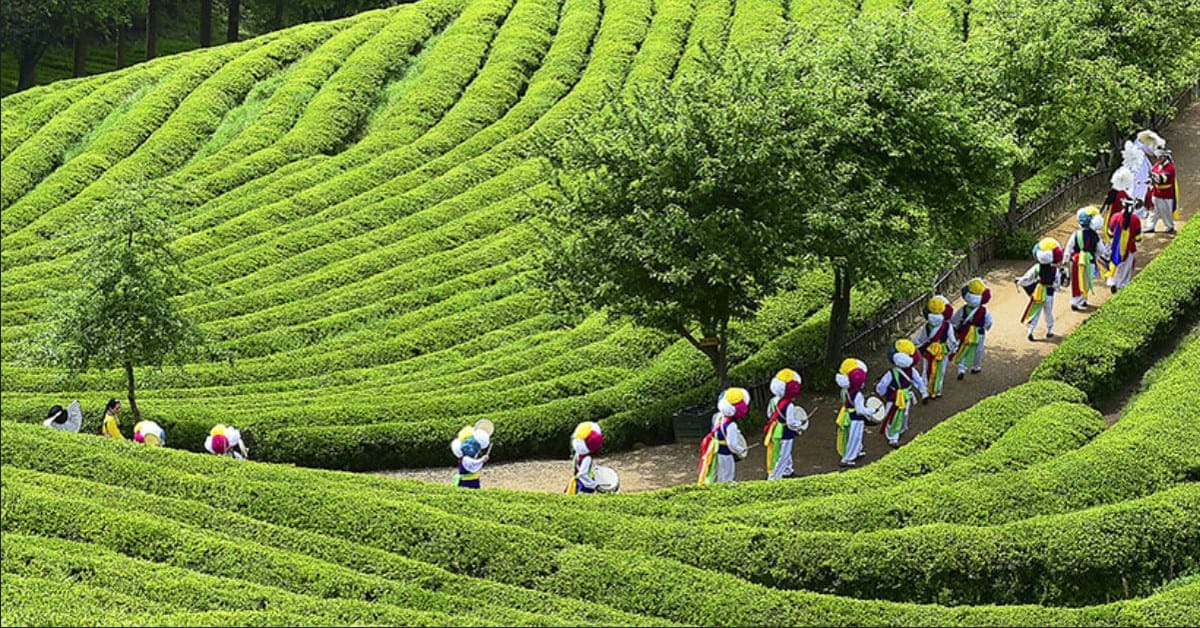
Boseong County in Jeollanam-do — South Korea’s largest tea-producing region and the birthplace of its tea industry — closed out the 49th Boseong Dahyang Grand Festival on Children’s Day, May 5, 2026, showcasing the very essence of tea culture. The festival traces back to 1985, when the country’s first tea-culture event, Dahyangje, began on the slopes of the Hwalseongsan tea fields. Over more than four decades, the event has grown in reputation; this year’s designation by the Ministry of Culture, Sports and Tourism reinforced its status and turned the festival into a must-visit hub where families from across the nation experienced the beauty of green tea.
Finale packed with Children’s Day programs and the Green Tea Singing Championship
On the final day, May 5, the Korea Tea Culture Park was transformed into a welcoming family zone tailored for visitors with kids. The Children’s Day program, running from 10:00 AM to 3:00 PM, offered hands-on moments that introduced younger generations to tea culture and filled the grounds with laughter. The festival’s grand finale — the Boseong Green Tea Singing Championship — took the main stage from 3:00 PM to 5:00 PM, uniting locals and tourists in a lively celebration. Meanwhile, Dahyang Art Valley hosted four busking sessions between 11:30 AM and 5:30 PM, keeping the energy high throughout the day.
Prioritizing visitor convenience helped the event finish smoothly. Boseong County operated a flexible shuttle-bus system linking key venues and parking areas to ease traffic. Staff positioned at the bus stops and waiting areas near Dahyang Art Valley guided guests and kept people moving. Two ATMs in the parking lot improved on-site access to cash, and a small shuttle train made it easy for families to cover the festival’s wide grounds without hassle.
A feast of sensory programs tailored to each space
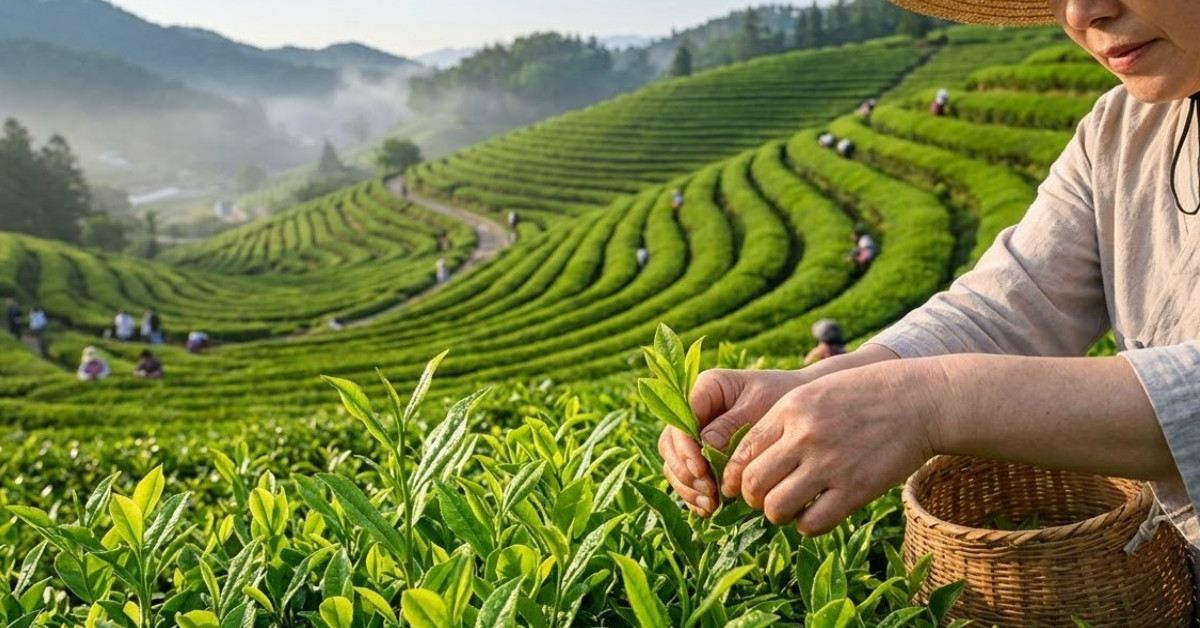
The festival divided the grounds into purpose-built zones so visitors could dive into different experiences. In the south tea fields and tasting hall, guests tried their hand at leaf-picking, joined tea-field treasure hunts, and posed for photos amid the rows of tea—activities that encouraged outdoor play. Traditional tea-ceremony demonstrations and large-canvas art projects captured the cozy charm of Boseong teahouses. Nearby, a flower garden and a “stress-book” smashing activity offered adults a playful way to unwind.
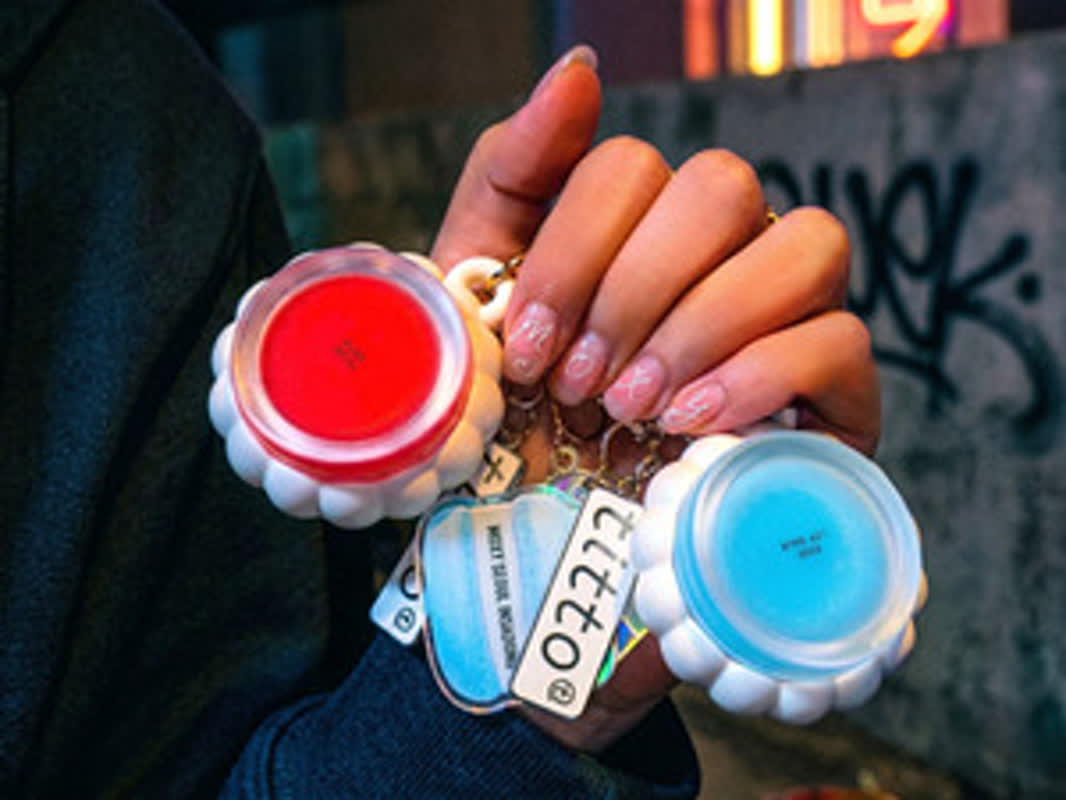
The youth training center was a kid-focused area packed with activities. A kids’ zone with an inflatable bounce, moon-making crafts, and a tea-field plogging program (jogging while picking up litter) combined learning and fun. On the lawn, matcha cocktail tastings and a matcha brand pavilion showcased a modern take on tea culture. Hands-on booths for woodburning, green-tea soap making, and keyring crafting kept families engaged. The Korean Tea Museum offered green-tea therapy and foot baths, and exchange exhibits highlighted tea traditions from countries like Malaysia and Nepal.
A national tea-culture brand built on historical pride
The festival’s roots go back to 1985 with the Da-sin-je ceremony, a ritual praying for a bountiful tea harvest. For more than 40 years, Boseong County has poured its pride as Korea’s tea heartland into this celebration. In 2009 the event was renamed the Boseong Dahyang Grand Festival and expanded, and from 2012 it has been recognized as a government-designated cultural tourism festival, helping it grow from a national showcase to an international draw. Beyond entertainment, the festival elevates tea culture through nationwide student tea-etiquette contests and a competition to select Korea’s finest teas, sharing academic and cultural values that protect the tradition’s identity.
Themed spaces like the Boseong 7080 Retro Zone and a replica Boseong wedding hall stirred nostalgia among middle-aged and older visitors while appealing across generations. Surprise pop-up events by role-playing actors added unexpected delights and amplified the live feel. Riding that momentum, Boseong County plans to keep building the green tea brand’s global competitiveness—not just as an industry product but as cultural content for healing and relaxation. Strong attendance through the final day confirmed that the Boseong Dahyang Grand Festival has evolved from a local event into a signature spring destination representing South Korea.