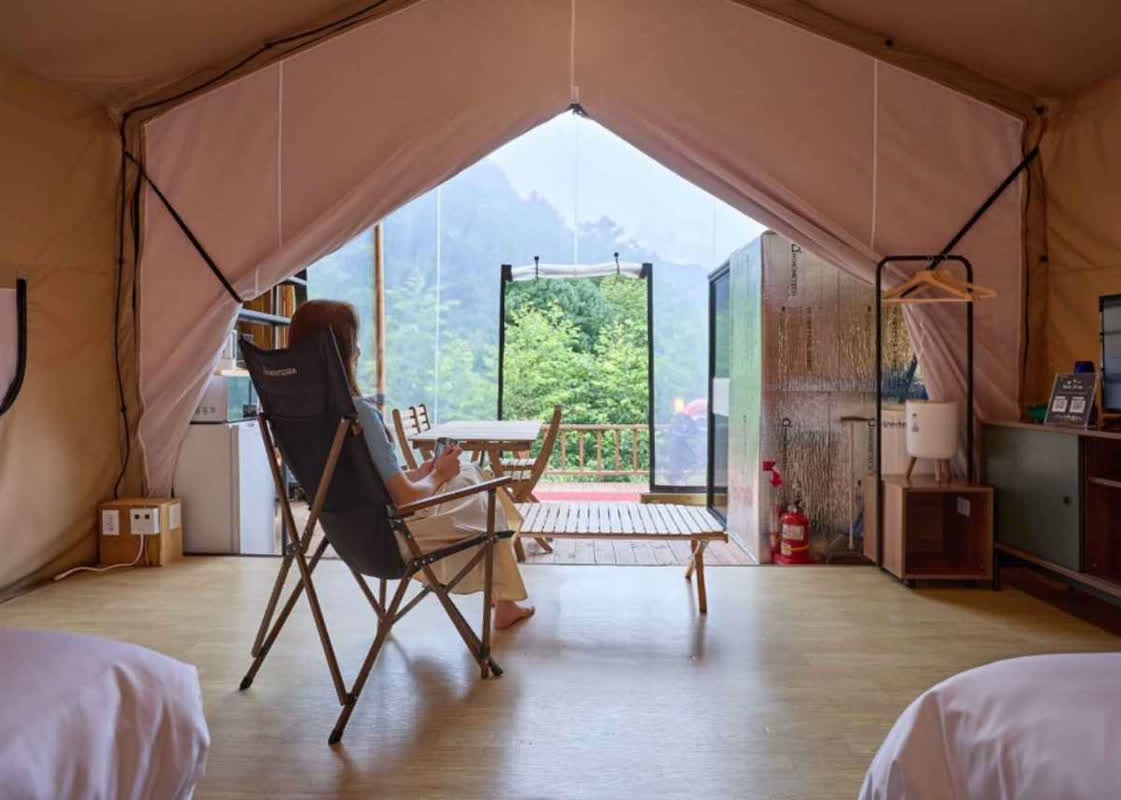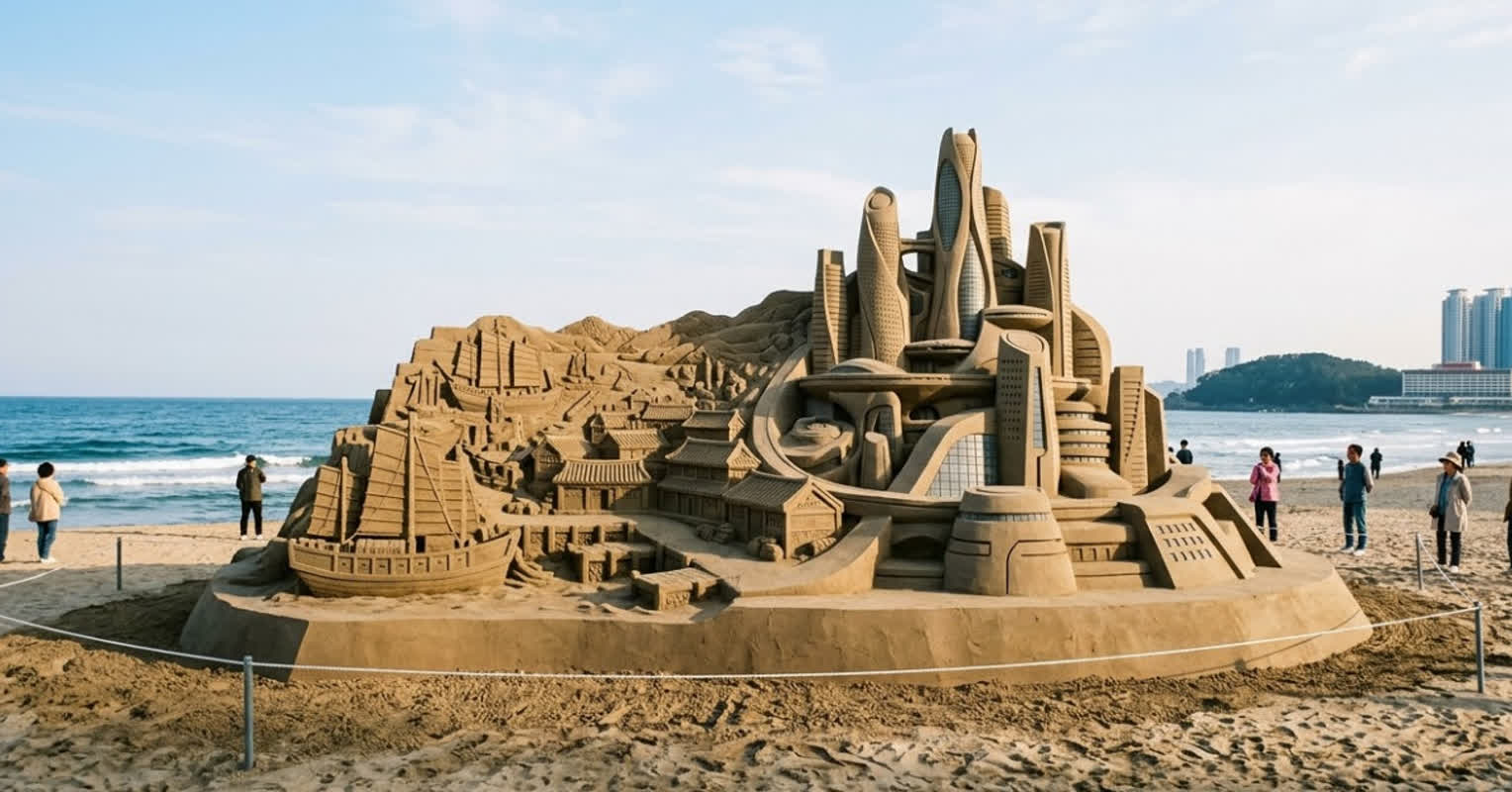
[Sports Seoul | Reporter Won Seong-yun] Hoshino Resorts is on a bold expansion streak—turning hotels into engines of local revival and rethinking why people travel. Their core philosophy—locality and regeneration—does more than revive worn-down Japanese downtowns. It’s about reshaping familiar resort scenes, including Guam, into fresh, culturally rooted destinations for Korean travelers.
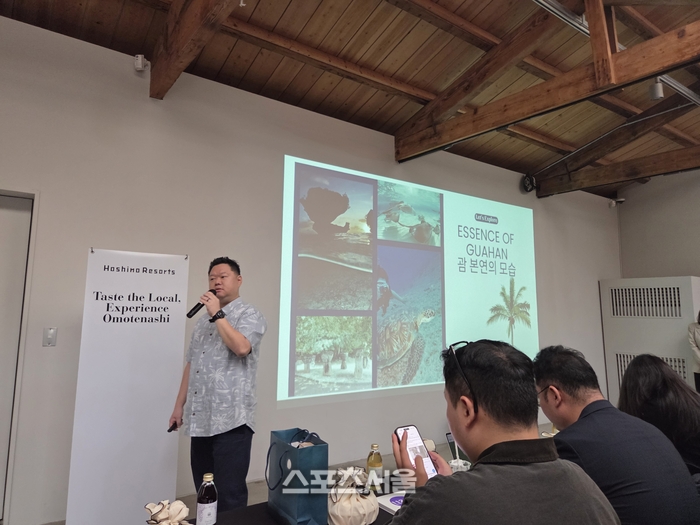
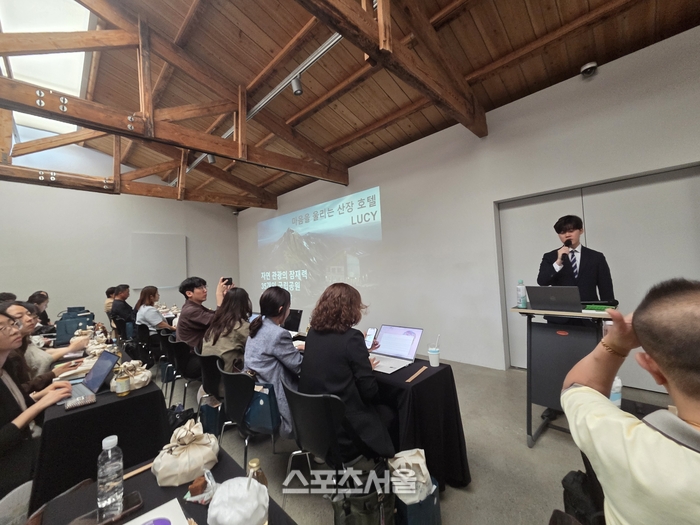
On the 7th, at a press event at Cosiety in Seongdong-gu, Seoul, Hoshino Resorts showcased striking examples of domestic regeneration and revealed the concrete vision for its first overseas regeneration project, RISONARE Guam.
◇ Bringing neglected streets and day-trip spots back to life
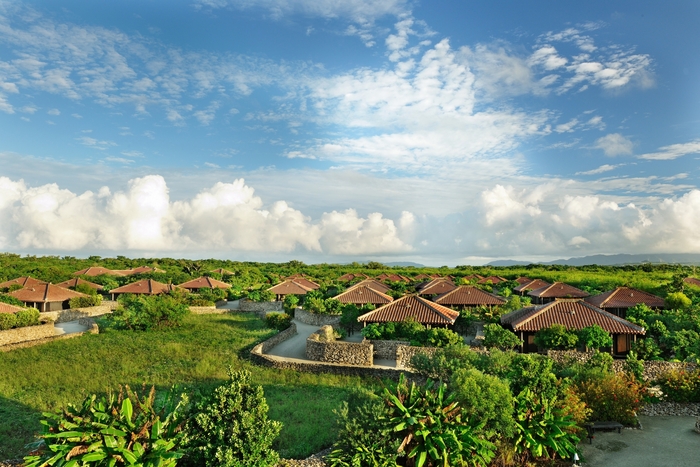
At the heart of Hoshino Resorts’ identity is “locality and regeneration.” They step into places hollowed out by population decline or aging infrastructure, then shape the area’s unique culture into guest experiences that create new value in hospitality.
A standout example is OMO7 Osaka, which opened in 2022 in Shin-Imamiya—an area long seen as rundown. Announcing a large hotel on land left idle for 40 years raised eyebrows, but Hoshino flipped the script: if a hotel can make a neighborhood more interesting, it can change its image. By partnering with local merchants—think original takoyaki shops—they built spaces where guests can actually live Osaka culture, and the project energized the whole district.
Hoshino also converts places that used to be mere transit points or day-trip stops into genuine overnight destinations.
RISONARE Shimonoseki and BEB5 Mojiko teamed up with local governments to lift the entire area’s appeal. Despite assets like blowfish and the Kanmon Strait, these regions struggled to attract overnight guests; strategic partnerships aim to change that. BEB5 Mojiko, for instance, offers a single-price policy for guests 29 and under to bring in younger travelers.
Kai Miyajima reclaimed Miyajima—previously just a stop to see the “floating torii”—by recreating an ancient stone sauna and highlighting local flavors like lemons and oysters, giving visitors unique reasons to stay the night.
◇ Investing in experience before buildings
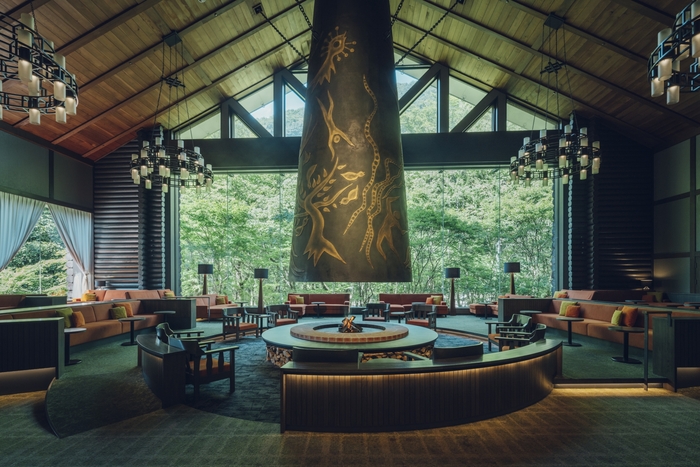
The secret behind these successful regeneration projects is Hoshino’s unconventional management philosophy: invest in “software”—the concept and guest experience—before pouring money into buildings.
Director Kadotomo put it simply: “Most hotels invest in new buildings first. We design the guest experience first and defer building investments until later.” A perfect example: they removed an underperforming golf course in Tomamu, Hokkaido, and replaced it with a ranch and an ice-village concept rooted in local identity, transforming it into a year-round draw.
◇ RISONARE Guam: a fresh paradigm that captures Guam’s authentic charm
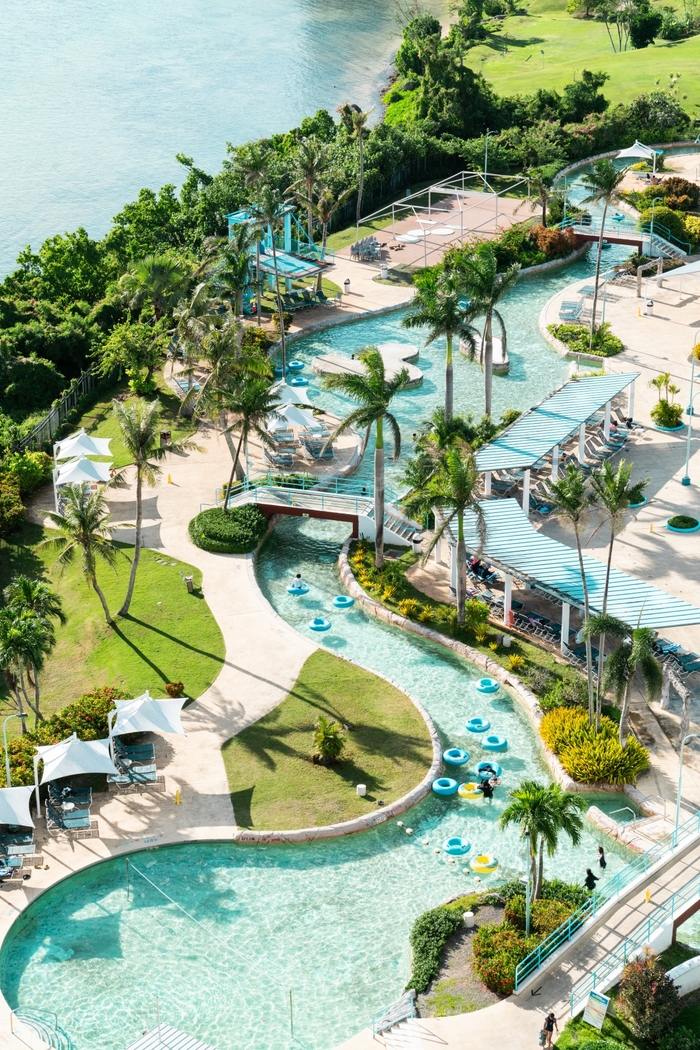
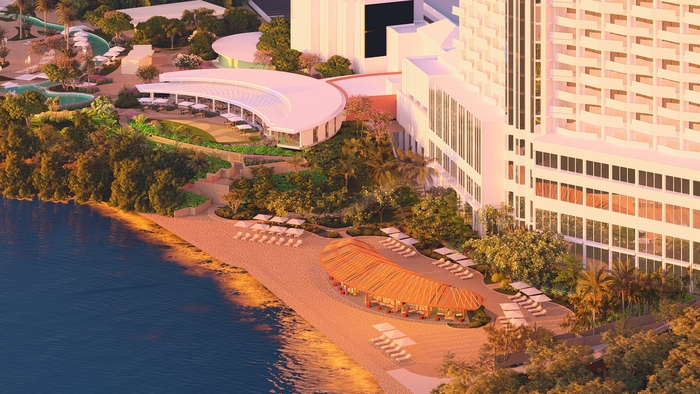
That regeneration DNA is at the core of RISONARE Guam. Confronting years of cookie-cutter package tours and aging facilities, Hoshino reimagined Guam as a place where Chamorro traditional culture and nature are front and center.
The new private BEACH CLUB and the all-day dining spot CHO CHO use architecture inspired by Guam’s culture, making them photo-ready attractions in their own right. The Beach Club package also introduces flexibility: unused meal benefits from days when guests are off-property can be carried over or exchanged, breaking the rigid closed-loop of traditional all-inclusive plans and giving guests more control.
◇ An expansion worldview backed by data
Hoshino’s knack for uncovering hidden local value is resonating with Korean travelers. In 2025, Tomamu was the top-selling property to Korean guests, while OMO7 Osaka and Aomoriya also ranked high and posted rapid growth.
Hoshino’s regeneration projects will keep rolling into 2026. Upcoming openings include OMO5 Yokohama Bashamichi, a residence-style property with views of Yokohama from 154 meters above; OMO7 Yokohama, restoring the former city hall built in 1959; Kai Zao, a wellness spa inspired by a crater lake (okama); and Kai Kusatsu, the largest Kai yet with 94 rooms. Having revived abandoned facilities since the post-bubble era and carried a 100-year legacy forward, Hoshino Resorts is shaping the next generation of travel destinations. socool@sportsseoul.com