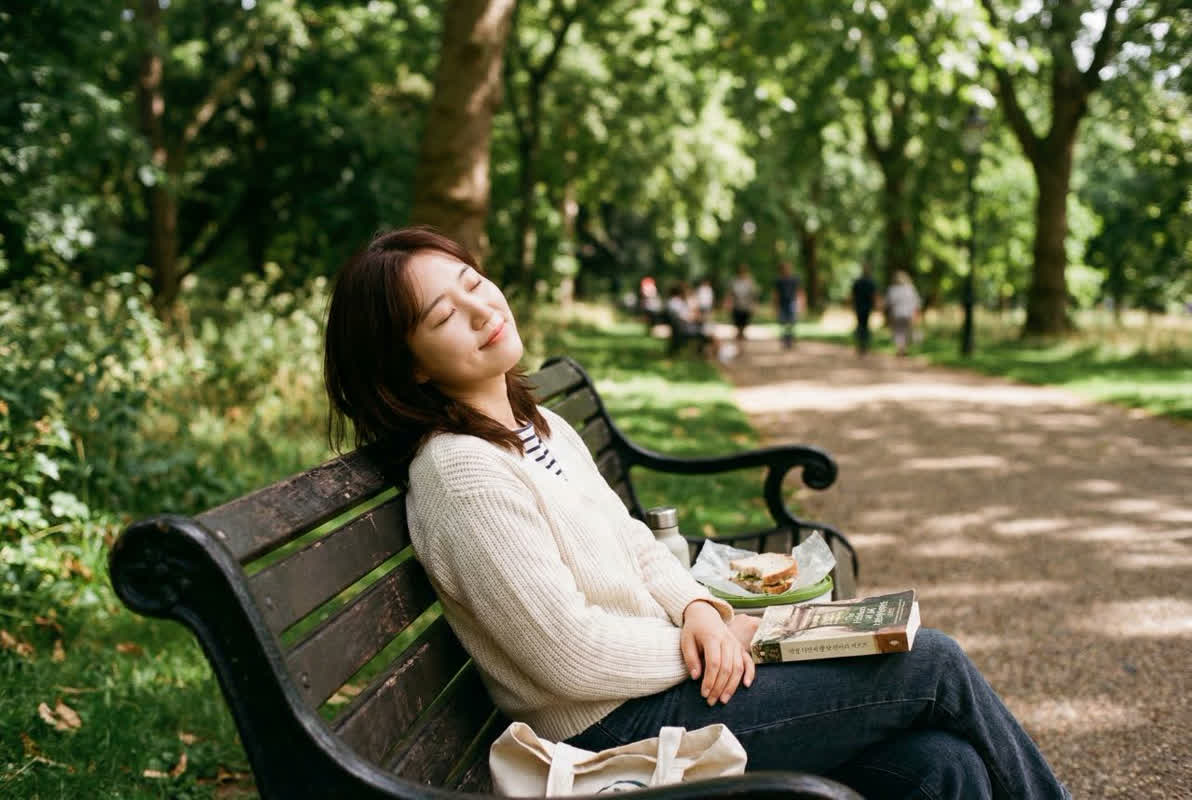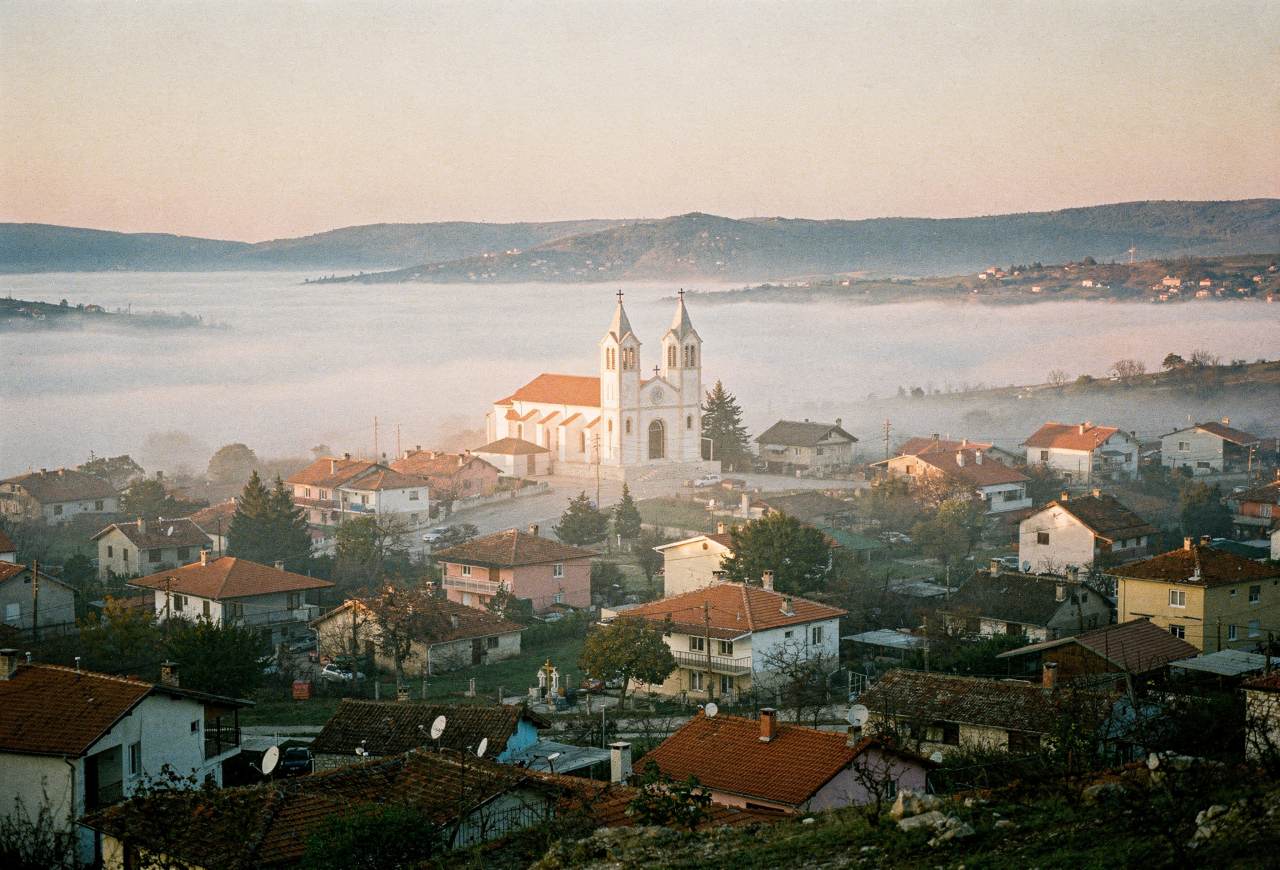
There are moments when the world’s noise becomes too loud and all you want is to tune everything out—to hear yourself and the quiet voice of the divine. Tucked into the hills of Bosnia and Herzegovina, Medjugorje is that kind of refuge.
Since six local children reported an apparition of the Virgin Mary in 1981 and a message of peace, pilgrims have been drawn here in ever-growing numbers. Today it draws millions annually and is often called a place of miracles. A pilgrimage to Medjugorje isn’t about admiring ornate cathedrals or grand works of art.
Instead, it’s about walking worn stone paths, praying the rosary, and letting the quiet help you begin to heal old hurts. Join Unina Tour and step into this serene, sacred village of peace.
Apparition Hill
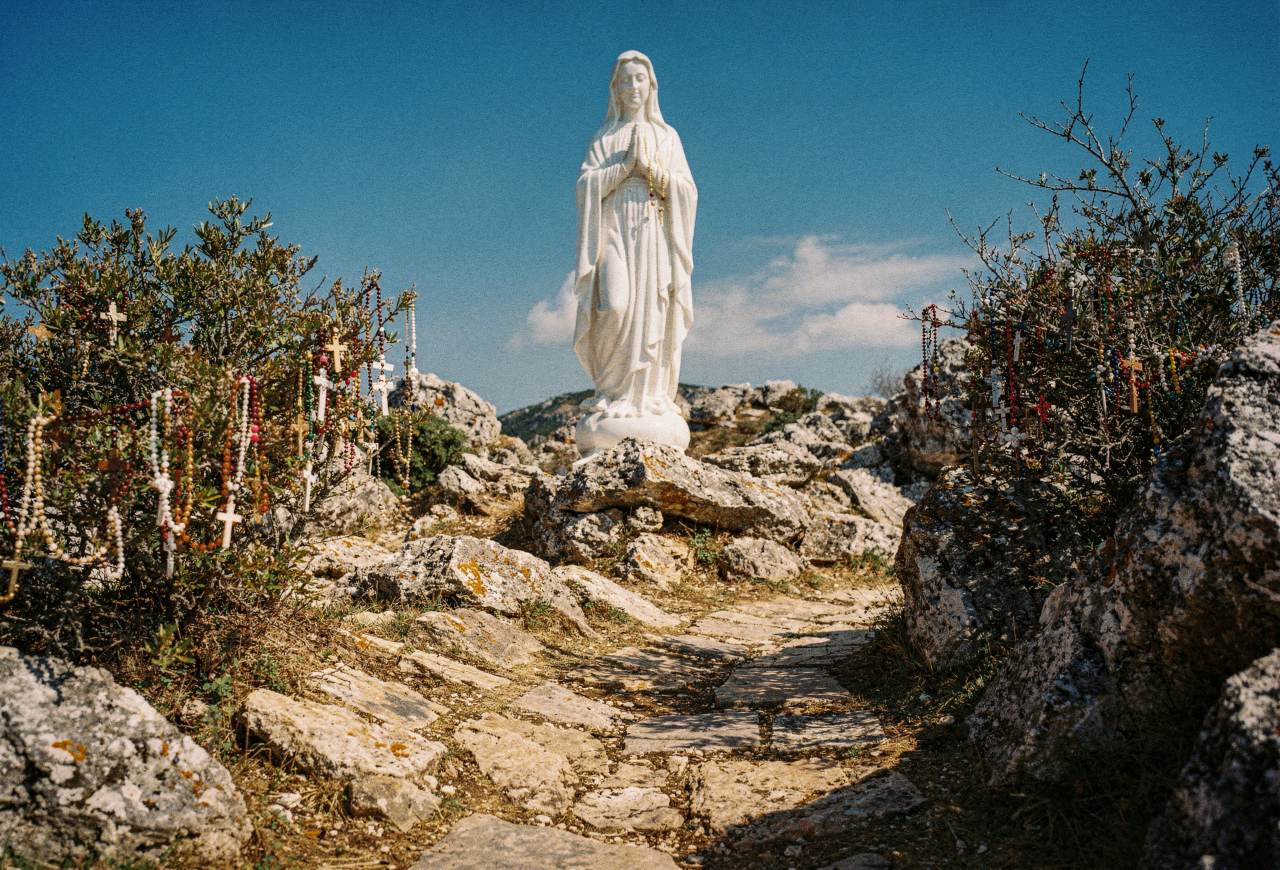
When you arrive, most pilgrims head straight to Podbrdo—Apparition Hill—the spot where the Virgin Mary was first reported to have appeared. The climb isn’t steep, but the path is scattered with rough stones. As you make your way up, you can sense the rosaries and heartfelt prayers left by people from all over the world.
At the summit, a gentle statue of Our Lady, Queen of Peace, welcomes visitors. The high point of a Medjugorje pilgrimage is the silent prayer offered here; visiting at dawn or around sunset makes the moment even more moving.
You’ll find a depth of calm and consolation here that’s hard to find anywhere else.
Cross Mountain
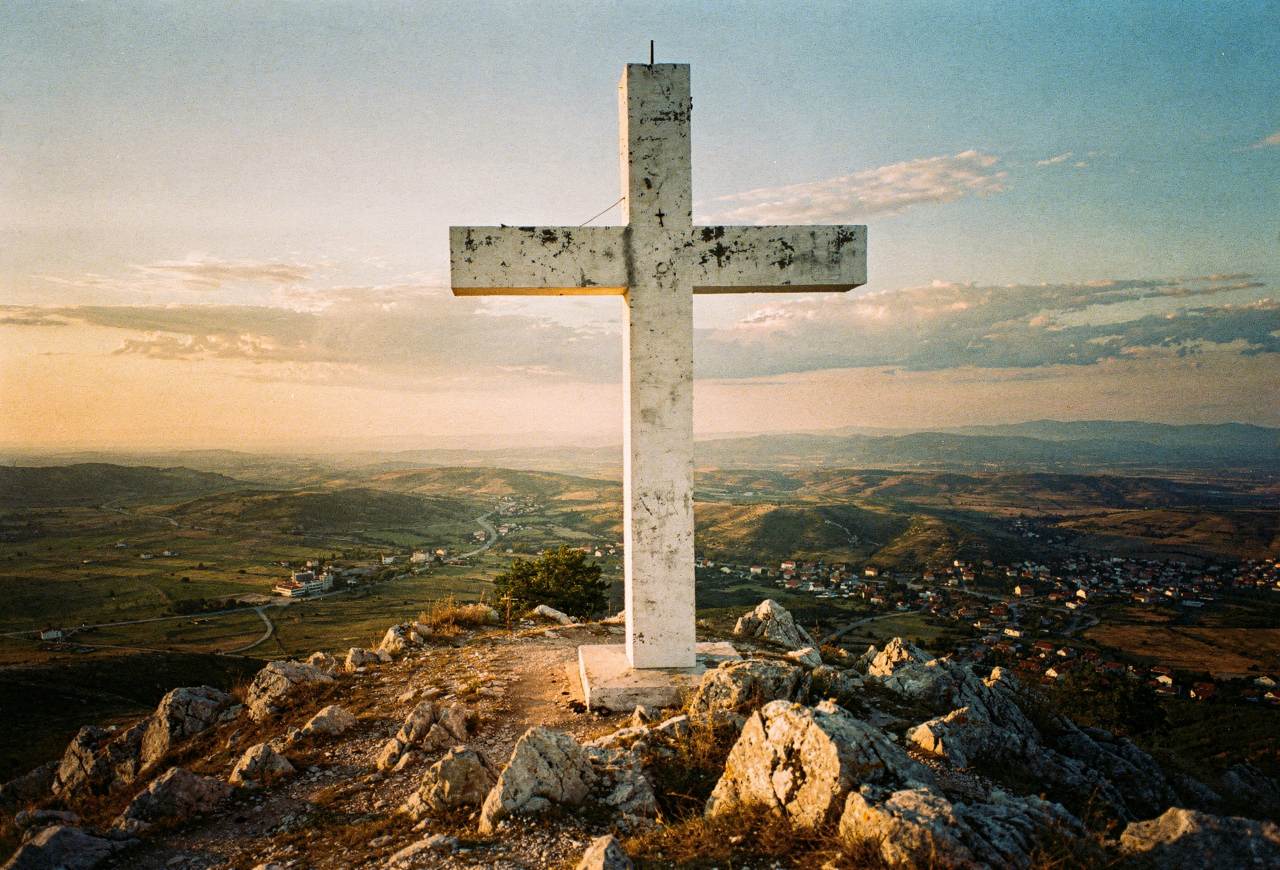
Rising behind the village is Križevac—often called Cross Mountain—where a tall white concrete cross stands at roughly 520 meters (about 1,706 ft) above sea level. The cross was erected in 1933 to commemorate the 1,900th anniversary of Christ’s Passion. Along the route, 14 bronze reliefs mark the Stations of the Cross, inviting quiet reflection on the mysteries of suffering as you ascend.
The hike can be physically demanding, but taking it step by step becomes almost like a confession: a way to lay down the burdens you carry. From the top, the view over Medjugorje makes tangible how beautiful peace can be after pain. If stamina is a concern, rest often and go at your own pace.
St. James Church and the Holy Hour of Peace
The plaza in front of St. James Church—the village’s heart and the pilgrimage hub—brings together languages and faces from all over the globe. Every evening the Holy Hour and Mass draw thousands, yet the mood remains reverent and orderly. Confessions are heard in many languages, and those who kneel for Eucharistic adoration wear expressions of profound serenity.
Part of Medjugorje’s appeal is this universal mystery of faith. Many pilgrims wet a cloth in the liquid said to appear at the knees of the statue of the Risen Jesus in the church’s courtyard and use it to pray for their families’ health—a simple, moving ritual that often brings people to tears.
Planning a Pilgrimage to Medjugorje
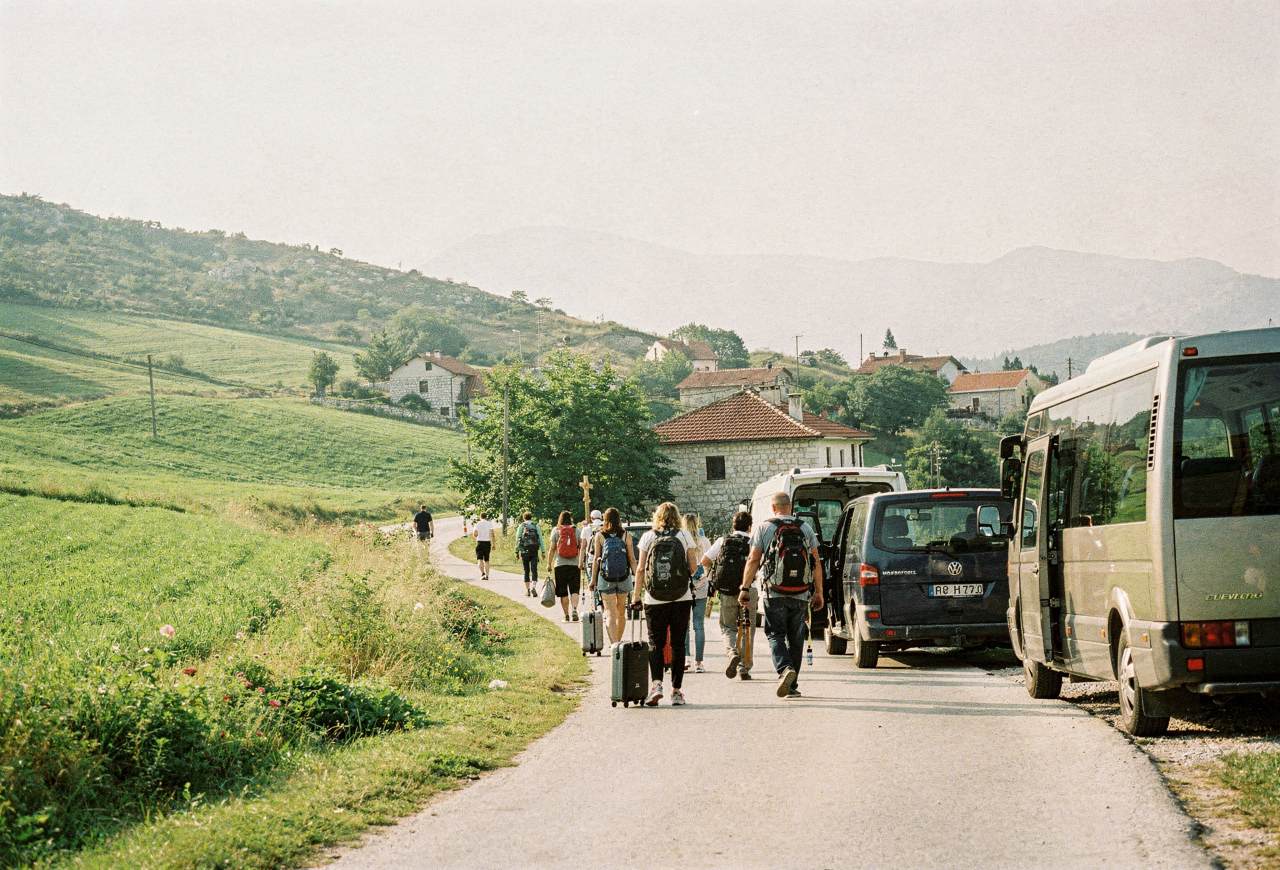
Medjugorje sits inland with no direct international flights, so most visitors reach it via neighboring countries—Croatia’s Dubrovnik or Split are common starting points.
While buses serve the area, schedules can be infrequent and border checks may cause lengthy waits, making the journey tiring for pilgrims. For many, an organized vehicle tour is the easier option.
Choosing a tour smooths border crossings and drops you close to lodging near the shrine. Rather than navigating unfamiliar Balkan roads yourself, traveling with an experienced guide lets you relax and absorb the region’s faith history—turning the trip itself into a deeper part of the pilgrimage experience.