As temperatures suddenly drop, weather‑tuned vehicle care is needed
When the weather turns cold, you pull out winter clothes and store your summer wardrobe. Your daily driver deserves the same seasonal attention. As temperatures fall this time of year, tire air pressure becomes a direct safety concern. Many drivers struggle because they don’t know how to adjust vehicle maintenance for changing weather.
What is the proper tire pressure?
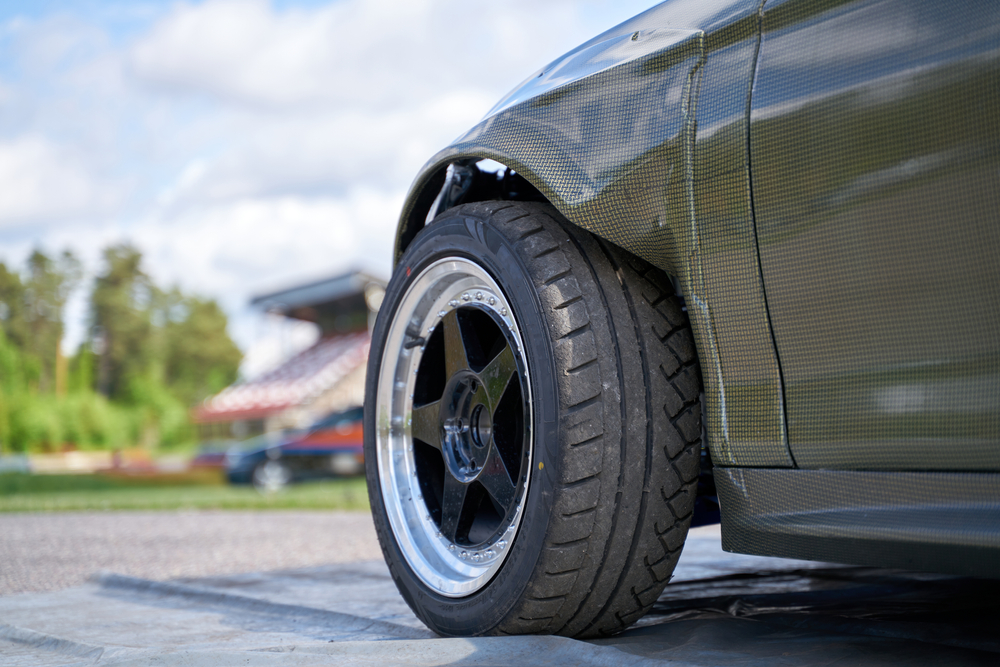
Recommended tire pressure varies by vehicle and is listed on a label near the driver’s seat. For many cars, the guideline is roughly 35 PSI.
Tire pressure often gets neglected amid busy schedules. Because air pressure changes with both ambient temperature and road-surface heat, pressure can swing significantly between summer and winter. Ignoring those changes can increase the risk of a serious safety incident, so it’s important to monitor tire pressure regularly.
Tire pressure drops in winter
Manufacturers advise keeping tires at the recommended pressure on the vehicle placard, but large day‑to‑night temperature swings or extended driving can make that harder to maintain. Because air contracts as temperatures fall, tire pressure typically drops in colder weather.
Add or subtract about 10%
It’s sensible to allow about a 10% seasonal adjustment to the recommended tire pressure. Beware, though, of bad advice circulating online that suggests lowering pressure in winter to improve grip. Reducing pressure can increase the tire’s contact patch and cause a standing‑wave effect—where the tire overheats and deforms—which can lead to a blowout.
To prepare for winter, consider adding about 10% to the recommended pressure to offset the expected drop from colder air. Before you drive, start the car and step outside to visually inspect all four tires for signs of underinflation or damage, and watch for dashboard warnings. Check tire pressure routinely during the season to stay safe on the road.