Surge in buyers in their 20s…EV share rises to 22.6%
Carsharing shifts to EVs…market reshapes around long-distance demand
As high oil prices persist, demand for electric vehicles is clearly rebounding. Rising fuel costs are pushing consumers away from internal-combustion cars and toward EVs, creating what the industry calls cost-avoidance demand.
On the 12th, the Korea Automobile & Mobility Industry Association (KAMA) and the Korea Imported Automobile Association (KAIDA) reported first-quarter EV sales of 87,627 units — a 152% increase from 34,752 a year earlier, roughly a 2.5-fold rise. Cumulative sales through March topped 1,020,859 units, surpassing the one-million mark. EV penetration in Q1 reached 21.5% for the first time, meaning more than one in five new cars sold were electric.
Notably, Tesla sold 11,130 units in March, becoming the first single imported brand to exceed 10,000 monthly sales since market liberalization in 1987 — a sign that EVs have entered the mainstream.
Demand surged most sharply among people in their 20s. Kaizyu Data Research Institute reported 4,605 EV registrations for that age group in Q1, a 228.5% jump year‑over‑year. EVs now account for 22.6% of new-car purchases among buyers in their 20s, up 13.3 percentage points from a year earlier — roughly one in four new-car buyers in their 20s chose an EV.
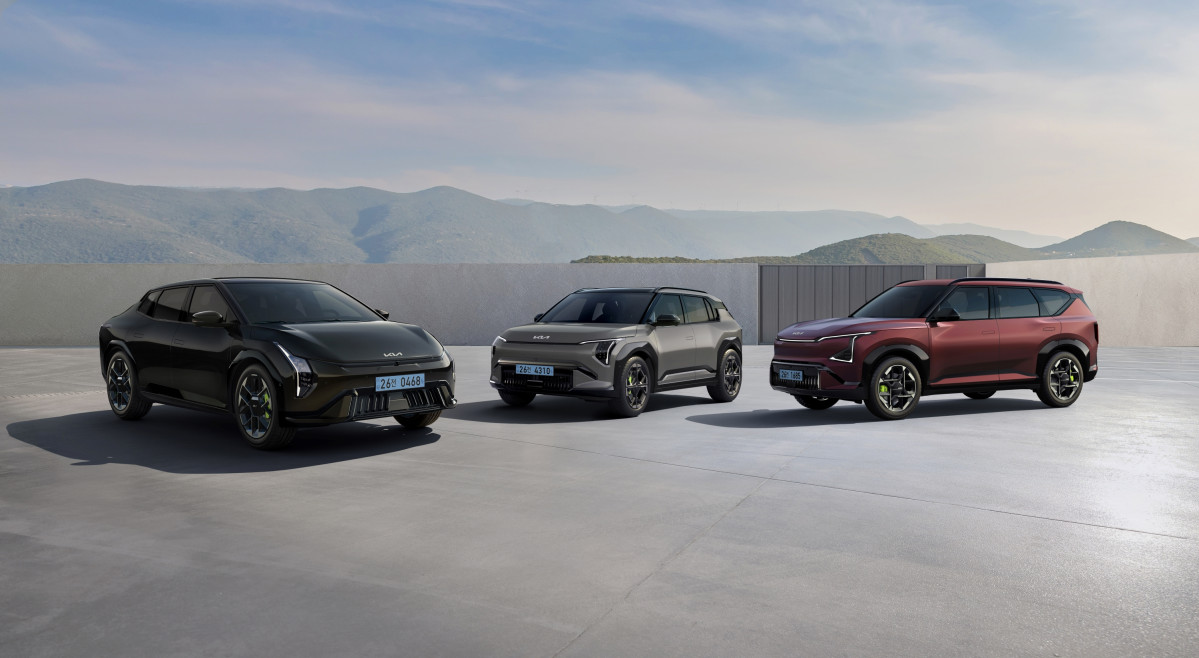
Industry executives attribute the boom to expanded subsidies, manufacturer price cuts and high fuel prices lowering the barrier to entry. Several key EV models saw price reductions of up to 10 million KRW (7,500 USD), which helped drive sales. Both Tesla's Model Y and the Kia EV3 — among this year’s top sellers — had cuts of up to that amount early in the year. SNE Research found Hyundai Motor Group’s EV sales in Asia, including South Korea, rose 140.3% in January–February versus the same period last year.
Carsharing is following the same trend. Socar reports EV revenue climbed 25% year‑over‑year last month and 8.6% month‑over‑month, while bookings rose 23% from the prior month. EVs were especially favored for long-distance trips: since August last year, 84% of EV rentals covered 100 km or more (about 62 miles). Lower operating costs explain much of this: fuel expenses increase with distance for combustion cars, but EVs remain relatively cheaper, making them more suitable for longer trips.
Usage patterns are shifting as well. Average reservation lead time for EVs was 90 hours — more than double that of internal-combustion cars — and typical trip durations were 2.1 times longer, indicating EVs are increasingly used as planned, long-distance transportation.
Analysts warn that if high oil prices persist, the market could pivot toward EVs even faster. “Fuel prices and EV demand are structurally linked,” an industry source said. “This period of high oil prices could be a turning point for electrification.”