<Statement: Park Il, Foreign Ministry Spokesperson> The following are the findings from the on-site investigation into the fire aboard the vessel Namu. Investigators from the Korea Maritime Safety Tribunal and fire experts from the National Fire Agency were dispatched. The vessel was docked at Dubai Port, and investigators conducted a one-day on-site inspection on May 8. Two unidentified aerial objects struck the port side of the vessel’s stern. The impacts produced flames, smoke and vibration. The stern’s outer hull plating was damaged over a 5 m (about 16.4 ft) width and to a depth of 7 m (about 23.0 ft). Hull frames were bent inward, and hull plating bulged and bowed outward. CCTV footage captured the aerial objects, but investigators face limits in confirming the launcher, exact type, or size. Engine remnants and other fragments recovered at the scene will undergo forensic analysis. Investigators say the first strike ignited a fire in the engine room, and a second strike caused the fire to spread rapidly. The fire does not appear to have originated from any onboard source. The ignition point was a perforation in the top plate of the ballast water tank. Damage was located 1 to 1.5 m (about 3.3 to 4.9 ft) above the waterline. A mine or torpedo strike is considered unlikely. <Q&A> We have not yet identified the attacker; an investigation is ongoing. We are communicating with relevant countries and will take necessary measures. The foreign ministry plans to visit the Iranian ambassador to explain the investigation findings. Determining the attacker will require a detailed forensic examination. We are coordinating with related countries and will also consult with the United States. Yonhap TV: News tips and inquiries: KakaoTalk/LINE jebo23; Jeong Young-bin (jyb21@yna.co.kr)
What Caused the Fire on the Namwoo? Investigative Findings Revealed
Jeong Young-bin | 2026.05.11
<Statement: Park Il, Foreign Ministry Spokesperson> The following are the findings from the on-site investigation into the fire aboard the vessel Namu. Investigators from the Korea Maritime Safety Tribunal and fire experts from the National Fire Agency were dispatched. The vessel was docked at Dubai Port, and investigators conducted a one-day on-site inspection on May 8. Two unidentified aerial objects struck the port side of the vessel’s stern. The impacts produced flames, smoke and vibration. The stern’s outer hull plating was damaged over a 5 m (about 16.4 ft) width and to a depth of 7 m (about 23.0 ft). Hull frames were bent inward, and hull plating bulged and bowed outward. CCTV footage captured the aerial objects, but investigators face limits in confirming the launcher, exact type, or size. Engine remnants and other fragments recovered at the scene will undergo forensic analysis. Investigators say the first strike ignited a fire in the engine room, and a second strike caused the fire to spread rapidly. The fire does not appear to have originated from any onboard source. The ignition point was a perforation in the top plate of the ballast water tank. Damage was located 1 to 1.5 m (about 3.3 to 4.9 ft) above the waterline. A mine or torpedo strike is considered unlikely. <Q&A> We have not yet identified the attacker; an investigation is ongoing. We are communicating with relevant countries and will take necessary measures. The foreign ministry plans to visit the Iranian ambassador to explain the investigation findings. Determining the attacker will require a detailed forensic examination. We are coordinating with related countries and will also consult with the United States. Yonhap TV: News tips and inquiries: KakaoTalk/LINE jebo23; Jeong Young-bin (jyb21@yna.co.kr)

Recommended Posts

S2W and Telepix Join Forces: Revolutionizing Security Intelligence with AI and Satellite Data

Google Employees Demand AI Ethics: Will Sundar Pichai Reject Military Use of AI?

LIG D&A vs. Hanwha Systems: The AI Power Struggle in South Korea's Defense Industry
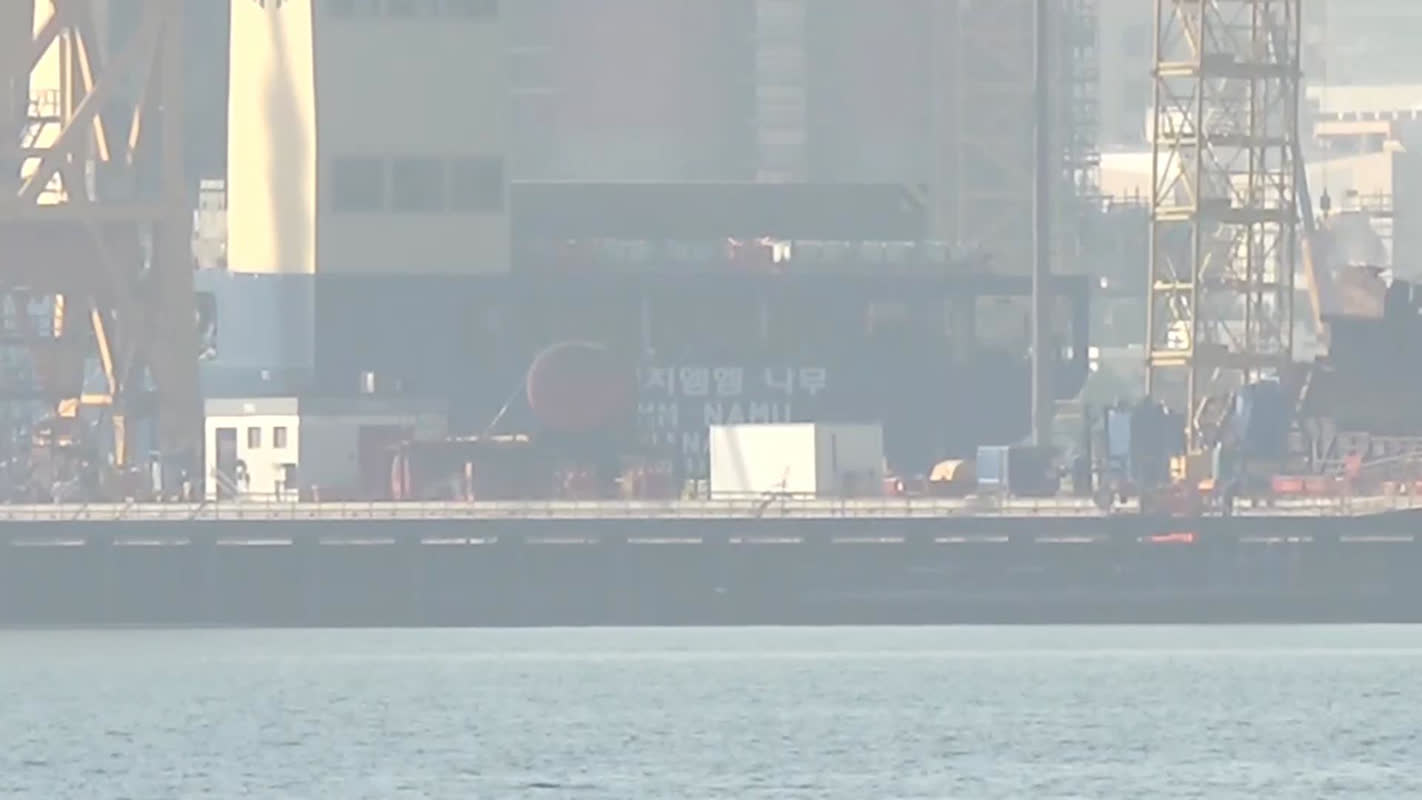
Mystery Unveiled: What Caused the HMM Namoo Fire in the Strait of Hormuz?
How the U.S. Military's Missile Depletion from Iran Could Impact Taiwan Defense Strategies
What Happened in the Hormuz Strait? Tanker Attacked by Unknown Missile – Latest Updates
Latest Popular Posts
Real-time TOP