Navy, Marines Execute Decisive Action in First-Half 2026 Joint Amphibious Exercise / Marine Corps provided
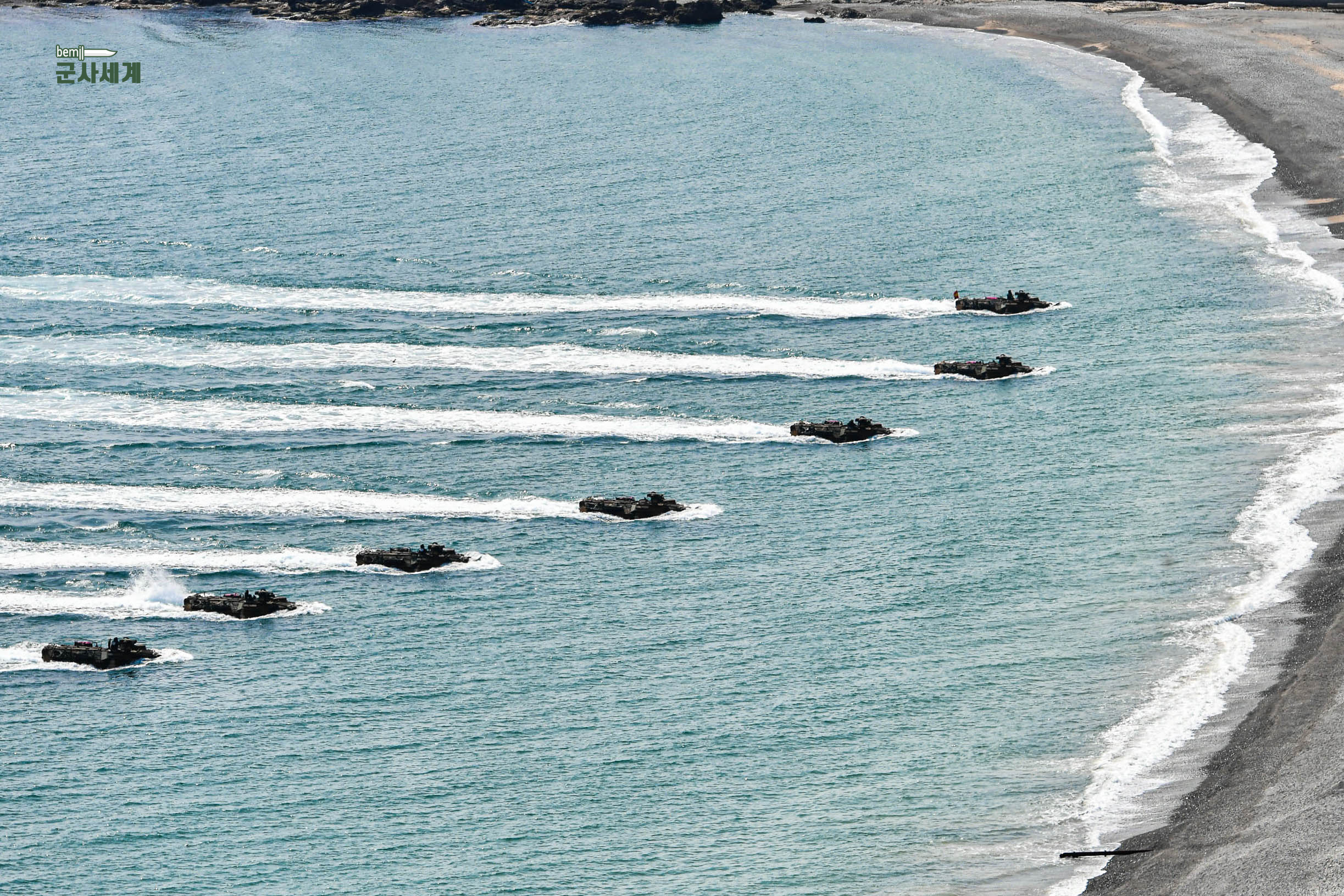
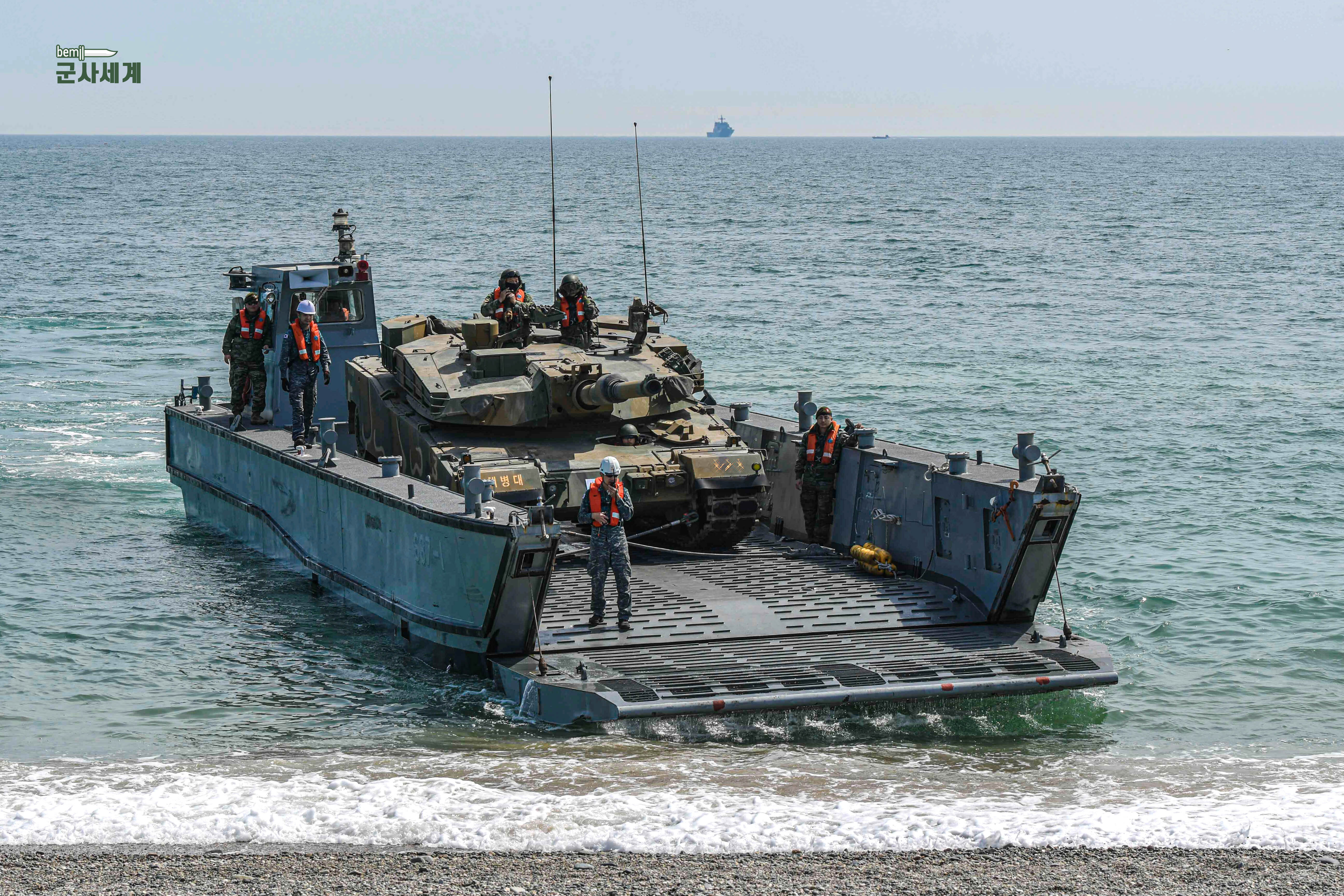
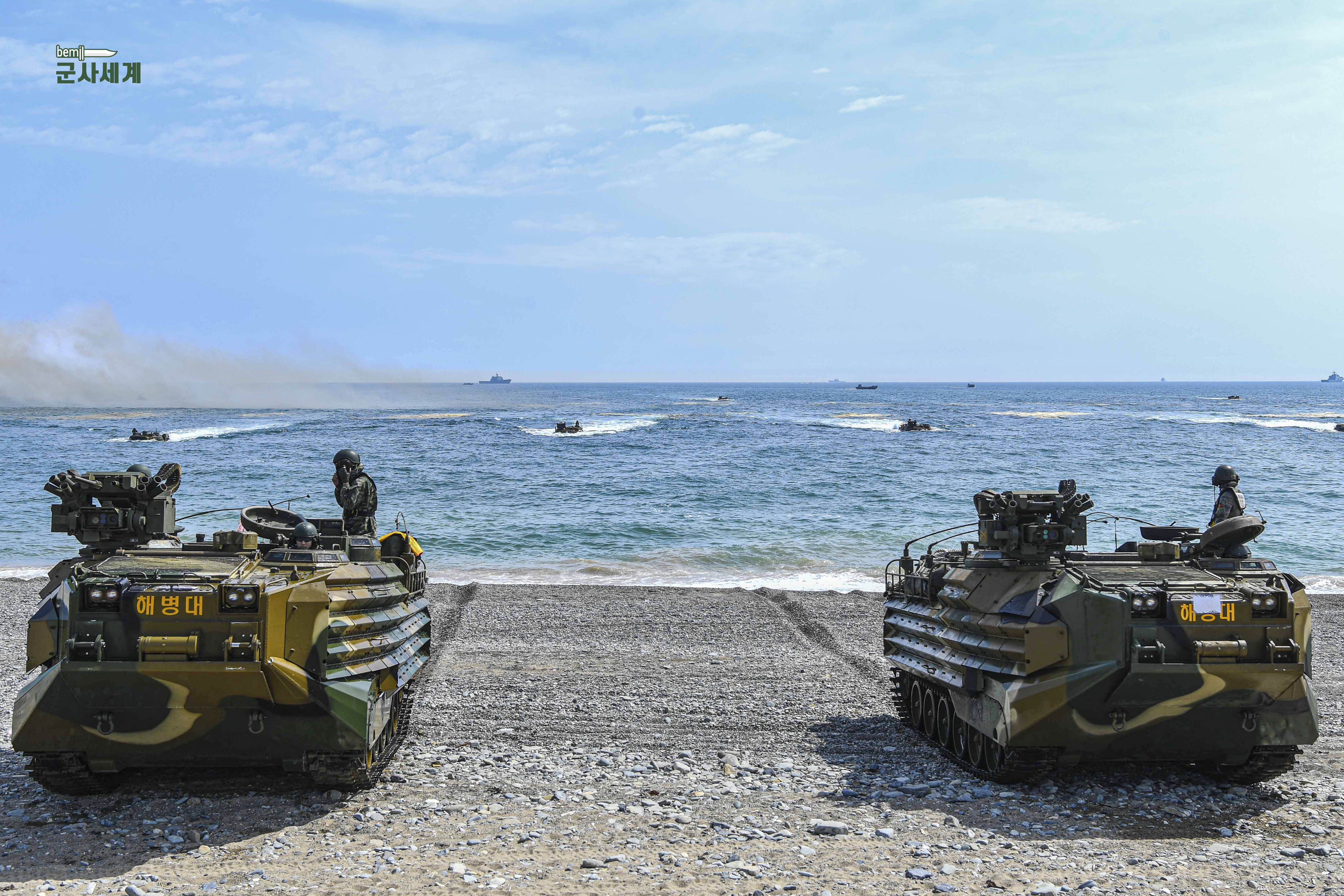
- On Monday, April 27, Republic of Korea Navy and Marine Corps forces carried out sea and air assaults off Dokseok-ri beach in Pohang.
- The exercise sharpened amphibious-assault capabilities by integrating manned and unmanned combat systems.
- The Navy and Marine Corps strengthened joint force operations as a unified one-team.
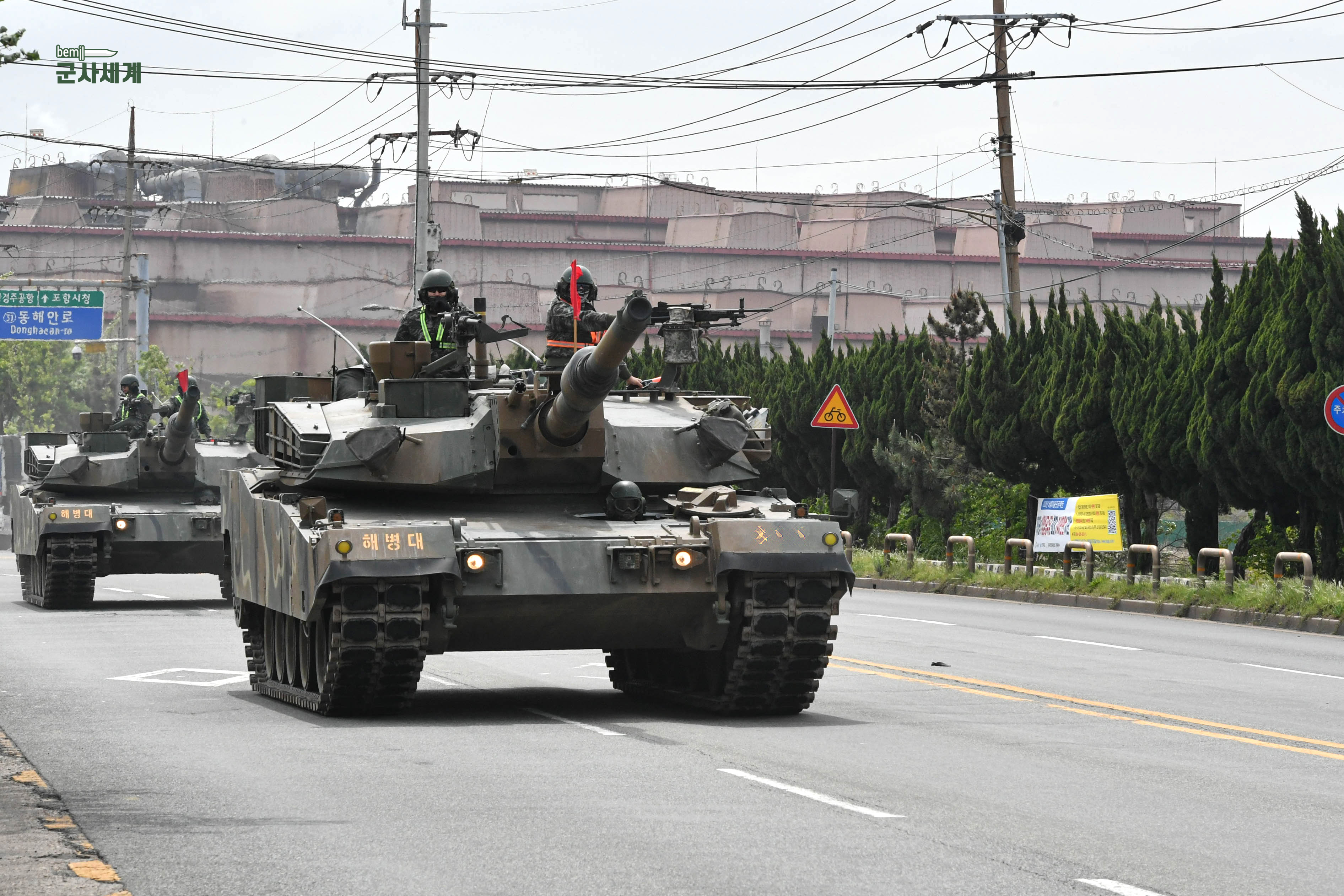
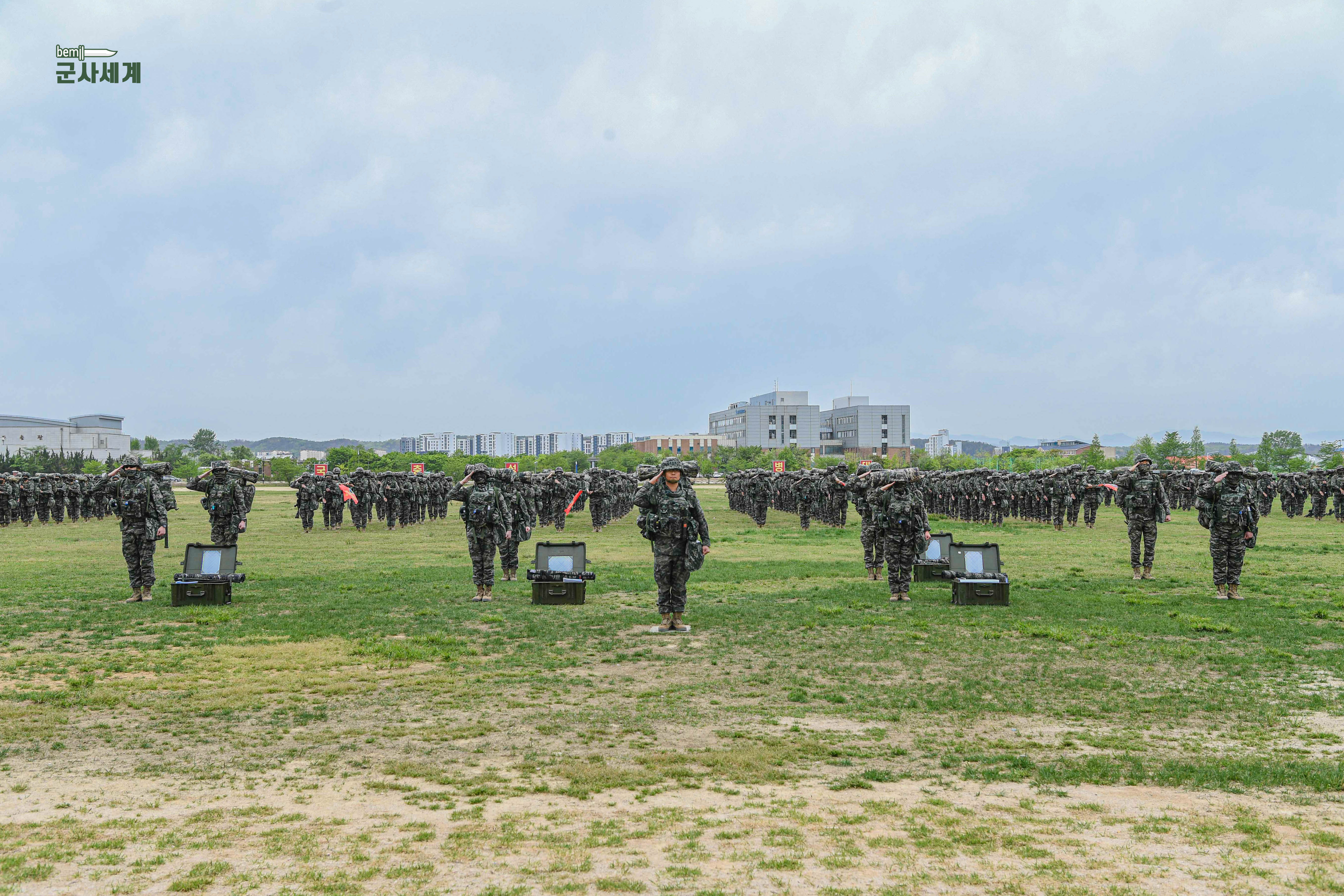
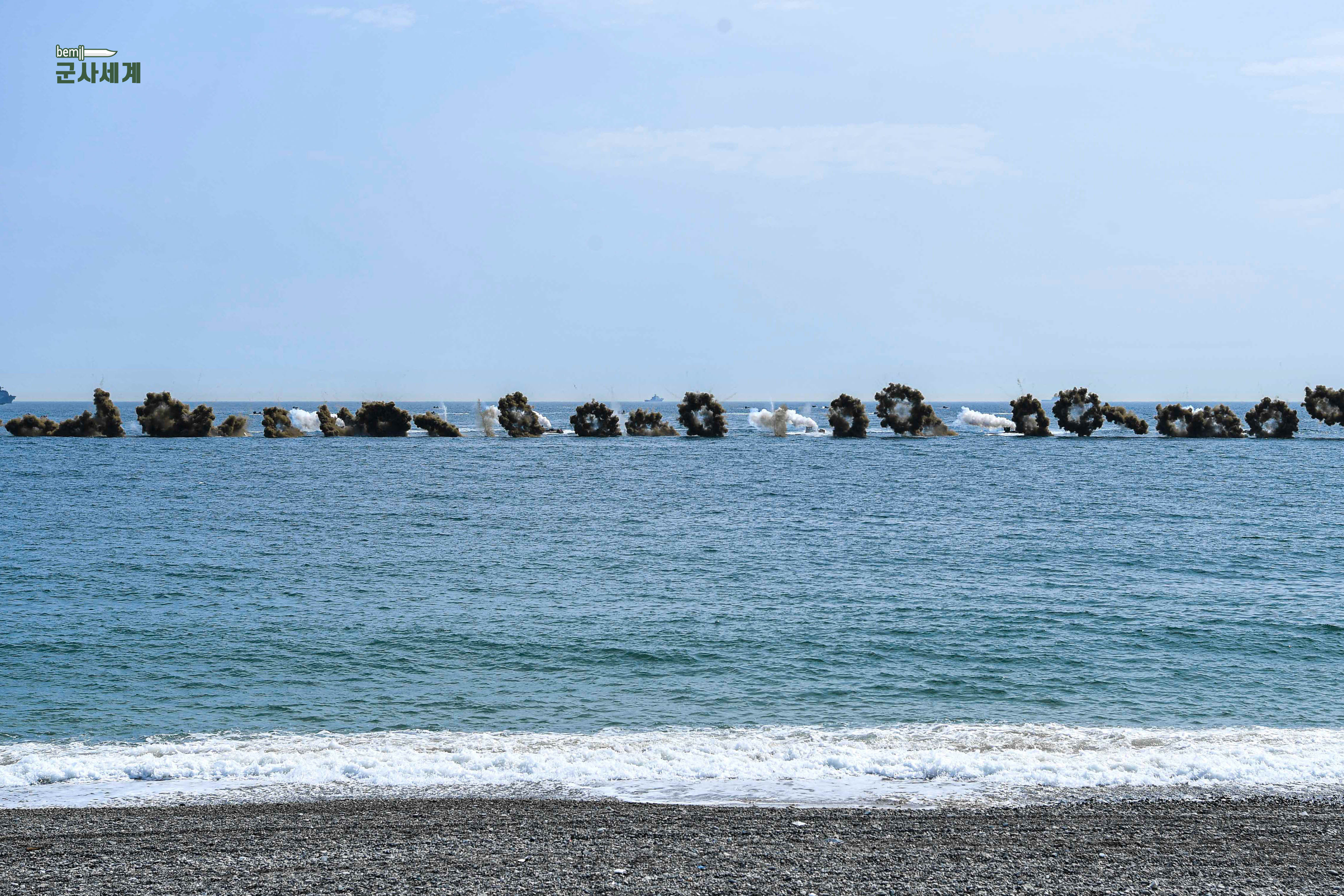
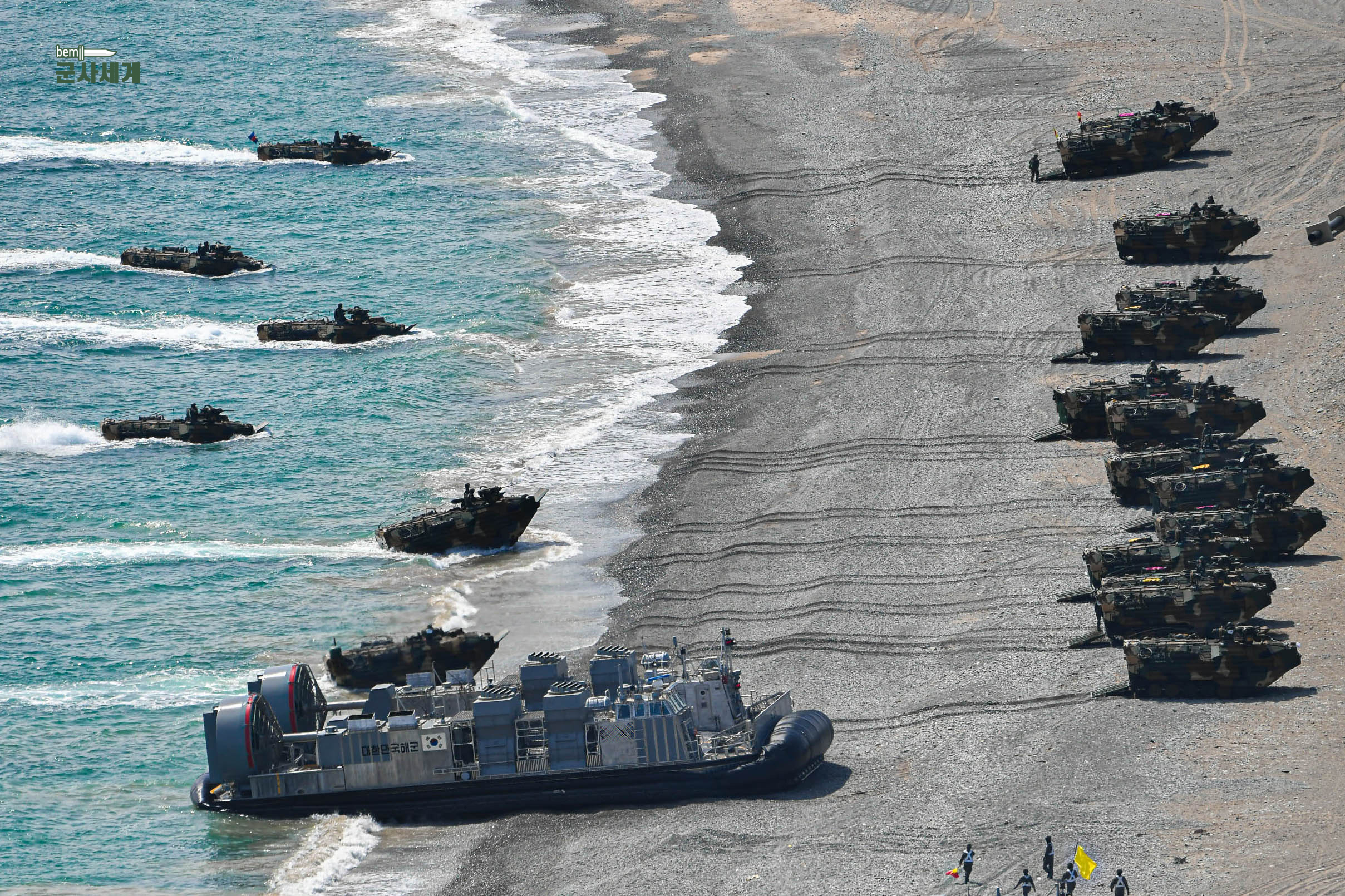
□ The Navy and Marine Corps conducted the first-half 2026 joint amphibious exercise across the Pohang area in North Gyeongsang Province from Thursday, April 23 through Thursday, April 30. On April 27, they executed the exercise’s highlight — the decisive action — off Dokseok-ri beach to validate amphibious assault capabilities.
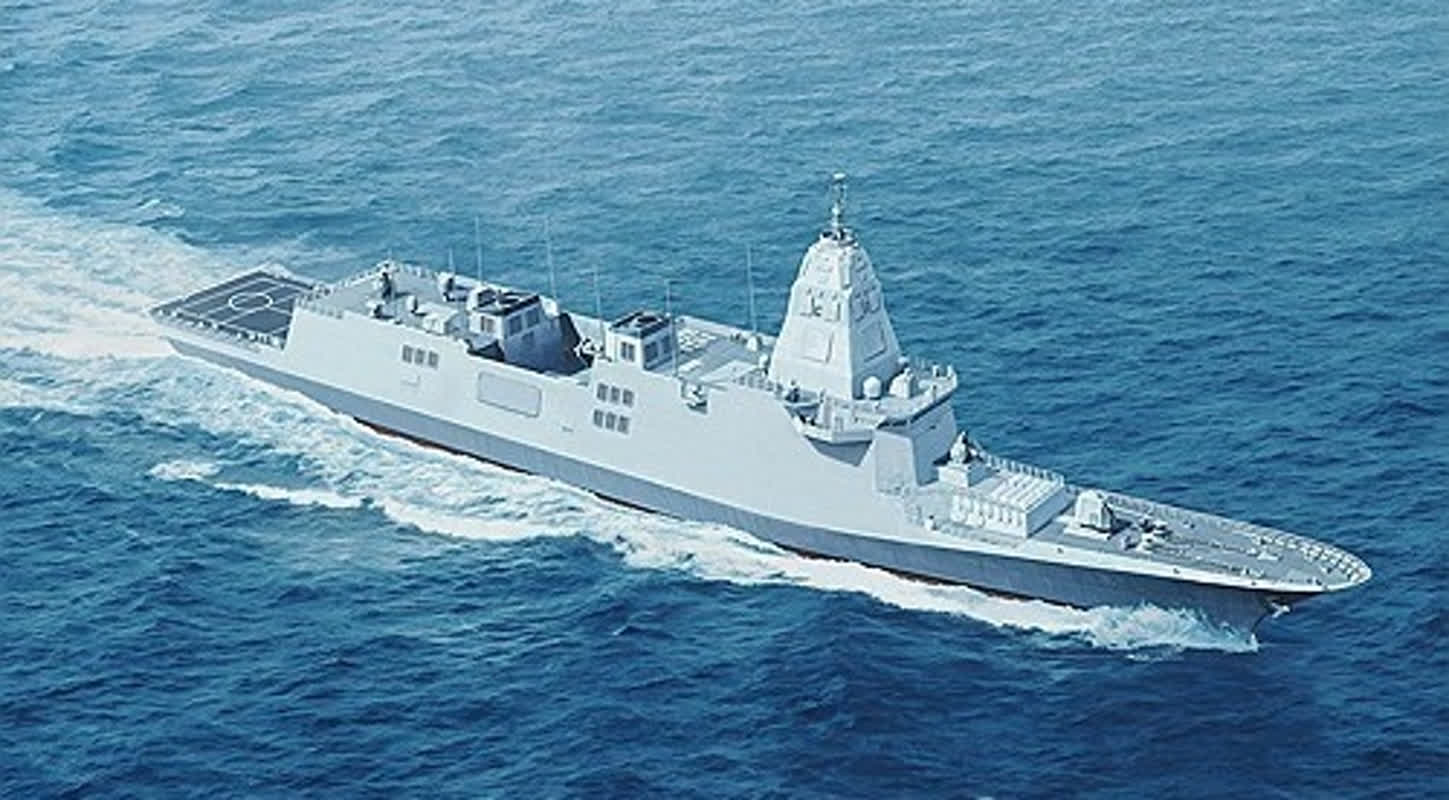
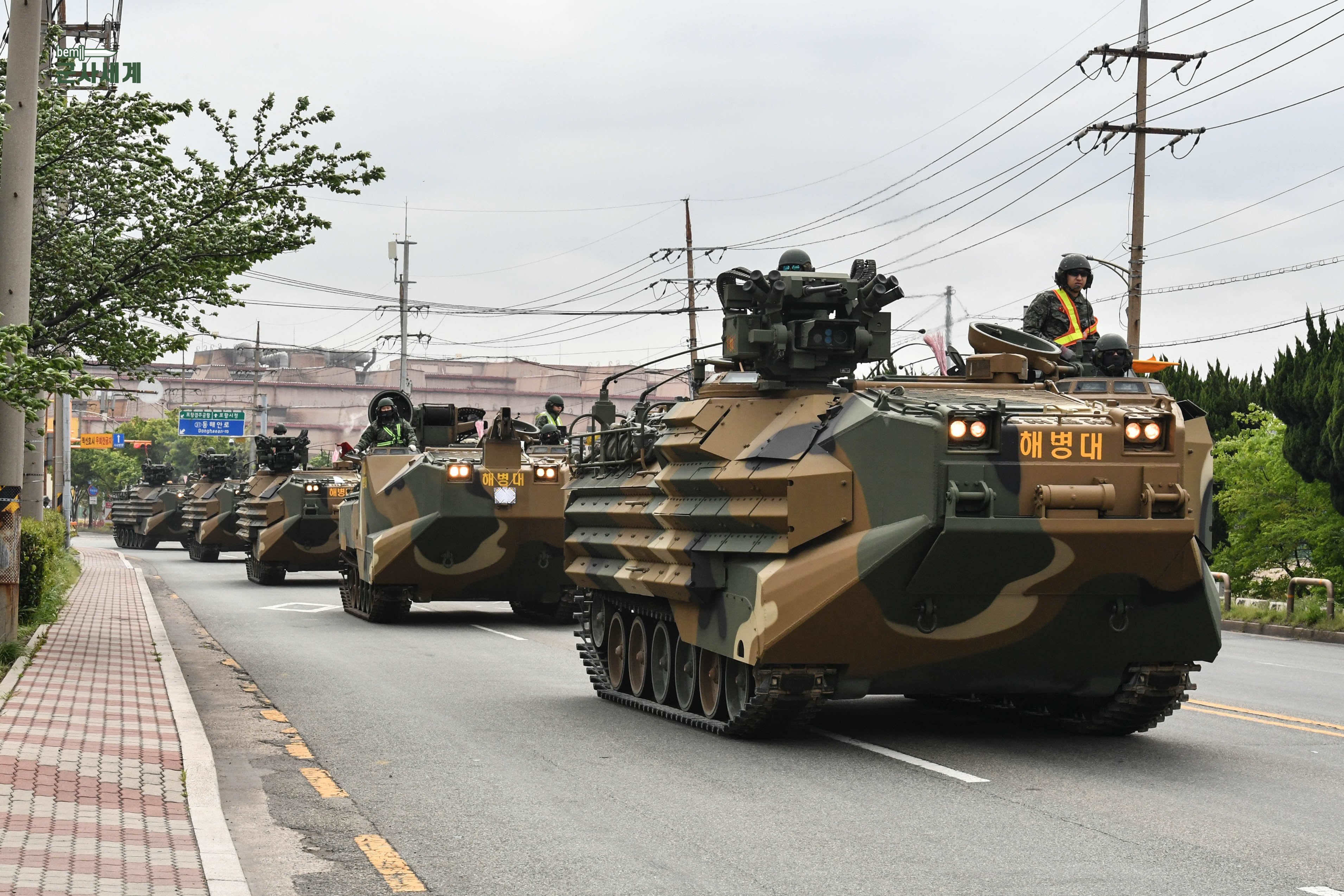
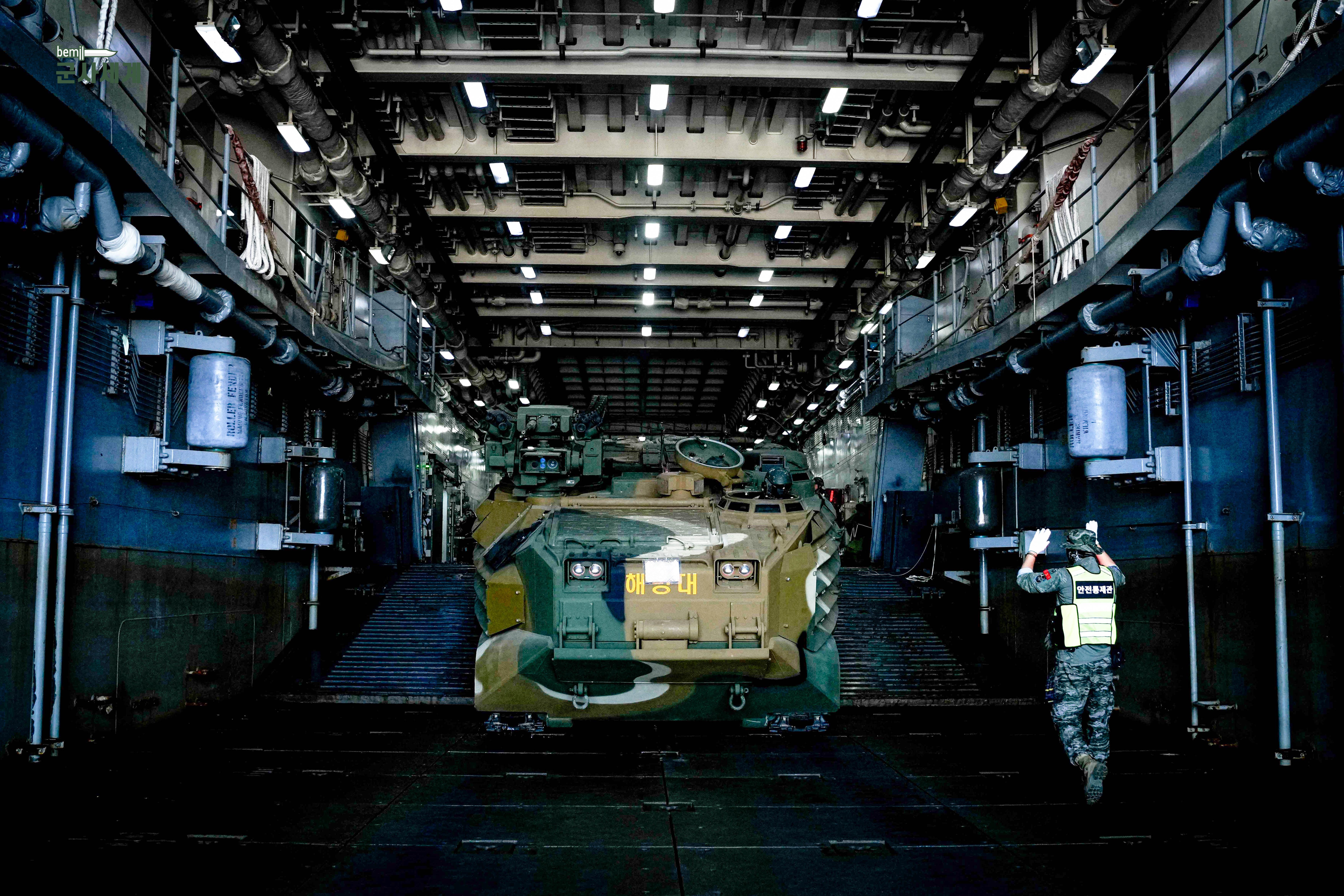
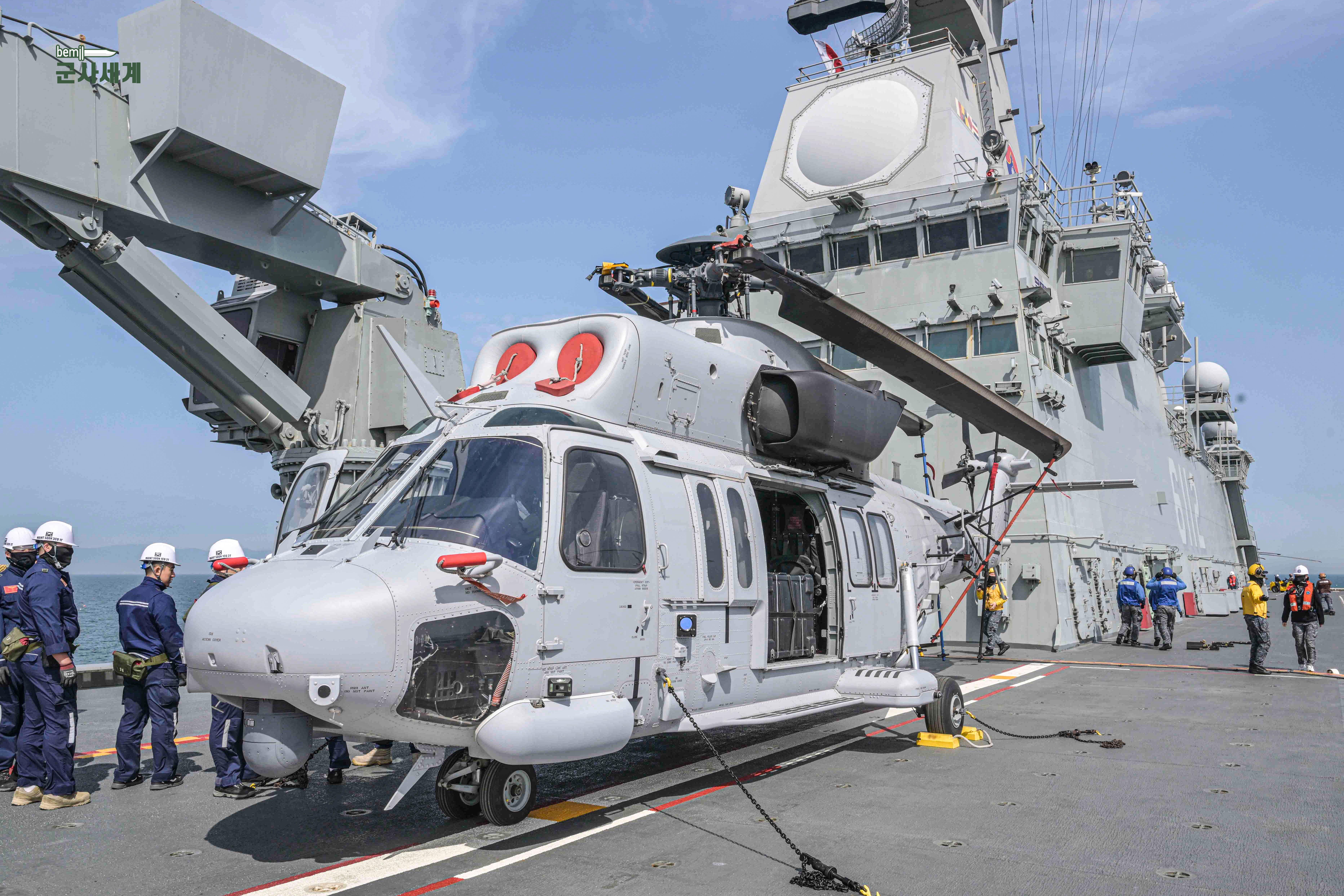
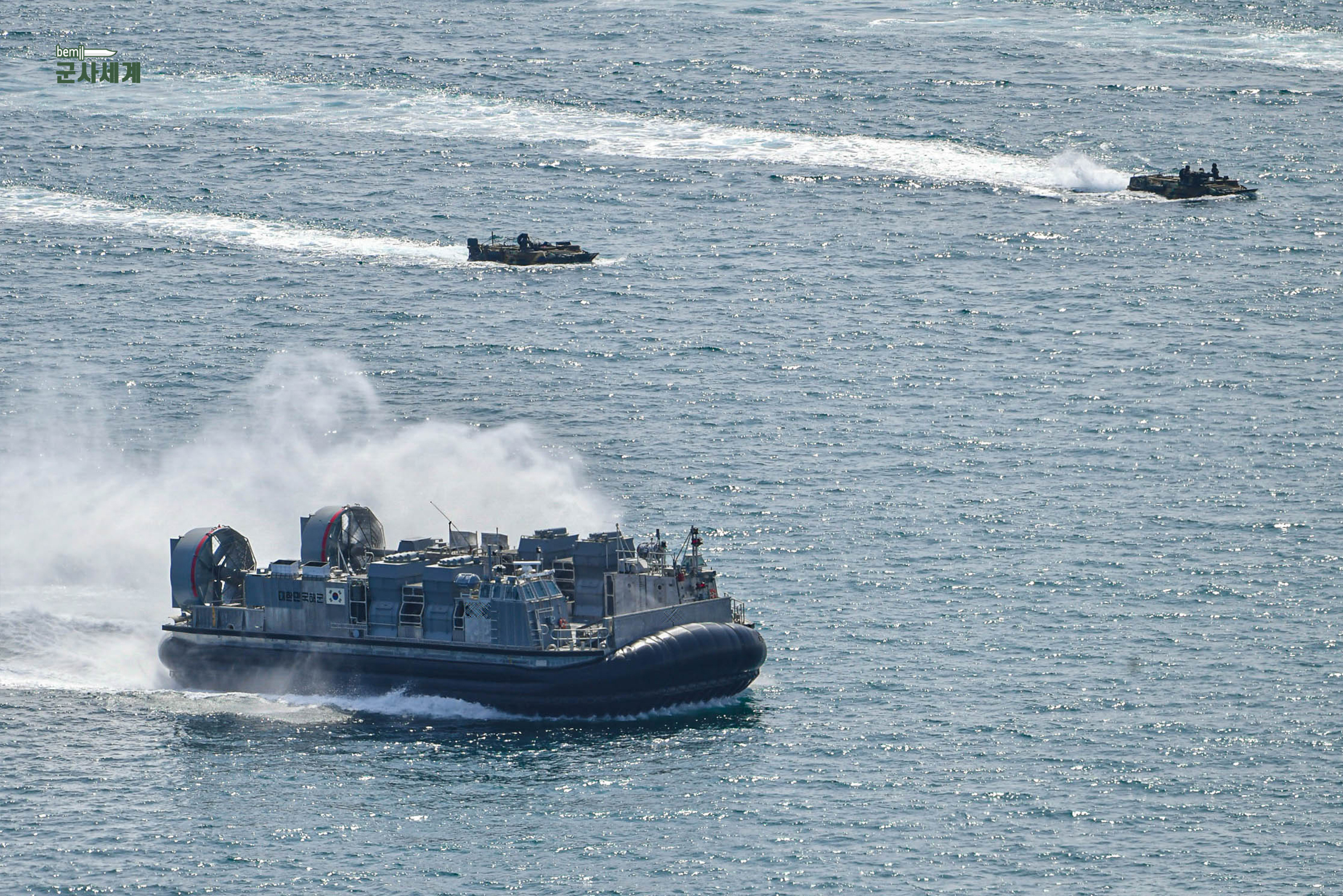
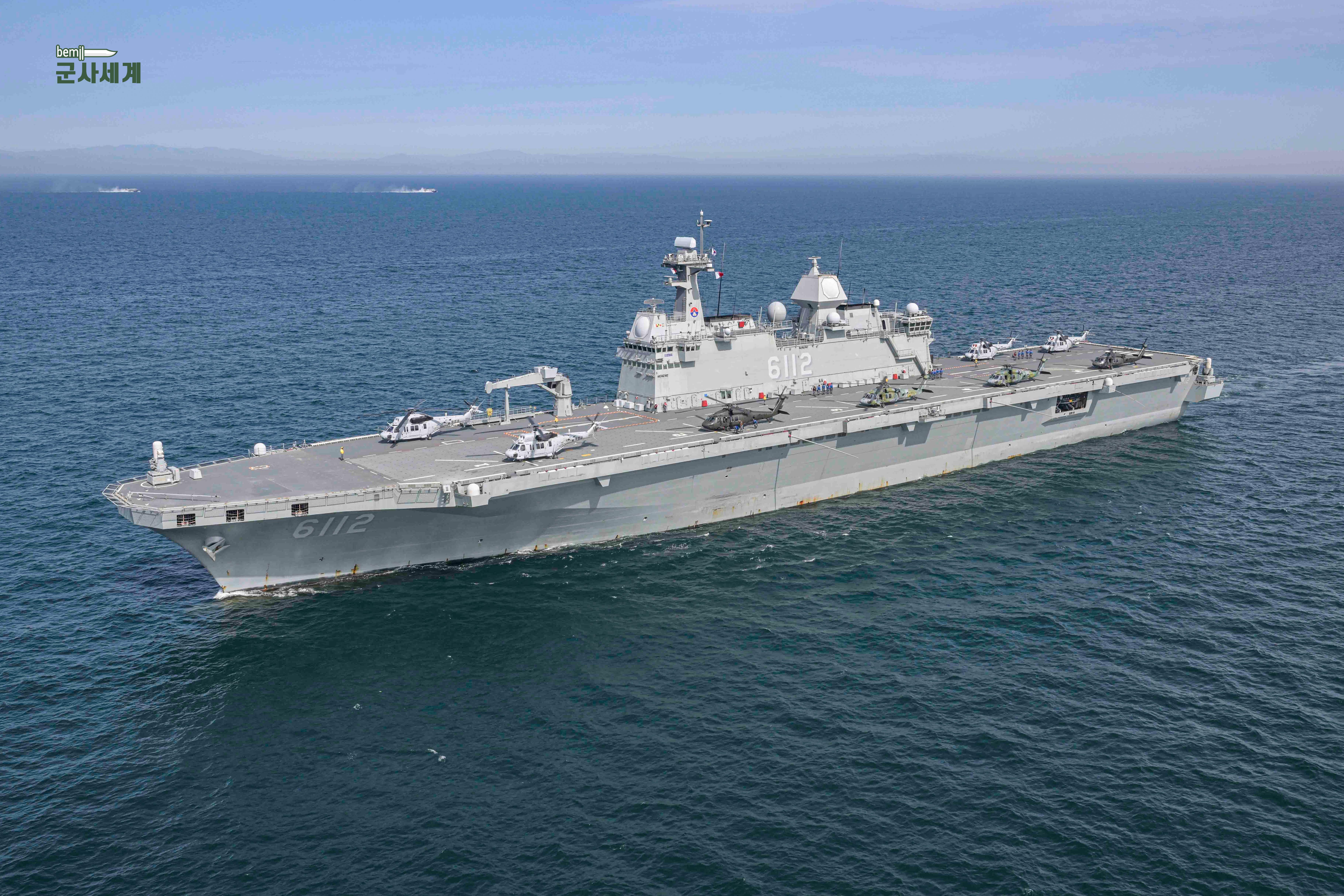
□ The brigade-level exercise involved roughly 3,200 personnel from the Army, Navy, Air Force and Marine Corps. about 20 ships, including the large transport ship Marado (LPH), took part alongside platforms such as the Korean amphibious assault vehicle (KAAV), MUH-1 assault helicopters, P-8A maritime patrol aircraft, KF-16 fighters, AH-64E attack helicopters and multiple drone units. The mix of manned and unmanned systems improved joint operational proficiency.
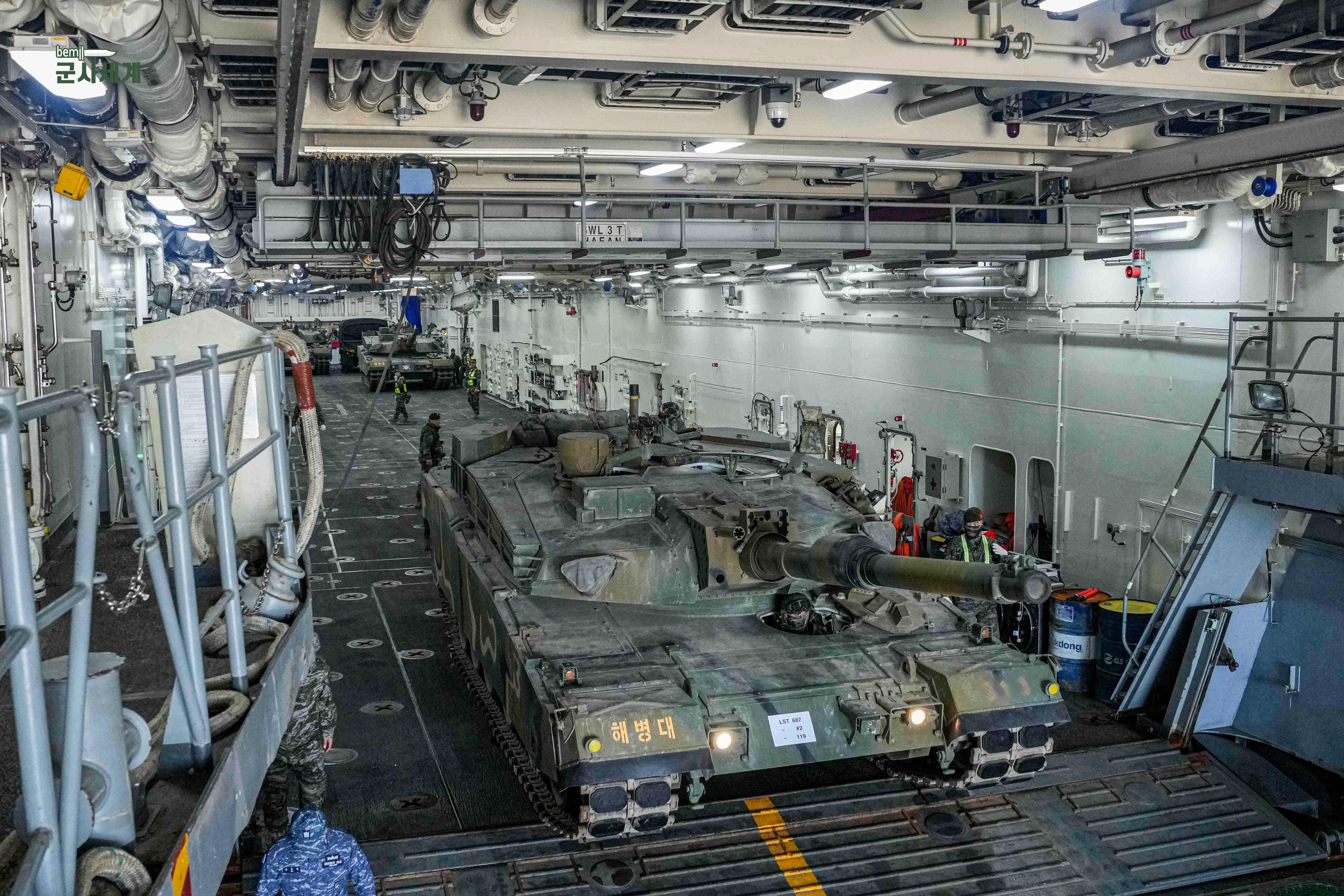
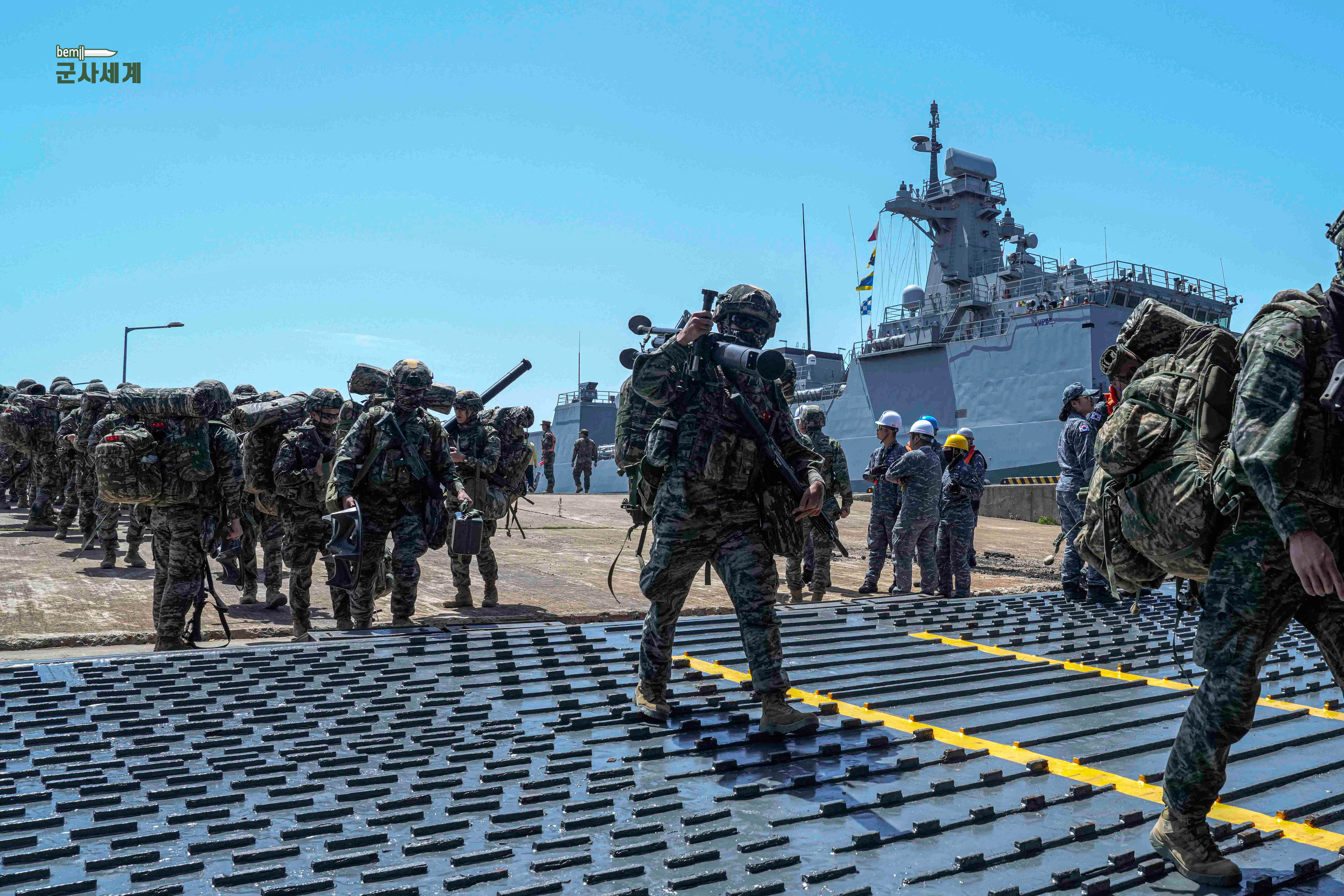
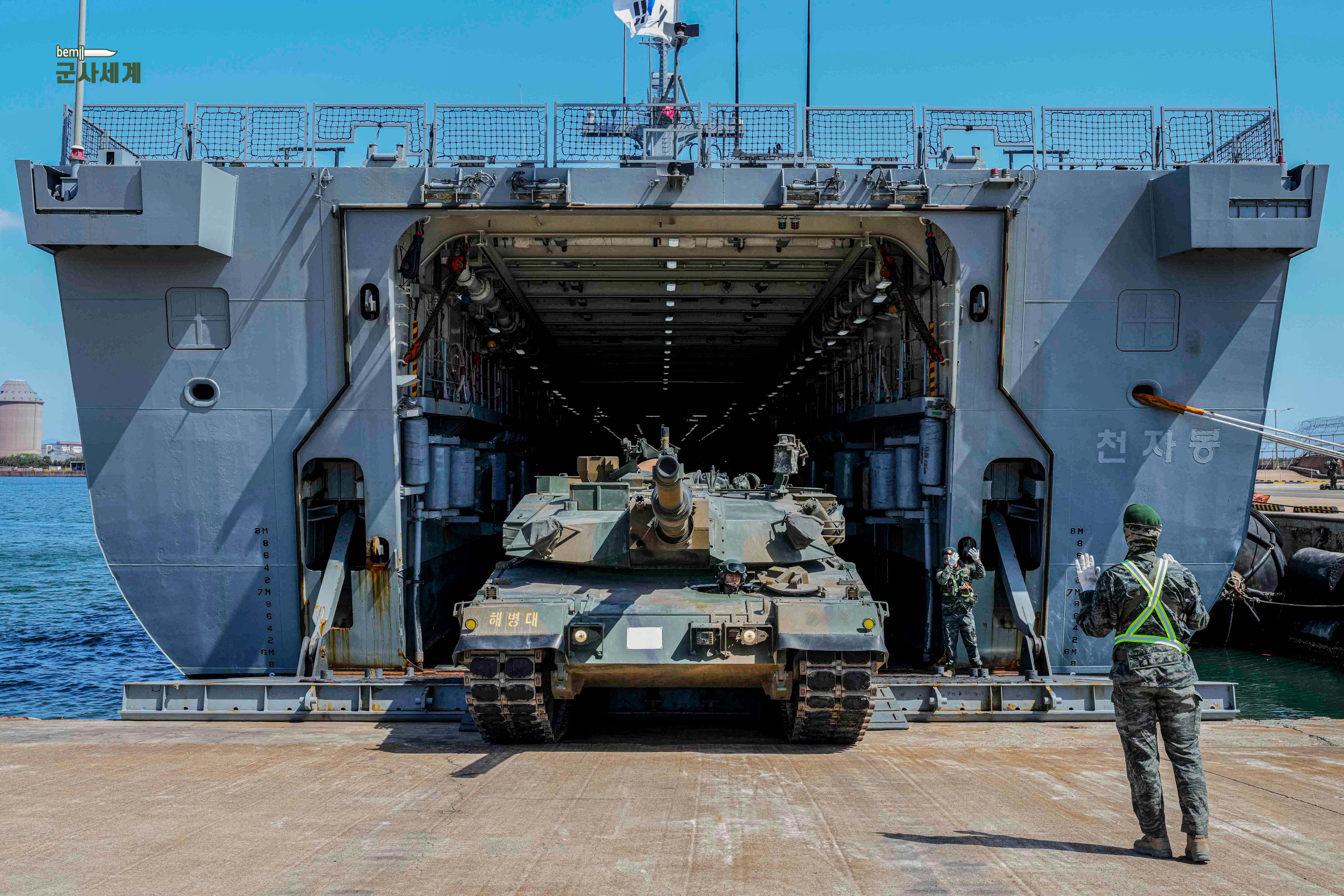
□ The exercise followed standard amphibious-operation phases: planning, embarkation of troops and equipment, procedural rehearsals, movement to the objective area, and a decisive sea- and air-based assault by landing forces. The sequence demands tight teamwork and high interoperability.
□ To maximize outcomes, commanders integrated diverse joint assets and conducted sea- and air-assaults in line with the operational concept. Training scenarios were linked to likely contingencies to prepare forces for a range of future threats.
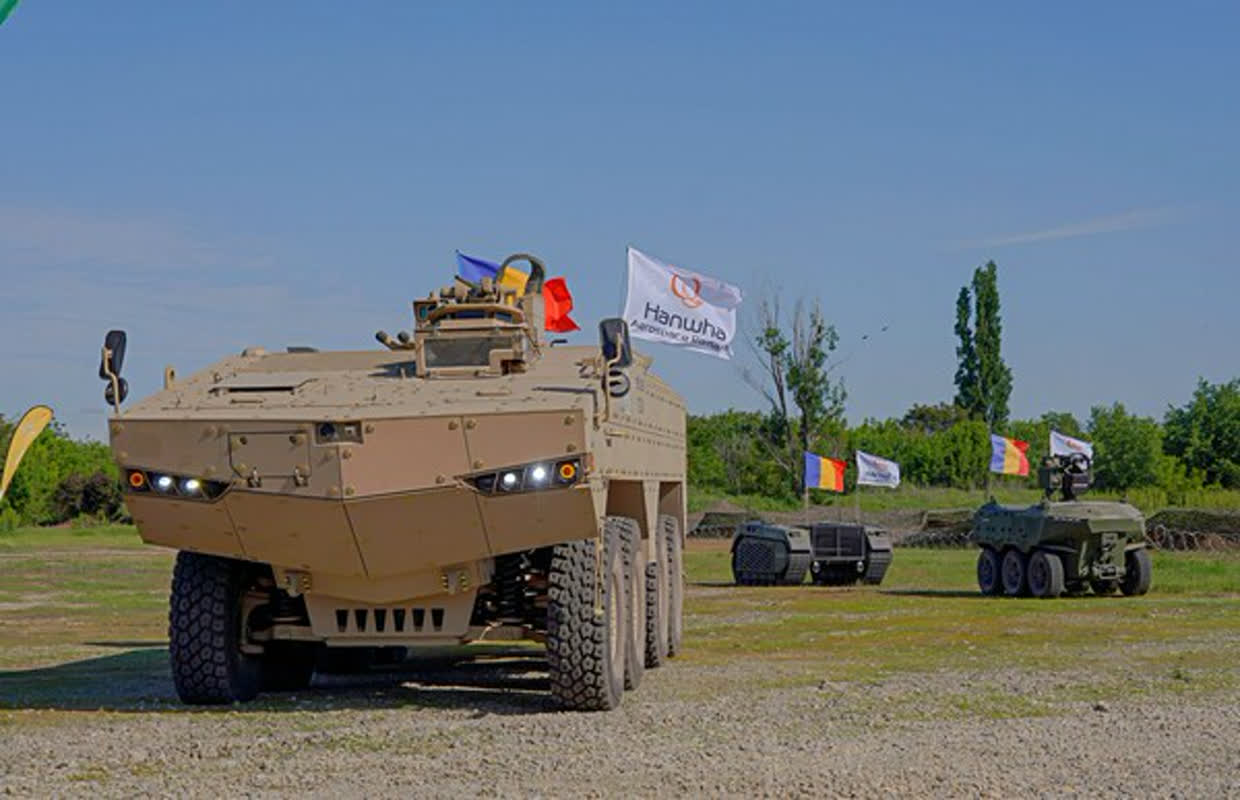
□ Accounting for changes in modern warfare, the forces combined manned and unmanned systems and actively employed reconnaissance assets to survey landing beaches and enhance battlefield visibility for ground operations. They also tested procedures to protect friendly forces against enemy unmanned aerial threats.
□ Logistics-delivery drones transported supplies — ammunition, combat rations and medical items — to deep-operation units behind adversary lines, helping develop concepts for sustained offensive support.
□ During movement to the objective, participating units trained realistically for multi-threat environments, including anti-submarine warfare and air defense against enemy submarines and drones. They also conducted mine countermeasure operations to detect and clear adversary-laid mines. One team from the U.S. Seventh Fleet’s Expeditionary Mine Countermeasures unit (ExMCM) joined the mine-clearance effort, enhancing allied mine-warfare interoperability.
□ For the first time in a landing reconnaissance mission — in which special forces covertly infiltrate the objective shore to reconnoiter and remove obstacles — operators used FPV (First Person View) drones to collect real-time intelligence and validate drone employment procedures.
□ After clearing mines and obstacles on the landing beach, the Navy and Marine Corps executed the decisive action on the morning of April 27 at Dokseok-ri beach. The decisive action is the climax of an amphibious operation: Marine landing forces seize a coastal foothold with naval gunfire and air support, then prepare to transition to ground combat.
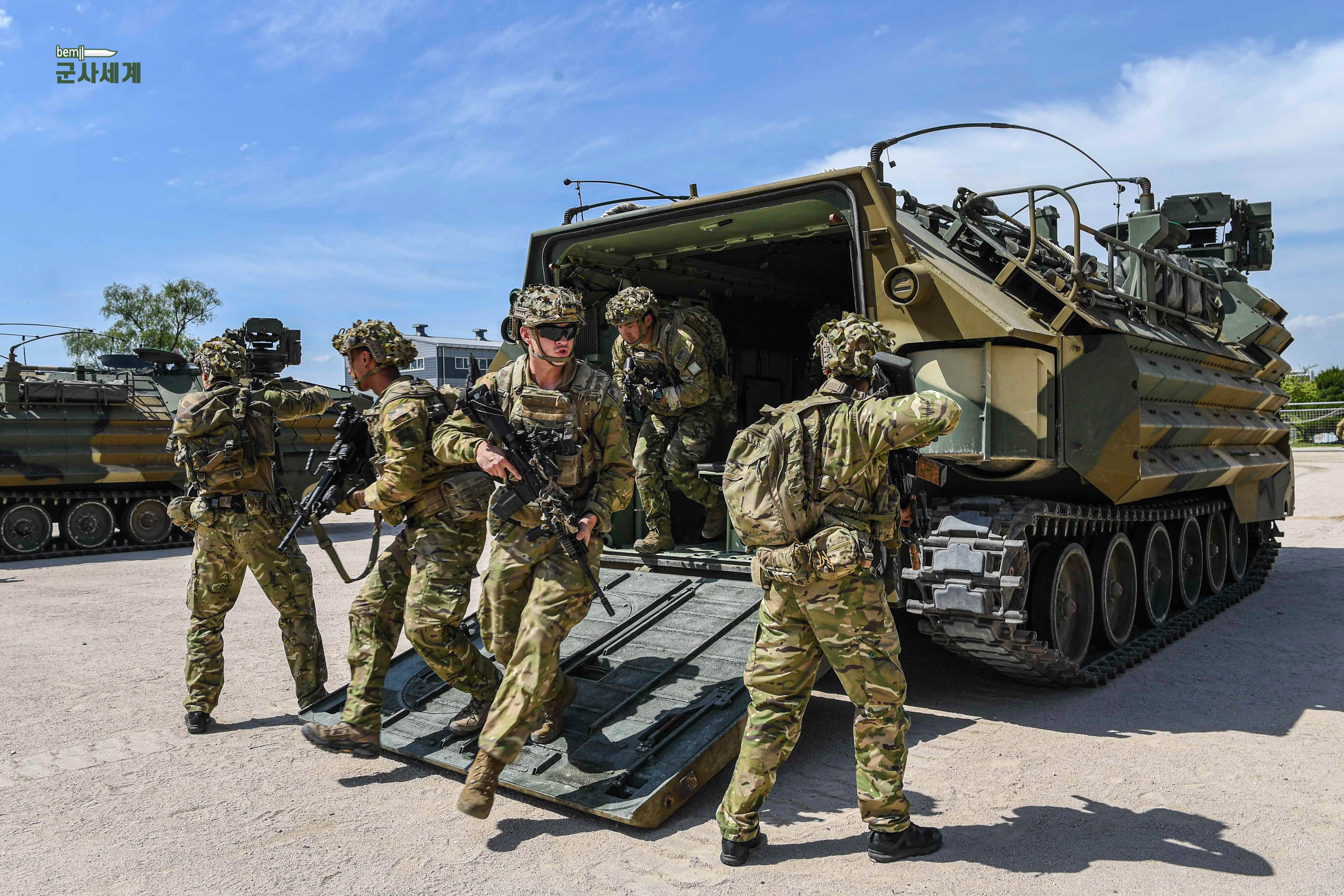
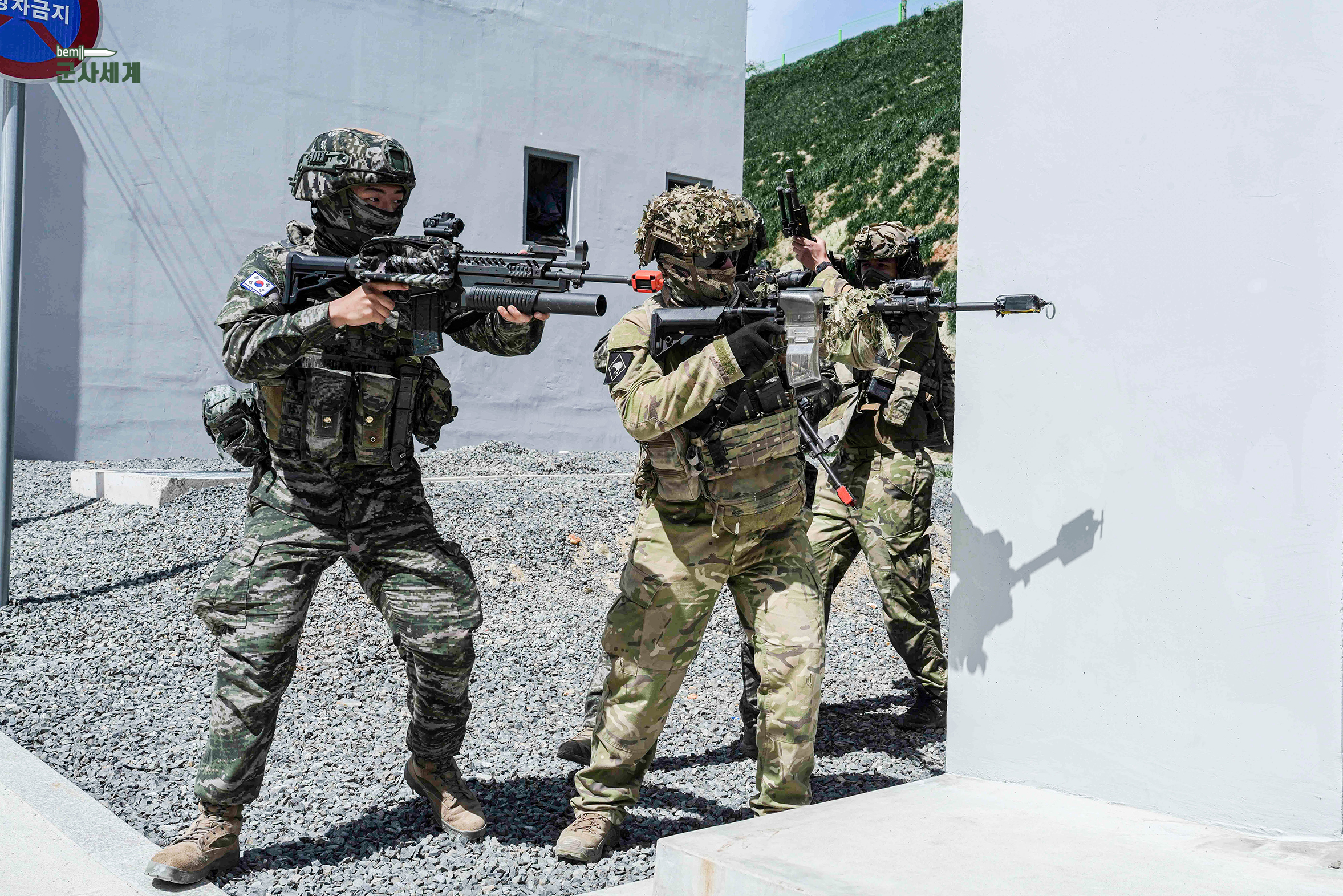
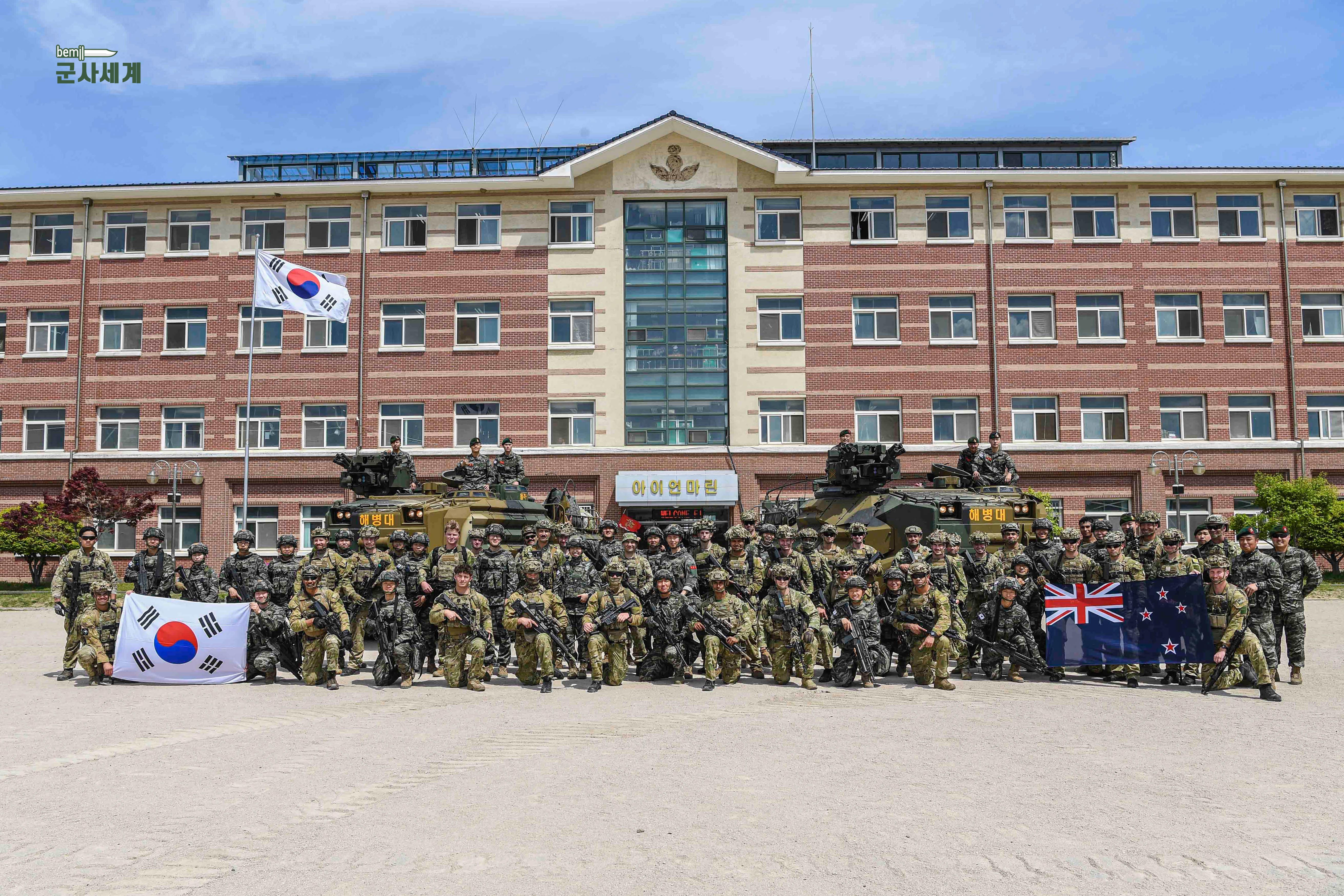
□ For the first time in this exercise, a New Zealand Army platoon was attached to a landing battalion and conducted sea assaults and ground operations alongside Republic of Korea Marines. New Zealand soldiers spent about two weeks before the decisive action training in urban operations, live-fire drills and KAAV embarkation and debarkation, building tactical cohesion and strengthening ties.
□ Col. Hwang Sang-geun, commander of the Landing Force Command, said, “This exercise reinforced Navy–Marine Corps joint operations as one team and validated the operational realism of integrated manned-and-unmanned combat systems using advanced technology. Backed by overwhelming force, the Navy and Marine Corps will carry out the missions entrusted by the nation and its people without fail.”
□ Col. Kim Hyun-gil, commander of the Landing Forces, said, “The joint amphibious exercise was a key opportunity to strengthen perfect teamwork between the Navy and Marine Corps and to improve interoperability with supporting units. Through this training, we will continue to earn the public’s trust as a strategic national maneuver force and remain ready to execute assigned missions wherever and whenever required.”
□ Lt. Aaron Michael Chemaly of the New Zealand Defence Force said, “Training with the Republic of Korea Marines was realistic and intense. It improved interoperability between our forces and advanced the capabilities of the New Zealand Defence Force. Our participation demonstrates the long-standing cooperation between our nations.”
□ After completing the decisive action, the Navy and Marine Corps will continue related joint amphibious training through Friday, May 1. Units will run a range of drills to strengthen mission performance at the formation level, including emergency supply and cargo airdrops, airborne tactical command-post operations and mass-casualty treatment exercises.
□ Based on the exercise results and recent training, the Navy and Marine Corps will refine amphibious plans and joint force employment procedures for application in future exercises. //End//