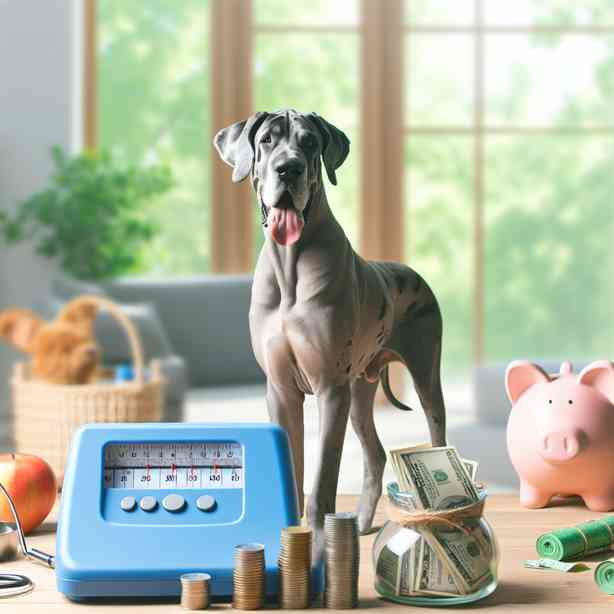
Great Dane: A Comprehensive Look at a Giant Breed
Great Danes are among the largest dog breeds on the planet. Known for their majestic size and surprisingly gentle temperament, they remain a favorite among dog lovers. This article examines their lifespan, size, and cost, and offers practical information about what it’s like to live with one. Our goal is to provide prospective owners with reliable, U.S.-appropriate guidance.
Size of the Great Dane: One of the World’s Largest Breeds
Great Danes are renowned for their impressive stature. Adult males typically weigh 54–90 kg (119–198 lb), and females about 45–59 kg (99–130 lb). Shoulder height averages roughly 76–86 cm (30–34 in) for males and 71–81 cm (28–32 in) for females. Some genetically large individuals exceed 100 kg (220 lb), and a Guinness World Records entry documented a Great Dane with a shoulder height over 110 cm (43 in). Their sheer size often earns them the nickname “giants of the dog world.”
Because of their scale, Great Danes need ample living space, more exercise than small breeds, and a balanced diet that supports healthy muscle and bone development. Prospective owners should factor in the breed’s rapid growth—most reach their full bulk within the first year—when choosing food, planning exercise, and arranging veterinary care. Rapid growth and a heavyweight frame demand special attention to diet, activity levels, and preventative health measures.
Comparing Great Danes with Other Giant Breeds
Even among large breeds such as Mastiffs, Saint Bernards, and Irish Wolfhounds, Great Danes sit near the top in height and weight. For example, Saint Bernards may weigh 64–120 kg (141–265 lb) but are typically a bit shorter at the shoulder than a Great Dane. Irish Wolfhounds can rival or exceed Great Danes in height, yet they usually carry less weight. These comparisons underscore the Great Dane’s commanding presence; choose a breed by considering each one’s body type and lifestyle needs.
Lifespan: The Limits of Large Size and Health Management
The average lifespan for a Great Dane is about 7–10 years, reflecting a broader pattern in which larger breeds tend to live shorter lives. Their rapid growth and large bodies make them more vulnerable to heart, joint, and digestive issues. Common problems in the breed include heart disease, hip dysplasia, and gastric dilatation-volvulus (GDV), often called bloat.
Extending a Great Dane’s life requires careful diet management, consistent but moderate exercise, and regular veterinary checkups. Because GDV is a known risk, veterinarians typically recommend feeding smaller, more frequent meals and avoiding vigorous activity immediately before or after feeding. During growth phases, managing weight gain and considering joint-support supplements can help protect long-term mobility.
See the surprising side of a cat tied to a leash
Veterinary research continues to explore ways to improve longevity in Great Danes. Advances in tailored nutrition, precision health screening, and genetic testing have modestly increased average lifespans in recent years. Still, owners should accept that Great Danes typically live shorter lives than smaller breeds.
Caring for Senior Great Danes and Improving Quality of Life
Older Great Danes may experience muscle loss, joint stiffness, and dental issues. Provide non-slip flooring, a supportive bed, and a calm living environment. Maintain a healthy weight, schedule routine veterinary exams, and offer easily digestible food and ample water—senior Great Danes often have sensitive stomachs. Thoughtful changes to the home and care routine can meaningfully improve an aging dog’s comfort and mobility.
Price: Purchase Cost and Ongoing Expenses
Prices for Great Danes vary based on pedigree, appearance, health, the seller (breeder, pet shop, etc.), and location. In South Korea, standard-pedigree puppies typically range from about 2,000,000 to 6,000,000 KRW (roughly $1,500–$4,500 USD). Puppies from champion bloodlines or those destined for the show ring can exceed 10,000,000 KRW (≈ $7,500 USD).
| Type of Sale | Average Price (10,000 KRW) | Notes |
|---|---|---|
| Pet-quality | 200–400 (2,000,000–4,000,000 KRW ≈ $1,500–$3,000 USD) | Standard pedigree for family pets |
| High-quality pedigree | 400–600 (4,000,000–6,000,000 KRW ≈ $3,000–$4,500 USD) | Better health and appearance; some show potential |
| Champion bloodlines | 600–1,000+ (6,000,000–10,000,000+ KRW ≈ $4,500–$7,500+ USD) | Eligible for official competitions; higher genetic value |
Additional fees—breeding history checks, vaccinations, health exams, and microchip registration—can raise the final cost. Imported dogs add transport and quarantine fees. When budgeting for a Great Dane, consider both the initial purchase price and the long-term costs of care.
Watch a puppy’s determined stair-climbing adventure
Ongoing Costs and Financial Responsibility
Great Danes require far more food, grooming, and medical care than small breeds. An adult may eat roughly 15–25 kg (33–55 lb) of dry food per month. Premium diets can push monthly food costs to 200,000–400,000 KRW (≈ $150–$300 USD). Supplements, vaccinations, and routine exams can add several hundred thousand to over a million KRW annually (≈ $150–$750 USD). Large-breed gear—oversized beds, heavy-duty leashes, and large crates—also costs more.
Unexpected medical issues can be expensive. Conditions common to the breed—joint disease, heart problems, or GDV—often require costly treatment, so many experts recommend pet insurance or a dedicated emergency fund for Great Dane owners.
Suitability and Traits as a Companion Dog
Despite their size, Great Danes are typically gentle and deeply loyal. They can be patient with children and older adults, but their size can unintentionally overwhelm small kids, so early socialization and basic obedience training are essential. Great Danes may be cautious with strangers, but their instincts lean toward protection rather than aggression.
They benefit from one or two daily walks and moderate exercise; overexertion during growth can harm joint development. Many prefer calm indoor living and value close contact with family. Prospective owners should ensure adequate space and a household prepared to meet the responsibilities of a giant-breed dog.
Considerations Before Adopting
Great Danes need consistent affection, early socialization, and organized health care. They may challenge first-time owners, but with preparation they can become devoted companions. Early training helps control a large dog’s strength, and a consistent household approach improves outcomes. Before adopting, make sure the breed fits your lifestyle and you can provide the time and resources required.
Learn puppy etiquette for entering a home cleanly
Health and Keys to Longevity
Maintaining a Great Dane’s health requires a balanced diet, regular exercise, and preventive veterinary care. Feed formulas designed for giant breeds—higher in protein and lower in fat—and consider joint-support supplements such as omega-3s and glucosamine. Regular walks and play help prevent obesity and preserve muscle mass. Because of their weight, non-slip flooring and appropriately sized equipment reduce injury risk.
Routine veterinary checkups should monitor heart, joint, and digestive health so problems are found early. Discuss GDV emergency responses with your veterinarian and whether preventive gastropexy (stomach tacking) is appropriate. Attentive care of both body and mind helps families enjoy many rewarding years with a Great Dane.
Preferred Lifestyle for Great Danes
Great Danes are generally better suited to houses with yards than small apartments, though they enjoy indoor family life if space is sufficient. They do well in homes with visitors or children when properly socialized and trained. Less active households can still suit the breed, provided owners can commit to longer walks or play sessions as needed. Travel and outdoor activities offer healthy stimulation. Above all, steady routines and affectionate attention support a Great Dane’s well-being.
Finding a Trustworthy Breeder
Adopt a Great Dane from a reputable breeder or official organization that provides transparent health records, genetic testing results, and vaccination histories. Verify pedigree certificates, health guarantees, and early socialization practices. A trustworthy breeder will explain breed traits, post-adoption care, and expected costs—and often remains a resource after adoption. Avoid indiscriminate mills or sellers with unclear records to ensure a healthy, well-adjusted dog.
Advice for a Rewarding Life with a Great Dane
Although their appearance can be imposing, Great Danes form deep bonds and show extraordinary loyalty. With proper housing, medical care, and training, they can be incredibly rewarding companions. If you understand their needs and accept the financial and time commitments, a Great Dane can be a lifelong friend. Use this information on lifespan, size, and cost to decide carefully, and always practice responsible pet ownership.